In a breakthrough that could redefine the landscape of reproductive medicine, researchers at Michigan State University (MSU) have uncovered a critical molecular "switch" responsible for the sudden surge of energy sperm require to fertilize an egg. This discovery, led by Melanie Balbach, an assistant professor in the Department of Biochemistry and Molecular Biology, offers a dual promise: providing new pathways to treat male-factor infertility and accelerating the development of a highly anticipated, non-hormonal male contraceptive. The study, recently published in the Proceedings of the National Academy of Sciences (PNAS), details how sperm undergo a dramatic metabolic shift upon entering the female reproductive tract, a process that has long remained one of the more mysterious stages of human conception.
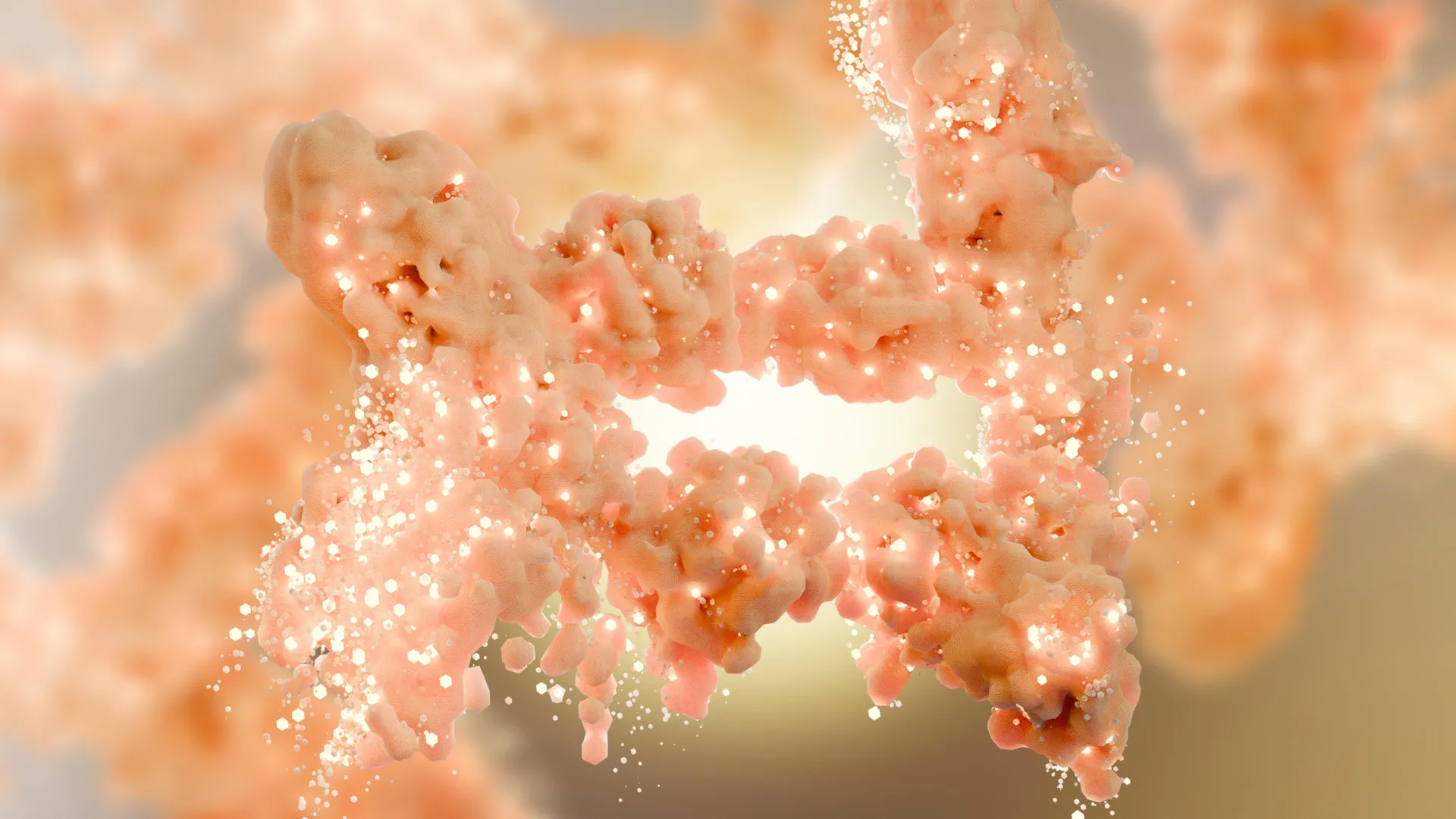
The research identifies the enzyme aldolase as a primary regulator in this process, acting as a metabolic gatekeeper that dictates how and when sperm consume fuel. By understanding this mechanism, scientists believe they can now move toward targeted therapies that either boost this energy production for those struggling to conceive or temporarily inhibit it to provide a safe, reversible, and on-demand form of birth control for men.
The Mechanics of Sperm Metabolism and the Energy Surge
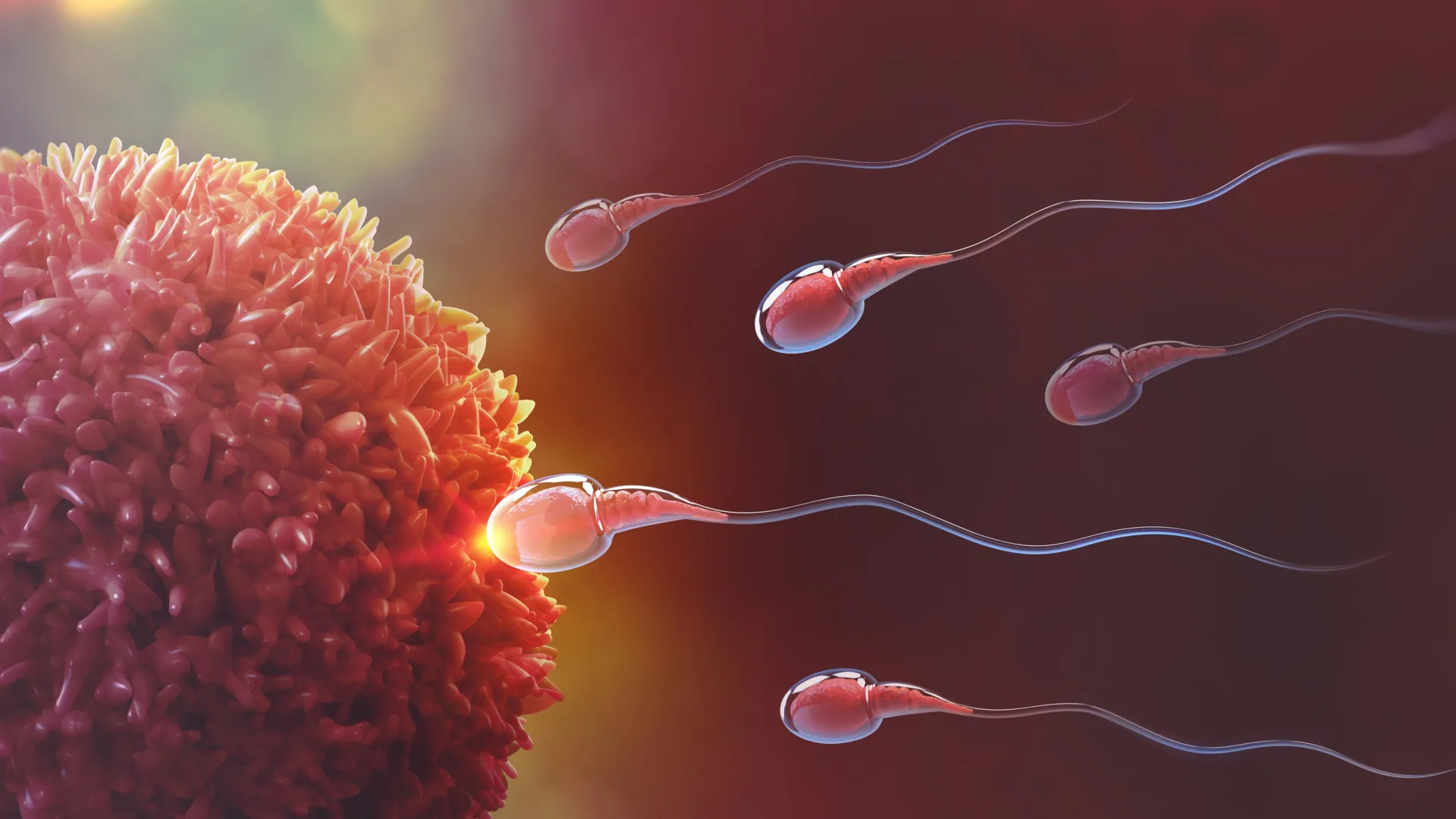
For the vast majority of their existence, mammalian sperm are kept in a state of metabolic quiescence. While stored in the male reproductive system, they remain in a low-energy, dormant state to preserve their limited resources. However, the transition that occurs during and after ejaculation is one of the most rapid and intense biological transformations in the human body. Once sperm enter the female reproductive tract, they must undergo a process known as capacitation. During this phase, they must swim with significantly more force—a movement called hyperactivation—and undergo structural changes to their outer membranes to prepare for fusion with the egg.
"Sperm metabolism is special since it’s only focused on generating more energy to achieve a single goal: fertilization," explained Dr. Balbach, the senior author of the study. This singular focus makes sperm an ideal model for studying metabolic reprogramming, a phenomenon where cells quickly switch their internal machinery to meet new environmental demands.
The MSU team discovered that this metabolic pivot is not merely a matter of "turning on a light," but rather a complex rerouting of chemical pathways. Using advanced tracking techniques, the researchers found that sperm rely heavily on glucose absorbed from their surroundings. While scientists have known that glucose is a vital fuel source, the MSU study provides the first high-resolution map of how that sugar is processed through the cell’s internal intersections.
Innovative Methodology: Tracking the Fuel Path
To uncover these insights, Balbach and her collaborators at Memorial Sloan Kettering Cancer Center and the Van Andel Institute developed a sophisticated method to monitor glucose metabolism in real-time. The team utilized Michigan State University’s Mass Spectrometry and Metabolomics Core, a facility equipped to measure the chemical fingerprints left behind by cellular processes.
The researchers used a technique comparable to "labeling" glucose molecules, allowing them to follow the sugar’s journey through the various stages of glycolysis—the process by which cells break down glucose to produce energy (ATP). Dr. Balbach utilized a vivid analogy to describe the complexity of this tracking: "You can think of this approach like painting the roof of a car bright pink and then following that car through traffic using a drone. In activated sperm, we saw this painted car moving much faster through traffic while preferring a distinct route and could even see what intersections the car tended to get stuck at."
This "traffic map" revealed that in activated sperm, the enzyme aldolase accelerates the breakdown of glucose far more rapidly than in inactive sperm. Furthermore, the study showed that sperm do not rely solely on external glucose; they also utilize internal energy reserves—essentially "fuel tanks" they carry from the start of their journey—to bridge the gap during the initial surge of activity.
A Timeline of Discovery: From Cornell to Michigan State
The recent findings at MSU are the culmination of years of pioneering work by Dr. Balbach. Earlier in her career, while at Weill Cornell Medicine, she was part of a research team that demonstrated the feasibility of non-hormonal male contraception. That earlier study focused on a different enzyme, soluble adenylyl cyclase (sAC), which, when inhibited, rendered male mice temporarily infertile without affecting their libido or long-term health.
That discovery was a proof-of-concept for "on-demand" contraception—a pill a man could take shortly before intercourse that would wear off within hours. Upon joining Michigan State University in 2023, Balbach expanded her focus to the broader metabolic landscape of the sperm cell. By identifying aldolase and the specific glucose pathways involved in capacitation, her team has now identified another high-potential target for drug development.
The progression of this research reflects a growing shift in the scientific community toward "sperm-specific" targets. Traditional birth control research for men has largely focused on suppressing testosterone or stopping the production of sperm entirely (spermatogenesis). However, these methods often come with significant side effects or take weeks to become effective and weeks to reverse. Balbach’s work focuses on the sperm’s function rather than its production, offering a path toward a more precise and side-effect-free intervention.
Implications for Global Reproductive Health
The implications of this research are twofold, addressing both the "too much" and "too little" of human fertility.
1. Addressing the Infertility Crisis
Globally, infertility affects approximately one in six people, according to the World Health Organization. In roughly half of these cases, the primary cause is related to male factors, often involving poor sperm motility or the inability of sperm to undergo capacitation. By identifying the metabolic "switch" (aldolase) and the specific pathways sperm use for energy, clinicians may soon have better diagnostic tools to determine why a patient’s sperm are failing to reach or penetrate an egg.
"Better understanding the metabolism of glucose during sperm activation was an important first step," Balbach noted. "Now we’re aiming to understand how our findings translate to other species, like human sperm." This could lead to specialized media for in vitro fertilization (IVF) that better supports sperm energy needs or treatments that "jumpstart" the metabolism of sluggish sperm.
2. The Quest for Non-Hormonal Male Contraception
Perhaps the most socially significant application of this study is the development of a male contraceptive pill. Currently, men have only two primary options: condoms or vasectomy. The former has a high typical-use failure rate, while the latter is intended to be permanent.
For decades, the burden of contraception has fallen largely on women, who often endure the systemic side effects of hormonal birth control, including mood changes, weight gain, and increased risks of blood clots. Balbach’s research points toward a future where men have more agency.
"Right now, about 50% of all pregnancies are unplanned, and this would give men additional options and agency in their fertility," Balbach said. "Likewise, it creates freedom for those using female birth control, which is hormone-based and highly prone to side effects."
Because the metabolic pathways identified in this study are so specialized to sperm, an inhibitor targeting them would likely have no effect on other cells in the body, significantly reducing the risk of side effects.
Supporting Data and Technical Analysis
The study’s findings on aldolase are particularly significant because of the enzyme’s role in the middle of the glycolytic pathway. In most cells, glycolysis is a steady-state process. In sperm, the researchers found that aldolase acts as a "flux control" point. When the sperm is activated, the "flux"—or the speed at which molecules move through the pathway—increases exponentially.
Key data points from the study include:
- Metabolic Rate: Activated sperm showed a multifold increase in glucose consumption compared to quiescent sperm within minutes of exposure to bicarbonate (the trigger for capacitation in the female tract).
- Enzyme Specificity: While many enzymes are involved in glycolysis, aldolase was identified as a primary rate-limiting step during the transition to hyperactivated motility.
- Internal Reserves: The data confirmed that sperm utilize endogenous (internal) metabolites to initiate the energy surge before they fully ramp up their intake of external glucose and fructose.
This reliance on multiple fuel sources—glucose and fructose are both found in the female reproductive tract—is another area Balbach plans to investigate. Understanding which fuel the sperm prefers at different stages of its journey could lead to even more precise ways to control its activity.
Future Outlook and Translation to Human Trials
While the current study provides a detailed roadmap of sperm metabolism in animal models, the next critical phase involves human translation. The Balbach lab is currently working to confirm that human sperm rely on the same "traffic-control" enzymes. If the mechanisms are identical, the path to drug development could be relatively swift.
Pharmaceutical interest in non-hormonal male contraceptives has seen a resurgence in recent years, spurred by philanthropic support and public demand. The National Institute of Child Health and Human Development, which supported this MSU study, continues to prioritize research that expands the "contraceptive beltway."
The ultimate goal is an inhibitor-based approach—a small molecule that can be taken orally, travel through the bloodstream, and enter the reproductive tract to "jam" the metabolic switch in sperm. Once the drug clears the system, the switch would return to its normal state, restoring fertility.
Conclusion
The identification of the aldolase-driven metabolic switch by Michigan State University researchers marks a turning point in reproductive biology. By viewing the sperm cell not just as a vessel for genetic material, but as a high-performance metabolic engine, Dr. Melanie Balbach and her team have opened new doors for medicine. Whether through the lens of helping families overcome infertility or providing men with a long-overdue contraceptive option, the ability to control the "fuel" that powers life’s beginning represents a major leap forward in health science. As the research moves into human testing, the "painted car" of sperm metabolism may finally lead scientists to the destination of a more equitable and effective era of reproductive health.