In a significant advancement for reproductive biology, a research team led by Michigan State University has successfully mapped the metabolic "switch" that triggers the sudden surge of energy required for sperm to fertilize an egg. This discovery, published in the Proceedings of the National Academy of Sciences, provides a detailed blueprint of how sperm transition from a dormant state to a high-energy "hyperactivated" mode. The findings offer a dual-purpose breakthrough: providing a new roadmap for treating male-factor infertility while simultaneously identifying a specific molecular target for the development of the world’s first nonhormonal, on-demand male contraceptive.
The study, spearheaded by Melanie Balbach, an assistant professor in MSU’s Department of Biochemistry and Molecular Biology, centers on the unique metabolic requirements of the male gamete. Unlike most cells in the human body, which maintain a steady-state metabolism to support various functions, a sperm cell is a highly specialized biological machine with a singular, terminal objective. To achieve this goal, it must undergo a dramatic physiological transformation once it enters the female reproductive tract, a process that requires an immediate and massive influx of cellular energy.
The Mechanics of Sperm Hyperactivation and Metabolic Reprogramming
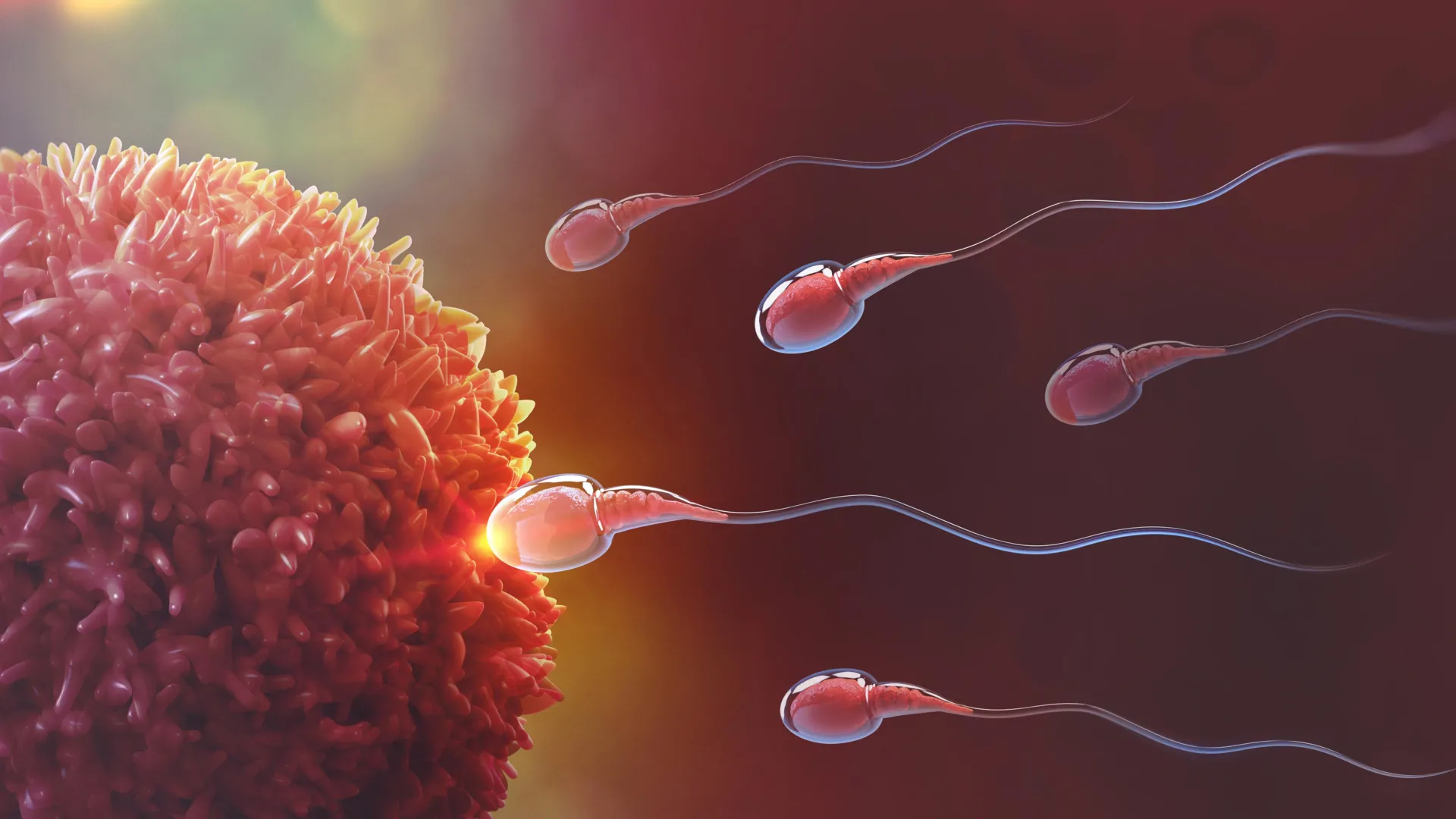
Before ejaculation, mammalian sperm are maintained in a quiescent, low-energy state within the male reproductive system. This conservation of energy is vital for the cells to survive the journey. However, upon exposure to the environment of the female reproductive tract, the sperm undergo a process known as capacitation. During this phase, the sperm’s swimming pattern changes from a steady, rhythmic beat to a powerful, asymmetrical thrashing called hyperactivation. Concurrently, the outer membrane of the sperm head—the acrosome—reorganizes to prepare for fusion with the egg.
"Sperm metabolism is special since it’s only focused on generating more energy to achieve a single goal: fertilization," explained Dr. Balbach. This "metabolic reprogramming" is not just a gradual increase in activity but a rapid shift in how the cell processes fuel. The MSU-led research team sought to identify the exact chemical pathways that facilitate this surge, focusing on how the cell utilizes glucose, the primary sugar found in reproductive fluids.
To observe this process in real-time, the researchers collaborated with experts from Memorial Sloan Kettering Cancer Center and the Van Andel Institute. They developed a sophisticated tracking method to monitor the movement of glucose molecules as they were metabolized by the sperm. Dr. Balbach used a vivid analogy to describe the technique: "You can think of this approach like painting the roof of a car bright pink and then following that car through traffic using a drone."
By using mass spectrometry and metabolomics resources at MSU, the team "painted" glucose molecules and watched them navigate the complex intersections of the cell’s metabolic pathways. They observed that in activated sperm, these "cars" moved significantly faster and followed specific routes that were largely ignored by inactive sperm. This high-resolution mapping revealed that the enzyme aldolase acts as a critical traffic controller, regulating the speed and direction of energy production.
The Role of Aldolase and Internal Energy Reserves
The discovery of aldolase’s role is a cornerstone of the study. Aldolase is a glycolytic enzyme that helps break down glucose into smaller molecules that the mitochondria and other cellular machinery can then convert into adenosine triphosphate (ATP), the universal "currency" of energy in biological systems. The research demonstrated that when sperm are activated, aldolase becomes the primary regulator of the metabolic flux.
Furthermore, the study revealed that sperm do not rely solely on external sugars absorbed from their environment. Instead, they carry internal energy reserves that they begin to consume the moment the journey toward the egg begins. The ability to switch between these internal stores and external glucose sources is what allows sperm to maintain high-velocity movement even in the varying nutrient environments of the female tract.
This metabolic flexibility is essential because the female reproductive tract is not a uniform environment. From the cervix to the fallopian tubes, the levels of glucose, fructose, and oxygen fluctuate. The MSU research suggests that sperm are pre-programmed to adapt their metabolic "engine" to these changing conditions, with aldolase serving as the throttle.
A New Era for Male Contraception
One of the most profound implications of this research is its potential to revolutionize the field of contraception. For decades, the burden of birth control has fallen disproportionately on women, largely because the biological mechanisms of the female reproductive system have been more extensively studied and are more easily manipulated via hormones.
Current efforts to develop male contraceptives have historically focused on suppressing sperm production (spermatogenesis) through hormonal intervention, typically using testosterone or progestins. However, these methods come with significant drawbacks, including a long lead time before they become effective (often months), potential side effects like mood changes or weight gain, and the fact that they do not provide "on-demand" protection.
The work of Dr. Balbach and her colleagues suggests a different approach: targeting sperm function rather than production. By inhibiting the metabolic switch—specifically the aldolase enzyme or related regulators—scientists could potentially create a medication that renders sperm unable to achieve the high-energy state required for fertilization.
"One option is to explore if one of our ‘traffic-control’ enzymes could be safely targeted as a nonhormonal male or female contraceptive," Balbach stated. Because such a drug would target a specific metabolic pathway unique to the final stages of sperm activation, it could theoretically be taken shortly before intercourse and would not interfere with the body’s natural hormone levels. This would offer men a level of agency in reproductive health that has been missing since the invention of the condom.
Addressing the Global Challenge of Infertility
While the potential for contraception is a major focus, the study also provides critical insights into the "why" behind many cases of male-factor infertility. Global health statistics from the World Health Organization (WHO) indicate that infertility affects approximately one in six people worldwide. In nearly half of those cases, the issue lies with the male partner, often manifesting as "low motility"—sperm that cannot swim effectively.
By identifying the metabolic pathways required for hyperactivation, clinicians may soon be able to develop better diagnostic tools. Currently, semen analysis often looks at the number and shape of sperm, but it rarely looks at the "fuel efficiency" or the metabolic health of the cells.
"Better understanding the metabolism of glucose during sperm activation was an important first step," Balbach noted. "Now we’re aiming to understand how our findings translate to other species, like human sperm." If a patient’s sperm are found to have a "broken switch" at the aldolase level, specific treatments or media used in assisted reproductive technologies (ART), such as In Vitro Fertilization (IVF), could be optimized to provide the necessary metabolic boost, increasing the chances of successful conception.
Chronology of Discovery and Institutional Collaboration
The identification of this molecular switch is the culmination of years of research. Before joining Michigan State University in 2023, Dr. Balbach conducted pioneering work at Weill Cornell Medicine. There, she was part of a team that demonstrated that blocking a different enzyme, soluble adenylyl cyclase (sAC), could cause temporary infertility in mice. That earlier discovery proved that sperm function could be "turned off" without affecting the rest of the body.
Upon moving her lab to MSU, Balbach expanded this research by looking deeper into the metabolic requirements that sAC and other regulators control. The integration of MSU’s advanced Mass Spectrometry and Metabolomics Core allowed for a level of chemical mapping that was previously impossible. This multidisciplinary approach—combining reproductive biology, advanced chemistry, and high-tech imaging—was essential for uncovering the role of aldolase.
The study was supported by the National Institute of Child Health and Human Development (NICHD), a branch of the National Institutes of Health (NIH). This federal support underscores the high priority placed on finding new solutions for reproductive health, particularly as birth rates decline in some regions while unplanned pregnancy rates remain stubbornly high elsewhere.
Broader Implications and Future Research
The impact of this research extends beyond the immediate fields of fertility and birth control. The study of metabolic reprogramming is a hot topic in wider medical science. For example, cancer cells are known to undergo a similar rapid metabolic shift—known as the Warburg Effect—to fuel their rapid growth and division. Understanding how a healthy cell like a sperm can so efficiently "flip a switch" to increase energy production could provide valuable clues for oncologists looking to "flip the switch back" in malignant cells.
Dr. Balbach’s future research will investigate how sperm utilize different fuel sources, such as fructose, which is found in high concentrations in seminal fluid. By understanding the full "menu" of fuels that sperm can use, researchers can better understand how different diets, lifestyles, or environmental toxins might affect male fertility.
Furthermore, the team is looking toward the social impact of their work. With approximately 50% of pregnancies worldwide being unplanned, the development of a nonhormonal male contraceptive would be a landmark achievement in public health. It would provide an alternative for couples where the female partner cannot use hormonal birth control due to medical reasons, such as a history of blood clots or breast cancer.
"I’m excited to see what else we can find and how we can apply these discoveries," Balbach said. The transition from a fundamental biological discovery in a lab to a clinical application in a pharmacy or fertility clinic is a long process, but the identification of the aldolase switch marks the beginning of a new chapter in reproductive medicine. By mastering the "traffic control" of sperm energy, researchers are moving closer to a future where both fertility and contraception are more precise, more effective, and more equitable.