The global economy remains inextricably linked to the diesel engine, a workhorse of modern industry that powers everything from transcontinental freight and maritime shipping to agricultural machinery and emergency power generators. Valued for its high torque, durability, and superior fuel economy compared to gasoline counterparts, the diesel engine is nonetheless under increasing scrutiny due to its environmental footprint. However, a comprehensive review conducted by researchers at the Federal University of Technology Owerri (FUTO) in Nigeria suggests that the solution to diesel’s pollution problem may not require a total abandonment of the technology, but rather a sophisticated modification of the fuel itself.
By analyzing decades of international research, the FUTO team has identified Water-in-Diesel Emulsion (WiDE) technology as a transformative approach. This method involves the suspension of microscopic water droplets within conventional diesel fuel, a process that significantly alters the combustion cycle. The findings, recently published and presented to the scientific community, indicate that this relatively low-cost intervention can reduce nitrogen oxide (NOx) emissions by up to 67% and particulate matter (PM) by as much as 68%, all while maintaining or even enhancing the mechanical efficiency of the engine.
The Environmental and Public Health Imperative
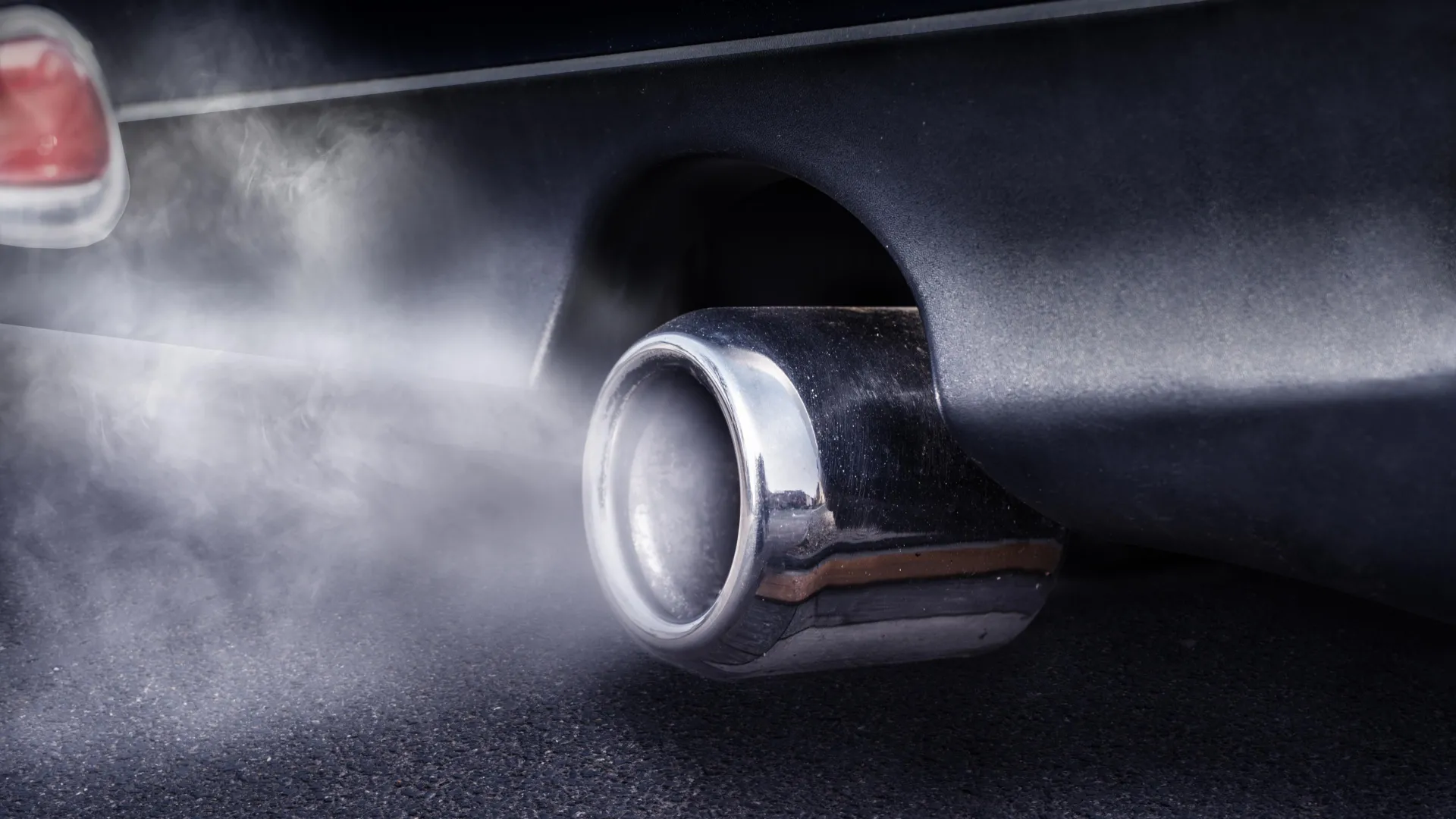
The push for cleaner diesel technology is driven by the severe health and environmental consequences associated with diesel exhaust. Unlike gasoline engines, diesel engines operate at higher pressures and temperatures, which facilitates the reaction between nitrogen and oxygen in the air, creating nitrogen oxides. These gases are primary precursors to ground-level ozone and smog, which are known to exacerbate respiratory conditions such as asthma, bronchitis, and chronic obstructive pulmonary disease (COPD).
Furthermore, diesel combustion releases particulate matter—microscopic carbon-based particles often coated with toxic compounds. These particles are small enough to penetrate deep into the lungs and enter the bloodstream, with long-term exposure linked to cardiovascular disease and lung cancer. The World Health Organization (WHO) has classified diesel engine exhaust as carcinogenic to humans, placing it in the same risk category as asbestos and tobacco smoke.
While modern vehicles in developed markets utilize Selective Catalytic Reduction (SCR) systems and Diesel Particulate Filters (DPF), these technologies are expensive, require regular maintenance, and are often absent in the aging fleets that dominate the transport sectors of developing nations. This disparity makes the FUTO research particularly relevant, as it offers a "drop-in" chemical solution that does not necessitate the wholesale replacement of existing infrastructure.
The Science of Micro-Explosions: How WiDE Works
To the layperson, adding water to fuel sounds like a recipe for mechanical failure. In a standard engine, liquid water can cause corrosion, promote microbial growth, and damage high-pressure fuel injectors. The breakthrough of WiDE technology lies in the use of surfactants—chemical agents that act as emulsifiers.
Surfactants possess a dual nature: one end of the molecule is attracted to water (hydrophilic), while the other is attracted to oil (lipophilic). When processed correctly, these chemicals allow water and diesel to form a stable, homogeneous mixture where tiny water droplets are encapsulated by diesel fuel. According to the FUTO review, these emulsions can remain stable for up to 60 days, making them viable for commercial storage and distribution.
The magic of WiDE happens during the injection phase. When the emulsion is sprayed into the combustion chamber, the intense heat causes the trapped water droplets to reach their boiling point much faster than the surrounding diesel. This leads to a phenomenon known as "micro-explosions." As the water turns to steam, it expands rapidly, shattering the surrounding diesel into much finer droplets. This secondary atomization creates a larger surface area for the fuel, allowing it to mix more thoroughly with the air.
This improved mixing results in more complete combustion, which naturally reduces the formation of soot and particulate matter. Simultaneously, the evaporation of the water absorbs a portion of the heat during the combustion process. By lowering the peak flame temperature, the engine inhibits the thermal mechanism responsible for producing nitrogen oxides, effectively solving two of diesel’s biggest pollution challenges at once.
Chronology and Evolution of Emulsified Fuels
The concept of mixing water with fuel is not entirely new, but its viability has evolved alongside advances in chemical engineering.
- Early Experiments (1970s-1980s): During the global oil crises, researchers explored various fuel extenders. Early attempts at water-diesel mixtures often failed due to "phase separation," where the water would settle at the bottom of tanks, causing engine damage.
- Regulatory Shifts (1990s-2000s): As the Euro standards and US EPA regulations tightened, interest in WiDE resurfaced. However, the cost of high-quality surfactants remained a barrier to mass adoption.
- The Nanotechnology Era (2010s-Present): Recent advancements have allowed for "nano-emulsions," where water droplets are measured in nanometers. These mixtures are significantly more stable and provide more consistent micro-explosions.
- The FUTO Review (2023-2024): The Nigerian research team consolidated data from diverse global climates and engine types, proving that WiDE is no longer just a laboratory curiosity but a scalable industrial tool.
Supporting Data: Efficiency and Emission Metrics
The data compiled by Dr. Chukwuemeka Fortunatus Nnadozie and his team provides a compelling case for the technology’s adoption. Across the various studies reviewed, several key performance indicators (KPIs) showed marked improvement:
- Nitrogen Oxide (NOx) Reduction: Reductions ranged from 30% to 67%, depending on the water content (typically 5% to 15% by volume).
- Particulate Matter (PM) Reduction: Reductions were consistently high, peaking at 68% as the improved atomization prevented the formation of carbon "cenospheres."
- Brake Thermal Efficiency (BTE): Contrary to the assumption that water would "weaken" the fuel, many tests showed a 2% to 5% increase in BTE. This is attributed to the more efficient oxygen utilization and the work done by the expanding steam.
- Specific Fuel Consumption: While the volume of liquid injected increases, the actual mass of diesel burned per kilowatt-hour of energy produced often decreases due to the enhanced combustion efficiency.
Perspectives from the Research Team and Industry Analysts
"Water-in-diesel emulsions are a practical and cost-effective way to make diesel engines cleaner," stated lead author Dr. Chukwuemeka Fortunatus Nnadozie. "Because the technology does not require redesigning the engine, it offers an immediate path toward lower emissions in developing and developed countries alike."
Professor Emeka Emmanuel Oguzie, a co-author of the study, emphasized the strategic importance of the technology for emerging economies. "This technology can bridge the gap between conventional diesel use and a cleaner energy future. In regions where the transition to electric vehicles (EVs) may take decades due to grid limitations, WiDE provides a way to protect public health today."
Industry analysts suggest that the logistics and chemical sectors could see a new market emerge for "pre-emulsified" fuels or additive packages. "The challenge has always been the supply chain," says Marcus Thorne, a London-based energy consultant not involved in the study. "If fuel distributors can guarantee the stability of the emulsion, fleet operators—particularly in shipping and heavy haulage—would have a massive incentive to switch, given the potential for both emission compliance and fuel savings."
Implementation Challenges and Future Outlook
Despite the overwhelming benefits, the FUTO researchers acknowledge that WiDE is not without hurdles. The primary concern remains the long-term impact on engine components. While the water is vaporized, there are lingering questions about potential "cold corrosion" or the impact on fuel pumps over hundreds of thousands of miles.
The cost of surfactants also remains a factor. For WiDE to be economically superior to standard diesel, the cost of the surfactant must be offset by the volume of water used (which is essentially free) and the efficiency gains. Furthermore, the technology requires standardized "recipes" to ensure that an emulsion created in one region performs identically to one created elsewhere.
Future research is expected to focus on "bio-surfactants"—emulsifiers derived from plant oils—which would further reduce the carbon footprint of the fuel. Additionally, the FUTO team is looking into the synergy between WiDE and biodiesel, suggesting that a triple-blend of water, diesel, and plant-based fuel could represent the cleanest possible iteration of the internal combustion engine.
Conclusion: A Pragmatic Step Toward Sustainability
As the world grapples with the dual challenges of climate change and air quality, the research from the Federal University of Technology Owerri serves as a reminder that innovation does not always require reinventing the wheel. Sometimes, it requires reimagining the fuel that turns it.
Water-in-Diesel Emulsion technology represents a rare "win-win" in the energy sector: a solution that reduces harmful pollutants, improves engine efficiency, and utilizes existing mechanical infrastructure. For industries that continue to depend on the rugged reliability of diesel power, a simple, scientifically calibrated blend of water and fuel may offer the most effective path toward a breathable, sustainable future. By turning a traditional engine "enemy"—water—into a combustion ally, researchers have opened a new chapter in the history of industrial power.