A multidisciplinary research team led by Yale University has successfully mapped the molecular architecture of a naturally occurring biological mechanism in mammals that prevents sperm cells from successfully binding with an egg, a breakthrough that fundamentally alters the scientific understanding of fertilization. The study, published in the journal Proceedings of the National Academy of Sciences (PNAS), details the specific structural interactions between reproductive proteins and a unique antibody, offering a dual-purpose roadmap for the future of reproductive medicine. By understanding how fertilization is naturally inhibited, researchers believe they can now develop targeted treatments for "unexplained" infertility while simultaneously engineering a new generation of non-hormonal male contraceptives.
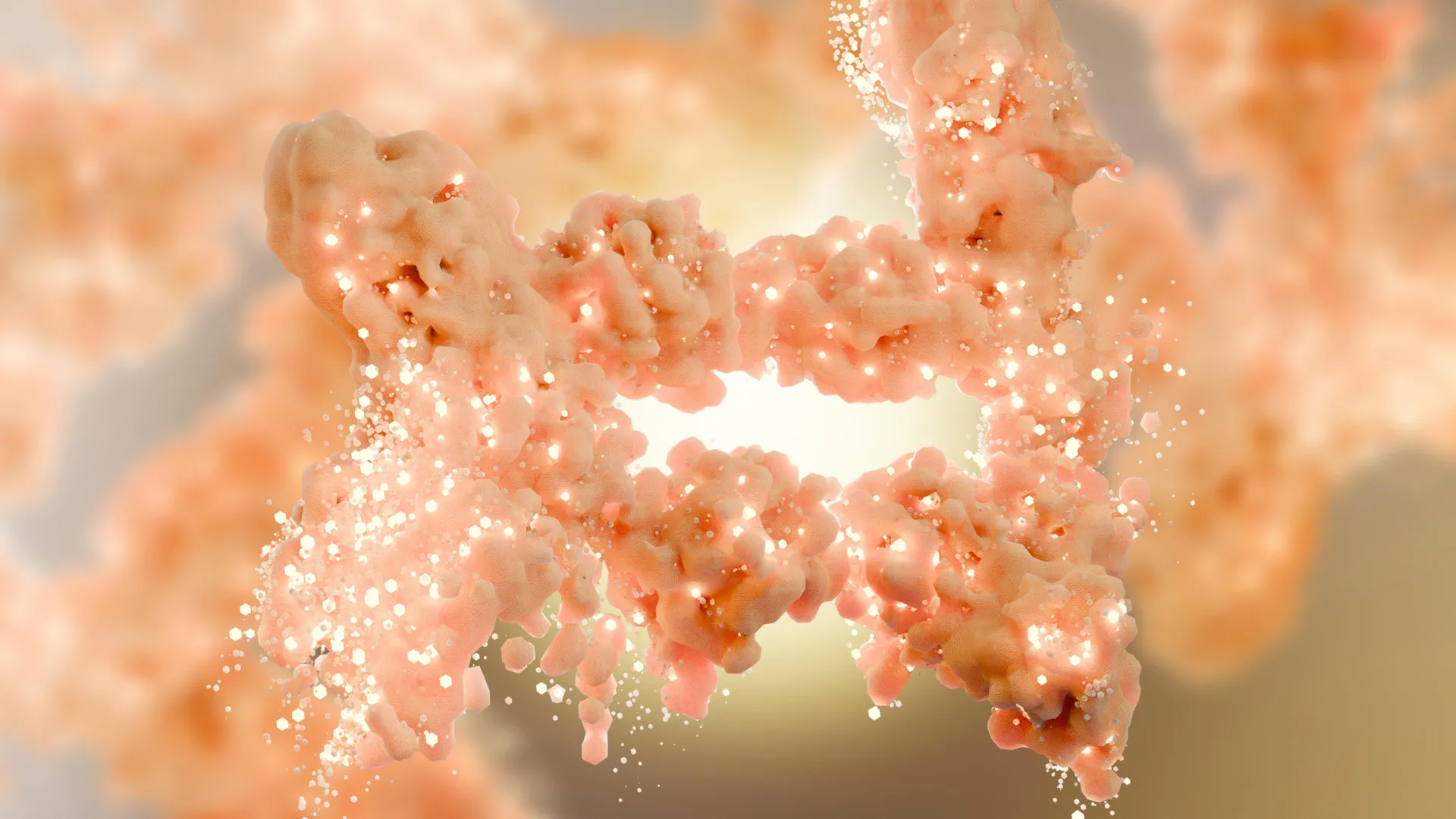
The research focuses on a delicate biological "lock and key" mechanism that must occur for life to begin. At the center of this process are two proteins: IZUMO1, located on the surface of the sperm cell, and JUNO, a receptor found on the egg’s plasma membrane. Under normal circumstances, these two proteins must recognize each other, adhere, and fuse to allow the sperm to enter the egg. However, the Yale-led team has identified how an antibody known as OBF13 disrupts this handshake, effectively locking the sperm out of the egg. This discovery provides the first high-resolution look at an anti-sperm antibody-antigen complex, a milestone in the field of molecular biophysics.
The Molecular Dance of Fertilization: IZUMO1 and JUNO
To appreciate the significance of the Yale discovery, one must understand the specific roles of IZUMO1 and JUNO. Named after a Japanese shrine dedicated to marriage (Izumo Taisha) and the Roman goddess of fertility and marriage (Juno), these proteins are the essential mediators of mammalian conception. When a sperm cell approaches an egg, the IZUMO1 protein must dock precisely with the JUNO receptor. This interaction is not merely a physical touch; it is a complex biochemical signaling event that triggers the fusion of the two cell membranes.
For decades, the exact structural dynamics of this interaction remained elusive. It was only in 2005 that IZUMO1 was identified by researchers in Japan, and its counterpart, JUNO, was not discovered until 2014. The Yale study builds upon this foundation by demonstrating how external factors can interfere with this specific site. Steven Tang, an assistant professor of molecular biophysics and biochemistry in Yale’s Faculty of Arts and Sciences and the study’s corresponding author, emphasized that the findings have "direct implications for infertility and contraception research, especially immuno-infertility and immuno-contraception."
A Forty-Year Mystery: The Discovery of OBF13
The antibody at the heart of this research, OBF13, is not a new discovery in itself, but its mechanism of action has been a "black box" for the scientific community for four decades. First identified 40 years ago at Osaka University in Japan, OBF13 was known to be a naturally occurring antibody that could recognize IZUMO1 and prevent fertilization in rodent models. Despite its known inhibitory effects, scientists did not understand how the antibody physically blocked the protein interaction.
Using advanced X-ray crystallography, the Yale and Osaka University researchers analyzed the crystal structure of IZUMO1 as it interacted with OBF13. They discovered that OBF13 does not simply "cover" the protein; it attaches itself in a way that reconfigures the entire docking surface of the sperm cell. This reconfiguration prevents the sperm from making the necessary contact with the JUNO receptor on the egg. Furthermore, the team identified a "high-affinity" variant of OBF13—a version of the antibody that bonds even more tightly to the sperm—which acts as a potent and near-absolute block to fertilization.
Methodological Breakthroughs: Synchrotron Radiation and Structural Analysis
The level of detail achieved in this study was made possible through the use of high-intensity X-ray beams at the SLAC National Accelerator Laboratory in California. Supported by the U.S. Department of Energy, the SLAC facility allows researchers to map the three-dimensional shapes of proteins at an atomic level. By freezing the proteins in a crystalline state and bombarding them with X-rays, the team could visualize the exact amino acid sequences where the antibody OBF13 binds to the IZUMO1 protein.
This structural analysis also led to the identification of critical amino acid sites on the JUNO receptor. The researchers found that certain sites on JUNO are essential for binding with IZUMO1 even when OBF13 is present. This suggests that if these sites can be accessed or bolstered, it may be possible to overcome antibody-induced infertility. Conversely, by mimicking the binding action of OBF13 with small-molecule drugs, scientists could create a contraceptive that prevents fertilization without the need for hormonal intervention.
A Timeline of Reproductive Discovery
The journey to this discovery reflects a long-term international effort to decode the mysteries of human and mammalian reproduction:
- 1984: Researchers at Osaka University identify the OBF13 antibody and note its ability to inhibit fertilization in mice, though the molecular target remains unknown.
- 2005: The protein IZUMO1 is identified as a crucial factor on the sperm surface required for fusion with the egg.
- 2014: The receptor JUNO is discovered on the egg surface, completing the understanding of the "lock and key" pair.
- 2020–2023: The Yale-led team initiates high-resolution structural studies using X-ray crystallography to observe the interference patterns caused by OBF13.
- 2024: The team publishes their findings in PNAS, revealing the first-ever structure of an anti-sperm antibody-antigen complex.
Statistical Context: The Crisis of Infertility and the Need for Innovation
The implications of this research are underscored by the current landscape of reproductive health in the United States and globally. According to data from the Centers for Disease Control and Prevention (CDC) and the National Institutes of Health (NIH), approximately 9% of men and 11% of women of reproductive age in the U.S. experience fertility problems. A significant portion of these cases is classified as "unexplained infertility," where standard diagnostic tests fail to identify a cause.
Immuno-infertility—a condition where the body’s own immune system produces antibodies that attack sperm or eggs—is believed to be a major contributor to these unexplained cases. By providing a high-resolution map of how these antibodies function, the Yale study offers a diagnostic framework. Doctors may eventually be able to screen patients for OBF13-like antibodies and develop treatments that prevent these antibodies from interfering with the IZUMO1-JUNO bond.
On the other side of the spectrum, the global demand for better contraception remains high. While hormonal birth control has been the standard for decades, it often comes with significant side effects, including mood changes, weight gain, and increased risk of blood clots. There is a growing push for non-hormonal alternatives, particularly for men. The Male Contraception Initiative, which helped fund this study through the David Sokal Innovation Award, views the IZUMO1-JUNO pathway as one of the most promising targets for a "male pill" that would be both effective and reversible.
Analysis of Broader Implications: From Bench to Bedside
The discovery of the OBF13-IZUMO1 complex structure represents a shift toward precision medicine in reproductive health. Steven Tang noted that the high-resolution information provided by the study will "open avenues for discovering IZUMO1 regulators" and "guide antibody and small-molecule inhibitor design."
In the realm of drug development, this means that researchers can now use computer-aided design to create molecules that fit perfectly into the "pockets" of the IZUMO1 protein, mimicking the blocking effect of the OBF13 antibody. Because this mechanism is specific to the interaction between sperm and egg, such a drug would theoretically have no impact on other bodily systems, drastically reducing the likelihood of side effects compared to traditional hormonal therapies.
For infertility treatment, the identification of the amino acid sites on JUNO that remain "bindable" despite antibody interference is equally revolutionary. It suggests a path toward "immuno-bypass" therapies. If clinicians can identify the specific antibodies present in an infertile patient, they may be able to use targeted proteins to shield the sperm or egg, allowing the natural fertilization process to proceed.
Global Collaboration and Institutional Support
The success of this study is a testament to international scientific cooperation. While led by Yale’s Steven Tang, the research featured critical contributions from first author Yonggang Lu and co-author Masahito Ikawa, both of Osaka University. This partnership bridged the gap between the original discovery of OBF13 in Japan and the advanced structural analysis capabilities available at Yale and SLAC.
The work was supported by a diverse array of funding bodies, highlighting its perceived importance across multiple sectors. Contributors included the National Institutes of Health (NIH), the Japan Society for the Promotion of Science, and the Japan Agency for Medical Research and Development. Private sector support came from the Takeda Science Foundation and the Male Contraception Initiative.
Conclusion: Shaping the Future of Reproductive Health
The Yale-led study provides a masterclass in how basic molecular research can have profound real-world applications. By deconstructing the 40-year-old mystery of the OBF13 antibody, the research team has not only solved a biological puzzle but has also laid the groundwork for two seemingly opposite medical goals: helping those who cannot conceive and providing new options for those who wish to prevent conception.
As the scientific community moves forward, the focus will shift to drug screening and clinical trials. The high-resolution map of the IZUMO1-JUNO-OBF13 complex serves as the essential blueprint for this next phase. Whether it leads to a breakthrough in treating "unexplained" infertility or the first successful non-hormonal male contraceptive, the discovery marks a turning point in the study of human life at its most fundamental level.