In a landmark study that bridges the gap between fundamental chemistry and clinical neurology, a research team at Oregon State University has successfully captured the real-time progression of protein aggregation associated with Alzheimer’s disease. Led by Marilyn Rampersad Mackiewicz, an associate professor of chemistry at the OSU College of Science, the investigation utilized a specialized measurement technique to observe how specific metal ions, particularly copper, catalyze the formation of harmful protein clusters in the brain. The study, published in the peer-reviewed journal ACS Omega, provides a unprecedented "second-by-second" look at the chemical interactions that drive cognitive decline, potentially offering a new roadmap for the development of targeted pharmaceutical interventions.
The Molecular Landscape of Alzheimer’s Disease
Alzheimer’s disease remains the primary cause of dementia worldwide, characterized by a progressive loss of memory, orientation, and executive function. According to data from the Centers for Disease Control and Prevention (CDC), the disease is the sixth-leading cause of death among American adults aged 65 and older, affecting an estimated 6.7 million people in the United States alone. By 2050, this number is projected to nearly double unless significant therapeutic breakthroughs are achieved.
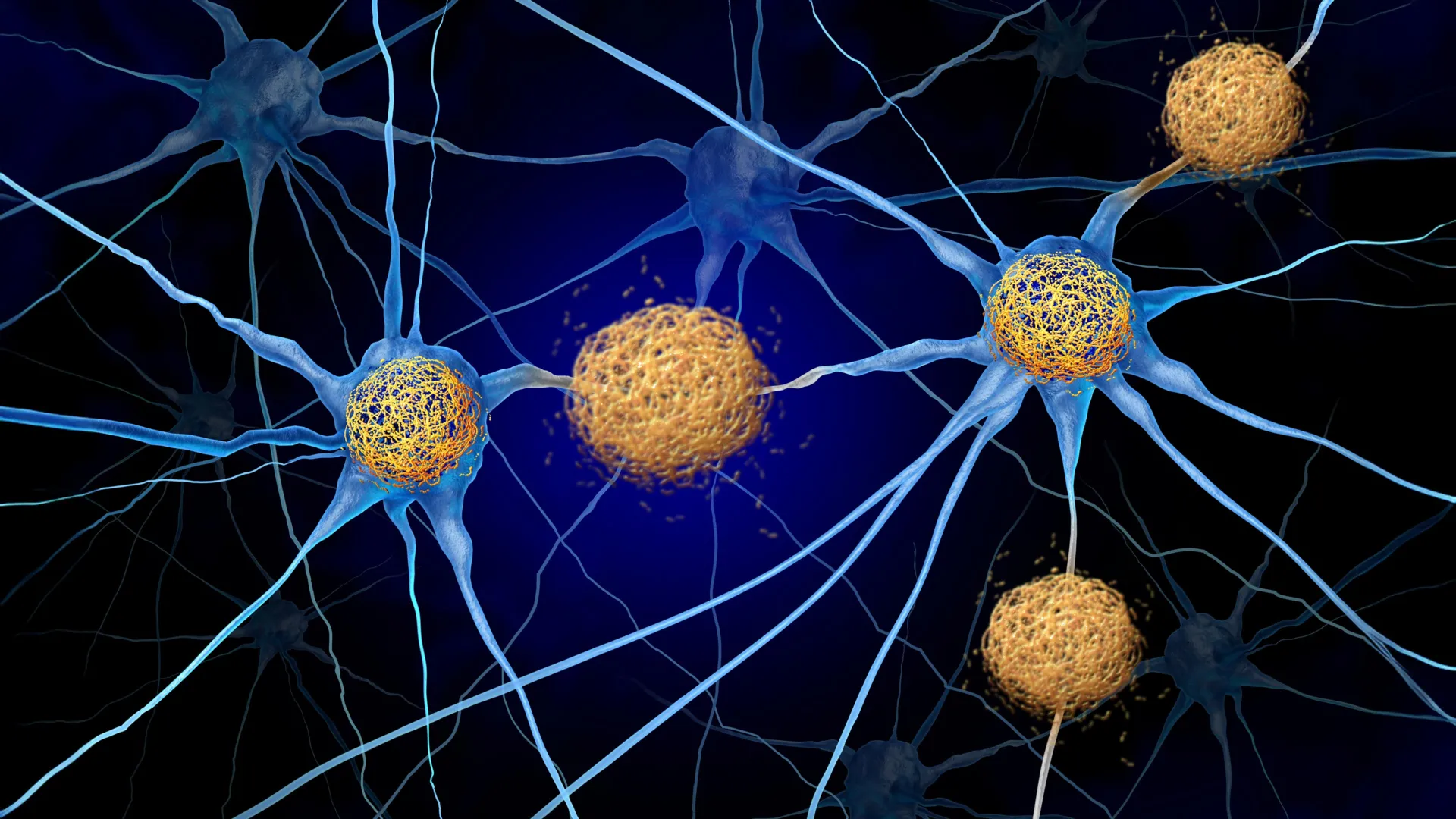
At the heart of the disease’s pathology lies the "amyloid hypothesis." This theory posits that the accumulation of amyloid-beta (Aβ) proteins—specifically the 42-amino acid variant—leads to the formation of senile plaques. These plaques act as physical and chemical barriers, disrupting the synaptic communication between neurons. When these communication pathways are blocked, the brain’s ability to process and store information withers, leading to the characteristic symptoms of the disease.
While the presence of these plaques has been known for decades, the precise mechanism of their formation has remained elusive. Traditional laboratory techniques often involve "endpoint analysis," where researchers examine the protein structures after they have already clumped together. This provides a snapshot of the damage but offers little insight into the kinetic process—the "how" and "when"—of the aggregation.
The Role of Metal Dyshomeostasis in Neurodegeneration
The Oregon State University study focuses on the critical role of metal ions in the brain. Under healthy conditions, metals such as copper, zinc, and iron are essential for neurological function, aiding in everything from neurotransmitter synthesis to cellular respiration. However, as the brain ages or encounters pathological triggers, the regulation of these metals can fail—a state known as dyshomeostasis.
"Too many of some metal ions, like copper, can interact with amyloid-beta proteins in ways that lead to protein aggregation," explained Dr. Mackiewicz. "But most experiments have only shown the end result, not the interactions and aggregation process itself."
Copper, in particular, is highly reactive. When it binds to amyloid-beta proteins, it not only accelerates the clumping process but also facilitates the production of reactive oxygen species (ROS). These volatile molecules cause oxidative stress, damaging neuronal membranes and further exacerbating the neurodegenerative cycle. The OSU team’s ability to observe these copper-protein interactions in real-time marks a significant shift in how scientists can study the early stages of Alzheimer’s.
Real-Time Methodology: Watching Chemistry in Motion
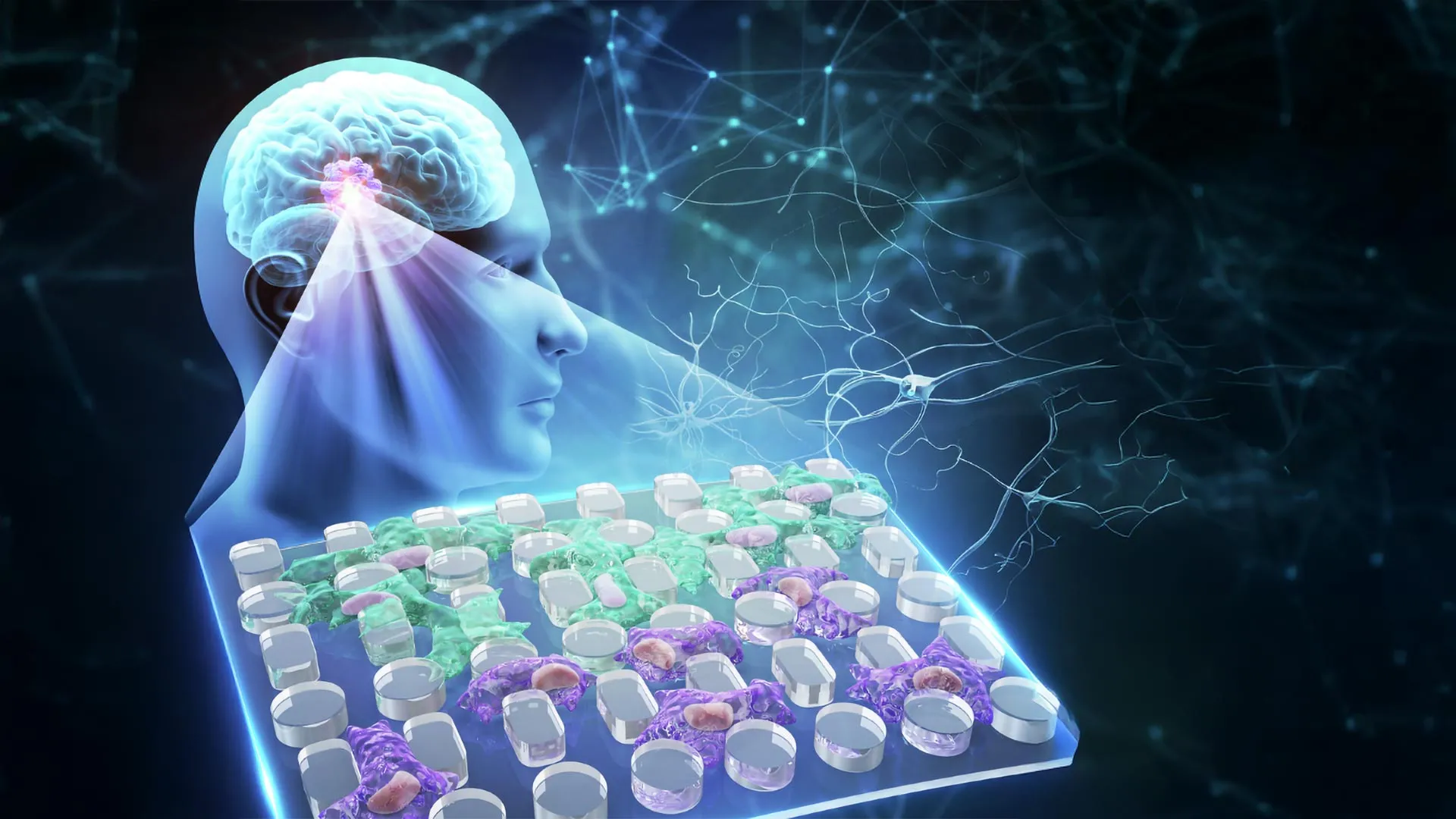
The breakthrough was made possible by a specialized measurement technique—likely utilizing surface plasmon resonance (SPR) or a similar optical biosensing platform—that allows for the quantification of molecular interactions as they occur. By coating a sensor surface with amyloid-beta proteins and introducing metal ions and potential drug candidates, the team could measure the change in mass and binding affinity with extreme precision.
This method shifts the experimental focus from static observation to dynamic analysis. "We developed a method that lets us observe those interactions live, second by second, and directly measure how different molecules interrupt or reverse them," Mackiewicz said. "It shifts the question from ‘does something work?’ to ‘how does it work, and when?’"
This temporal resolution is vital because the formation of amyloid-beta aggregates is not a single-step event. It involves the transition from monomers (single proteins) to oligomers (small groups) and finally to large, insoluble fibrils. Evidence suggests that the smaller oligomers may actually be more toxic to brain cells than the large plaques themselves. By watching the process in real-time, the OSU researchers can identify the exact moment when a benign protein becomes a pathological aggregate.
The Potential of Targeted Chelation Therapy
A significant portion of the study was dedicated to testing "chelators"—molecules designed to bind to metal ions and remove them from a biological system. The term "chelator" is derived from the Greek word chele, meaning "claw," reflecting the molecule’s ability to "grab" and hold onto metal atoms.
The team compared two different types of chelators:
- Non-Selective Chelators: These molecules were effective at capturing metal ions but lacked specificity. They bound to various metals indiscriminately, which in a clinical setting could lead to dangerous side effects by removing essential minerals from the body.
- Selective Chelators: The second category showed a high affinity specifically for copper ions. The study revealed that these selective chelators were not only able to prevent the clumping of amyloid-beta proteins but, in some instances, could actually "unform" or reverse the aggregation process.
The discovery that protein clumping might be reversible is particularly groundbreaking. Most current Alzheimer’s treatments, such as monoclonal antibodies like lecanemab, focus on clearing existing plaques from the brain. However, if small-molecule chelators can prevent the formation of these plaques or dismantle them at the molecular level before they become insoluble, it could lead to more effective and less invasive treatments.
Chronology and Collaborative Research Efforts
The project was not merely a feat of professional chemistry but also a testament to the power of undergraduate research. The timeline of the study highlights a multi-year effort supported by institutional and philanthropic funding.
- Phase 1: Methodology Development: Dr. Mackiewicz and her team spent several years refining the real-time measurement technique to ensure it could handle the delicate kinetics of protein folding.
- Phase 2: Experimental Testing: Supported by the SURE Science Program (Summer Undergraduate Research Experience) at OSU, a group of dedicated students began testing the interactions between Aβ42 and copper ions.
- Phase 3: Chelator Analysis: The team expanded their scope to include researchers from Portland State University, testing various chemical compounds to see which could most effectively interrupt the protein-metal bond.
- Phase 4: Publication and Peer Review: The findings were compiled and published in ACS Omega, detailing the success of the selective chelation approach.
The student researchers involved—Alyssa Schroeder (OSU) and Eleanor Adams, Dane Frost, Erica Lopez, and Jennie Giacomini (Portland State University)—played pivotal roles in data collection and analysis. Their work was made possible by donors Julie and William Reiersgaard, highlighting the role of private philanthropy in advancing high-stakes medical research.
Broader Implications and Future Directions
The implications of this research extend far beyond the laboratory. By providing a "roadmap" for how proteins aggregate, the OSU team has given pharmaceutical researchers a new set of criteria for drug design.
"Many potential Alzheimer’s treatments fail due to an incomplete understanding of how amyloid-beta protein aggregation occurs," Mackiewicz noted. Indeed, the history of Alzheimer’s drug development is littered with failed clinical trials—over 99% of drugs tested in the last two decades have failed to reach the market or provide significant clinical benefit. Often, these drugs failed because they were administered too late or targeted the wrong stage of the protein clumping process.
With the OSU team’s real-time data, researchers can now:
- Identify the optimal window for therapeutic intervention.
- Design molecules that target specific metal-protein interfaces.
- Minimize "off-target" effects by using selective chelators that do not interfere with other essential biological processes.
However, the path to a cure remains long. Dr. Mackiewicz emphasized that while these results are promising, clinical treatments based on this work are likely years away. The next phase of the research will involve moving from a controlled laboratory environment into more complex systems. This includes testing the chelators in cellular models to ensure they can cross the blood-brain barrier—a common hurdle in neurology—and eventually moving into preclinical animal models.
A New Beacon of Hope
The OSU study arrives at a time of cautious optimism in the field of Alzheimer’s research. Recent FDA approvals of anti-amyloid therapies have proven that clearing protein clusters can slow cognitive decline, but these treatments are often expensive and carry risks of brain swelling and hemorrhage. The prospect of using targeted chemical chelators offers a potential alternative or a complementary therapy that could be more precise and easier to administer.
For the millions of families affected by Alzheimer’s, the work of Dr. Mackiewicz and her team represents a tangible shift toward a more sophisticated understanding of the disease. By stripping away the mystery of how protein plaques form and demonstrating that the process can be interrupted or even reversed in a test tube, the researchers have opened a new door in the quest to preserve human memory and dignity.
"Alzheimer’s affects millions of families and while clinical treatments based on this work remain years away, discoveries like this can offer genuine hope," Mackiewicz concluded. "With the correct targeting, some of the brain damage might be reversible."