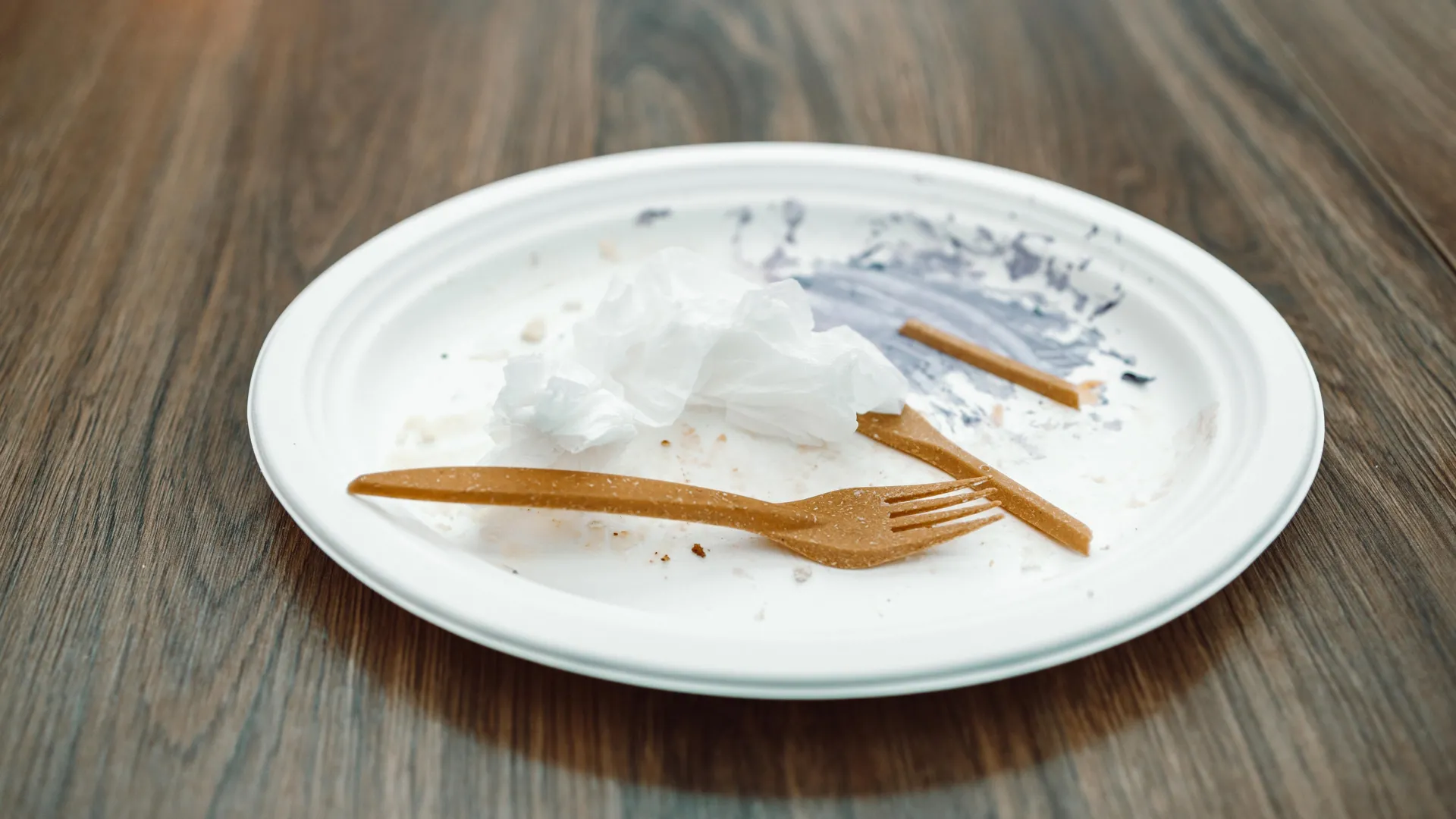
The global plastic crisis has reached a critical juncture, with production levels exceeding 400 million tonnes annually and a significant portion of that material ending up in landfills or oceans. While the durability of plastic was once considered its greatest asset, that same longevity has become a primary environmental threat. In a breakthrough that could redefine the lifecycle of disposable materials, researchers have developed "living plastics"—polymers embedded with dormant bacterial spores that can be triggered to consume the material from the inside out. This study, published in the journal ACS Applied Polymer Materials, details a method to achieve complete decomposition within six days, notably bypassing the creation of harmful microplastics.
The research, led by corresponding author Zhuojun Dai alongside colleagues Jin Geng and Dianpeng Qi, addresses the fundamental disconnect between the intended use of plastic and its environmental persistence. Many plastic items, particularly in the packaging and medical sectors, are utilized for mere minutes but are chemically structured to endure for centuries. By integrating a biological "disposal system" directly into the material’s matrix, the team has successfully transformed plastic from a passive waste product into a programmable, self-destructing material.
The Evolution of Living Materials and the Plastic Paradox
To understand the significance of this development, one must consider the historical context of polymer science. Since the mass production of Bakelite in the early 20th century, the goal of material science has been to create substances that resist environmental degradation, heat, and chemical erosion. This success created the "plastic paradox": the more we optimized plastics for durability, the more we guaranteed their status as permanent pollutants.
Traditional biodegradable plastics, such as polylactic acid (PLA), often require specific industrial composting conditions—high heat and specific microbial environments—to break down. In standard landfill or marine environments, these "green" plastics often persist nearly as long as conventional petroleum-based products. The living plastic model shifts the responsibility of degradation from the environment to the material itself.
Zhuojun Dai explains that the inspiration for the project came from the realization that traditional recycling and composting methods were insufficient to keep pace with global consumption. "The realization that traditional plastics persist for centuries, while many applications, like packaging, are short-lived, led us to ask: Could we build degradation directly into the material’s life cycle?" Dai noted. By embedding microbes, the researchers aimed to make durability a "programmable feature" rather than an immutable problem.
The Biological Mechanism: A Dual-Enzyme Strategy
The core of the innovation lies in the use of Bacillus subtilis, a common soil bacterium known for its ability to form resilient spores. These spores act as a biological "pause button," allowing the bacteria to remain dormant and survive extreme conditions, including the heat and pressure involved in plastic manufacturing.
Previous attempts at creating living plastics often relied on embedding a single type of enzyme. However, single-enzyme systems frequently resulted in incomplete degradation, leaving behind smaller fragments known as microplastics. These particles, often less than five millimeters in diameter, have become a global health concern, as they have been detected in human blood, lung tissue, and the deepest parts of the ocean.
To overcome this, the research team genetically engineered B. subtilis to produce a synchronized, two-enzyme system. The process works in a sequential hierarchy:
- Endo-type Enzymes: The first enzyme targets the long, complex polymer chains at random intervals, "snapping" the backbone of the plastic and reducing the material to shorter, more manageable fragments.
- Exo-type Enzymes: The second enzyme then targets the ends of these shorter fragments, systematically breaking them down into their individual monomer building blocks.
This "pincer" approach ensures that the plastic does not merely crumble into smaller pieces of plastic, but is chemically reverted to its original molecular state. In the study, this resulted in the total disappearance of the polymer structure, leaving no detectable microplastic residue.
Experimental Chronology and Material Performance
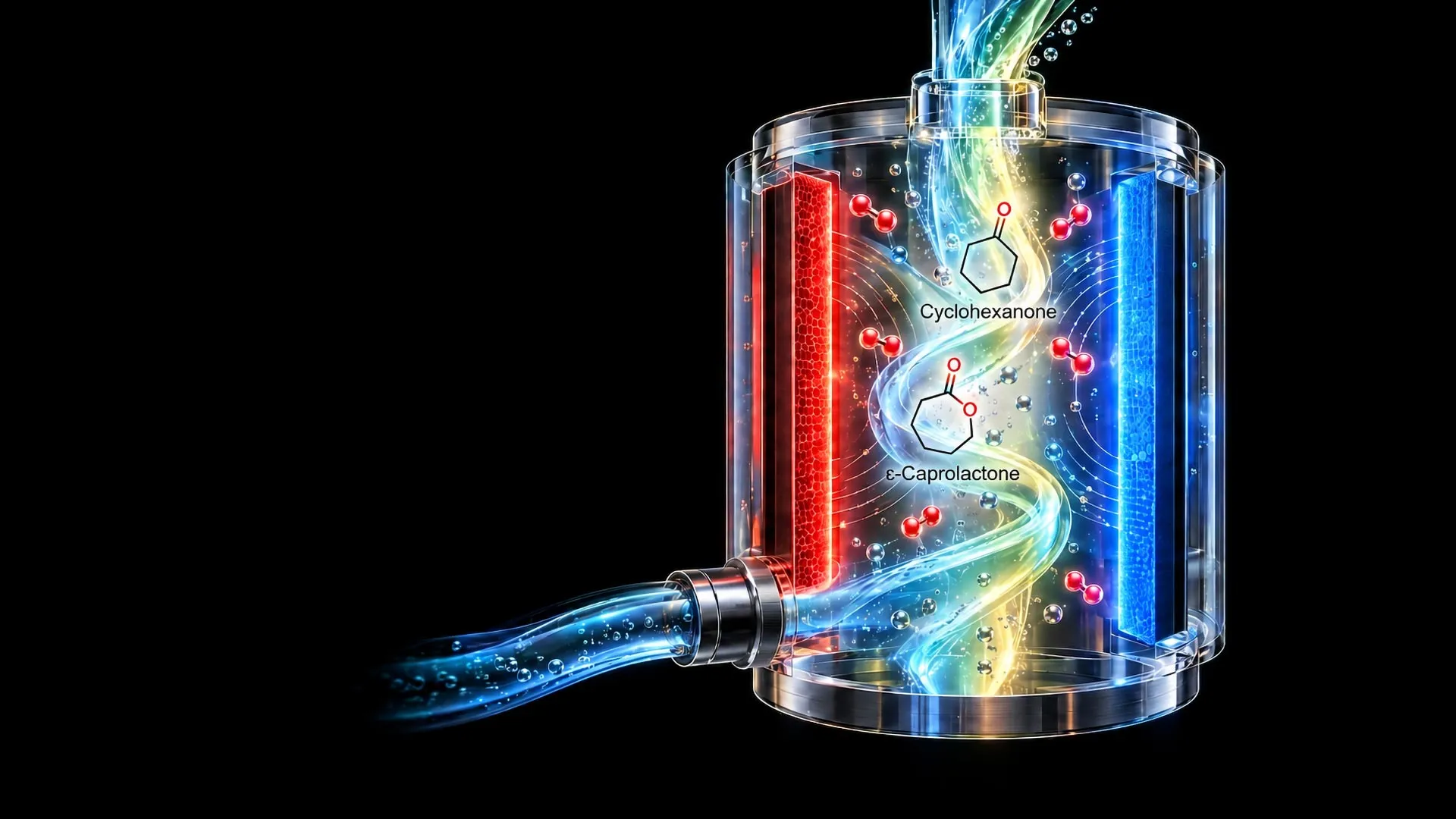
The development of the living plastic followed a rigorous timeline of engineering and testing. The researchers selected polycaprolactone (PCL) as the host polymer. PCL is a biodegradable polyester widely used in 3D printing, rapid prototyping, and specialized medical applications such as surgical sutures.
Phase 1: Integration and Stabilization
The team mixed the dormant B. subtilis spores into the PCL resin. A critical concern was whether the inclusion of biological matter would compromise the mechanical integrity of the plastic. Testing revealed that the living plastic maintained tensile strength and flexibility comparable to standard PCL. The spores remained inactive throughout the molding process and during the material’s functional shelf life.
Phase 2: Activation and Observation
To initiate the "self-destruct" sequence, the researchers exposed the material to a nutrient broth heated to 122 degrees Fahrenheit (50 degrees Celsius). This specific temperature and the presence of nutrients served as the trigger for the spores to germinate. Once active, the bacteria began secreting the engineered enzymes.
Phase 3: Results and Data
The results were rapid and comprehensive. Within 48 hours, the structural integrity of the plastic began to fail. By day six, the material had undergone 100% decomposition. Comparatively, standard PCL without embedded microbes showed negligible degradation over the same period under similar conditions.
The team also tested the material’s performance in a real-world prototype: a wearable plastic electrode. These devices are typically used for short-term health monitoring and contribute to the growing problem of electronic waste (e-waste). The living electrode functioned with high precision during its use phase. Once submerged in the activation solution, it fully degraded within two weeks, proving the technology’s viability for complex, multi-component items.
Supporting Data and Technical Specifications
The study provided several key data points that highlight the efficiency of the living plastic:
- Degradation Rate: 100% mass loss within 6 days for thin films.
- Microplastic Formation: 0% detectable microplastics via spectroscopic analysis.
- Thermal Stability: Spores remained viable after exposure to PCL processing temperatures.
- Mechanical Comparison: Tensile strength remained within 95% of the control group (non-spore PCL).
These figures suggest that living plastics could be integrated into existing manufacturing pipelines without requiring a total overhaul of industrial machinery. The primary change would be the addition of the spore-laden "masterbatch" during the extrusion or molding process.
Official Responses and Industry Implications
While the study has been met with excitement in the scientific community, industry analysts suggest a mixture of optimism and caution. Environmental scientists have long warned against "silver bullet" solutions to the plastic crisis, noting that the infrastructure for "activating" such plastics must be carefully managed.
"This represents a significant leap in synthetic biology’s application to material science," says Dr. Elena Rossi, an independent environmental chemist not involved in the study. "The ability to prevent microplastic formation is the most compelling aspect. However, the requirement for a 50-degree Celsius trigger means this isn’t a solution for littering; it’s a solution for controlled waste management."
Logistically, the adoption of living plastics would require a "closed-loop" system where consumers return short-lived products to specialized facilities for activation. This aligns with the "Circular Economy" goals championed by many European and Asian regulatory bodies, which emphasize producer responsibility for the end-of-life stage of products.
Funding for the research was provided by a coalition of high-level Chinese scientific institutions, including the National Key Research and Development Program of China and the National Natural Science Foundation of China. This level of institutional support underscores the strategic importance of developing alternatives to traditional petroleum-based plastics in the face of tightening international regulations, such as the proposed UN Global Plastic Treaty.
Future Outlook: From Niche to Necessity
The researchers are already looking toward the next phase of development. A primary goal is to adapt the technology for use with more common, and more problematic, plastics like polyethylene (PE) and polypropylene (PP), which currently make up the bulk of single-use packaging but are much more resistant to enzymatic breakdown.
Furthermore, the team is working on "environmental triggers." While the current study used a nutrient broth and heat, future versions of living plastics could be designed to activate upon contact with seawater or specific soil pH levels. This would be particularly transformative for the fishing industry, where "ghost nets" and lost gear account for a massive portion of ocean plastic pollution.
"We believe this general strategy could be adapted for other materials," the authors stated in their concluding remarks. If successful, the transition to living plastics could mark the end of the "Plastic Age" as we know it—shifting from an era of permanent waste to an era of materials that exist only as long as they are needed, eventually returning to the earth as harmless building blocks.
The implications for the medical field are equally profound. Temporary implants, drug delivery systems, and disposable diagnostic tools could be engineered to vanish once their therapeutic window closes, reducing the need for secondary surgeries and minimizing medical waste.
As the world grapples with the environmental legacy of the 20th century, living plastics offer a glimpse into a future where technology and biology are no longer at odds, but work in tandem to create a more sustainable industrial landscape. The success of B. subtilis-embedded polymers suggests that the solution to our plastic problem may not be to stop using versatile materials, but to finally teach them how to die.