A new paradigm in therapeutic development is emerging as Remepy, a pioneering startup, successfully completed a Phase IIa clinical trial for Hybridopa, its innovative hybrid drug for Parkinson’s disease. This significant milestone, reported in May 2026 and published in Brain Communications, underscores a transformative approach to chronic disease management by integrating conventional pharmaceuticals with AI-powered digital protocols delivered via a smartphone application. The results indicate that this combined therapy can significantly amplify the clinical benefits of established drug treatments, potentially doubling their effect.
The Unfulfilled Promise of Digital Health: A Look Back
The concept of leveraging technology for health management gained significant traction with the advent of smartphones. The launch of Apple’s App Store in July 2008, followed swiftly by Android Market, ushered in an era where the phrase "There’s an app for that" became a cultural mantra. Visionary clinicians and innovators, including Scripps cardiologist Eric Topol and Singularity University faculty member Daniel Kraft, were quick to foresee a future where smartphones, wearable sensors, and sophisticated applications would become indispensable tools for diagnosing, monitoring, and managing a myriad of diseases. Their predictions envisioned digital tools being prescribed as routinely as traditional pills, marking a dramatic shift towards more integrated and personalized healthcare.
Despite this early enthusiasm and a flurry of innovation, the widespread adoption and commercial success of standalone prescription digital therapeutics (DTx) have largely remained aspirational. While exceptions exist, particularly those with clear FDA clearances, the digital health ecosystem encountered substantial hurdles. A stark illustration of these challenges was the 2023 Chapter 11 bankruptcy filing of Pear Therapeutics, a company once hailed as a trailblazer for developing the first FDA-cleared prescription digital therapeutic. Pear demonstrated that clinicians were willing to prescribe its software and patients were engaged in using it. However, the company ultimately struggled to secure consistent and adequate reimbursement from payers, a critical barrier that proved insurmountable and highlighted a fundamental flaw in the commercialization model for digital-only interventions.
Remepy’s Hybrid Drug Model: A New Path Forward
Learning from the commercial setbacks that plagued the first wave of prescription software, Remepy has engineered a novel solution: the "hybrid drug." This innovative model strategically pairs conventional medicines with AI-driven, app-delivered treatment protocols, aiming to overcome the reimbursement challenges and fragmentation often associated with traditional care. Dr. Michal Tsur, co-founder and co-CEO of Remepy, articulated the rationale behind this approach: “I think one reason nobody has done it before is that the digital therapeutic ecosystem had to evolve first.”
Remepy’s core philosophy stems from a critique of existing healthcare delivery, which often treats various therapeutic modalities in isolation. "Everything we do is the understanding that most medical conditions are better treated with a multidisciplinary, integrative approach," Tsur emphasized. This integrative strategy recognizes that optimal patient outcomes often require more than just pharmaceutical intervention, encompassing a broad spectrum of non-pharmaceutical modalities such as physiotherapy, mental health support, cognitive neuromodulation, and speech therapy. By leveraging the increasing power and ubiquity of mobile technology, Remepy believes it can "deliver, measure, and personalize many types of high-quality intervention through a mobile device."
The company strategically targets diseases where non-pharmaceutical interventions have already demonstrated meaningful effects and where patients are likely to remain engaged with structured digital protocols. Tsur highlighted the potential impact: "For many diseases, such as Parkinson’s, certain oncology indications, many neurology and immunology indications, and definitely many women’s health indications, integrating a drug with non-pharmaceutical interventions can sometimes double the clinical effect." This prioritization criterion—seeking therapeutic areas where the potential effect size for integrated non-pharmaceutical interventions is significant when combined with a drug—guides Remepy’s development pipeline.
Parkinson’s Disease: A Complex and Evolving Challenge
Parkinson’s disease (PD) is a progressive neurodegenerative disorder that affects millions worldwide, with an estimated 10 million people living with the condition globally. Its prevalence is projected to rise significantly with an aging population, posing a substantial public health and economic burden. The disease primarily affects dopamine-producing neurons in the substantia nigra, leading to a range of motor symptoms including tremor, rigidity, bradykinesia (slowness of movement), and postural instability. Beyond motor symptoms, patients often experience debilitating non-motor symptoms such as cognitive impairment, depression, anxiety, sleep disturbances, and speech difficulties, which can profoundly impact their quality of life.
Levodopa, often combined with carbidopa (to prevent peripheral breakdown of levodopa), remains the most effective pharmacological treatment for the motor symptoms of Parkinson’s disease. It works by replenishing dopamine in the brain. However, its efficacy is not without limitations. While initially highly effective, the benefit of levodopa often narrows as the disease progresses. A 13-year cohort study, for instance, revealed that motor fluctuations—periods of unpredictable "on" (good motor control) and "off" (poor motor control) times—affected more than half of patients within five years of treatment initiation and nearly all within a decade. This "ceiling effect" of levodopa monotherapy underscores the critical need for adjunctive therapies that can extend its benefits and address the multifaceted nature of Parkinson’s. Current care guidelines for Parkinson’s already acknowledge the crucial role of rehabilitative services, including physiotherapy, occupational therapy, and speech-language therapy. However, these services are typically organized as separate, often fragmented, care pathways, requiring patients to navigate multiple appointments and providers.
Hybridopa: Integrating Care for Parkinson’s
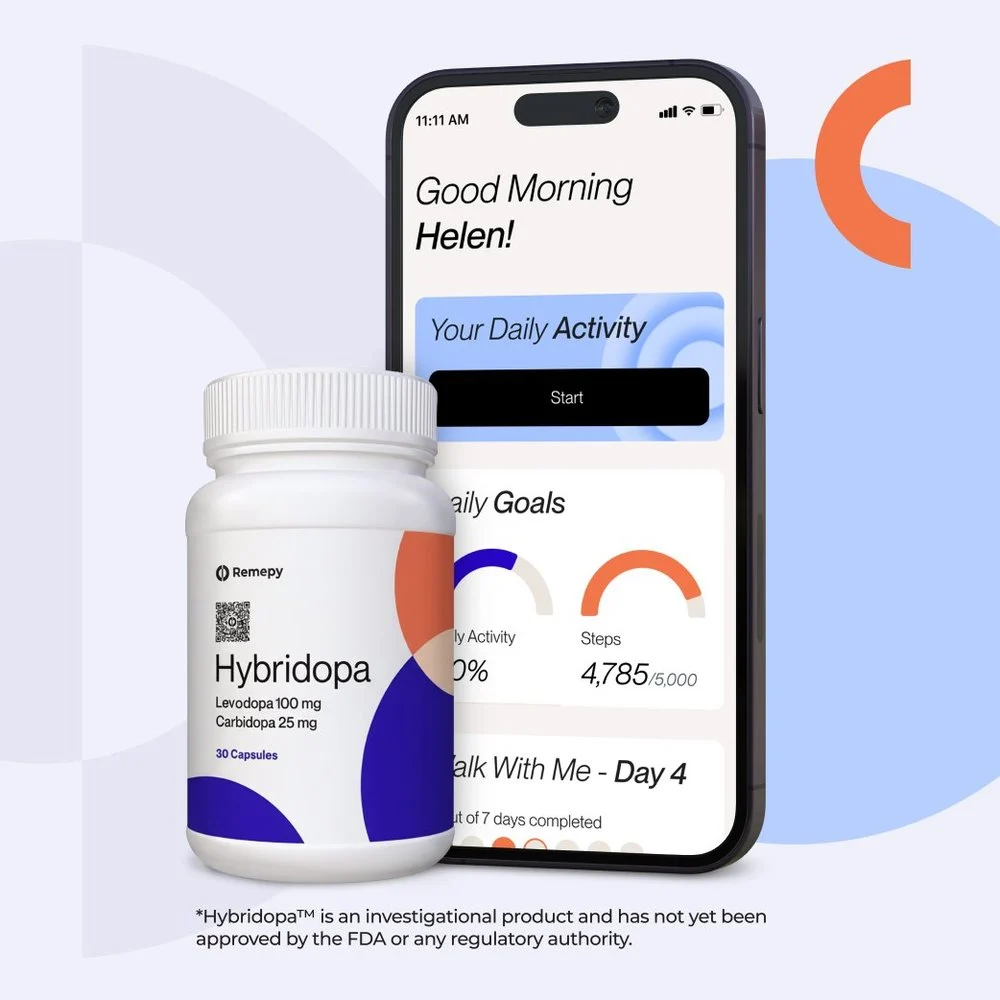
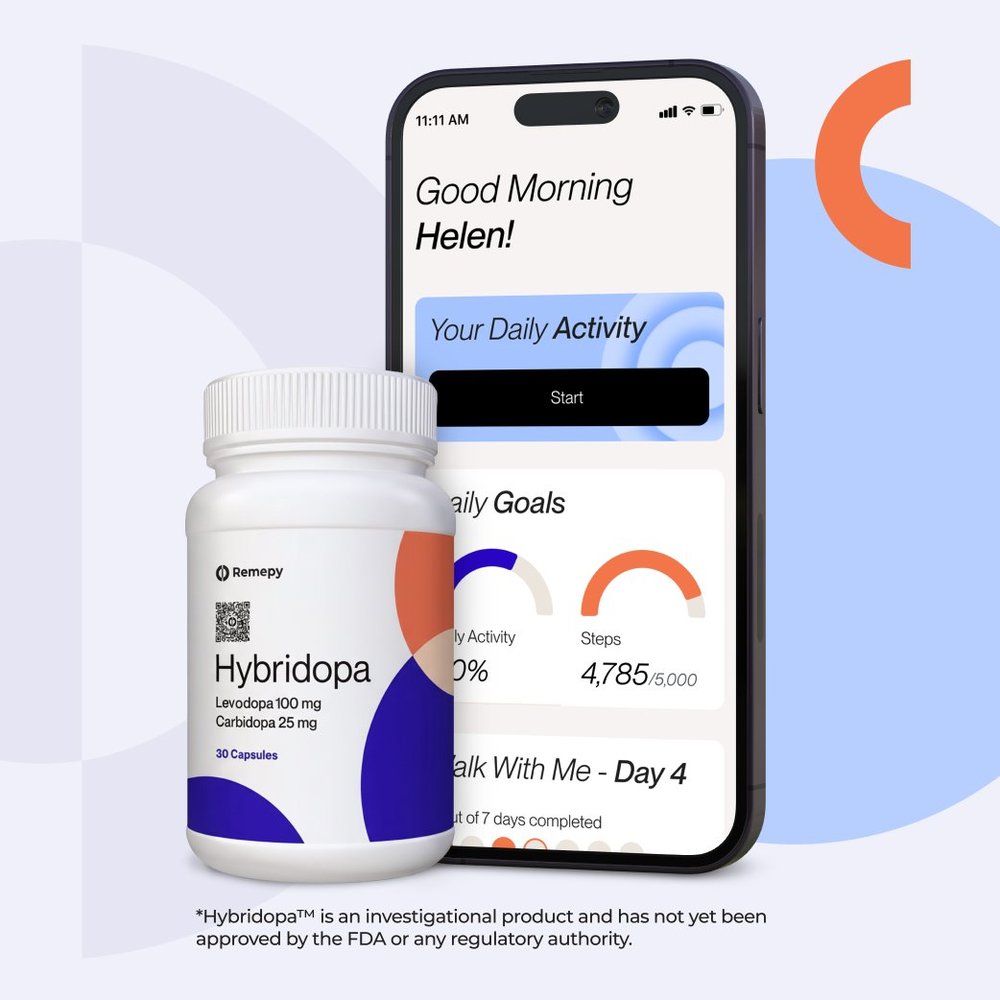
In this context, Remepy’s investigational combination, Hybridopa, offers a potentially transformative solution for Parkinson’s patients. Hybridopa combines the established carbidopa-levodopa capsules with a personalized, daily digital protocol delivered through an app called DopApp. This protocol is designed to address not just motor symptoms but also a broader spectrum of the disease’s manifestations, including movement, speech, cognition, and mood, by layering on physiotherapy, speech, and occupational exercises. Crucially, the app’s AI capabilities allow these interventions to be re-tuned and personalized as the patient’s condition evolves, offering a dynamic and responsive therapeutic package.
"For many drugs there’s a ceiling effect you cannot go beyond without attaching these interventions," Tsur explained. Remepy’s hypothesis is that carbidopa-levodopa can achieve significantly more when augmented by a structured, personalized daily regimen that actively targets various aspects of Parkinson’s. While a traditional drug typically acts through a single mechanism, "an app can have many," Tsur noted, allowing for a broader set of modalities to address the high individual variation seen in diseases like Parkinson’s, where patients often present with diverse symptoms and underlying mechanisms.
Phase IIa Trial Results: A Promising Breakthrough
The clinical validation of Hybridopa came in May 2026, when Remepy announced that its Phase IIa trial met its primary endpoint, with detailed results published in Brain Communications. This three-week, double-blind study involved 41 patients who continued on their existing levodopa doses. Participants were randomized to either the DopApp protocol group or a placebo app group.
The outcomes were compelling. Patients in the DopApp protocol group showed a mean improvement of 9.7 points on the Movement Disorder Society’s Unified Parkinson’s Disease Rating Scale (MDS-UPDRS), the globally recognized standard measure of Parkinson’s severity. In stark contrast, the placebo group improved by only 1.95 points. Furthermore, an impressive 90% of treated patients achieved a clinically meaningful five-point response threshold, indicating a significant improvement in their condition.
To put these results into perspective, Tsur highlighted the magnitude of the effect: "Carbidopa/levodopa reduces the Unified Parkinson’s Disease Rating Scale by about eight to ten points, and we reduced it by an extra 9.7 points compared to 1.95 for placebo, with a 90% response rate." By this calculation, the addition of the DopApp protocol effectively doubled the clinical benefit observed from the carbidopa-levodopa medication alone. This statistically significant and clinically meaningful improvement demonstrates the power of integrating digital interventions with pharmaceutical treatments, offering a new benchmark for efficacy in Parkinson’s management.
Navigating the Regulatory and Economic Landscape
Beyond clinical efficacy, Remepy’s hybrid drug structure addresses the critical economic and regulatory challenges that led to the downfall of standalone digital therapeutics like Pear Therapeutics. By packaging the software with a drug, Remepy aims to operate within established pharmaceutical regulatory frameworks, such as combination-product regulation and the FDA’s Prescription Drug Use-Related Software (PDURS) pathway.

The PDURS pathway, in particular, represents a significant advantage. It allows software to support an expanded drug label based on its proven effect, meaning the digital component isn’t trying to secure reimbursement as a standalone product but rather as an integral part of a pharmaceutical offering. "That’s probably our strongest tailwind," Tsur affirmed, indicating that this regulatory alignment is key to translating digital health innovation into viable pharma economics. This approach simplifies the reimbursement process, as payers are already accustomed to covering prescription drugs, and the digital component is seen as enhancing the value and efficacy of that drug.
Redefining Patient Engagement and Personalized Care
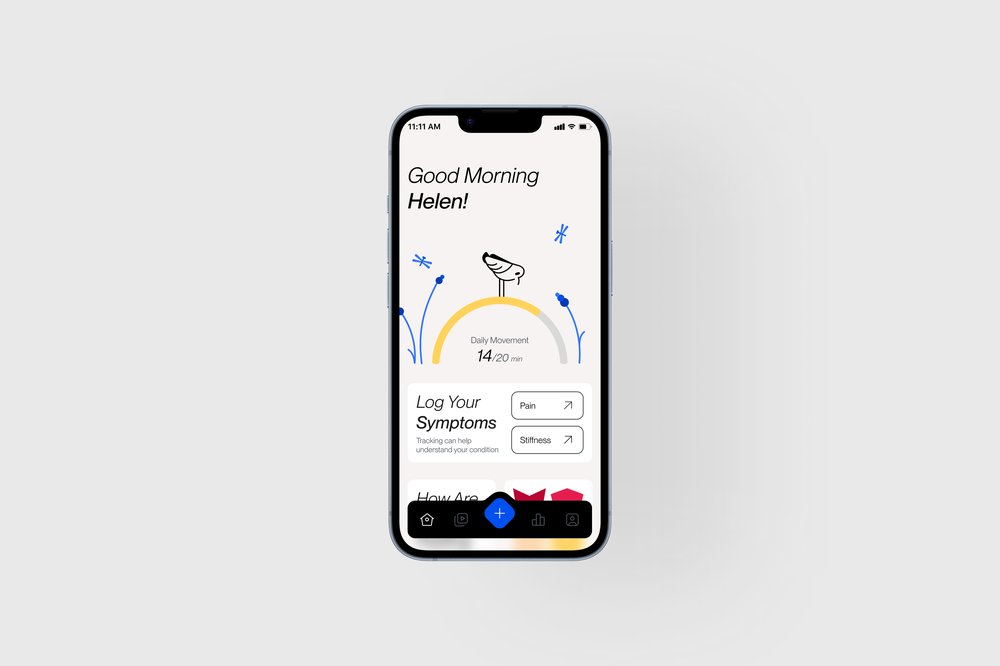
The app component of Hybridopa, DopApp, plays a crucial role in patient engagement and personalized care. It tracks daily movement against set goals, prompts patients to log symptoms like pain and stiffness, and provides a trends view charting steps, exercise time, and activity over weeks and months. This data can be shared with the patient’s care team, facilitating informed discussions and adjustments to the treatment plan.
The AI-driven personalization is a key differentiator. Instead of a one-size-fits-all approach, the app adapts the physiotherapy, speech, and occupational exercises based on the patient’s individual progress and evolving symptoms. This continuous feedback loop and adaptive nature of the digital protocol can significantly enhance treatment adherence and optimize outcomes, moving towards a truly personalized medicine model. The ability to stack multiple mechanisms within a single app allows for a more comprehensive and tailored response to the highly varied manifestations of Parkinson’s disease.
Broader Implications for Pharmaceutical Development
Remepy’s success with Hybridopa has profound implications for the broader pharmaceutical industry and the future of drug development. The hybrid drug model challenges the traditional siloed approach to medicine, where drugs, devices, and behavioral therapies are often developed and prescribed independently. By demonstrating that a digital intervention can significantly augment the effect of an established pharmaceutical, Remepy is paving the way for a new class of therapeutics that are inherently multidisciplinary.
This model could unlock previously unattainable "ceiling effects" for numerous drugs across various therapeutic areas, especially in chronic conditions where lifestyle modifications, behavioral interventions, and physical therapies are known to play a crucial role. It offers a pathway to increase the efficacy and value of existing drugs, potentially extending their market life and improving patient outcomes in ways that monotherapy cannot. Moreover, by simplifying the prescribing process for physicians—allowing them to prescribe a single "hybrid drug" rather than a drug plus multiple separate recommendations—Remepy is enhancing the practicality and efficiency of delivering comprehensive care.

Looking Ahead: The Path to Commercialization and Beyond
Following the promising Phase IIa results, Remepy’s next steps will involve larger, pivotal Phase III clinical trials to further validate Hybridopa’s efficacy and safety across a broader patient population and over longer durations. Successful completion of these trials will be critical for regulatory approval and subsequent market entry.
The company’s vision extends beyond Parkinson’s disease. Tsur’s emphasis on identifying therapeutic areas where non-pharmaceutical interventions can "double the clinical effect" suggests a robust pipeline targeting other complex conditions. This could include other neurological disorders, certain oncology indications, immunology conditions, and various women’s health issues, all of which often benefit from a holistic, multidisciplinary approach.
Remepy’s Hybridopa represents a significant evolution in healthcare, moving beyond the binary choice of drug or digital therapeutic to embrace a synergistic model. By integrating the power of proven pharmaceuticals with the personalization and engagement capabilities of AI-driven apps, Remepy is not just treating symptoms but is striving to deliver a more comprehensive, effective, and patient-centric approach to managing chronic diseases, thereby potentially redefining the landscape of modern medicine.