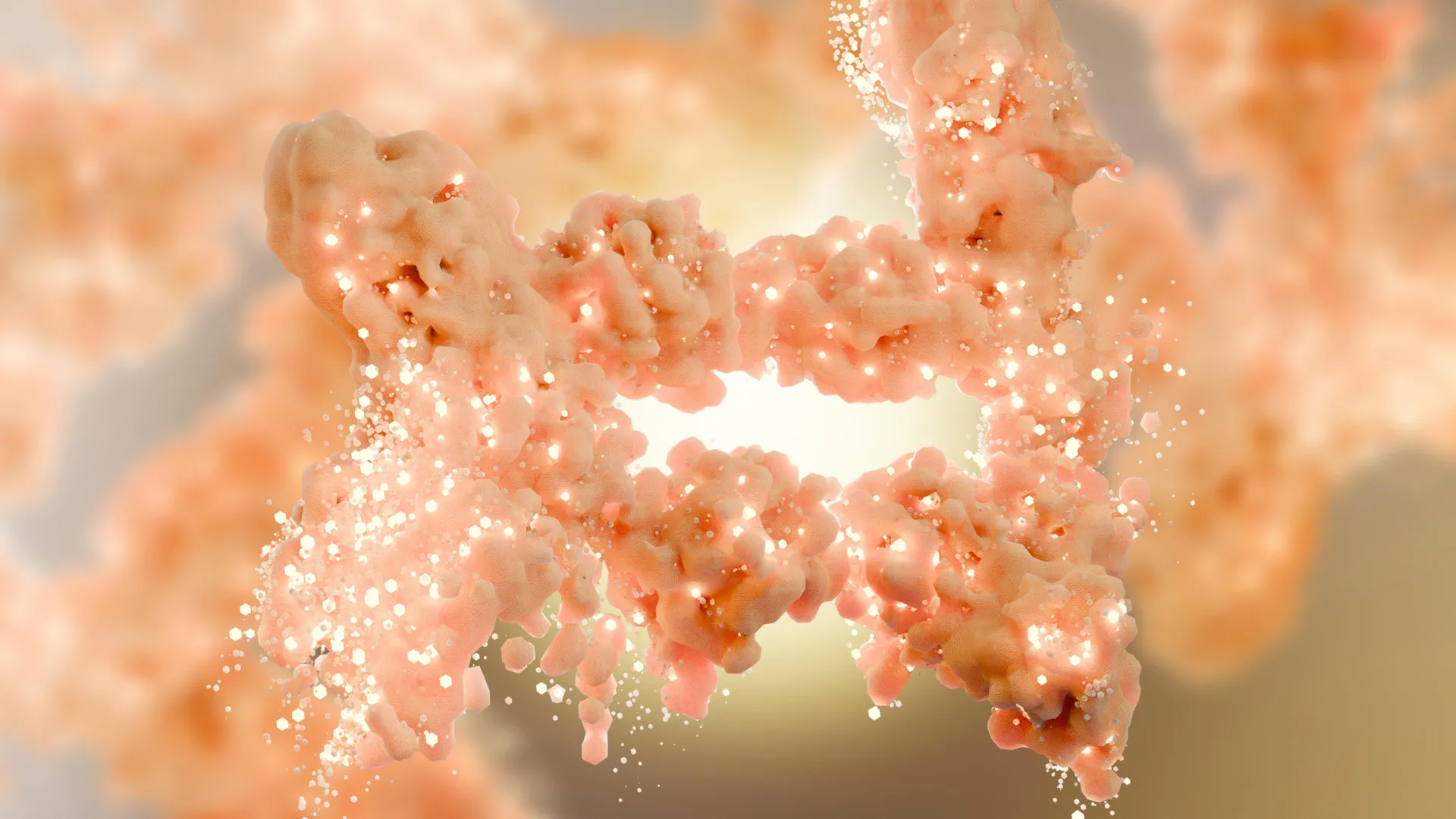
Researchers at the Institute of Science Tokyo (Science Tokyo) have identified a critical protein, Family with Sequence Similarity 102 Member A (Fam102a), that serves as a fundamental regulator in the dual processes of bone formation and bone resorption. This breakthrough, led by Professor Tomoki Nakashima and published in the journal Nature Communications on January 2, 2025, provides a comprehensive look at how bone density is maintained at a molecular level. By elucidating the role of Fam102a in the nuclear trafficking of key transcription factors, the study opens new avenues for the development of targeted therapies to combat osteoporosis and other degenerative bone diseases.
The Biological Equilibrium of Bone Remodeling
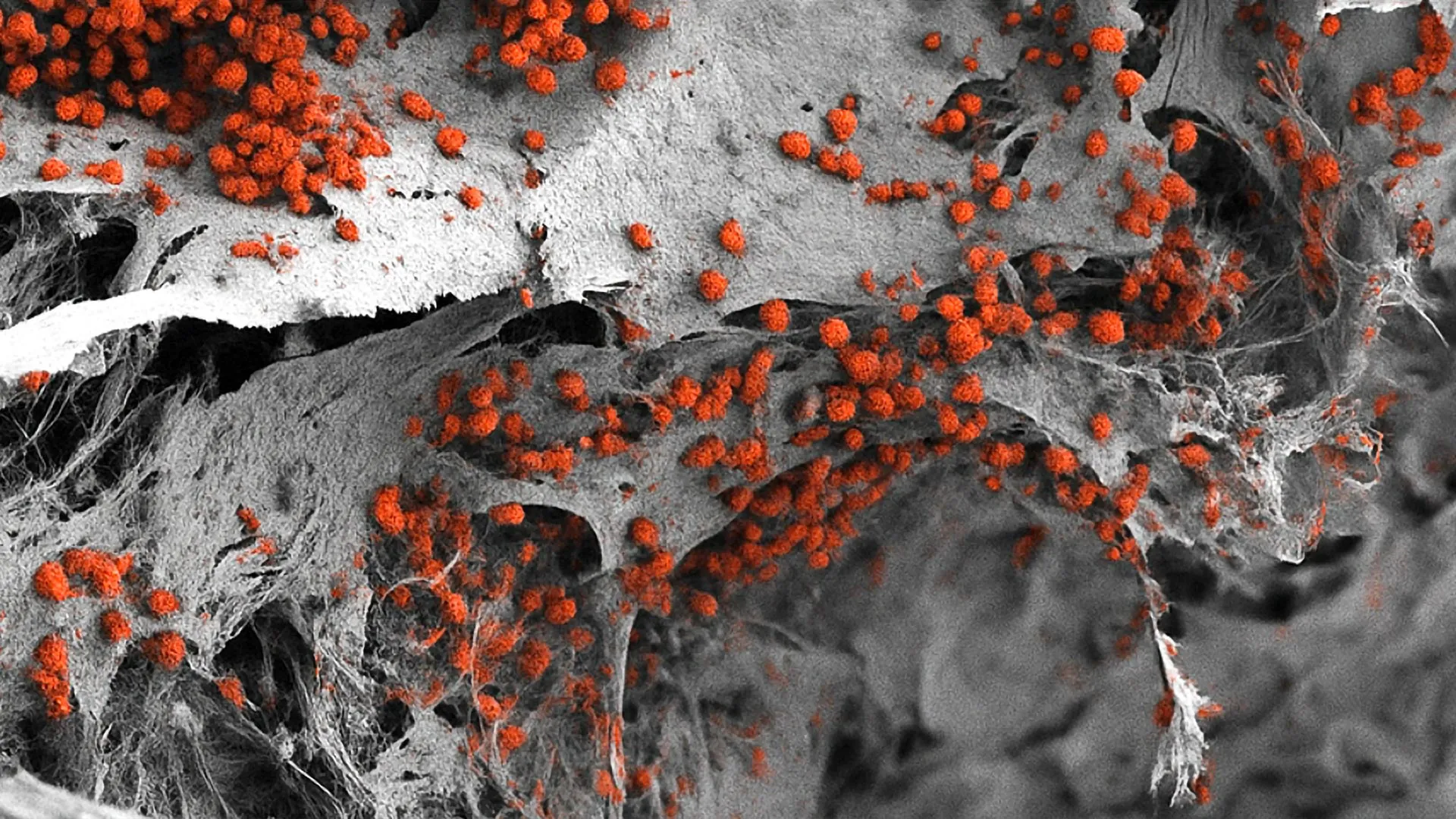
Bones are far from static structures; they are dynamic, living tissues that undergo a continuous cycle of renewal known as bone remodeling. This process is a delicate biological "tug-of-war" between two specialized types of cells: osteoblasts, which are responsible for the synthesis and mineralization of new bone, and osteoclasts, which break down and resorb old or damaged bone tissue. Under healthy conditions, these two cell types work in a synchronized fashion to maintain skeletal integrity, repair micro-fractures, and regulate systemic calcium levels.
However, when this equilibrium is disrupted—either through excessive bone resorption or insufficient bone formation—the result is a progressive loss of bone mineral density. This imbalance is the primary driver of osteoporosis, a condition characterized by porous, fragile bones that are highly susceptible to fractures. According to global health statistics, osteoporosis affects more than 200 million people worldwide, contributing to millions of fractures annually, particularly in aging populations. Despite the prevalence of this condition, many current treatments focus primarily on one side of the equation—either inhibiting osteoclasts or stimulating osteoblasts—rather than addressing factors that might regulate both simultaneously.
Identifying the Dual Role of Fam102a
While science has long understood that distinct signals govern the differentiation of osteoblasts and osteoclasts, the search for "master switches" that influence both pathways has remained a major challenge in orthopedic research. The Science Tokyo team, led by Professor Nakashima of the Faculty of Dentistry, utilized advanced genetic screening and expression profiling to bridge this gap.
The researchers began their investigation by analyzing the gene expression patterns of cells derived from mice with specific genetic variations. They focused on identifying genes that were consistently present or absent when key transcription factors—the proteins that act as messengers to turn genes "on" or "off"—were manipulated. Through this rigorous comparative analysis, the Fam102a gene emerged as a central player.
"Initially, we carried out in-depth analyses of gene expression patterns of cells derived from mice with specific changes in DNA sequence," Nakashima noted in a summary of the research. "The gene expression profile in these cells lacking key transcription factors showed that the Fam102a gene was central to regulating both osteoclast and osteoblast differentiation."
Mechanisms of Molecular Traffic: Runx2 and Kpna2
To understand how Fam102a exerts its influence, the researchers delved into the intracellular mechanics of the protein. One of the most significant findings was the interaction between Fam102a and the nuclear trafficking system. For a cell to differentiate—to transform from a stem cell into a specialized bone cell—specific proteins called transcription factors must enter the cell’s nucleus to activate genetic instructions.
The study revealed that Fam102a acts as a regulator for the localization of Runt-related transcription factor 2 (Runx2), which is often referred to as the "master regulator" of osteoblast differentiation. Without Runx2 entering the nucleus, the body cannot produce Osterix, another protein essential for the maturation of bone-forming cells.
Using co-immunoprecipitation assays—a biochemical technique used to detect physical interactions between proteins—the scientists discovered that Fam102a binds to Karyopherin Subunit Alpha 2 (Kpna2). Kpna2 functions as a molecular "shuttle," transporting cargo across the nuclear membrane. The researchers concluded that Fam102a is dependent on its interaction with Kpna2 to facilitate the entry of Runx2 into the nucleus. When Fam102a is absent or deficient, this "shuttle" service is disrupted, Runx2 cannot reach its target, and bone formation stalls.
Experimental Evidence and Pathological Implications
The laboratory findings were further validated through in vivo experiments using genetically modified mice. The research team developed a strain of mice deficient in the Fam102a gene to observe the physiological consequences of its absence.
The results were stark: the Fam102a-deficient mice exhibited a phenotype remarkably similar to human osteoporosis. These subjects displayed significantly lower bone volume, reduced bone mineral density, and a compromised skeletal microstructure. Quantitative analysis showed that without Fam102a, the differentiation of both osteoclasts and osteoblasts was severely impaired. This confirmed that the protein is not merely a bystander but a requisite factor for the healthy development of bone-regulating cells.
In a further layer of genetic analysis, the team identified that Recombination Signal Binding Protein for Immunoglobulin κ J Region-like (Rbpjl) was the most significantly downregulated transcription factor in osteoblasts lacking Fam102a. This led to the discovery of the "Fam102a-Rbpjl axis," a previously unknown signaling pathway that plays a decisive role in the maturation of bone tissue.
Chronology of the Research and Scientific Milestone
The journey to this discovery involved several years of incremental breakthroughs in the field of molecular osteology:
- Phase 1: Genomic Mapping: The team began by mapping the transcriptomes of bone cells to identify genes that were differentially expressed during the early stages of cell differentiation.
- Phase 2: Identification of Fam102a: Through computational modeling and genetic assays, the team narrowed down thousands of candidates to Fam102a as a potential dual-action regulator.
- Phase 3: Knockout Mouse Models: Researchers developed Fam102a-deficient mice to test the "real-world" impact of the gene on skeletal health.
- Phase 4: Mechanistic Elucidation: Between 2023 and late 2024, the focus shifted to the biochemistry of Kpna2 and Runx2, defining the specific "trafficking" role of the protein.
- Phase 5: Publication: The findings were finalized and underwent peer review, leading to the January 2, 2025, publication in Nature Communications.
Broader Implications for Clinical Medicine
The discovery of the Fam102a protein has profound implications for the future of geriatric medicine and orthopedics. Current pharmacological interventions for osteoporosis, such as bisphosphonates or denosumab, primarily target the inhibition of bone resorption. While effective, these treatments can sometimes lead to side effects like atypical fractures because they stop the natural "recycling" process of bone.
By targeting a factor like Fam102a, which regulates the "supply chain" of both cell types, researchers may be able to develop "bone-anabolic" therapies that more closely mimic the natural biological balance of the human body.
"Our study sheds light on the critical molecular interactions involved in the bone remodeling process and can aid the development of innovative osteoporosis therapies," Professor Nakashima concluded.
Industry analysts suggest that the identification of the Fam102a-Rbpjl axis could lead to a new class of small-molecule drugs designed to stabilize or enhance Fam102a activity. Such treatments would be particularly beneficial for patients who do not respond well to current anti-resorptive therapies or for those with genetic predispositions to low bone mass.
Fact-Based Analysis of Future Challenges
While the discovery is a landmark achievement, the transition from mouse models to human clinical applications involves several hurdles. First, researchers must determine if the Fam102a-Kpna2 interaction can be safely modulated in humans without affecting other cellular processes, as Kpna2 is involved in the transport of various proteins across different tissue types.
Second, the delivery of such a therapy—whether through traditional pharmaceuticals or gene therapy—will require extensive safety trials to ensure that stimulating osteoblast activity does not inadvertently lead to excessive bone growth or other unintended metabolic consequences.
Nevertheless, the Science Tokyo study provides a definitive roadmap for understanding the "traffic control" of bone health. As the global population continues to age, the demand for sophisticated, molecular-level treatments for bone loss is expected to grow exponentially. The identification of Fam102a marks a significant step forward in ensuring that the "living tissue" of the human skeleton remains strong and functional throughout the human lifespan.