In a significant move to address the rising proliferation of potent, lab-engineered substances, the U.S. Drug Enforcement Administration (DEA) has officially finalized a temporary order placing three synthetic kratom-related alkaloids—mitragynine pseudoindoxyl, MGM-15, and MGM-16—into Schedule I of the Controlled Substances Act (CSA). This regulatory action, which took effect on August 25, 2026, underscores the federal government’s escalating concern regarding the shift from traditional, botanical kratom consumption to highly concentrated, semi-synthetic derivatives that exhibit profound opioid-like properties.
The scheduling order, which covers all isomers, esters, ethers, and salts of these substances, marks a critical pivot in federal oversight of the kratom industry. By classifying these chemicals as Schedule I, the DEA has effectively prohibited their manufacture, distribution, importation, and possession for any purpose other than authorized research. The order remains in effect for two years, with a possible one-year extension, unless the substances are permanently scheduled or granted an exemption under the Federal Food, Drug, and Cosmetic Act (FD&C Act).
Chronology of Federal Oversight
The path to this temporary scheduling was marked by a series of administrative actions designed to move rapidly against emerging threats. On July 1, 2026, the DEA published two critical notices in the Federal Register, signaling its intent to exercise emergency scheduling authority. These notices provided the framework for assessing both the three specific synthetic compounds and the threshold levels for 7-hydroxymitragynine (7-OH), a naturally occurring alkaloid found in the Mitragyna speciosa plant.
Following the publication, a 30-day public comment period was initiated, allowing stakeholders, including researchers, industry advocates, and public health officials, to weigh in on the proposed controls. Throughout August, the Office of the Assistant Secretary for Health (OASH) evaluated these submissions. After concluding that no investigational drug applications (INDs) or new drug applications (NDAs) existed for these substances—and finding no objections from the Department of Health and Human Services (HHS)—the Attorney General delegated the final scheduling authority to the DEA Administrator. By August 25, the order was finalized, mandating that all commercial entities cease the sale and distribution of these specific synthetic alkaloids immediately.
The Science of Potency: Why the DEA Acted
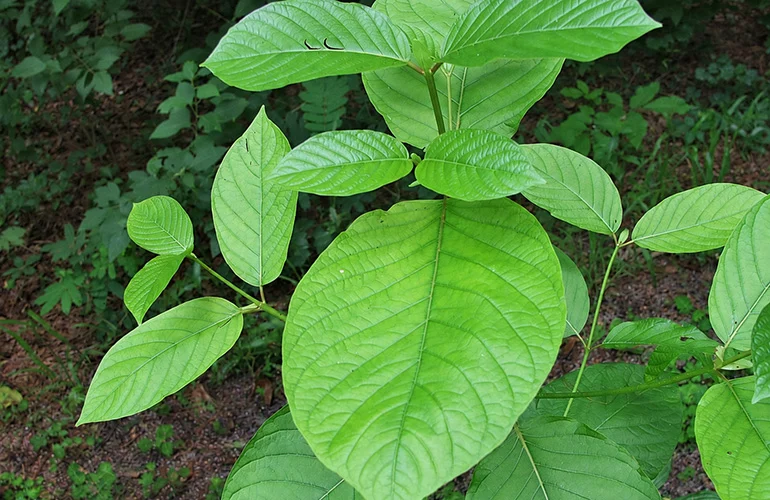
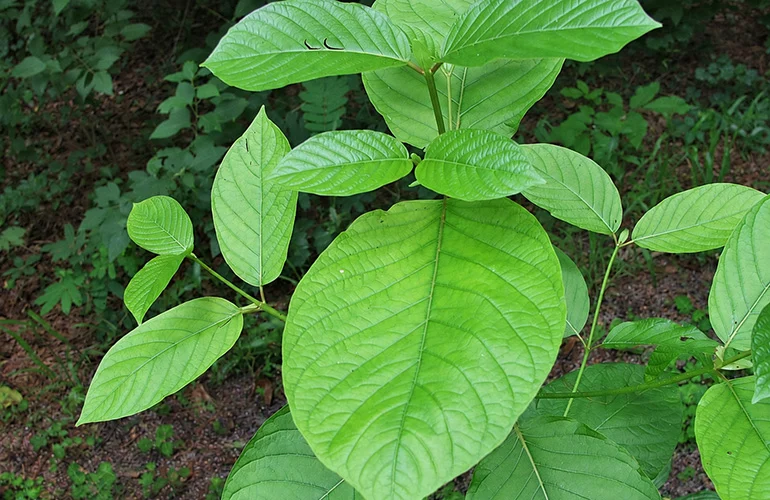
The DEA’s decision rests on a comprehensive assessment of the pharmacological profile of these substances. Unlike the raw, organic leaf of the kratom tree, which contains a complex profile of alkaloids with varying effects, the targeted synthetic substances are chemically engineered to bypass the natural limitations of the plant.
Data cited by the DEA indicates that mitragynine pseudoindoxyl, a chemical rearrangement product of 7-OH, possesses a mu-opioid receptor (MOR) affinity approximately 100 times greater than that of naturally occurring mitragynine. Even more concerning to federal regulators are MGM-15 and MGM-16. According to the findings, these derivatives exhibit an opioid potency 50 to 240 times higher than morphine.
The pharmacological risks associated with these substances mirror those of illicit synthetic opioids, including fentanyl and heroin. The DEA identified three primary physiological dangers:
- Respiratory Depression: A life-threatening reduction in breathing rates that serves as the leading cause of death in opioid overdoses.
- Physical and Psychological Dependence: The compounds demonstrate a high potential for addiction, as evidenced by withdrawal symptoms observed in animal models.
- Rapid Onset and Toxicity: The chemical structure allows for faster absorption and longer-lasting effects, increasing the risk of acute toxicity for users unaware of the potency contained within the product.
Market Proliferation and Consumer Deception
A major factor driving the DEA’s "imminent hazard" determination was the shift in how these products are marketed to the public. While traditional kratom has been sold for years, the market has seen an influx of flavored, chewable, and "enhanced" products. These items are often sold in retail environments—such as smoke shops and convenience stores—without age restrictions or warning labels regarding their synthetic content.
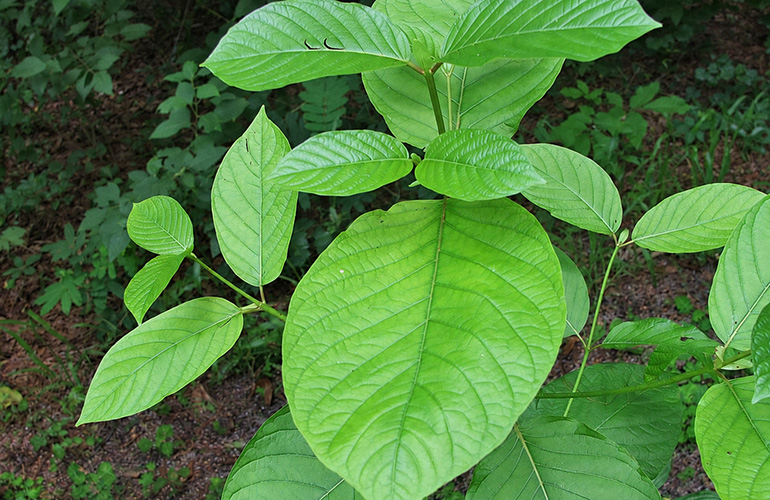
The DEA noted that marketing language frequently misleads consumers, framing these substances as "natural" or "kratom-related" while failing to disclose that the ingredients are laboratory-synthesized. By utilizing colorful packaging and descriptors like "mental clarity" or "reduced restlessness," manufacturers have effectively lowered the barrier to entry for users, leading to a prevalence of use that reached an estimated 2 million individuals by 2022. The DEA argues that this lack of transparency, coupled with the substances’ extreme potency, creates a public health crisis that necessitates immediate intervention.
Regulatory Implications and Compliance
For businesses currently involved in the manufacture or distribution of kratom products, the August 25 order necessitates an immediate audit of product inventory. Any retail outlet stocking products containing mitragynine pseudoindoxyl, MGM-15, or MGM-16 must remove them from shelves immediately. Possession of these substances without a Schedule I research registration is now a violation of federal law, subject to severe criminal and civil penalties.
Researchers who wish to continue investigating these compounds are now required to obtain specialized Schedule I licenses from the DEA. This involves rigorous oversight, including the implementation of strict security protocols, accurate inventory record-keeping, and periodic reporting to federal authorities. The DEA has emphasized that its primary intent is not to stifle scientific inquiry but to ensure that substances with no accepted medical use and a high potential for abuse are strictly controlled.
The 7-OH Threshold Ambiguity
While the scheduling of the three specific synthetic compounds is finalized, the status of 7-hydroxymitragynine (7-OH) remains a point of intense regulatory focus. The DEA has proposed a threshold limit for 7-OH, suggesting that botanical kratom products containing more than 0.050% of 7-OH on a dry weight basis could be subject to the same Schedule I restrictions.
This has introduced a layer of uncertainty for the botanical industry. The OASH has extended the public comment period for this specific proposal until September 10, 2026, acknowledging that the definition of the term "article"—in the context of finished products versus container contents—remains ambiguous under the CSA. Legal experts, such as Brian Malkin, co-chair of the Spencer Fane Cannabis and FDA Pharmaceutical and Biologics Market Teams, have noted that the lack of clear definitions regarding "articles" in the FD&C Act complicates how the DEA might enforce these threshold limits. The industry is currently awaiting further guidance on whether this threshold applies to the entire product weight or the concentration within a specific dose.
Broader Impact and Future Outlook
The federal government’s decision to classify these synthetic derivatives as Schedule I represents a clear message to the dietary supplement and alternative wellness industries: the "gray market" status of semi-synthetic, highly potent alkaloids is coming to an end. By distinguishing between traditional botanical kratom and synthetic variants, the DEA is attempting to isolate the most dangerous actors while leaving the status of the raw leaf subject to separate, ongoing policy debates.
However, the impact on public health remains to be seen. Critics of the ruling argue that pushing these substances into the illicit, black-market domain may exacerbate the risks to consumers, who may turn to even more unregulated or contaminated products. Conversely, public health advocates support the move, arguing that the lack of clinical trials and the high risk of opioid-like dependence make these substances inherently incompatible with the consumer market.
As the two-year temporary scheduling period progresses, the industry, researchers, and federal regulators will be monitoring the impact on overdose rates and the prevalence of these substances in the retail market. For stakeholders, the mandate is clear: the era of unregulated, high-potency synthetic alkaloids in the kratom space has concluded, and strict compliance with the Controlled Substances Act is now the only legal path forward. The coming months will likely see further litigation and administrative clarification as the boundaries between traditional botanical products and synthetic derivatives are definitively drawn.