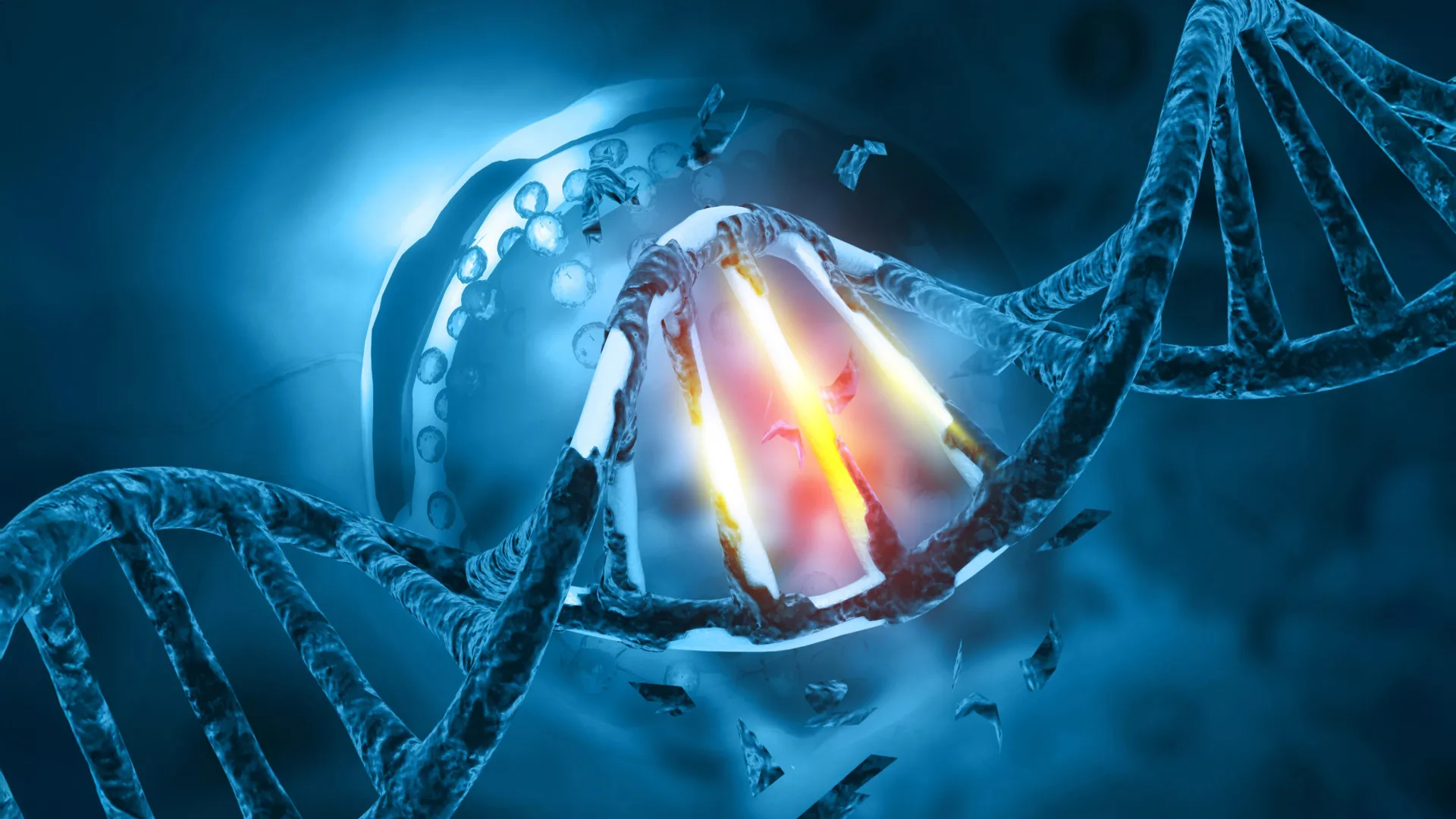
The landscape of human reproduction and genetics is undergoing a profound reassessment following the publication of landmark research in the prestigious scientific journal Nature. For generations, conventional medical wisdom held that advanced paternal age primarily increased the risk of genetic disorders in offspring through the simple, passive accumulation of random DNA copying errors over time. However, two complementary, massive genetic studies—spearheaded by researchers from the Wellcome Sanger Institute, King’s College London, and Harvard Medical School—have shattered this long-held premise. The new evidence demonstrates that the rise of disease-causing mutations in older men is not merely a passive byproduct of aging, but rather the result of an active, microscopic evolutionary process. Within the environment of the testes, certain harmful DNA mutations actually confer a competitive biological advantage to the sperm cells carrying them, causing those specific mutated cells to out-replicate their healthy neighbors and thrive as men grow older.
This revelation fundamentally alters our comprehension of the male germline, transforming it from a static, heavily protected reservoir of genetic material into a dynamic, highly competitive evolutionary arena. By deploying cutting-edge genomic sequencing technologies across tens of thousands of samples, scientists have charted the landscape of clonal cell expansion in the male reproductive system. The findings carry significant implications not only for reproductive counseling and fertility clinics, but also for our broader understanding of how environmental factors, lifestyle choices, and genetics intersect across generations to shape the health of future children.
The Chronology and Methodology of a Breakthrough
The journey toward this paradigm shift began years ago as geneticists recognized the limitations of traditional DNA sequencing methods. Standard genomic technologies lacked the high-resolution sensitivity required to detect rare, low-frequency mutations hidden deep within complex tissues. To overcome this analytical bottleneck, an international consortium of scientists turned to a revolutionary, ultra-accurate sequencing platform known as NanoSeq. This advanced technology reduces sequencing error rates to unprecedented lows, allowing researchers to spot minute genetic alterations that would otherwise be entirely obscured by background noise.
On October 8, the scientific community received the culmination of these efforts when Nature published the two monumental companion studies. The first study, led by the Wellcome Sanger Institute in collaboration with the TwinsUK cohort at King’s College London, focused on direct analysis of the source material. Researchers examined sperm samples donated by 81 healthy adult males ranging widely in age from 24 to 75 years old. Utilizing the TwinsUK registry—the United Kingdom’s largest and most well-documented adult twin resource—the team gained access to a deeply characterized, diverse population that provided invaluable longitudinal depth to the research.
Simultaneously, the second study approached the biological puzzle from the opposite direction. Led by investigators at Harvard Medical School and the Wellcome Sanger Institute, this branch of the research bypassed the direct study of sperm to analyze the genetic outcomes already manifested in offspring. By scrutinizing the genomic profiles of more than 54,000 parent-child trios alongside a broader cohort of 800,000 healthy individuals, the Harvard and Sanger teams mapped mutations that had successfully crossed the generational divide. This dual-pronged approach—examining both the source within the testes and the destination within the DNA of children—provided an airtight validation of the underlying biological mechanisms at play.
Quantitative Insights: The Rising Tide of Genetic Risk
The quantitative data yielded by the NanoSeq analysis paint a clear, sobering picture of how paternal aging correlates with genomic shifts. Among men in their early thirties, approximately 2 percent of their sperm carried detectable disease-causing mutations. However, this proportion escalated significantly as the donors aged. In men aged 43 to 74, the prevalence of harmful mutations within the sperm population rose to between 3 and 5 percent. Specifically, among the 70-year-old participants in the cohort, roughly 4.5 percent of all sperm cells contained hazardous genetic alterations.
This upward trajectory establishes a direct, measurable link between advanced paternal age and the baseline genetic risk inherited by offspring. Yet, the most startling revelation of the data is the sheer magnitude of the amplification. The Harvard-led trio study discovered that certain advantageous mutations can increase sperm mutation rates by roughly 500-fold. This staggering multiplication factor helps elucidate a long-standing medical mystery: why certain rare genetic disorders appear in children whose parents completely lack those specific disease-causing mutations in their own ordinary somatic blood or tissue cells.
Furthermore, researchers pinpointed approximately 40 specific genes that appear to benefit directly from this intra-testicular natural selection. While 13 of these genes were already known to be involved in cellular selection dynamics, the new research uncovered that the phenomenon is far more widespread than previously estimated, encompassing numerous genes tied to cell growth, embryonic development, severe childhood neurodevelopmental disorders, and inherited cancer predispositions. Interestingly, the researchers noted that the high prevalence of these mutations in sperm can sometimes create statistical shadows, causing certain genes to appear as false-positive disease associations in broad genomic databases simply due to their elevated natural mutation rate rather than a true pathological link.
Official Responses and Expert Perspectives
The gravity of these findings has prompted widespread reaction from the scientific community, emphasizing both the theoretical importance of the discovery and its practical implications for future parents.
Dr. Matthew Neville, first author of the study from the Wellcome Sanger Institute, highlighted the unexpected nature of the results. "We expected to find some evidence of selection shaping mutations in sperm," Dr. Neville stated. "What surprised us was just how much it drives up the number of sperm carrying mutations linked to serious diseases."
Echoing these sentiments, Professor Matt Hurles, Director of the Wellcome Sanger Institute and co-author of the research, drew attention to the hidden nature of the phenomenon. "Our findings reveal a hidden genetic risk that increases with paternal age," Professor Hurles explained. "Some changes in DNA not only survive but thrive within the testes, meaning that fathers who conceive later in life may unknowingly have a higher risk of passing on a harmful mutation to their children."
The collaborative nature of the study was underscored by Professor Kerrin Small, co-author and Scientific Director of the TwinsUK study at King’s College London. Expressing gratitude to the participants, Professor Small noted, "By working with the TwinsUK cohort, we could include valuable longitudinal samples linked to rich health and genetic information, allowing us to explore how mutations accumulate and evolve with age in healthy individuals. This collaboration highlights the power of large, population-based cohorts for advancing our understanding of human development and inheritance."
Dr. Raheleh Rahbari, senior author and Group Leader at the Wellcome Sanger Institute, provided a broader evolutionary perspective on the findings. "There’s a common assumption that because the germline has a low mutation rate, it is well protected," Dr. Rahbari observed. "But in reality, the male germline is a dynamic environment where natural selection can favour harmful mutations, sometimes with consequences for the next generation."
Broader Implications for Medicine, Society, and Future Generations
As societal trends continue to see individuals delaying parenthood into their late thirties, forties, and beyond, the implications of these twin studies extend far into the realms of public health, reproductive medicine, and genetic counseling. It is crucial to contextualize, however, that not every sperm carrying a harmful mutation will result in a successful conception or a live birth. Many mutated sperm may be biologically incapable of achieving fertilization, while others could impair normal embryonic development, potentially leading to early miscarriage. Nonetheless, the statistical likelihood of transmission remains elevated for older fathers.
The publication of these findings opens vital new avenues for scientific inquiry. Researchers can now begin to investigate whether specific lifestyle choices, environmental exposures, or metabolic factors can accelerate or mitigate this intra-testicular natural selection process. By understanding the micro-environmental triggers that give certain mutated cells a growth advantage over normal cells, medical science may eventually develop preventative interventions or refine reproductive risk assessments to help prospective parents make fully informed family-planning decisions.
Ultimately, this research bridges a critical gap in evolutionary biology and human genetics. It demonstrates that the principles of natural selection—traditionally viewed on the macroscopic scale of entire organisms adapting to environments over millennia—are continuously operating on a microscopic level within the human body, shaping the genetic inheritance of the generations to come.