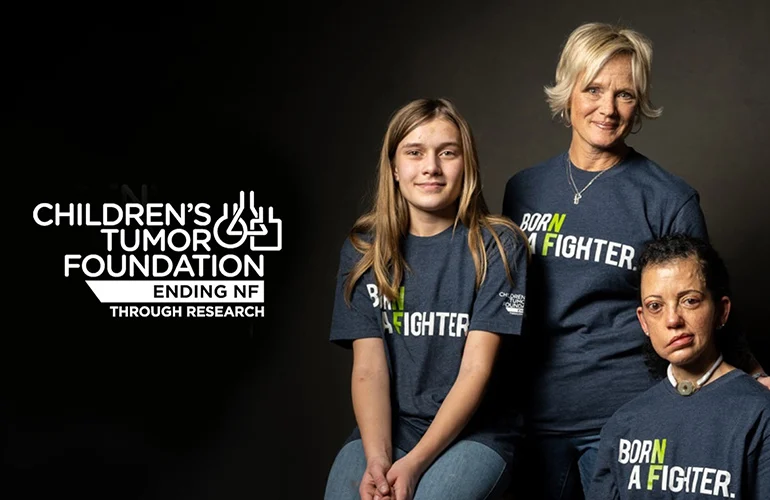
More than 5,000 potential treatments for rare diseases are currently languishing on pharmaceutical company shelves, representing a vast, untapped reservoir of medical innovation. These drug candidates, often having undergone significant preclinical, toxicology, or even early-stage clinical development, have been halted for reasons frequently unrelated to their scientific merit or safety profile. In this landscape, non-profit organizations like the Children’s Tumor Foundation (CTF) are emerging as crucial catalysts, seeking to bridge the formidable gap between dormant assets and desperately needed therapies. CTF CEO Annette Bakker highlights this paradox, emphasizing the profound potential locked away in these forgotten compounds and the urgent need for a systematic approach to unlock their value for the millions affected by rare conditions.
The Unseen Crisis: Thousands of Shelved Drugs and the ‘Valley of Death’
The pharmaceutical industry’s pipeline is a high-stakes environment where only a minuscule fraction of compounds initiated in discovery ever reach patients. The journey from laboratory bench to bedside is fraught with scientific, regulatory, and financial hurdles, often described as navigating the "valley of death" where promising research stalls due to lack of funding, strategic shifts, or commercial viability concerns. It is within this perilous landscape that the phenomenon of "shelved assets" gains prominence. These are not merely failed experiments but often drugs that have demonstrated efficacy and safety in early phases but were deprioritized.
Estimates vary, but the figure of over 5,000 shelved rare disease treatments underscores a systemic issue. Major pharmaceutical companies, driven by market economics and the pursuit of blockbuster drugs, often make strategic decisions to discontinue projects that do not promise a substantial return on investment, even if they show promise for smaller patient populations. This is particularly true for rare diseases, which by definition affect fewer than 200,000 people in the United States, making the commercial calculus challenging for large corporations. Furthermore, the complexities of mergers and acquisitions frequently lead to the consolidation and subsequent shelving of redundant or non-core assets. When smaller biotechnology firms, often pioneers in specific disease areas, face financial distress or collapse, their valuable research data and compounds can become inaccessible, effectively vanishing from the drug development ecosystem.
The implications of this hoarding are dire for patients. Rare diseases, collectively affecting an estimated 300 million people worldwide, often lack any approved treatments. The compounds sitting idle on shelves could represent lifelines, capable of addressing unmet medical needs and improving the quality of life for individuals grappling with debilitating and often life-threatening conditions. The moral imperative to revive these assets is clear, yet the practical challenges of accessing, re-evaluating, and advancing them are substantial.
Neurofibromatosis: A Proving Ground for CTF’s Innovative Model
The Children’s Tumor Foundation has not merely identified this problem; it has actively positioned itself as a "drug discovery engine," particularly for neurofibromatosis (NF). NF is a group of complex genetic disorders (NF1, NF2, and Schwannomatosis) that cause tumors to grow on nerves throughout the body. These tumors can lead to a wide range of symptoms, including disfigurement, pain, bone deformities, learning disabilities, vision loss, and even cancer. For decades, treatment options for NF were severely limited, focusing primarily on surgical intervention for symptomatic tumors.
CTF’s early strategic investments proved transformational. The foundation played a pivotal role in funding early-stage research into the use of MEK inhibitors as a potential treatment for NF. MEK inhibitors target a specific protein in the RAS/MAPK pathway, which is frequently overactive in NF-related tumors. This foundational research laid the groundwork for the development of several compounds, ultimately leading to the FDA approval of treatments like selumetinib (Koselugo) for pediatric patients with NF1-related plexiform neurofibromas. These inoperable tumors can cause significant morbidity, and the approval of Koselugo marked a historic milestone, offering the first-ever systemic therapy for this specific manifestation of NF. This success story stands as a testament to the power of targeted non-profit funding and strategic research, demonstrating CTF’s capability to shepherd promising science from concept to clinical reality.
Building on this profound success, CTF is now leveraging its expertise and network to tackle the broader challenge of shelved assets. The experience gained in understanding NF’s intricate biology, navigating preclinical and clinical development, and engaging patient communities provides a robust framework for evaluating and advancing other dormant compounds.
Beyond Efficacy: The Commercial Realities Driving Shelving Decisions
Annette Bakker succinctly explains that the primary drivers for shelving assets are often commercial, rather than related to a drug’s efficacy or safety. This distinction is crucial. When a pharmaceutical giant acquires a smaller biotech, the acquisition is frequently driven by a specific, high-priority candidate, while other promising compounds in the acquired company’s pipeline may be deemed non-strategic or redundant. These assets, despite having already accumulated significant preclinical data or even positive Phase 1 clinical trial results, are then relegated to the corporate archives.
Another common scenario involves partnerships between biotechs and larger pharma companies that ultimately dissolve. Without the financial backing and infrastructure of the larger partner, the smaller biotech often lacks the resources to continue development on its own. The immense costs associated with drug development – preclinical research can run into tens of millions, and Phase 1 trials often exceed $50 million – are simply insurmountable for many smaller entities. When a biotech company eventually ceases operations, the invaluable data generated from its shelved assets can become inaccessible, trapped behind intellectual property barriers or lost in corporate dissolution. This loss of data is particularly galling, representing not just a financial write-off but a squandering of scientific progress and potential patient benefit.
Bakker underscores the economic fallacy of this practice: "Shelved assets are our focus because a shelved asset has already undergone a lot of development, a company has maybe already spent hundreds of millions of dollars on them, and they are now written off as a loss. What if we could take those and put them right into clinical trials? We could win all those years of preclinical and toxicology and go into clinical almost immediately." This highlights the immense time and cost savings inherent in repurposing these compounds. By bypassing the initial, lengthy, and expensive stages of drug discovery and early preclinical development, the pathway to patient access could be dramatically accelerated.
Accelerating Discovery: The CTF’s Strategic Imperative and the SpringWorks Blueprint
The vision articulated by CTF’s leadership is to transform these liabilities into life-saving assets. The foundation’s strategy centers on identifying compounds that have already demonstrated a basic level of safety and some indication of biological activity, thereby significantly de-risking the early stages of development. The aspiration is to move these drugs directly into clinical trials, potentially shaving years off the traditional development timeline and reducing the overall financial burden.
A compelling example of this model in action is the genesis of SpringWorks Therapeutics. Annette Bakker played a pivotal role in convincing Pfizer to license a shelved drug to a newly established spin-off, SpringWorks Therapeutics, which was founded in 2017. While the original article refers to the drug as "Gomekli," SpringWorks has become renowned for successfully advancing multiple assets acquired from larger pharmaceutical companies. One of its most notable achievements is Nirogacestat (Ogsiveo), a gamma secretase inhibitor that was licensed from Pfizer and subsequently approved by the FDA in 2023 for desmoid tumors, a rare and debilitating condition. Another significant asset, mirdametinib, a MEK inhibitor, also sourced from Pfizer, is currently in late-stage clinical trials for NF1-associated plexiform neurofibromas, demonstrating the direct relevance to CTF’s core mission. The success of SpringWorks culminated in its acquisition by Merck KGaA for an impressive $3.4 billion, validating the profound potential of this "asset rescue" model.
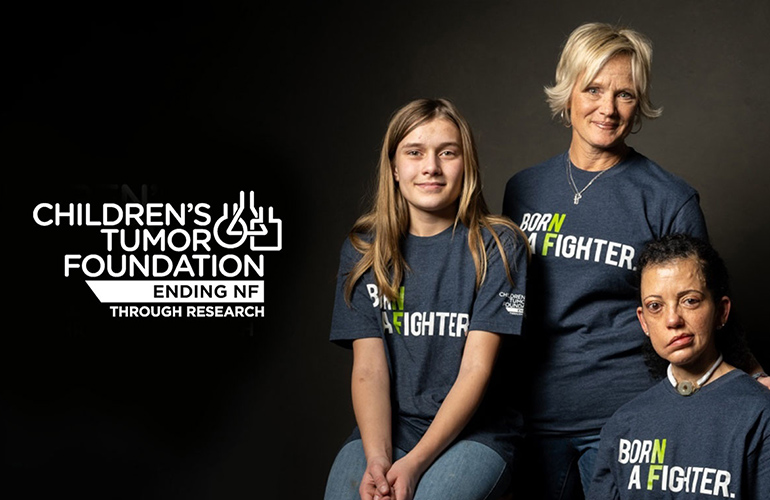
The SpringWorks story serves as a powerful blueprint, illustrating that with the right advocacy, scientific rigor, and strategic partnerships, shelved compounds can indeed be resurrected and brought to market. It demonstrates that the value locked in these assets is not only scientific but also economic, capable of generating significant returns and attracting further investment into rare disease research.
The Hurdles to Scaling: Pharma’s Reluctance and the Quest for Champions
Despite the clear success of the SpringWorks model, Bakker acknowledges a significant challenge: scaling this initiative. The path forward is not always smooth, and pharmaceutical companies are not always eager to "open the door" to collaborations that involve licensing their shelved assets. "We are looking for these champions in other companies that are willing to work with us, but the pharma companies we are calling are not opening the door," Bakker reveals.
The reluctance stems from a confluence of factors. Intellectual property (IP) considerations are paramount; companies may be wary of relinquishing control over assets, even those they have deprioritized, due to potential future strategic shifts or perceived market value. There are also concerns about liability, data transfer complexities, and the resources required to facilitate such partnerships. Furthermore, the incentive structure within large pharmaceutical companies often favors the development of new, proprietary compounds over the divestiture of older ones. The "champion" problem highlights the reliance on individual advocates within pharma who possess both the vision and the internal influence to navigate corporate bureaucracy and champion the cause of shelved assets. Institutionalizing this process, rather than depending on singular individuals, is crucial for broader impact. This necessitates developing clear frameworks for asset identification, valuation, and transfer, along with robust legal and commercial agreements that benefit all parties.
Navigating the Labyrinth of Rare Disease Clinical Trials
Even when a shelved asset is successfully identified and licensed, the journey to approval for a rare disease indication remains arduous. One of the most significant challenges is patient recruitment for clinical trials. By definition, rare diseases affect small populations, often geographically dispersed across continents. For instance, neurofibromatosis affects roughly 1 in 2,000 people globally, and the subset of patients with specific manifestations, such as inoperable plexiform tumors targeted by drugs like Koselugo (or mirdametinib in development), is even smaller. This demographic reality makes filling a clinical trial slow, incredibly costly, and logistically complex.
"Everything you do in drug discovery is ten times harder in rare disease," Bakker states, encapsulating the magnified difficulties inherent in this field. Beyond recruitment, challenges include the heterogeneity of disease presentation, the lack of established biomarkers, the absence of standardized outcome measures, and the ethical considerations of conducting trials in vulnerable populations, often children. Innovative clinical trial designs, such as adaptive trials, basket trials, and master protocols, are increasingly being explored to make the most of limited patient numbers and accelerate data generation.
It is precisely in this domain that non-profit organizations like CTF demonstrate their unparalleled value. Rare disease nonprofits inherently possess deep, trusted networks of patients, caregivers, and clinicians. They are often the primary source of information and support for patient communities, making them uniquely positioned to facilitate recruitment for clinical trials. Their understanding of the patient experience, their ability to conduct natural history studies, and their capacity to engage patients in trial design can significantly de-risk and accelerate the clinical development process. CTF’s active involvement in patient advocacy and community building directly translates into a more efficient and patient-centric approach to clinical research.
Building an Ecosystem for Efficiency: CTF’s Preclinical Hub and Beyond
To further streamline the development pathway, CTF has invested in building a sophisticated preclinical hub. This hub is a constantly growing network of preclinical models, including advanced cell lines, patient-derived xenografts, and genetically engineered animal models that accurately mimic human NF. Once a pharmaceutical company agrees to license or transfer an asset to the foundation, CTF can then leverage this robust preclinical infrastructure to conduct rapid and relevant drug testing. This includes initial efficacy screening, dose-response studies, and biomarker identification, providing critical data to inform subsequent clinical trial design.
The objective is to create a seamless, integrated ecosystem that ensures maximum efficiency. "The idea is to create an ecosystem that makes sure that once we have the drug, we can be really efficient," Bakker affirms. This holistic approach not only accelerates the scientific evaluation of shelved assets but also minimizes redundancy and optimizes resource allocation. By centralizing expertise and infrastructure, CTF can serve as a vital intermediary, de-risking the assets for potential future partners and making them more attractive for continued development. This proactive strategy reflects a deeper understanding of the entire drug development lifecycle, from basic science to patient access, and positions CTF as a leader in transforming the rare disease therapeutic landscape.
A Call to Action: Broader Implications for Rare Disease Patients
The Children’s Tumor Foundation’s pioneering efforts to rescue shelved rare disease drugs represent a critical paradigm shift in medical innovation. This model holds immense potential beyond neurofibromatosis, offering a viable pathway for countless other rare conditions that are currently underserved. The success of SpringWorks Therapeutics stands as a powerful testament to the economic and societal benefits of unlocking these dormant assets.
The implications are far-reaching. Economically, it represents the creation of significant value from what was previously considered a loss, potentially stimulating new investment into rare disease research and fostering a more dynamic ecosystem for drug development. Societally, it offers hope to millions of patients and their families, providing access to therapies that might otherwise remain indefinitely out of reach.
For this model to truly scale and achieve its full potential, a concerted effort from all stakeholders is required. Pharmaceutical companies need to reconsider their IP strategies and explore more flexible licensing agreements for deprioritized assets. Policymakers and regulatory bodies could explore incentives, such as extended exclusivity periods or streamlined review processes, for drugs repurposed for rare diseases from shelved pipelines. Furthermore, increased philanthropic investment and collaborative funding models are essential to support non-profits like CTF in their critical work.
The story of CTF is more than just about rescuing drugs; it is about reclaiming lost opportunities, fostering collaboration, and ultimately, delivering hope and healing to those living with rare diseases. It serves as a powerful reminder that true innovation often lies not just in discovering the new, but in recognizing and realizing the untapped potential of what already exists.