The landscape of assisted reproductive technology (ART) has long been shaped by an elusive challenge: recreating the precise biological environment of the female reproductive tract outside of the human body. In a significant stride toward bridging this persistent gap, a team of researchers at the University of Illinois Urbana-Champaign has successfully developed a bio-inspired methodology to select viable male gametes and dramatically prolong their functionality within a laboratory setting. This breakthrough promises to minimize one of the most formidable variables in both human and animal in vitro fertilization (IVF) procedures.
Published in the peer-reviewed journal Scientific Reports, the study details how scientists harnessed specific complex sugar molecules naturally found within the female reproductive system to capture, store, and sustain sperm cells. By successfully emulating the natural physiological storage mechanism of the oviduct—commonly known as the fallopian tube—the research team has established a foundational framework that could fundamentally alter clinical and agricultural reproductive practices in the coming years.
The Biological Bottleneck of Traditional IVF
To understand the magnitude of the University of Illinois discovery, one must examine the inherent limitations of conventional IVF protocols. For decades, embryologists and reproductive endocrinologists have relied on mechanical and density-gradient centrifugation techniques to isolate healthy, motile sperm. While these traditional methods successfully separate active gametes from seminal plasma and cellular debris, they fail to replicate the sophisticated microenvironment that sperm naturally encounter after coitus.
In vivo, the female oviduct acts far more than as a passive conduit for fertilization. It serves as an active biological reservoir. Specialized epithelial cells within the oviduct bind to incoming sperm, temporarily arresting their hyperactivated state, conserving their metabolic energy, and shielding them from premature senescence or oxidative stress. Once the oocyte (egg) matures and descends into the oviduct, these bound sperm are systematically released, ensuring that a precisely timed, highly viable population of gametes meets the egg at the optimal moment for fertilization.
Historically, in vitro laboratories have struggled to mirror this intricate biological choreography. Without the stabilizing influence of the oviduct, isolated sperm in culture dishes begin to experience rapid depletion of their energy reserves, progressive loss of motility, and structural DNA fragmentation. Furthermore, conventional IVF setups frequently introduce an excessive concentration of free-swimming sperm to the culture medium. In agricultural applications—particularly in swine breeding—this overabundance frequently leads to polyspermy, a pathological condition where multiple sperm successfully penetrate a single egg, rendering the resulting embryo entirely unviable.
Decoding Nature: The Discovery of Oviduct Glycans
The roots of the newly published study trace back to a pivotal discovery made by the research team in 2020. Led by senior study author David Miller, a professor in the Department of Animal Sciences within the College of Agricultural, Consumer and Environmental Sciences (ACES) at the University of Illinois, the group identified complex sugars, scientifically termed glycans, as the primary molecular actors responsible for sperm binding and storage within the oviduct.
Building upon this foundational insight, Miller’s laboratory initiated a rigorous collaborative effort with specialized carbohydrate chemists to screen hundreds of distinct oviduct glycans. The primary objective was to isolate a specific compound that possessed the exact binding affinity required to anchor mammalian sperm securely without inducing detrimental physiological alterations.
After exhaustive testing, the multidisciplinary research team zeroed in on a specific glycan known as sulfated Lewis X trisaccharide, commonly abbreviated as suLeX. While the long-term clinical objective remains the enhancement of human fertility treatments, the researchers elected to utilize pig sperm for the initial proof-of-concept phase. This dual-purpose strategy serves both human medical science and the massive global agricultural sector, which relies heavily on advanced reproductive technologies to optimize livestock breeding programs.
Methodology and Experimental Chronology
To evaluate the efficacy of the suLeX compound, the research team engineered a controlled in vitro testing environment. The experimental chronology was structured to measure both immediate fertilization efficiency and long-term gamete preservation over a 24-hour period.
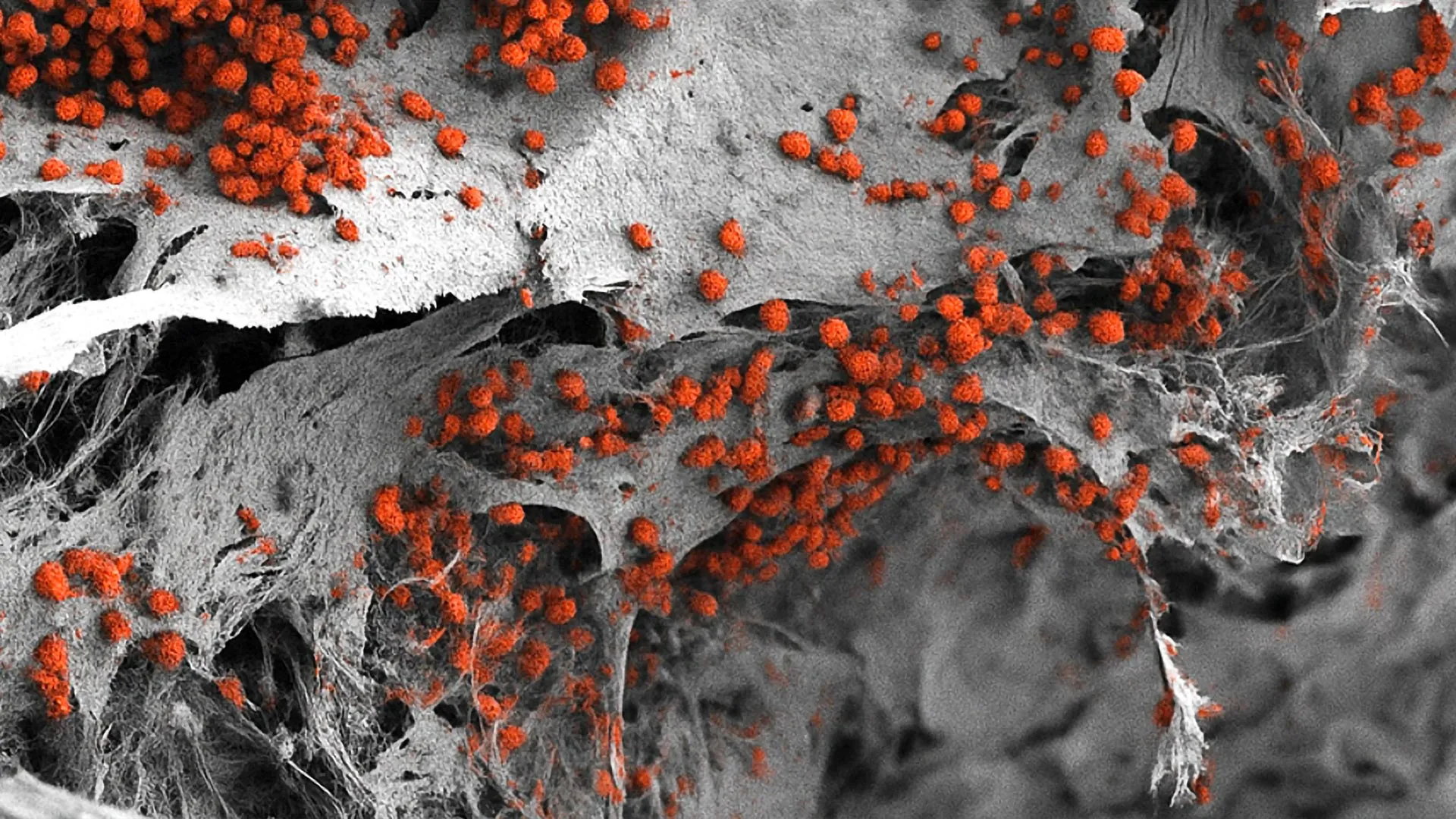
The experimental setup began with the precise chemical immobilization of the suLeX trisaccharide onto the bottom surfaces of standard laboratory culture dishes. Once the compounds were anchored, a standardized suspension of porcine sperm was introduced to the droplets. The sperm were granted a strict 30-minute incubation window to interact with and securely adhere to the immobilized glycan surfaces.
Following this initial binding phase, the experimental design introduced a critical temporal variable. Oocytes were added to the culture dishes at four distinct time intervals: immediately (0 hours), and subsequently at 6, 12, and 24 hours post-binding. This staggered introduction schedule was deliberately designed to test whether the suLeX substrate could successfully buffer the natural time-dependent degradation of sperm viability.
Additionally, the experimental architecture incorporated essential control groups to validate the results rigorously. Alongside the primary suLeX treatment dishes, the researchers established a baseline control group utilizing standard culture conditions devoid of any oviduct compounds, as well as two alternative control groups featuring unrelated chemical compounds to test for non-specific binding anomalies.
Quantitative Findings: Sustaining Fertilization Rates Over Time
The empirical data gathered from the trials revealed a profound performance gap between the bio-inspired suLeX system and conventional IVF methodologies, particularly as the duration in the laboratory environment extended.
At the immediate 0-hour mark, the baseline fertilization efficiency—measured as the ratio of successfully fertilized zygotes relative to the total number of exposed eggs—demonstrated a statistically significant advantage for the glycan-bound cohort. Dishes utilizing sperm initially anchored to the suLeX substrate achieved a fertilization rate of 53 percent. In stark contrast, the untreated control group yielded a fertilization rate of only 36 percent, while the two alternative control compounds hovered around 40 percent efficiency.
As the time delays progressed, expected biological degradation caused a downward trend in fertilization rates across all experimental cohorts. However, the rate of decline was markedly mitigated in the presence of the suLeX compound.
In the untreated control group, where sperm remained free-swimming and unshielded, the capacity to successfully fertilize oocytes plummeted dramatically, dropping to a negligible 1 percent by the 24-hour mark. Conversely, the suLeX-treated dishes maintained a substantially higher level of functional viability, successfully fertilizing 12 percent of the introduced eggs even after a full 24 hours of in vitro storage.
Furthermore, the physical architecture of the suLeX droplet system afforded the researchers a crucial procedural advantage: the ability to thoroughly wash away any unattached, free-swimming sperm before the introduction of the oocytes.
"Because the sperm were bound securely to the glycan compound, we could reduce the overall number of sperm, which meant fewer cases where more than one sperm fertilized the eggs," explained Professor Miller. By effectively resolving the issue of excess gamete concentration, the methodology successfully curbed the incidence of polyspermy, ensuring higher structural integrity among the resulting embryos.
Collaborative Foundations and Institutional Support
The breadth and complexity of this research necessitated a deeply collaborative institutional framework. The published study, formally titled "Porcine sperm bind to an oviduct glycan coupled to glass surfaces as a model of sperm interaction with the oviduct," reflects the combined expertise of lead authors Sandra Soto-Heras and Larissa Volz, alongside chemist Nicolai Bovin and senior author David Miller.
The investigative work was conducted with primary financial backing from the Eunice Kennedy Shriver National Institute of Child Health and Human Development, a prominent division of the National Institutes of Health (NIH), operating under the specific research award number RO1HD095841. Furthermore, Professor Miller maintains a vital secondary academic affiliation with the prestigious Carl R. Woese Institute for Genomic Biology at the University of Illinois Urbana-Champaign, facilitating advanced cross-disciplinary integration between animal sciences, chemistry, and genomic sequencing technologies.
Broader Implications for Agriculture and Human Reproductive Medicine
The long-term economic and clinical ramifications of integrating glycan-mediated sperm selection into mainstream IVF protocols are substantial, extending across distinct operational sectors.
Within animal agriculture, advanced reproductive technologies represent a cornerstone of modern livestock genetics. Dairy cattle operations, swine production facilities, and equine breeding centers routinely utilize artificial insemination and in vitro embryo production to propagate traits associated with high genetic merit—such as superior milk production efficiency, disease resistance, and optimal growth rates.
"There are companies, especially related to dairy cattle, that use IVF to produce and sell high-genetic-merit embryos that, after they are delivered, will produce milk more efficiently," Miller noted. By stabilizing gamete viability and curbing the economic losses associated with abnormal fertilization events like polyspermy, the commercial adoption of glycan-IVF platforms could streamline agricultural production chains, ultimately yielding meat and milk with enhanced efficiency and reduced resource expenditure.
In the realm of human reproductive medicine, the clinical pathway requires additional validation, primarily because the precise carbohydrate structures responsible for binding human sperm have not yet been fully cataloged and isolated. However, researchers anticipate that once human-specific oviduct glycans are successfully identified, the technology can be translated into clinical andrology and embryology laboratories.
A primary application in human clinical settings involves resolving the persistent timing mismatches that frequently complicate complex fertility treatments. In both clinical IVF and natural human reproduction, both oocytes and spermatozoa must undergo precise, highly regulated physiological maturation phases before they acquire the functional competence required for successful fertilization.
However, significant biological variability exists regarding the exact temporal window required for individual sperm to complete their final major maturation steps. This inherent asynchrony can frequently result in gamete expiration before both the egg and sperm are simultaneously primed for fertilization.
"Both eggs and sperm have to undergo a maturation phase before they’re ready for fertilization, so the timing is critical," Miller observed. "We think glycan-IVF could lengthen the fertile window of sperm and possibly increase IVF rates, though we need further testing to verify that."
Future Directions and Clinical Validation
As the scientific community reviews the findings published in Scientific Reports, the University of Illinois research group is already laying the groundwork for subsequent investigative phases. The immediate scientific priorities involve mapping human-specific glycan profiles, scaling the manufacturing of stable glycan-coated culture substrates, and initiating preclinical trials to assess safety, efficacy, and biocompatibility in human reproductive tissues.
While substantial regulatory and clinical milestones remain ahead before the technology reaches commercial fertility clinics, the current study establishes an innovative paradigm. By shifting away from purely mechanical sperm sorting techniques and embracing bio-mimetic strategies that cooperate with nature’s own evolutionary design, researchers have taken a definitive step toward making assisted reproduction more predictable, efficient, and universally successful.