Public health infrastructure, scientific integrity, and evidence-based medicine have once again taken center stage as prominent virologists and clinical experts react to sweeping policy shifts proposed by federal health leadership. In the latest installment of This Week in Virology, episode 1288, Dr. Daniel Griffin and co-host Vincent Racaniello delivered a rigorous clinical update addressing the profound policy changes announced by Robert F. Kennedy Jr. regarding the routine childhood immunization schedule. While noting that the policy pivots were anticipated by the scientific community, the hosts expressed deep dismay and bewilderment at the departure from empirical data. Utilizing extensive epidemiological metrics, the episode deep-dived into the current trajectories of active viral epidemics, including measles outbreaks—most notably in South Carolina—alongside ongoing tracking for respiratory syncytial virus (RSV), influenza, and SARS-CoV-2.
The clinical update serves as both a regular assessment of infectious disease burdens across the United States and a rallying cry for evidence-based governance. As federal health agencies navigate turbulent leadership transitions, the scientific community continues to grapple with the tangible public health repercussions of declining vaccine uptake, shifting preventative care paradigms, and the enduring societal toll of chronic and acute viral infections.
The Childhood Immunization Schedule under Scrutiny
The core of the controversy discussed in TWiV 1288 centers on proposed alterations to the well-established routine childhood immunization schedule. For decades, the Centers for Disease Control and Prevention (CDC) Advisory Committee on Immunization Practices (ACIP) has formulated recommendations grounded in rigorous peer-reviewed science, clinical trials, and population-level surveillance. These schedules have historically protected generations of children from debilitating and frequently fatal infectious diseases, including measles, mumps, rubella, polio, pertussis, and varicella.
Dr. Griffin and Racaniello dismantled the scientific viability of the newly proposed immunization changes, highlighting the overwhelming body of global data that underscores vaccine safety and efficacy. Public health experts argue that deviating from standardized immunization timelines risks eroding herd immunity, a critical epidemiological buffer that protects vulnerable populations—such as infants too young to be vaccinated and immunocompromised individuals—from preventable pathogens.
The policy shifts arrive at a precarious time when vaccine hesitancy remains elevated following the COVID-19 pandemic. Epidemiologists and pediatricians across the nation have expressed mounting concern that institutional skepticism originating from top-tier federal health administrators could legitimize scientifically unfounded claims, leading to a measurable resurgence of vaccine-preventable diseases in schools and local communities.
Current Epidemiological Landscape: Measles, RSV, Influenza, and COVID-19
Moving beyond policy debates, Dr. Griffin’s clinical update provided a comprehensive snapshot of current infectious disease morbidity and mortality metrics across the United States.
The Resurgence of Measles
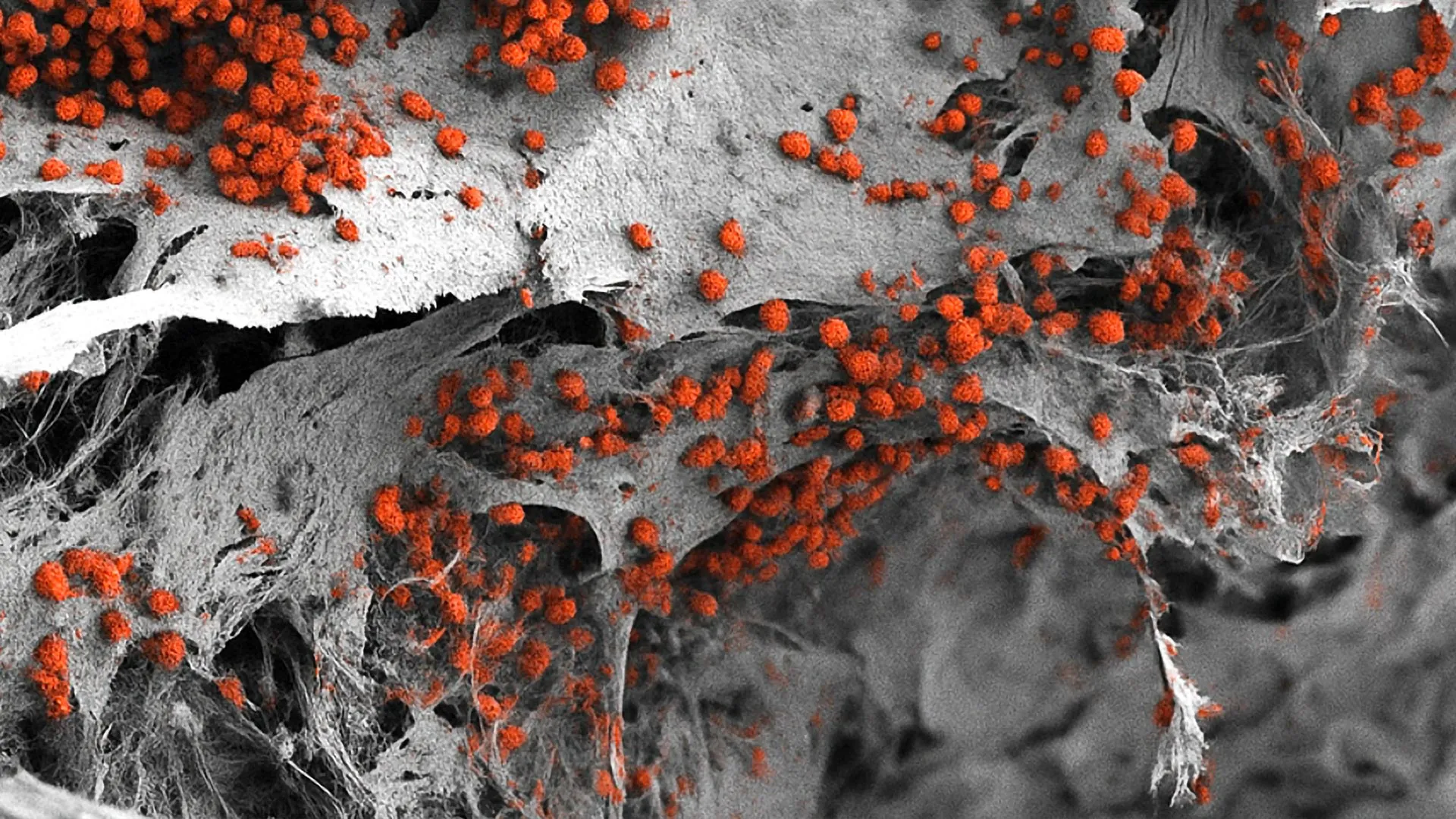
Measles, one of the most contagious viral pathogens known to science, has seen alarming focal outbreaks in recent months. Dr. Griffin highlighted the ongoing measles epidemic, drawing specific attention to transmission dynamics in South Carolina. Measles is characterized by a high basic reproduction number ($R_0$), meaning a single infected individual can transmit the virus to up to 18 susceptible people in an unimmunized population. The re-emergence of measles in localized clusters is directly correlated with localized drops in MMR (measles, mumps, and rubella) vaccination coverage falling below the 95% threshold required to maintain community-level herd immunity. Public health officials warn that without aggressive outreach and adherence to routine vaccination, sporadic outbreaks threaten to cascade into nationwide epidemics.
Respiratory Syncytial Virus (RSV) and Influenza
As seasonal respiratory viruses circulate concurrently, clinicians continue to monitor RSV and influenza activity. RSV remains a formidable threat to pediatric populations—particularly infants experiencing bronchiolitis—as well as older adults with underlying cardiopulmonary conditions. The widespread availability of monoclonal antibody prophylaxis for infants and targeted RSV vaccines for older demographics has shifted clinical management, yet equitable access and administration rates remain variable. Similarly, influenza surveillance data indicates standard seasonal waves, emphasizing the ongoing importance of annual trivalent or quadrivalent flu immunizations in mitigating emergency department overcrowding and severe pulmonary complications.
SARS-CoV-2 and the Enduring Societal Burden
The update thoroughly examined the ongoing footprint of SARS-CoV-2 infections, utilizing metrics from the Wastewater Scan dashboard and the Johns Hopkins measles tracker to contextualize viral circulation. Despite a societal shift toward treating COVID-19 as endemic, the estimated societal burden of illness, hospitalizations, and deaths remains significant. Vulnerable cohorts, including the elderly and immunocompromised, continue to bear the brunt of severe outcomes.
Furthermore, Dr. Griffin highlighted the proven clinical benefits of maternal COVID-19 vaccination, noting that prenatal immunization provides critical passive antibody transfer to newborns, safeguarding infants during their most vulnerable first months of life against severe COVID-19-related hospitalizations.
Navigating Therapeutics, Prophylaxis, and Long COVID
For patients managing active infections or post-acute sequelae, the clinical update provided essential navigational resources regarding therapeutics and specialized care centers:
- PEMGARDA: Clinicians and patients seeking pre-exposure prophylaxis options can utilize updated guidelines to locate PEMGARDA, a monoclonal antibody therapy authorized for moderately to severely immunocompromised individuals who may not mount an adequate active immune response to vaccination.
- Paxlovid Access: Practical guidance was shared on how patients can access and afford oral antiviral treatments like Paxlovid, ensuring that high-risk individuals receive timely interventions within the critical five-day symptom-onset window to prevent progression to severe disease.
- Long COVID Resources: Acknowledging the millions of individuals suffering from long-term systemic symptoms—ranging from neurocognitive deficits to chronic fatigue—the discussion pointed patients toward specialized long-term recovery centers and established networks where individuals can find evidence-based answers to their complex health questions.
- Neurodevelopmental Impacts: The episode addressed emerging clinical data concerning the neurodevelopmental consequences of in-utero SARS-CoV-2 infection, reinforcing the necessity of robust prenatal protection measures.
The Broader Implications for Biomedical Research
The convergence of administrative policy changes, shifting immunization frameworks, and ongoing infectious disease pressures has triggered a broader institutional crisis within the American scientific enterprise. Researchers, clinicians, and advocacy groups are increasingly voicing alarm over what they characterize as an unprecedented political assault on science and biomedical research.
The implications of undermining federal public health institutions extend far beyond immediate clinical care. A weakened CDC or FDA struggles to maintain public trust during health crises, compromise data transparency, and disincentivize top-tier global talent from pursuing careers in public health service. Epidemiological models consistently demonstrate that proactive, science-driven governance saves hundreds of thousands of lives and prevents billions of dollars in preventable healthcare expenditures.
In response to these systemic challenges, clinical leaders like Dr. Griffin are urging healthcare professionals, researchers, and concerned citizens to actively engage with their federal government representatives. Advocating for evidence-based policy, defending the integrity of institutional science, and prioritizing public health education are framed as essential civic duties necessary to safeguard the health and security of future generations.
Listeners seeking to explore the complete dataset, references, and clinical commentary discussed in this segment can access TWiV 1288 via standard podcast platforms, including Apple Podcasts, RSS feeds, and the official Microbe.TV network portal.