In a significant advancement for regenerative medicine and neurology, a research team at Texas A&M University has unveiled a novel therapeutic approach that may effectively reverse the symptoms of brain aging and chronic neuroinflammation. Utilizing a non-invasive nasal spray delivery system, the treatment has demonstrated the ability to restore memory, enhance mitochondrial efficiency, and reduce systemic inflammation in the brain after only two doses. The findings, published in the Journal of Extracellular Vesicles, suggest a potential paradigm shift in how medical science addresses age-related cognitive decline, dementia, and Alzheimer’s disease.
The study, led by Dr. Ashok Shetty, a university distinguished professor and associate director of the Institute for Regenerative Medicine, alongside senior research scientists Dr. Madhu Leelavathi Narayana and Dr. Maheedhar Kodali, provides evidence that the biological processes of aging in the brain are not necessarily permanent. By targeting the underlying inflammatory triggers that accumulate over decades, the researchers have opened a new pathway for maintaining mental acuity well into the later stages of life.
The Biological Mechanism of Neuroinflammaging
To understand the impact of the new nasal spray, it is necessary to examine the phenomenon known as "neuroinflammaging." As the human brain ages, it typically enters a state of persistent, low-level chronic inflammation. Unlike acute inflammation, which is a healthy response to injury or infection, neuroinflammaging is a maladaptive process. It involves the constant activation of the brain’s immune cells, particularly microglia, which begin to release pro-inflammatory cytokines that damage healthy neurons.
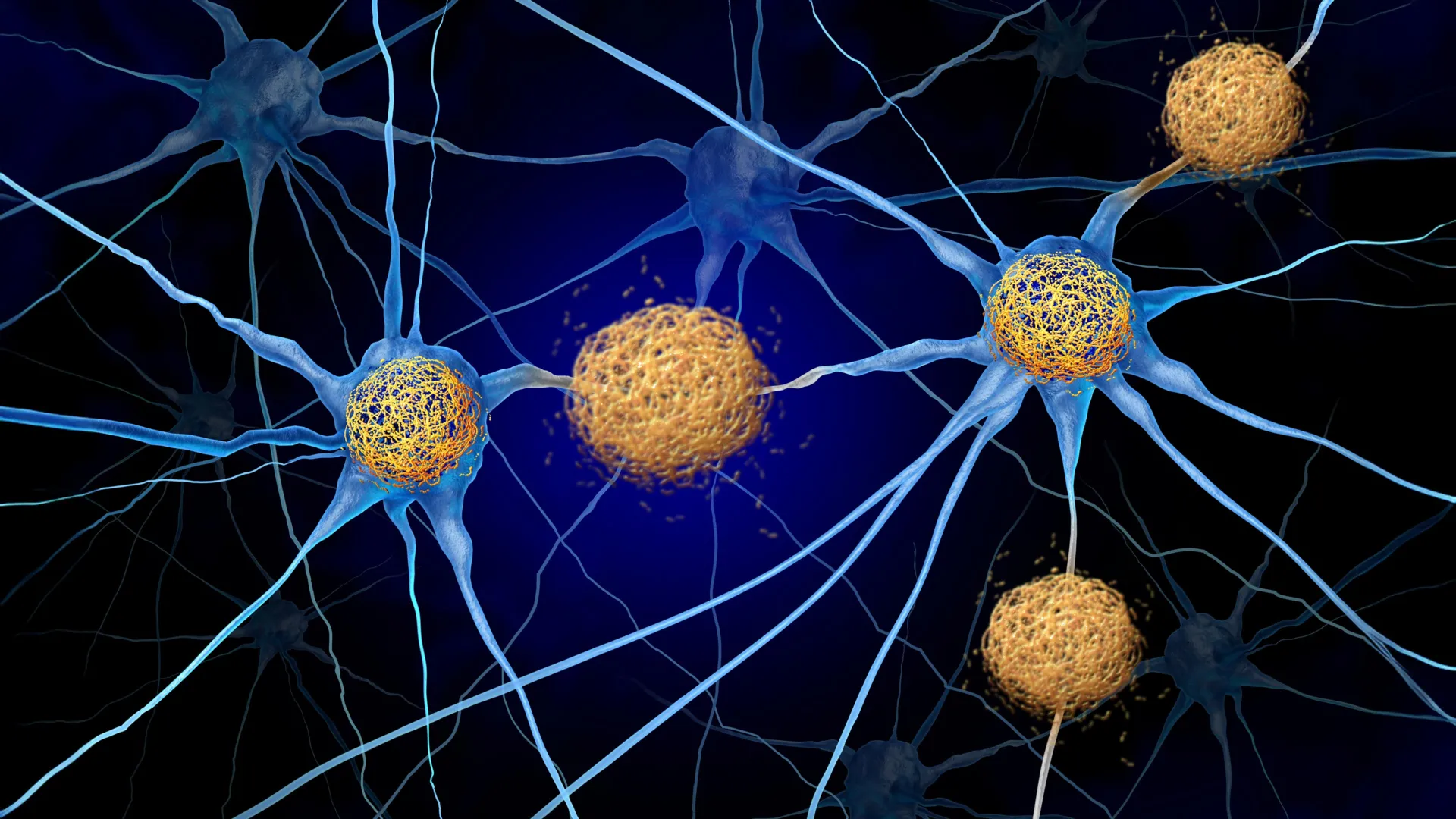
This chronic inflammatory state interferes with synaptic plasticity—the brain’s ability to form and reorganize connections—which is the fundamental basis of learning and memory. Furthermore, neuroinflammaging is a primary driver of neurodegenerative conditions. It creates a toxic environment that encourages the buildup of amyloid-beta plaques and tau tangles, the hallmarks of Alzheimer’s disease. For years, the medical community viewed this progression as an inevitable consequence of senescence. However, the Texas A&M study indicates that by modulating specific genetic pathways, this "biological rust" can be scrubbed away.
Engineering the Therapeutic Delivery System: Extracellular Vesicles
The core of the Texas A&M therapy lies in the use of extracellular vesicles (EVs). These are microscopic, membrane-bound particles naturally produced by cells to transport proteins, lipids, and genetic material to other cells. In this study, the researchers utilized EVs as biological "delivery trucks," loading them with specific microRNAs.
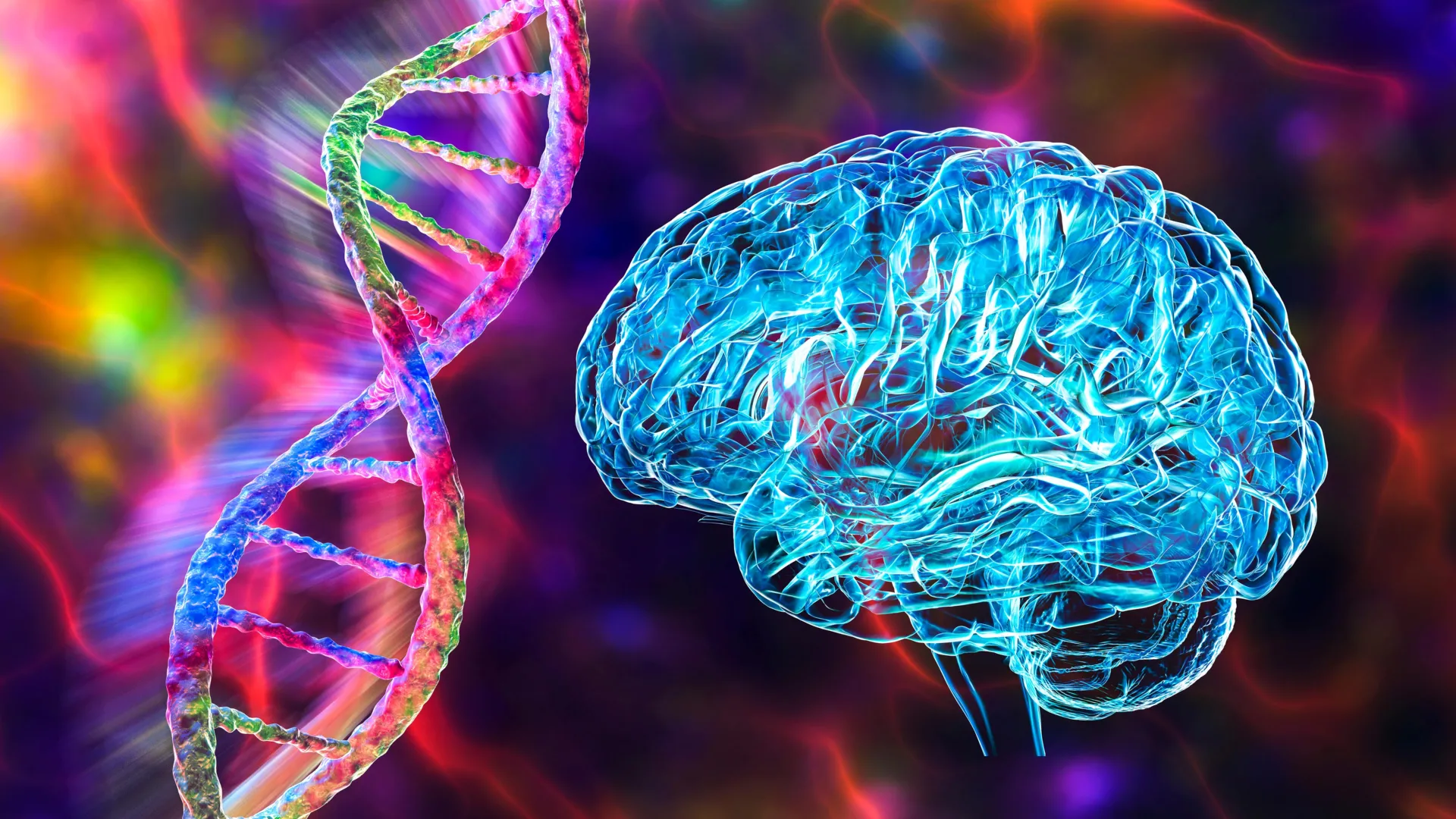
MicroRNAs are small, non-coding RNA molecules that play a crucial role in RNA silencing and the regulation of gene expression. According to Dr. Narayana, these molecules act as "master regulators" that can simultaneously influence multiple signaling pathways within the brain. By selecting microRNAs specifically known to suppress inflammatory responses and promote cellular repair, the team created a potent biological cocktail designed to reset the brain’s internal environment.
One of the most innovative aspects of the research is the delivery method. The blood-brain barrier (BBB) has long been the greatest obstacle in treating neurological disorders. The BBB is a highly selective semipermeable border that prevents solutes in the circulating blood from non-selectively crossing into the central nervous system. Most traditional drugs, when taken orally or intravenously, cannot cross this barrier in sufficient quantities to be effective.
By utilizing an intranasal delivery system, the researchers were able to bypass the BBB entirely. The nasal cavity provides a direct anatomical pathway to the brain via the olfactory and trigeminal nerves. This allows the therapeutic EVs to travel directly into the brain tissue, ensuring higher bioavailability and reducing the risk of systemic side effects.
Restoring Cellular Powerhouses and Reducing Oxidative Stress
The study’s findings indicate that the treatment’s benefits extend beyond mere anti-inflammatory effects. A critical discovery was the restoration of mitochondrial function within brain cells. Mitochondria are the "power plants" of the cell, responsible for producing adenosine triphosphate (ATP), the chemical energy required for all cellular processes.
In the aging brain, mitochondria often become dysfunctional due to oxidative stress—an imbalance between free radicals and antioxidants. When mitochondria fail, neurons lose their ability to process information efficiently, leading to cognitive "fog" and memory loss. The Texas A&M therapy was found to suppress the NLRP3 inflammasome and the cGAS-STING signaling pathways. These are specific protein complexes and pathways that, when overactive, trigger cell death and mitochondrial decay.
"We are giving neurons their spark back," Dr. Narayana noted, highlighting that by reactivating the brain’s mitochondria and reducing oxidative stress, the therapy allows the brain’s own repair systems to switch on. This bioenergetic recovery is essential for long-term cognitive health, as it provides neurons with the energy needed to maintain and repair synaptic connections.
Empirical Evidence and Behavioral Improvements
The researchers conducted rigorous behavioral testing to validate the biological changes observed at the cellular level. In animal models, the subjects treated with the nasal spray showed remarkable improvements in cognitive tasks compared to untreated control groups.
The testing focused on memory and recognition—areas typically hit hardest by aging and dementia. Treated models were significantly more successful at:
- Novel Object Recognition: Identifying when an object in their environment had been changed or replaced, a sign of robust short-term and working memory.
- Spatial Awareness: Detecting changes in their physical surroundings and navigating complex environments with greater ease.
- Retention: Maintaining memory of tasks and familiar objects over extended periods.
Remarkably, these improvements were achieved after only two doses of the nasal spray. Furthermore, the researchers observed that the positive effects were sustained for several months following the treatment, suggesting that the therapy induces a long-lasting "reboot" of the brain’s immune and energetic systems rather than providing a temporary masking of symptoms.
Demographic Consistency and Statistical Urgency
In a departure from many biomedical studies that show varying results between sexes, the Texas A&M research yielded consistent outcomes across both male and female models. Dr. Shetty emphasized that the "universal" nature of the response is a promising sign for the therapy’s eventual application in human populations.
The timing of this discovery is critical given the current global health landscape. According to data cited by the research team, the United States is facing a looming "dementia cliff." Annual cases of dementia are projected to nearly double from approximately 514,000 in 2020 to roughly 1 million by the year 2060. This increase is driven largely by an aging "Baby Boomer" generation and improvements in general life expectancy that have not been matched by improvements in "brainspan"—the period of life spent with full cognitive function.
The economic and social burden of this trend is immense. Caregiving for dementia patients costs the U.S. economy hundreds of billions of dollars annually in direct medical costs and lost productivity. A simple, non-invasive treatment like a two-dose nasal spray could drastically reduce these costs by allowing individuals to remain independent and cognitively healthy for longer periods.
Future Implications: From Stroke Recovery to Successful Aging
While the primary focus of the study was age-related cognitive decline, the researchers believe the applications could be much broader. The ability to suppress neuroinflammation and restore mitochondrial energy could be vital for patients recovering from ischemic strokes or traumatic brain injuries (TBI). In both cases, the brain suffers from "secondary injury" caused by a massive inflammatory surge following the initial event. By applying this nasal spray, clinicians might be able to limit the damage and accelerate functional recovery.
The Texas A&M team has already moved to protect their intellectual property, filing a U.S. patent for the therapy. The research was supported by the National Institute on Aging (NIA), reflecting the high level of federal interest in finding scalable solutions for the aging population.
"Our approach redefines what it means to grow old," Dr. Shetty stated. He argued that the goal of modern medicine should shift from simply extending the lifespan to achieving "successful brain aging." This involves keeping individuals socially engaged, alert, and connected to their surroundings, effectively ensuring that the mind remains as resilient as the body.
Analysis of the Path to Human Trials
Despite the promising results, the transition from animal models to human clinical trials involves several hurdles. The researchers must now determine the optimal dosage for humans, ensure the long-term safety of the microRNA-loaded EVs, and establish manufacturing protocols that can produce the treatment at scale.
However, the fact that the therapy uses extracellular vesicles—which are naturally occurring biological particles—may simplify the regulatory path compared to synthetic pharmaceutical compounds. Because EVs are less likely to trigger an adverse immune response, they represent a "biocompatible" delivery system that the human body is already programmed to recognize and utilize.
The potential for a two-dose regimen to replace months or years of daily medication is perhaps the most disruptive aspect of this research. In a medical environment often criticized for focusing on chronic management rather than cures, a treatment that "switches on" the brain’s innate repair mechanisms offers a radical new direction for 21st-century neurology.
As Dr. Shetty concluded, the mission is to translate these biological insights into real-world therapies. With the support of the NIA and the ongoing development of their patented technology, the Texas A&M team is positioned at the forefront of a movement that views brain aging not as an inevitable decline, but as a treatable biological condition.