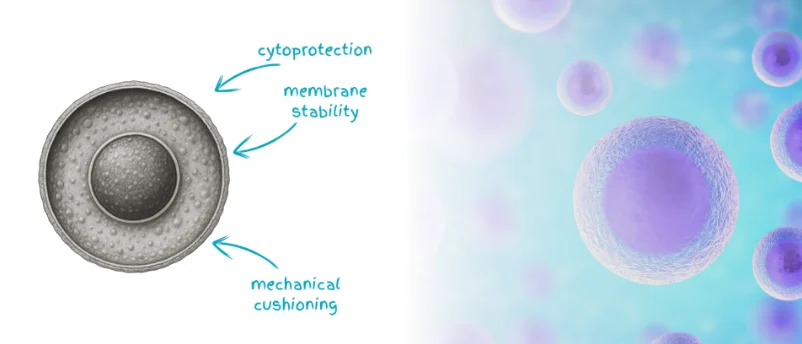
Oxford-based life sciences provider Amsbio has entered into a strategic commercial partnership with Newcastle-headquartered biotechnology innovator Atelerix to distribute a patented seaweed-derived hydrogel technology designed for the ambient-temperature storage and shipping of sensitive biological materials. The collaboration introduces a transformative hypothermic preservation method targeted at overcoming the longstanding logistical, economic, and biological bottlenecks associated with conventional cryopreservation in cell-based research, therapeutics development, and virology.
For decades, the standard protocol for maintaining the integrity of living cells, tissues, organoids, and viral vectors has relied on ultra-low temperature freezing and liquid nitrogen storage. While these methods slow down cellular metabolism and degradation, they introduce significant technical challenges. The processes of freezing and thawing frequently induce cellular stress, compromise structural and functional viability, and require complex, expensive cold-chain logistics. The newly introduced hydrogel technology offers an alternative approach, encapsulating biological samples in a protective matrix that maintains cellular stability at room temperature.
The Logistics of Modern Cell Therapies and Cold-Chain Bottlenecks
The global expansion of regenerative medicine, cell and gene therapies, and 3D cell-culture models has exponentially increased the demand for efficient biological sample transportation. Historically, moving delicate living materials across domestic and international borders has necessitated the use of specialized liquid nitrogen dry shippers, ultra-low temperature freezers, and substantial quantities of dry ice.
These cold-chain requirements impose severe financial burdens on academic institutions, contract research organizations (CROs), and pharmaceutical developers. Shipping fragile payloads under cryogenic conditions often incurs high freight tariffs due to hazardous materials regulations governing dry ice, while also carrying a risk of temperature excursions that can result in total batch loss. Furthermore, the reliance on single-use dry ice and continuous mechanical refrigeration contributes substantially to the carbon footprint of the biotechnology sector.
Beyond economic and environmental costs, the biological impact of traditional freezing is profound. Thawing delicate samples, such as complex organoids or primary human tissues, often demands immediate, time-sensitive processing to prevent rapid cell death. This creates severe operational bottlenecks in laboratories, where researchers must synchronize their workflows precisely with the arrival and thawing of sensitive materials. The newly available hydrogel technology seeks to mitigate these pressures by extending the usable window of preserved samples at ambient temperatures for up to two weeks.
Mechanisms of Seaweed-Derived Hypothermic Encapsulation
At the core of the Amsbio and Atelerix partnership is a proprietary hydrogel derived from natural seaweed sources. When introduced to biological samples, the material rapidly forms a protective, biocompatible microenvironment that shields individual cells, tissues, organoids, and viruses from mechanical damage and environmental stressors.
Rather than arresting cellular processes through extreme cold, the hypothermic hydrogel gently immobilizes the biological payload, maintaining cellular homeostasis at ambient temperatures. Supplier-validated workflows demonstrate that this encapsulation method preserves more than 90 percent of cell viability. Crucially, cells preserved within the hydrogel maintain their essential phenotypic characteristics, surface markers, spatial morphology, and functional capabilities upon release.
The technology is provided in specialized formulations and scalable formats, enabling researchers to tailor the preservation approach to specific sample types, volumes, multi-well plate configurations, and downstream applications. Once the samples reach their destination, they can be easily liberated from the hydrogel matrix without the need for harsh enzymatic treatments or complex washing steps, leaving the cells immediately ready for downstream assays or therapeutic manufacturing processes.

Environmental and Economic Implications
The transition from cryogenic shipping to room-temperature transportation yields quantifiable operational advantages for the life sciences industry. By eliminating the necessity for dry ice, liquid nitrogen dewars, and specialized ultra-cold storage units during transit, organizations can significantly reduce shipping weights and volumetric dimensions.
These reductions translate directly into lower logistics expenditures and diminished administrative overhead associated with regulatory compliance for hazardous cold-pack shipments. From an environmental perspective, cutting out energy-intensive mechanical freezing and single-use refrigerants aligns with corporate sustainability initiatives across the pharmaceutical and biotechnology sectors. As research institutions and commercial enterprises face mounting pressure to reduce their greenhouse gas emissions, ambient shipping technologies offer a straightforward pathway to lower energy consumption in supply chains.
Industry Context and Corporate Profiles
The partnership integrates Atelerix’s material science innovation with Amsbio’s established global distribution network and expertise in advanced cell culture models. Amsbio, operating as part of the Europa Biosite group, maintains a robust presence across Europe, North America, and international markets, specializing in tools for drug discovery, translational research, and regenerative medicine.
Amsbio’s comprehensive product portfolio spans multiple stages of the therapeutic pipeline, ranging from stem cell platforms utilizing StemFit media and iMatrix recombinant laminins to CELLBANKER cryopreservation solutions, extracellular matrices, and viral delivery services. By adding the Atelerix hypothermic hydrogel to its catalog, Amsbio expands its capabilities in sample management, bridging the gap between traditional cryopreservation and modern ambient logistics.
Atelerix, based in Newcastle upon Tyne, has dedicated its research efforts to developing advanced cell preservation technologies that extend the shelf life of fragile biological models without freezing. The company’s intellectual property portfolio centers on harnessing natural polysaccharides to stabilize complex biological systems at room temperature, facilitating more flexible supply chains for diagnostics, drug screening, and cell therapies.
Future Outlook for Ambient Biological Transport
The integration of seaweed-derived hydrogel storage into standard laboratory and clinical workflows signals a potential shift in how biological materials are handled globally. As clinical trials for cell and gene therapies become increasingly decentralized—requiring patient biopsy samples to be shipped to centralized manufacturing facilities and the resulting therapies returned to clinical sites—reliable, non-cryogenic transport mechanisms will become critical infrastructure.
While cryopreservation will remain essential for long-term biobanking, ambient hypothermic technologies offer an agile intermediate solution for active transit, routine cross-site collaboration, and point-of-care therapeutic delivery. The commercial availability of these scalable formats through Amsbio provides researchers with an immediate tool to streamline experimental design, reduce logistical failures, and advance translational science from the bench to the clinic with greater efficiency.