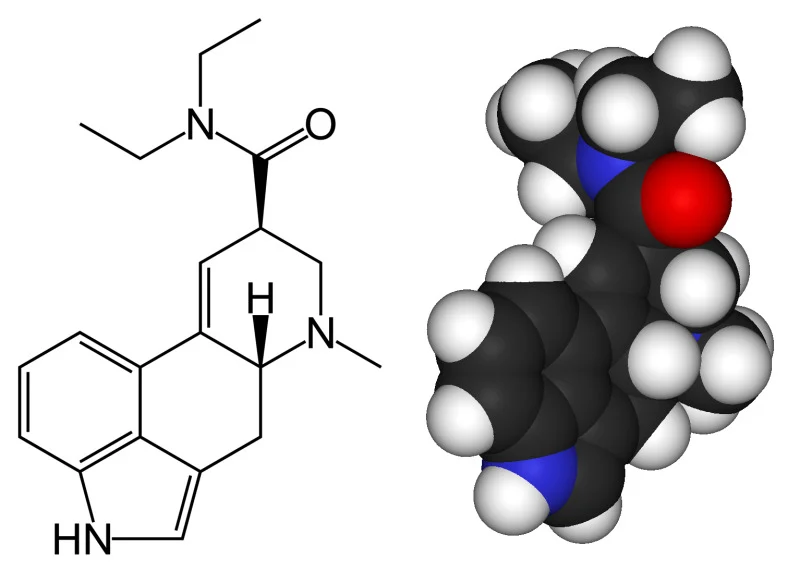
The landscape of psychiatric medicine is undergoing a profound transformation as pharmaceutical companies transition from chronic, daily-dosing regimens to high-intensity, short-duration psychedelic interventions. New York City-based Definium Therapeutics, formerly known as MindMed, has moved to the forefront of this shift following a series of successful Phase 3 clinical trials for DT120, an orally disintegrating 100 µg dose of LSD. With positive topline results for both Generalized Anxiety Disorder (GAD) and Major Depressive Disorder (MDD) secured, the company is now pivoting from clinical validation to the complex, high-stakes arena of market access, pricing strategy, and regulatory commercialization.
A New Paradigm for Psychiatric Care
The core challenge facing Definium is not merely the efficacy of its compound, but the logistics of its delivery. Unlike traditional SSRIs or SNRIs, which require patient compliance with a daily pill, DT120 represents a "procedural" therapy. The clinical protocol demands that patients remain onsite in a controlled, clinical environment for a minimum of eight hours under the supervision of two trained staff members.
This model mirrors the requirements for existing rapid-acting antidepressants like Janssen’s Spravato (esketamine), yet the pharmacological nature of LSD presents distinct operational hurdles. Because the psychoactive effects of a 100 µg dose typically span eight to twelve hours, the clinic becomes a critical nexus for safety and therapeutic integration. Definium’s data suggests that the average patient in the Voyage trial met the criteria for discharge in approximately 6.4 hours, though the trial design mandated a full eight-hour stay. As the company prepares for a potential New Drug Application (NDA) submission, the definition of this "monitoring window" will be the primary lever in determining the therapy’s cost-effectiveness and market adoption.
Chronology of Development: From MindMed to Definium
The journey to the current Phase 3 success has been marked by a rigorous, multi-year progression through the FDA’s drug development pipeline.
- 2024: Then known as MindMed, the company reported positive Phase 2b results for its lead candidate, then designated MM120. During this period, CEO Robert Barrow emphasized that the monitoring burden would likely be less intensive than that of Spravato, citing a lack of the cardiorespiratory risks that necessitate more aggressive monitoring in the esketamine protocol.
- 2025: The company published its Phase 2b data in JAMA, detailing a 12-hour onsite observation period regardless of patient status. This study served as the foundation for the "End of Session Checklist" (EOSC) that would eventually define the Phase 3 Voyage protocol.
- June 2026: Definium announced successful Phase 3 results for MDD, establishing a consistent performance profile for the compound.
- August 2026: The company released topline data from the Voyage trial for GAD, marking a significant milestone in the company’s push toward the regulatory finish line.
Economic Modeling and the Pricing Conundrum
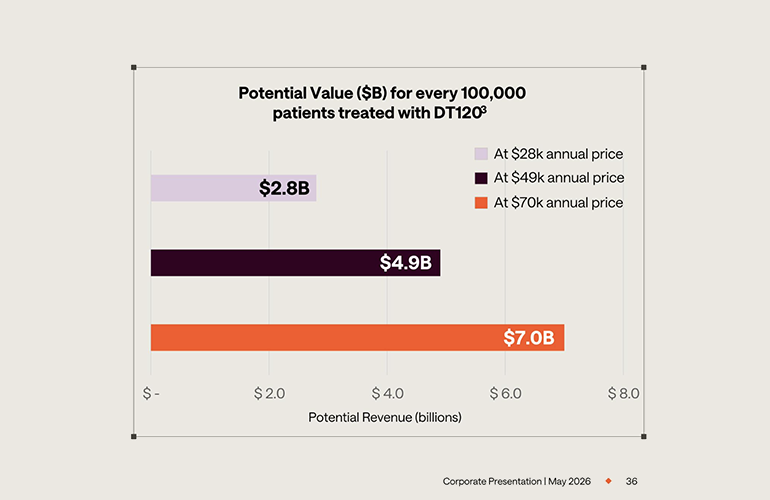
In an SEC filing dated January 2026, Definium outlined a financial framework that positioned DT120 as a high-value intervention. The company modeled potential revenue based on annual pricing ranging from $28,000 to $70,000 per patient. While Definium has explicitly stated that the final price of DT120 has not been established, these figures are strategically anchored to the pricing of existing specialty psychiatric therapies.
For every 100,000 patients treated, the company estimates a total addressable market value of between $2.8 billion and $7 billion. This valuation relies on the assumption that insurers will recognize the "compression effect" of the therapy—where a single or limited series of doses provides durable, multi-month relief, thereby reducing the long-term costs associated with chronic care, hospitalizations, and emergency interventions for treatment-resistant populations.
Comparative Pharmacology and Operational Realities
Definium’s competition in this space is not limited to traditional pharmacotherapy; it faces significant pressure from the development of synthetic psilocybin. Compass Pathways, with its COMP360 program, has successfully navigated the Phase 3 process for treatment-resistant depression. Pharmacologically, both LSD and psilocybin are classic serotonergic psychedelics targeting the 5-HT2A receptor.
However, the operational differences are notable. While a standard Spravato session is generally completed within two hours, both LSD and psilocybin require full-day monitoring. Compass Pathways has reported that its administrative sessions last between six and eight hours, with most adverse events resolving within 24 hours. Definium’s strategy to differentiate DT120 rests on the EOSC, which the company hopes will eventually allow for a flexible discharge window of 5–8 hours, provided a patient meets the clinical safety benchmarks.
Clinical Efficacy and the "Compression" Effect
One of the most debated aspects of the Phase 3 data is the phenomenon of statistical compression. In the transition from Phase 2b to Phase 3, Definium observed a decrease in the placebo-adjusted difference from 7.7 points to 5.4 points on anxiety scales. Despite this narrowing, the standardized effect size remained robust at 0.81.
Analysts suggest that this compression is a common occurrence in pivotal trials, often due to the introduction of more stringent blinding protocols—such as the use of central raters who are masked to both the treatment arm and the specific visit number. This methodological rigor is designed to satisfy FDA scrutiny, even if it results in a more conservative estimate of efficacy compared to smaller, earlier-stage studies.
Leadership Perspective: The Value of Time
Addressing concerns regarding the patient experience and the "time-in-clinic" burden, CEO Robert Barrow has remained steadfast. During the August 12 Voyage results call, he characterized the eight-hour monitoring period as a "trial artifact" rather than a permanent clinical requirement.
Barrow argues that for patients who have suffered from severe, treatment-resistant anxiety for decades, the trade-off of a single day in a clinic is a negligible price to pay for what he describes as "unprecedented" results. "We have yet to meet one of these anxiety patients who says they are unwilling to stay in the clinic for an extra 30 minutes if it means the potential for a profound, lasting improvement in their condition," Barrow noted.
Implications for the Future of Psychiatry
The success of DT120 carries broader implications for the healthcare system. If Definium can demonstrate that a controlled, eight-hour intervention can effectively replace years of traditional, less effective daily medication, the shift in healthcare spending will be significant.
However, success depends on three critical pillars:
- Regulatory Approval: The FDA must validate the safety profile of the 100 µg dose and accept the EOSC as a sufficient tool for determining discharge safety.
- Payer Acceptance: Insurance providers must be convinced that the upfront cost of $28,000–$70,000 per patient is offset by the long-term reduction in medical resource utilization.
- Clinical Infrastructure: The current healthcare system is not built for eight-hour psychiatric sessions. Definium will likely need to partner with specialized clinics or hospital networks to create the necessary "safe space" environment at scale.
As Definium moves into the final stages of its regulatory journey, the industry will be watching closely to see if the promise of psychedelic medicine can transition from a clinical trial phenomenon into a sustainable, scalable reality. The "Voyage" is far from over, but the data suggests that the company is successfully navigating the transition from a research-driven startup to a potential leader in the next generation of mental health therapeutics.