

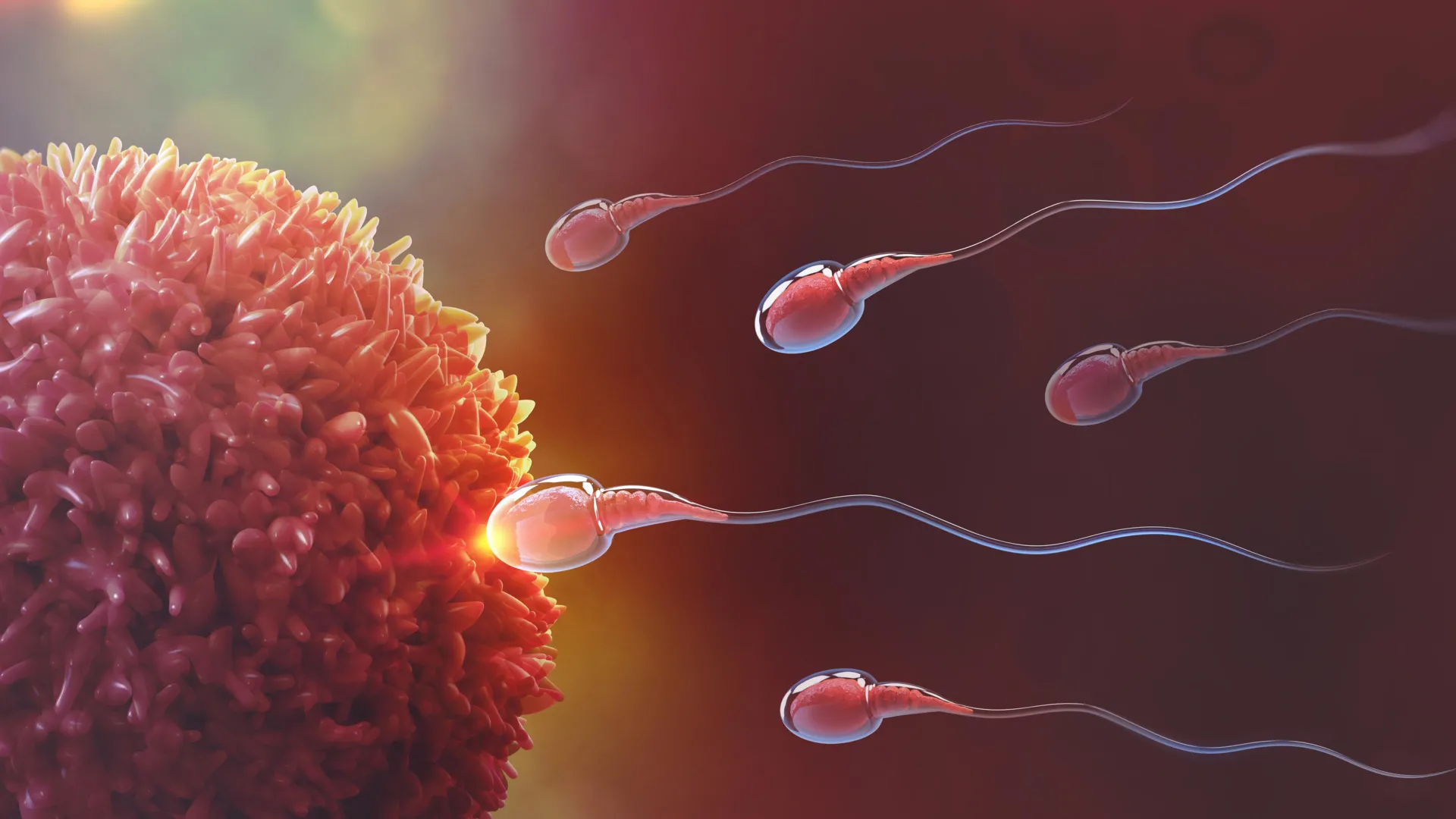
In a breakthrough study that bridges the gap between basic biochemistry and reproductive medicine, researchers at Michigan State University (MSU) have pinpointed a specific molecular "switch" responsible for the dramatic surge in energy sperm require to fertilize an egg. The discovery, led by Melanie Balbach, an assistant professor in the Department of Biochemistry and Molecular Biology, provides a detailed map of how sperm cells reprogram their metabolism. This newfound understanding of sperm energetics is poised to revolutionize two critical areas of healthcare: the treatment of male infertility and the development of the world’s first effective, nonhormonal male contraceptive.
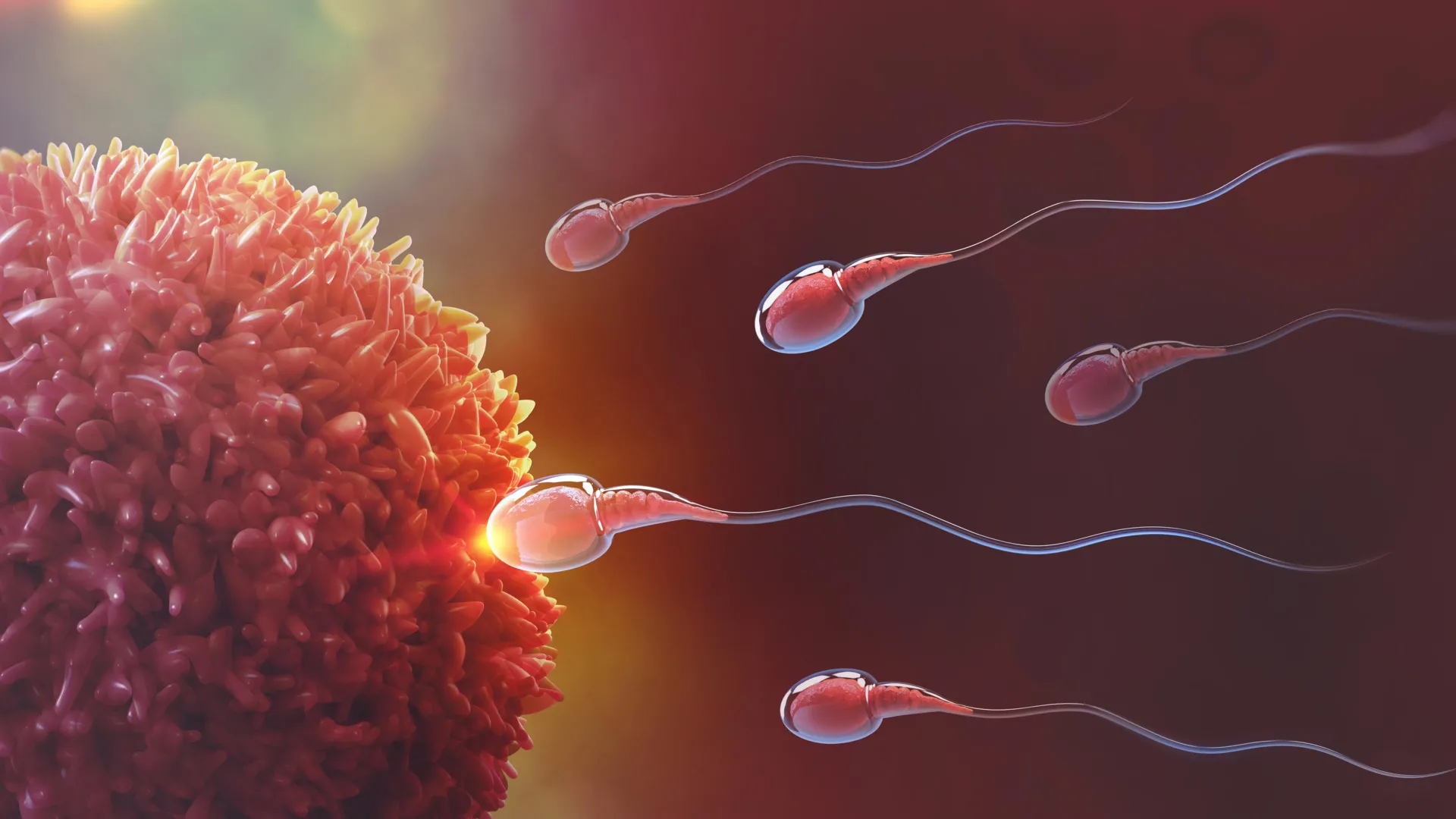
The study, recently published in the Proceedings of the National Academy of Sciences (PNAS), identifies the enzyme aldolase as a primary regulator in the metabolic transition sperm undergo. This transition is essential for "hyperactivation," the process by which sperm shift from a state of relative dormancy to a high-powered, vigorous swimming mode necessary to navigate the female reproductive tract and penetrate the egg’s protective layers.
The Metabolic Journey of the Sperm Cell
Sperm are unique among human cells due to their highly specialized and singular mission. Unlike most cells that maintain a steady-state metabolism to support various functions, sperm cells are designed for a one-way journey with a single objective: fertilization. For much of their existence, mammalian sperm remain in a low-energy, quiescent state. This conservation of energy is vital for survival during storage in the male reproductive system.
However, upon entering the female reproductive tract, the environment changes drastically. The sperm encounter new chemical signals and physiological conditions that trigger a rapid transformation. They must not only swim faster but also undergo structural changes in their outer membranes to facilitate interaction with the egg. This "metabolic reprogramming" requires a sudden and massive influx of Adenosine Triphosphate (ATP), the primary energy currency of the cell.
"Sperm metabolism is special since it’s only focused on generating more energy to achieve a single goal: fertilization," explained Dr. Balbach, the senior author of the study. Since joining MSU in 2023, Balbach has expanded upon her previous research to focus on the intricate pathways that govern this sudden energy demand. She notes that while many cells undergo metabolic shifts, sperm provide an unparalleled model for studying how cells can rapidly switch between low and high energy states.
Mapping the Path: The "Pink Car" Analogy and Glucose Tracking
To understand how sperm generate this sudden burst of power, the research team—which included collaborators from Memorial Sloan Kettering Cancer Center and the Van Andel Institute—developed a sophisticated method to track the processing of glucose. Glucose, a sugar found in the fluids of the reproductive tract, serves as the primary fuel source for sperm during their journey.
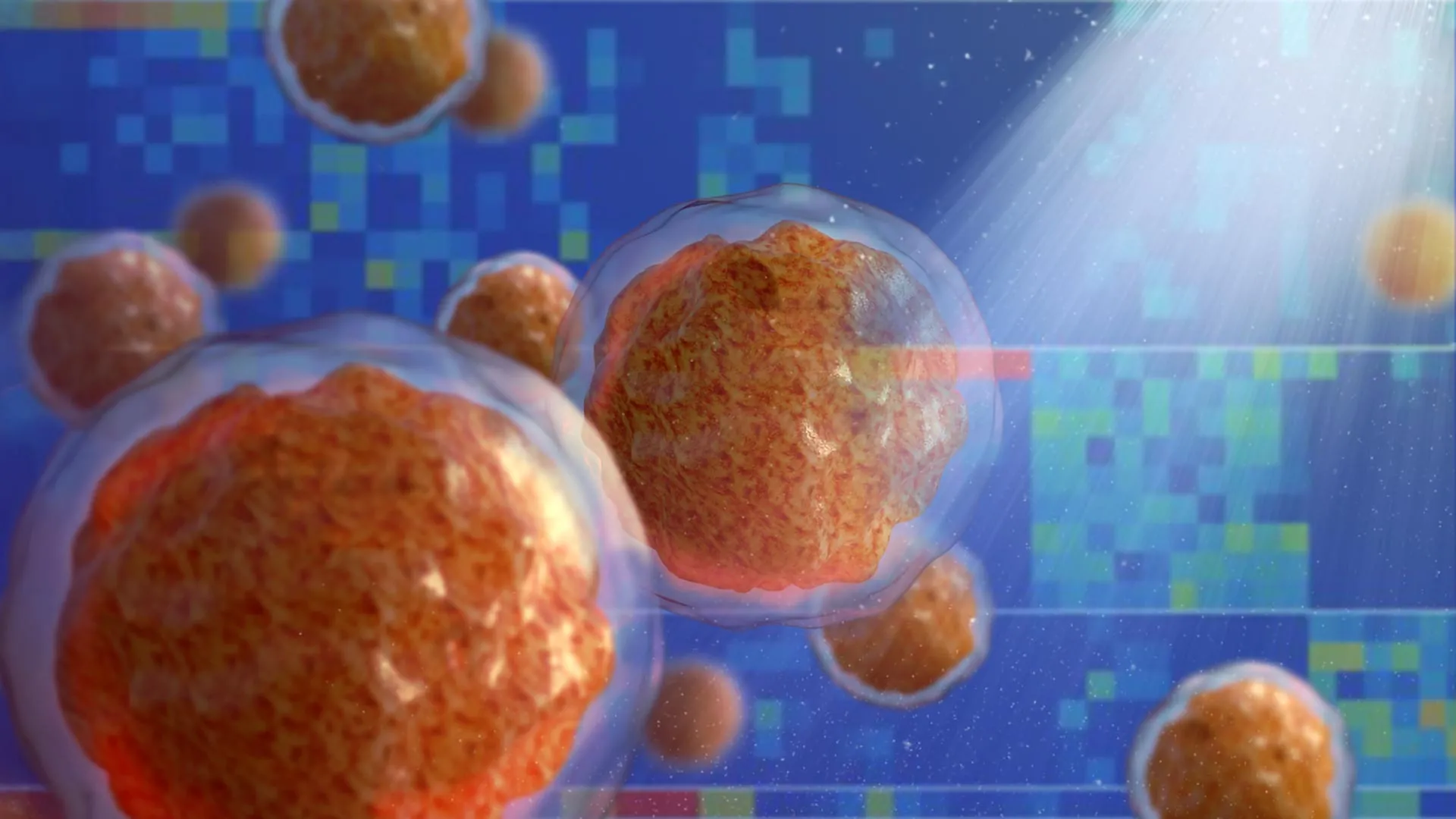
The team utilized Michigan State University’s state-of-the-art Mass Spectrometry and Metabolomics Core to map the chemical trajectory of glucose as it moved through the sperm cell. To explain the complexity of this tracking, Dr. Balbach utilized a vivid analogy.
"You can think of this approach like painting the roof of a car bright pink and then following that car through traffic using a drone," Balbach said. "In activated sperm, we saw this painted car moving much faster through traffic while preferring a distinct route and could even see what intersections the car tended to get stuck at."
By observing these "traffic patterns" in the metabolic pathways, the researchers identified that activated sperm do not just use more fuel; they use it differently. The study highlighted that sperm rely on internal energy reserves they carry from the start, but as they move toward the egg, the enzyme aldolase acts as a critical "traffic controller." Aldolase facilitates the breakdown of glucose into usable energy through a process known as glycolysis. When this enzyme is optimized, the sperm can reach the high-energy state required for fertilization.
A New Era for Male Contraception
One of the most significant implications of this research lies in the realm of contraception. For decades, the burden of pregnancy prevention has fallen disproportionately on women, largely due to a lack of options for men beyond condoms and vasectomies. Previous attempts to develop a "male pill" have primarily focused on suppressing sperm production through hormonal manipulation. However, hormonal approaches often come with significant side effects, including mood swings, weight gain, and changes in libido, and they often require months to become effective or to be reversed.
The MSU study suggests a more precise, nonhormonal alternative: targeting sperm function rather than production. By identifying the specific enzymes—like aldolase—that act as the metabolic "switch," scientists can develop inhibitors that temporarily "turn off" the sperm’s ability to generate the energy needed for fertilization.
"Better understanding the metabolism of glucose during sperm activation was an important first step, and now we’re aiming to understand how our findings translate to other species, like human sperm," Balbach said. "One option is to explore if one of our ‘traffic-control’ enzymes could be safely targeted as a nonhormonal male or female contraceptive."
Such a contraceptive would theoretically be "on-demand," providing immediate infertility by preventing sperm from swimming effectively, without altering the user’s hormonal balance. This would offer a level of agency and flexibility that current methods lack. With approximately 50% of pregnancies worldwide being unplanned, the development of a safe, reversible male contraceptive could have a profound impact on global public health and reproductive equity.
Addressing the Global Challenge of Infertility
While the research offers a pathway to prevent pregnancy, it is equally vital for those struggling to achieve it. Infertility currently affects approximately one in six people globally, according to the World Health Organization. In many cases, the cause of male infertility remains "idiopathic" or unexplained, even when sperm counts appear normal.
The discovery of the aldolase switch suggests that some cases of infertility may be rooted in metabolic failure—sperm that are healthy in appearance but unable to "shift gears" into the high-energy state required to reach and penetrate the egg.
"Studying sperm metabolism could lead to better diagnostic tools and improved assisted reproductive technologies," Balbach noted. By analyzing the metabolic profile of a patient’s sperm, clinicians might be able to identify specific energy deficiencies. Furthermore, this research could lead to the development of enhanced media for In Vitro Fertilization (IVF). Currently, IVF involves placing sperm and eggs in a nutrient-rich liquid; understanding the exact fuel requirements of sperm could allow scientists to create "super-charged" environments that maximize the chances of successful fertilization.
Chronology of Discovery and Institutional Collaboration
The identification of the aldolase switch is the culmination of years of focused research. Dr. Balbach’s work began in earnest during her tenure at Weill Cornell Medicine, where she contributed to studies showing that blocking certain sperm enzymes could induce temporary infertility in animal models. Those early findings laid the groundwork for the hypothesis that sperm metabolism was the "Achilles’ heel" of male fertility.
Upon moving to Michigan State University in 2023, Balbach integrated the university’s advanced metabolomics resources with the specialized expertise of the Van Andel Institute and Memorial Sloan Kettering. This multi-institutional collaboration allowed the team to move beyond simply observing that sperm use energy to actually mapping the specific enzymatic "intersections" where that energy is regulated.
The research was supported by the National Institute of Child Health and Human Development (NICHD), part of the National Institutes of Health (NIH). This federal backing underscores the high priority placed on finding new solutions for reproductive health.
Analysis of Broader Implications
The findings by the Balbach lab represent a shift in the philosophy of reproductive biology. For years, the focus was on the genetic and structural integrity of sperm. This study shifts the spotlight to the dynamic biochemical processes that occur in real-time.
From a socio-economic perspective, the development of a nonhormonal male contraceptive could reduce the healthcare costs associated with unplanned pregnancies and the side effects of female hormonal birth control. For women who cannot use hormonal contraception due to underlying health conditions, such as a history of blood clots or certain cancers, a reliable male-centered option is a medical necessity.
Furthermore, the "traffic-control" enzyme discovery opens doors for comparative biology. Researchers are now looking at whether similar metabolic switches exist in other species, which could have implications for veterinary medicine and the preservation of endangered species through improved captive breeding programs.
Future Research Directions
The next phase of Dr. Balbach’s research involves translating these findings from mouse models to human subjects. While the basic mechanisms of glycolysis are conserved across mammals, the specific regulatory nuances of human sperm metabolism must be verified.
Balbach also intends to investigate how different fuel sources, such as fructose—which is prevalent in the seminal vesicles—interact with the glucose pathways. Understanding the interplay between various sugars will provide a more holistic view of how sperm maintain their stamina during the arduous journey through the cervix and uterus.
"I’m excited to see what else we can find and how we can apply these discoveries," Balbach concluded. The work at MSU stands as a testament to the power of metabolic mapping in solving some of the most persistent challenges in human biology. By finding the switch that powers life’s beginning, researchers are illuminating a path toward more personal autonomy in family planning and more effective solutions for those wishing to conceive.












Leave a Reply