Recent scientific investigations have unveiled a concerning correlation between the pervasive presence of microplastics in the environment and the rising global incidence of neurodegenerative disorders, including Alzheimer’s and Parkinson’s disease. A systematic review led by an international coalition of researchers from the University of Technology Sydney (UTS) and Auburn University in the United States has identified five distinct biological mechanisms through which these microscopic plastic fragments may trigger debilitating brain inflammation and cellular degradation. This research, published in the peer-reviewed journal Molecular and Cellular Biochemistry, arrives at a critical juncture as public health experts grapple with a dementia crisis that currently affects more than 57 million people worldwide—a figure projected to triple by 2050.
The scale of human exposure to these pollutants is significantly higher than previously estimated. Associate Professor Kamal Dua, a pharmaceutical scientist at UTS and one of the study’s lead authors, calculates that the average adult may ingest approximately 250 grams of microplastics annually. This volume is roughly equivalent to the mass of a standard dinner plate, highlighting the extent to which plastic polymers have permeated the global food chain and domestic environments. As the global production of plastic continues to rise, the bioaccumulation of these materials within human tissues is becoming an inescapable reality of modern life.
The Five Biological Pathways of Neurotoxicity
The core of the study revolves around the identification of five specific pathways that facilitate brain damage. These mechanisms demonstrate how microplastics transition from inert environmental pollutants to active biological disruptors once they bypass the body’s natural defense systems.
The first and perhaps most critical pathway involves the disruption of the blood-brain barrier (BBB). The BBB serves as a highly selective semipermeable border that prevents solutes in the circulating blood from non-selectively crossing into the extracellular fluid of the central nervous system. According to Associate Professor Dua, microplastics weaken this barrier, rendering it "leaky." Once the integrity of the BBB is compromised, the brain becomes vulnerable to the influx of inflammatory molecules and immune cells that would otherwise be excluded. This initial breach sets off a self-perpetuating cycle where the resulting inflammation further degrades the barrier’s cellular structure.
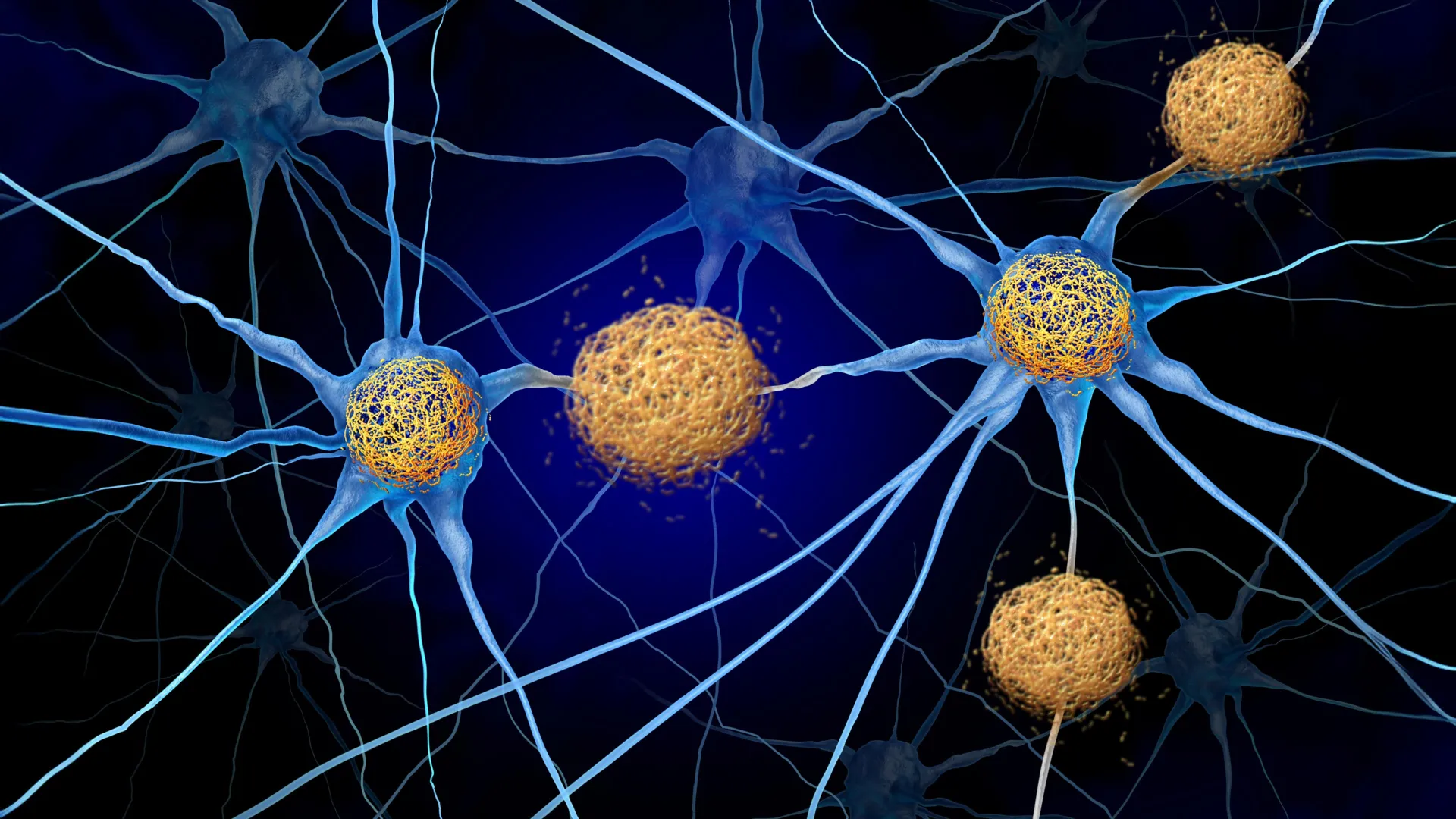
The second pathway focuses on the activation of the brain’s innate immune system. When microplastics enter the neural environment, the body identifies them as foreign intruders. This triggers microglia—the primary immune cells of the brain—to launch an attack. While intended as a protective measure, chronic activation of these cells leads to sustained neuroinflammation, a hallmark of neurodegenerative progression.
Thirdly, the research highlights the role of oxidative stress. Microplastics drive this damage by increasing the concentration of reactive oxygen species (ROS), which are unstable molecules that can damage DNA, proteins, and lipids within brain cells. Simultaneously, these particles weaken the body’s endogenous antioxidant defenses, leaving neurons unprotected against chemical volatility.
The fourth mechanism involves the interference with mitochondrial function. Mitochondria are the "powerhouses" of the cell, responsible for producing adenosine triphosphate (ATP), the primary energy currency for cellular processes. The study found that microplastic exposure reduces ATP supply, creating an energy shortfall that impairs neuron activity and leads to premature cell death.
Finally, the fifth pathway is the direct damage to neurons. The cumulative effect of the previous four mechanisms results in physical and functional deterioration of the nervous system’s basic units, facilitating the cognitive and motor declines associated with Alzheimer’s and Parkinson’s.
Chronology of Microplastic Research and Recognition
The recognition of microplastics as a human health threat has evolved rapidly over the last two decades. In the early 2000s, marine biologists began documenting the presence of "mermaid tears"—small plastic pellets—in the digestive tracts of sea birds and fish. By the mid-2010s, the focus shifted toward the presence of microplastics in human drinking water and table salt.
In 2018, a landmark pilot study presented at a gastroenterology conference in Vienna provided the first evidence of microplastics in human stool samples, confirming ingestion. By 2022, researchers in the Netherlands and the UK independently detected microplastics in human blood and deep lung tissue, proving that these particles could move beyond the digestive system and enter the circulatory system.
The current study from UTS and Auburn University represents the next phase of this chronological progression: understanding the specific biochemical interactions that occur once these particles reach the most sensitive organ in the human body—the brain. This timeline illustrates a transition from viewing plastic as a "visible" litter problem to an "invisible" systemic health risk.
Sources of Ingestion and Environmental Prevalence
The ubiquity of microplastics—defined as plastic particles less than five millimeters in diameter—stems from the degradation of larger plastic waste and the intentional manufacture of micro-beads. The study lists a wide array of exposure routes that contribute to the 250-gram annual intake.
Common sources include contaminated seafood, where fish mistake plastic for prey, and salt harvested from plastic-polluted oceans. However, terrestrial sources are equally significant. Processed foods packaged in plastic, tea bags made from synthetic mesh, and plastic chopping boards contribute significantly to the daily "plastic load." Furthermore, beverages stored in plastic bottles are a primary source of polyethylene terephthalate (PET) ingestion.
Beyond ingestion, inhalation remains a critical pathway. Synthetic clothing, carpets, and household dust shed millions of plastic fibers annually. Earlier research from the UTS team, led by Dr. Keshav Raj Paudel, has specifically examined how these inhaled fibers settle deep within the lung parenchyma, potentially entering the bloodstream through the alveolar-capillary membrane.
The most common polymers identified in these processes include:
- Polyethylene: Used in plastic bags and bottles.
- Polypropylene: Used in food packaging and automotive parts.
- Polystyrene: Used in laboratory ware and insulation.
- PET: Used extensively in the beverage industry.
Supporting Data: The Rising Tide of Neurodegeneration
The implications of this research are underscored by global health statistics. The World Health Organization (WHO) currently estimates that dementia is the seventh leading cause of death among all diseases. Alzheimer’s disease accounts for 60-70% of these cases. Parkinson’s disease is the fastest-growing neurological disorder in the world, with its prevalence doubling over the past 25 years.
The researchers hypothesize that microplastics act as a catalyst for these conditions. In Alzheimer’s patients, the presence of plastic fragments may promote the aggregation of beta-amyloid and tau proteins, which form the plaques and tangles characteristic of the disease. In the context of Parkinson’s, microplastics are believed to encourage the aggregation of α-Synuclein proteins and specifically target dopaminergic neurons, which are responsible for motor control.
Official Responses and Strategic Recommendations
The international research team, which includes Alexander Chi Wang Siu, Dr. Keshav Raj Paudel, and Distinguished Professor Brian Oliver, emphasizes that while a direct causal link in humans requires further longitudinal study, the biological plausibility is too significant to ignore.
"We need to change our habits and use less plastic," stated Dr. Paudel. The researchers recommend several practical interventions for the public:
- Eliminate Plastic in Food Prep: Transitioning to wood or glass cutting boards and avoiding plastic containers for hot food.
- Fiber Awareness: Choosing natural textiles such as cotton, wool, or linen over synthetic polyesters and avoiding the use of tumble dryers, which shed high volumes of microfibers.
- Dietary Adjustments: Reducing reliance on highly processed and packaged foods.
From a policy perspective, the researchers hope these findings will influence the ongoing negotiations for the UN Global Plastics Treaty. They argue that environmental policies must move beyond waste management and address the health risks of plastic production and chemical leaching.
Broader Impact and Future Implications
The study’s findings suggest that the "plastic era" may leave a permanent mark on human biology. If microplastics are indeed a contributing factor to the global rise in neurodegenerative diseases, the economic burden on healthcare systems will be staggering. The cost of caring for dementia patients already runs into the trillions of dollars globally.
Furthermore, this research opens new avenues for "environmental neurology." Future studies are expected to investigate whether certain individuals are more genetically predisposed to microplastic-induced brain damage and whether there are therapeutic ways to "de-plasticize" the human body.
As the scientific community continues to explore the "Plastisphere"—the ecosystem created by plastic waste—the work of the UTS and Auburn University team serves as a stark warning. The convenience of disposable plastic may come at the cost of long-term neurological health, necessitating a fundamental shift in how modern society produces, uses, and regulates synthetic polymers. The researchers are currently continuing their work in the laboratory of Professor Murali Dhanasekaran at Auburn University, focusing on the real-time effects of microplastics on brain cell function to further solidify the evidence base for future public health interventions.