The long-held scientific consensus that neurons are the sole architects of thought, emotion, and memory is undergoing a significant transformation following a breakthrough study published in the journal Nature. For decades, the star-shaped cells known as astrocytes were relegated to the background of neuroscience, viewed primarily as "housekeeping" cells that provided structural support and metabolic maintenance for neurons. However, new research led by the University of Arizona and the National Institutes of Health (NIH) reveals that these widely distributed cells play an active and indispensable role in the formation, storage, and extinction of fear memories. This discovery suggests that astrocytes are not merely passive observers but are dynamic participants in the neural circuits that govern how living beings respond to danger and trauma.
The Shift from Glue to Governance
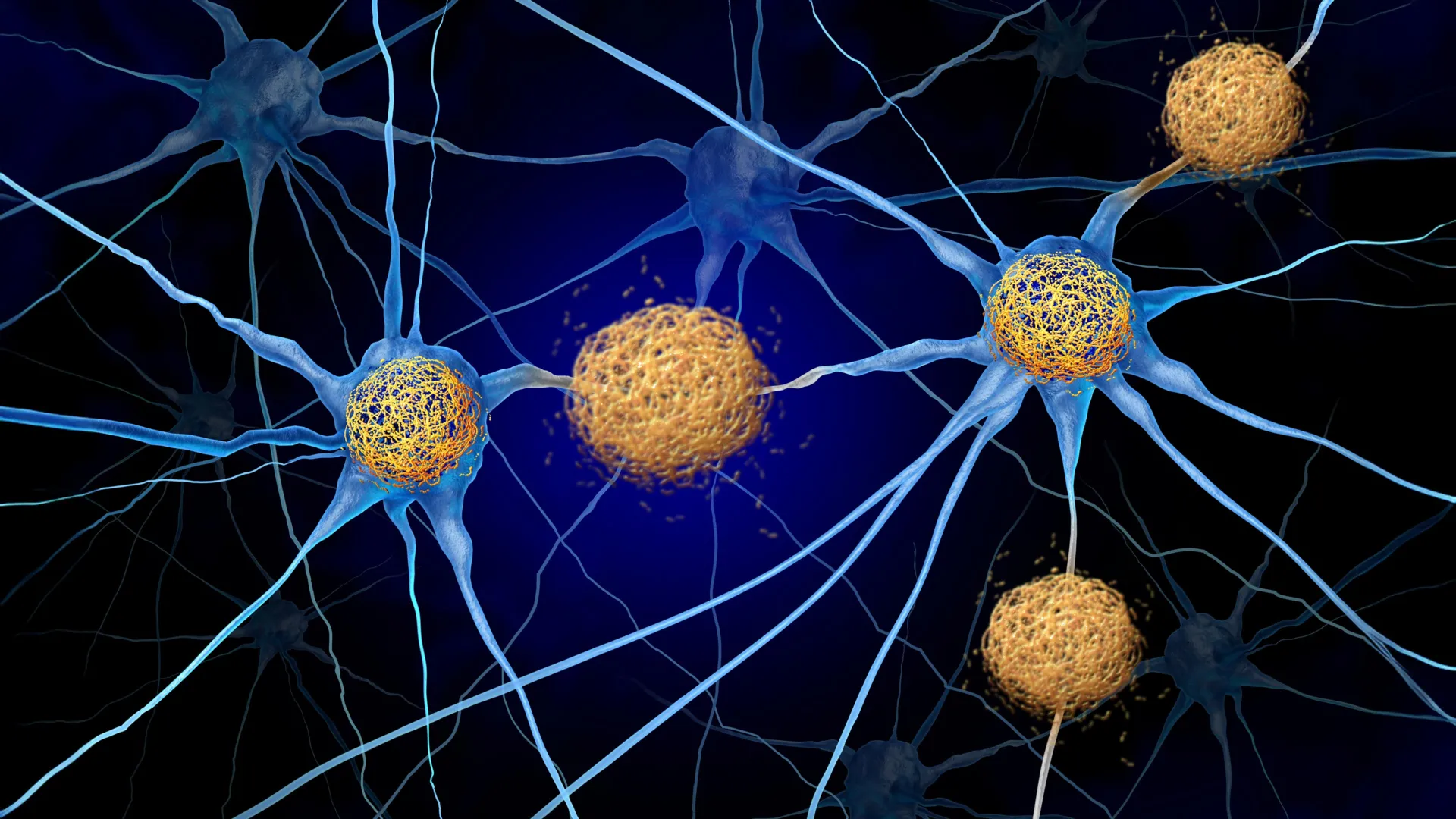
The term "glia," the category of cells to which astrocytes belong, is derived from the Greek word for "glue." When Rudolf Virchow first identified these cells in the mid-19th century, he believed they served as a connective cement for the nervous system. While neurons were recognized for their ability to transmit electrical signals across synapses, astrocytes were thought to be silent partners, responsible for cleaning up neurotransmitters, maintaining the blood-brain barrier, and ensuring the ionic balance of the extracellular environment.
This traditional "neuron-centric" view has been the bedrock of modern psychiatry and neurology. However, the recent study led by Lindsay Halladay, an assistant professor at the University of Arizona’s Department of Neuroscience, alongside Andrew Holmes and Olena Bukalo of the Laboratory of Behavioral and Genomic Neuroscience at the NIH, provides compelling evidence that this model is incomplete. By focusing on the amygdala—the brain’s primary hub for emotional processing—the research team demonstrated that astrocytes are integral to the encoding and maintenance of fear signaling.
Chronology of the Discovery
The multi-institutional project was born out of a desire to understand why astrocytes are so intricately interwoven with neurons if their only role is maintenance. The research moved through several critical phases:
- Initial Observation: Researchers utilized advanced mouse models to observe brain activity during fear-conditioning exercises. Using fluorescent sensors that light up in response to cellular activity, the team monitored both neurons and astrocytes in real-time.
- Mapping the Fear Response: The study observed that when a mouse learned to associate a specific stimulus with a negative outcome, astrocyte activity in the amygdala spiked in tandem with neuronal activity.
- The Memory Recall Phase: Upon re-exposing the subjects to the stimulus, the astrocytes again showed heightened activity, indicating they were involved in the retrieval of the fear memory.
- Extinction Training: The most significant phase involved "fear extinction," where the subjects were taught that the stimulus was no longer a threat. As the fear subsided, the activity within the astrocytes declined, suggesting a direct correlation between these cells and the emotional state of the subject.
- Signal Manipulation: To prove causality, the researchers used chemogenetic tools to artificially strengthen or weaken the signals astrocytes send to nearby neurons. When astrocyte signaling was amplified, the fear response became more intense and persistent. Conversely, weakening the signals made the fear memories easier to suppress.
Supporting Data and Biological Mechanisms
The study’s findings are supported by data showing that astrocytes influence the "plasticity" of the brain—the ability of neural connections to strengthen or weaken over time. In the amygdala, astrocytes were found to regulate the synaptic strength between neurons. When astrocyte function was disrupted, neurons failed to synchronize their firing patterns, which is a requirement for the formation of stable memories.
Quantitative analysis from the study revealed that the disruption of astrocyte signaling led to a significant decrease in the efficiency of the "defensive response" circuit. In practical terms, this means that without the proper functioning of astrocytes, the brain cannot accurately communicate the level of danger to other regions, such as the motor cortex (responsible for the "freeze" response) or the prefrontal cortex (responsible for decision-making).
Furthermore, the research highlighted that astrocytes do not act in isolation. They are part of a "tripartite synapse," a conceptual model where the synapse consists of the presynaptic neuron, the postsynaptic neuron, and the surrounding astrocyte process. This study provides the strongest evidence to date that the astrocyte is a functional equal in this trio, capable of modulating the flow of information that determines an animal’s behavioral response to fear.
Official Responses and Academic Impact
"Astrocytes are interwoven among neurons in the brain, and it seemed unlikely they were there just for housekeeping," said Lindsay Halladay. "For the first time, we found that astrocytes encode and maintain neural fear signaling. Understanding what they’re actually doing and how they’re shaping neural activity in the process is essential to understanding the brain as a whole."
The collaborative nature of the study, involving the University of Arizona and the NIH’s Laboratory of Behavioral and Genomic Neuroscience, underscores the weight of these findings. Dr. Andrew Holmes noted that the study challenges the "neuron-alone" paradigm of fear processing. While neurons provide the rapid electrical signaling necessary for immediate reactions, astrocytes appear to provide a regulatory layer that determines the longevity and intensity of those signals.
The broader scientific community has received the study as a landmark in the field of "glioscience." Experts suggest that this research could explain why some individuals are more prone to developing chronic anxiety or PTSD; if their astrocytes are "over-active" or failing to properly signal the extinction of fear, the neural circuits may remain trapped in a state of high alert long after a threat has passed.
Broader Implications for Clinical Psychiatry
The discovery that astrocytes control the expression of fear has profound implications for the treatment of mental health disorders. Currently, most pharmacological treatments for anxiety and PTSD target neurotransmitters like serotonin, norepinephrine, or GABA, which primarily affect neuronal firing. However, many patients do not respond to these treatments, or they experience significant side effects.
By identifying astrocytes as a key player in fear circuits, researchers have opened a new door for drug development. Potential "gliotherapeutic" interventions could focus on:
- Astrocyte Modulators: Small molecules that can tune the signaling intensity of astrocytes to help "dampen" overactive fear circuits in PTSD patients.
- Enhancing Fear Extinction: Therapeutic strategies that target astrocytes to accelerate the process of "unlearning" trauma, making cognitive-behavioral therapy (CBT) more effective.
- Circuit-Specific Targeting: Because astrocytes in the amygdala behave differently than those in other brain regions, it may be possible to develop localized treatments that reduce anxiety without affecting other cognitive functions.
Expanding the Fear Network
The research team is already looking beyond the amygdala. The "fear circuit" is a complex web that includes the prefrontal cortex—the area of the brain responsible for high-level decision-making and executive function—and the periaqueductal gray (PAG) in the midbrain, which coordinates the physical "fight or flight" response.
Halladay’s next phase of research aims to investigate how astrocytes facilitate the communication between these distant regions. Preliminary data suggests that astrocytes help guide how fear-related signals from the amygdala are interpreted by the prefrontal cortex. If this communication is flawed, the brain may struggle to distinguish between a real threat and a benign situation, leading to the "inappropriate fear responses" characteristic of generalized anxiety disorder.
"Understanding that larger circuit could help answer a simple question of why someone with an anxiety disorder might exhibit inappropriate fear responses to something that isn’t actually dangerous," Halladay explained.
A New Era of Neuroscience
This study represents a fundamental shift in how we perceive the biological basis of emotion. By elevating astrocytes from "support staff" to "circuit controllers," the research provides a more holistic view of the brain’s architecture. It suggests that the secret to treating the most stubborn psychological conditions may not lie in the neurons themselves, but in the star-shaped cells that surround them.
As neuroscience moves forward, the integration of glial biology into the study of neural networks will be essential. The findings from the University of Arizona and the NIH serve as a reminder that even in a field as advanced as brain science, there are still vast, overlooked territories that hold the key to understanding the human experience. The star-shaped astrocyte, once a quiet background player, has finally taken center stage in the science of fear.