For decades, the evolutionary trajectory of the order Chiroptera—the bats—has remained one of biology’s most enduring enigmas. Representing approximately one-fifth of all living mammalian species, bats possess a unique suite of physiological traits that distinguish them from their land-dwelling counterparts. Now, a massive, collaborative scientific undertaking has finally pierced the veil of history, providing robust evidence that the cradle of bat evolution was not the tropical forests of Africa or the diverse landscapes of Asia, but rather the temperate regions of Europe during the late Paleocene, approximately 65 to 60 million years ago.
The findings, published in the journal Nature, are the result of the Bat1K consortium—a global coalition of 137 researchers from 64 countries. This study represents the most comprehensive phylogenetic analysis of bats ever conducted, integrating genomic data from 103 distinct bat species with a meticulous review of 44 fossil records. By bridging the gap between molecular genetics and the fossil record, the team has resolved long-standing debates regarding the lineage, timing, and geographic origins of these nocturnal masters of the air.
The Chronology of a Global Expansion
The study clarifies that the ancestral bat population emerged in the immediate aftermath of the K-Pg extinction event, which wiped out the non-avian dinosaurs and paved the way for the radiation of modern mammals. During the late Paleocene, Europe served as a climate-stable refuge where early chiropterans developed the foundational traits of flight and echolocation.
Following this initial emergence, the evolutionary timeline suggests a rapid expansion. As the climate shifted and environmental niches opened, these early bats began a process of global colonization. Their descendants migrated from Europe into Africa, marking the beginning of a diversification process that eventually saw bat lineages reach the Americas, Asia, and Australia. This dispersal pattern explains the immense diversity observed today, from the small, insectivorous microbats to the large, fruit-consuming megabats, each having adapted to disparate ecosystems over tens of millions of years.
Genomic Precision: Solving the Phylogenetic Puzzle
One of the primary challenges in reconstructing the bat family tree has been the presence of conflicting signals in genomic data. Evolutionary biologists have long noted that different sections of the bat genome often tell different stories, likely due to ancient gene flow—or hybridization—between early lineages. This "noise" has historically led to fragmented and contradictory theories regarding which bat families are most closely related.
The research team, led by figures including UCD Professor Emma Teeling, turned to the X chromosome to break this deadlock. By focusing on this specific region of the genome, the researchers identified a clearer, more consistent signal of evolutionary history that had been obscured by broader genomic variations. This breakthrough allowed the consortium to stabilize the phylogenetic tree, effectively resolving decades of academic disagreement regarding the relationships between the 21 recognized bat families.
In addition to mapping the lineage, the team performed a computational reconstruction of the ancestral bat genome. This "ghost" genome provides a baseline for understanding the genetic architecture of the first flying mammal. It serves as a vital tool for future studies, enabling researchers to isolate the specific genetic modifications that occurred as bats diverged from their flightless, non-echolocating ancestors.
Evolutionary Advantages: Flight and Echolocation
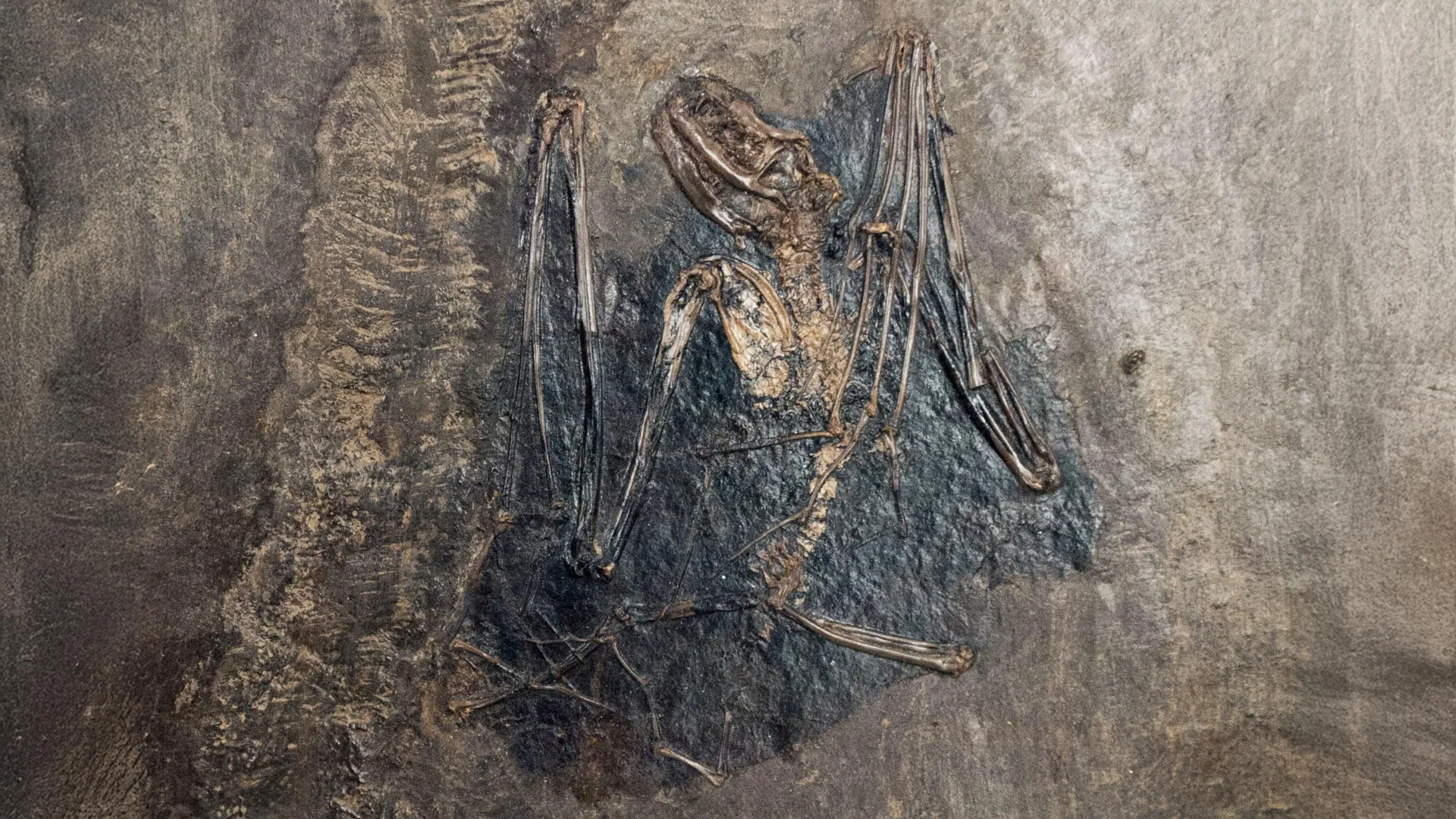
The study provides compelling evidence that both powered flight and echolocation emerged remarkably early in the evolutionary history of the order. Through an examination of the fossilized remains of Vielasia, an extinct bat genus occupying one of the oldest branches of the phylogenetic tree, scientists concluded that these traits were likely already present or well-developed at the dawn of the group’s diversification.
"As bats are the only mammals known to have evolved true powered flight, our findings point to Europe as the most likely place where mammalian powered flight first evolved," noted Professor Teeling. The emergence of these traits was likely the catalyst for the bats’ immense evolutionary success, allowing them to occupy aerial niches that were largely vacant, evade terrestrial predators, and exploit resources over vast geographical areas.
The Scientific Significance of the Bat1K Resource
The implications of this study extend far beyond the history of evolution. Bats are biological anomalies; they are not only the only mammals capable of sustained flight, but they also exhibit extraordinary longevity and resistance to diseases that would be fatal to other mammals of similar size.
By creating a chromosome-level assembly for 103 species, the Bat1K consortium has gifted the scientific community a "genomic toolkit." Researchers interested in immunology, gerontology, and oncology can now cross-reference these genomes to identify the specific genes responsible for the bats’ ability to mitigate cellular damage, suppress viral replication, and stave off age-related decline.
"This extraordinary genomic resource, the culmination of years of international cooperation of Bat1K, is finally allowing us to understand how their remarkable biology evolved," said Professor Sonja Vernes of the University of St Andrews, a co-founding director of the consortium. "Bats constantly surprise us. They are one of evolution’s greatest experiments."
Global Collaboration and Future Research
The scale of this research reflects a shift in how modern biology is conducted. The synthesis of samples gathered from remote regions—ranging from the high-altitude forests of the Andes to the isolated caves of Madagascar—represents a monumental achievement in international scientific diplomacy. Without the decades of groundwork laid by field researchers worldwide, the high-resolution data required for this study would not have been accessible.
Professor Liliana M. Dávalos of Stony Brook University, a senior author on the paper, emphasized the unique nature of their methodology. By combining fossil evidence with modern genomic modeling, the team successfully identified the oldest group of fossil bats while simultaneously uncovering the molecular basis of their divergence. This hybrid approach sets a new standard for evolutionary biology, demonstrating that the future of understanding deep-time events lies in the fusion of "hard" genomic data with the paleontological record.
Implications for Human Health and Beyond
As the scientific community begins to parse the data generated by the Bat1K project, the potential for translational research is significant. If researchers can pinpoint the exact genomic variations that grant bats their unique immunological resilience, it may provide insights into human disease resistance. Furthermore, the study of how bats have evolved to survive long lifespans with minimal oxidative stress offers a promising new avenue for research into human aging and the treatment of neurodegenerative diseases.
"This resource for the community of scientists allows them to investigate the different types of genomic variation… that have given rise to the huge variety of bats that we share the planet with, and the origins of their unique characteristics," added Professor David Ray of Texas Tech University.
Conclusion
The Bat1K consortium has effectively rewritten the textbook on bat evolution. By identifying Europe as the point of origin and providing a comprehensive map of the genetic changes that allowed bats to conquer the skies, the researchers have turned a previously opaque chapter of natural history into a vibrant, accessible area of study. This project stands as a testament to the power of collaborative, interdisciplinary science. As the datasets become more widely used, the insights gained will likely continue to inform not just our understanding of mammalian evolution, but also our approach to some of the most complex challenges in modern biology and medicine.
The study, which received support from the European Research Council, Science Foundation Ireland, and the Irish Research Council, represents a foundational shift in how we view the "great experiments" of evolution. For now, the mystery of the bat’s origins has been solved, but the secrets hidden within their genomes remain a vast, uncharted territory waiting to be explored by the next generation of biologists.