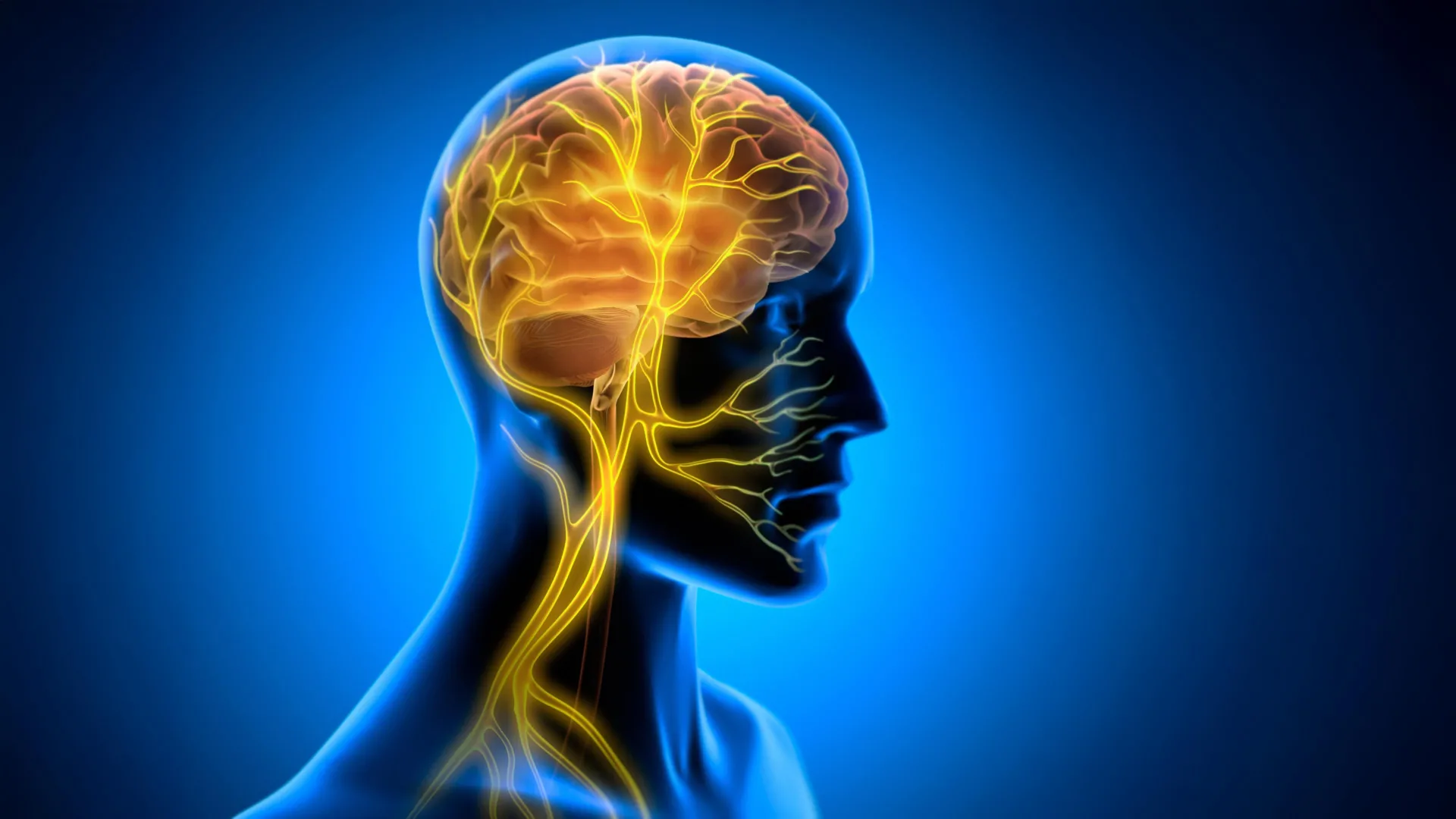
The latest installment of This Week in Virology (TWiV), episode 1287, aired on January 11, 2026, bringing together a panel of esteemed virologists to dissect groundbreaking developments in paleovirology and neuroimmunology. Hosted by Vincent Racaniello, Alan Dove, Rich Condit, and Brianne Barker, the 105-minute discussion navigates the complex evolutionary history of human betaherpesviruses spanning two and a half millennia, while also addressing contemporary intersections between vaccination strategies and cognitive health. As researchers increasingly turn to ancient genomics to understand modern pathogens, episodes like TWiV 1287 offer critical insights into the co-evolution of viruses and their human hosts, alongside the practical clinical implications of immunizing aging populations.
Tracing 2,500 Years of Viral Evolution Through Ancient DNA
At the core of the episode’s virological deep-dive is the genetic tracing of human betaherpesvirus 6A and 6B (HHV-6A and HHV-6B) across 2,500 years of human history. Utilizing advancements in ancient DNA (aDNA) extraction and sequencing technologies, modern researchers have unlocked unprecedented windows into the past, allowing virologists to track how these ubiquitous viruses have mutated, adapted, and persisted alongside human populations over millennia.
HHV-6A and HHV-6B are members of the Roseolovirus genus within the Betaherpesvirinae subfamily. While infection typically occurs early in childhood—often resulting in roseola infantum, a mild illness characterized by high fever and a rash—these viruses establish lifelong latency in the host. In certain contexts, particularly in immunocompromised individuals or through chromosomal integration, they can cause severe complications, including encephalitis, pneumonitis, and graft rejection following organ transplantation.
By sequencing viral genomes extracted from archaeological human remains, scientists can reconstruct evolutionary trees that predate written history. The discussion on TWiV 1287 highlighted how paleovirological data helps researchers determine mutation rates, geographical dispersion patterns, and host-pathogen co-speciation events. Understanding the historical stability and variation of HHV-6 provides a baseline for evaluating contemporary viral strains, shedding light on whether modern strains exhibit altered virulence or pathogenicity compared to their ancient counterparts. This long-term evolutionary perspective is vital for predicting how human viruses might continue to adapt under modern pressures, such as widespread antiviral usage and changing human demographics.
Shingles Vaccination and the Dementia Disease Course
Shifting from ancient history to modern clinical neurology, the hosts examined recent epidemiological findings concerning the impact of the shingles vaccination—specifically targeting varicella-zoster virus (VZV)—at various stages of the dementia disease course. The relationship between viral infections and neurodegenerative disorders has garnered intense scientific interest in recent years, driven by hypotheses that chronic inflammation, viral reactivation, or direct neural damage from neurotropic viruses may accelerate cognitive decline.
Varicella-zoster virus, the pathogen responsible for chickenpox, remains dormant in sensory nerve ganglia following initial infection. Decades later, the virus can reactivate as herpes zoster, or shingles, a painful vesicular rash that frequently leads to post-herpetic neuralgia. In recent years, observational studies have suggested that receiving the recombinant zoster vaccine may be associated with a reduced risk of developing dementia or a slower rate of cognitive decline in older adults.
During TWiV 1287, the panel scrutinized the timing of vaccination across different stages of the dementia disease course. Researchers and clinicians are actively investigating whether administering the shingles vaccine offers prophylactic benefits—preventing the neuroinflammatory cascade before cognitive impairment begins—or if it can alter disease progression in patients already diagnosed with mild cognitive impairment or early-stage dementia. The biological plausibility hinges on the idea that reducing systemic inflammation and preventing VZV reactivation might alleviate the chronic immunological burden on the central nervous system, thereby preserving cognitive function. However, the hosts emphasized the need for carefully controlled randomized clinical trials to distinguish between genuine protective effects and potential healthy-vaccinee bias inherent in observational datasets.
Expert Commentary and Podcast Breakdown
The conversation was steered by a veteran panel of virology experts:
- Vincent Racaniello, Professor of Microbiology and Immunology at Columbia University Vagelos College of Physicians and Surgeons.
- Alan Dove, a molecular biologist and science writer specializing in infectious diseases.
- Rich Condit, Professor Emeritus of Molecular Genetics and Microbiology at the University of Florida.
- Brianne Barker, Associate Professor of Biology at Drew University, known for her expertise in immunology.
Together, the hosts translated dense, peer-reviewed literature into accessible, engaging dialogue, contextualizing how basic virological research directly informs public health policy and clinical neurology. They underscored the reality that viruses once thought to be entirely benign or merely a nuisance of childhood—such as herpesviruses—often play complex, long-term roles in shaping human health across the lifespan.
Weekly and Listener Picks
Continuing a long-standing tradition on the TWiV podcast, the hosts and listeners shared their recommended books, educational resources, and media picks for the week:
- Brianne Barker highlighted the TWiM Annotations and Resources Book for Teaching, a valuable pedagogical tool designed for educators instructing microbiology courses.
- Alan Dove recommended the satirical sci-fi novel Starter Villain by John Scalzi.
- Rich Condit selected another work by John Scalzi, Redshirts: A Novel with Three Codas, exploring meta-narratives in science fiction.
- Vincent Racaniello recommended the literary fiction work Mina’s Matchbox by Yoko Ogawa.
- Listener Rona recommended the musical performance of E.E. Cummings’ poetry, Maggie and Millie and Molly and May, set to music by Natalie Merchant.
- Listener Owen highlighted a consumer resource guide from Consumer Reports detailing practical steps on How to get the vaccines you need now.
Broader Impact and Public Health Implications
The convergence of ancient viral genomics and modern neurodegenerative research highlighted in TWiV 1287 underscores a broader paradigm shift in biomedical science: the realization that chronic viral reservoirs are deeply intertwined with aging and systemic disease. As the global population ages, understanding the cumulative toll of persistent viral infections—such as betaherpesviruses and varicella-zoster virus—becomes increasingly critical for developing targeted preventative interventions.
Public health agencies and vaccine developers continue to monitor these interactions closely. If robust clinical trials confirm that common adult immunizations, such as the shingles vaccine, can mitigate neurodegeneration or delay the onset of dementia, it would fundamentally transform the economic and clinical calculus of vaccination programs. Rather than serving solely to prevent acute localized disease, vaccines could be recognized as critical tools for preserving long-term neurological health.
For researchers, clinicians, and science enthusiasts alike, TWiV 1287 provides a comprehensive synthesis of how looking backward into the deep genetic history of human viruses illuminates the path forward for modern medicine. The episode is available for streaming and free download via Apple Podcasts, Libsyn, and the Microbe.tv network.