For decades, the scientific consensus held that the production of life-sustaining blood cells was almost exclusively the domain of the bone marrow. However, groundbreaking research led by the University of California, San Francisco (UCSF) has fundamentally shifted this paradigm, demonstrating that the human lungs play a critical and previously unrecognized role in hematopoiesis—the process of blood formation. The study, published in the journal Blood, reveals that the lungs are not merely respiratory organs but are also home to a significant reservoir of hematopoietic stem cells (HSCs) capable of producing red blood cells, immune cells, and the platelets necessary for blood clotting.
This discovery has profound implications for regenerative medicine, organ transplantation, and the treatment of hematologic disorders such as leukemia and anemia. By identifying the lungs as a secondary "factory" for blood production, researchers have opened new avenues for sourcing stem cells for life-saving transplants, potentially increasing the availability of these precious biological resources.
The Biological Mechanism of Blood Production
To understand the magnitude of this discovery, one must consider the sheer scale of human blood production. Red blood cells are the primary vehicles for oxygen transport, carrying oxygen from the lungs to every organ and tissue in the body. To maintain this oxygen flow, the human body must generate approximately 200 billion new red blood cells every single day. This constant turnover is necessary because red blood cells have a limited lifespan of about 120 days.
Historically, the bone marrow was viewed as the sole "niche" or microenvironment capable of supporting hematopoietic stem cells. These stem cells are multipotent, meaning they have the unique ability to differentiate into all the various types of blood cells, including oxygen-carrying erythrocytes (red blood cells), infection-fighting leukocytes (white blood cells), and megakaryocytes. Megakaryocytes are large bone marrow cells responsible for the production of blood platelets, which are necessary for normal blood clotting.
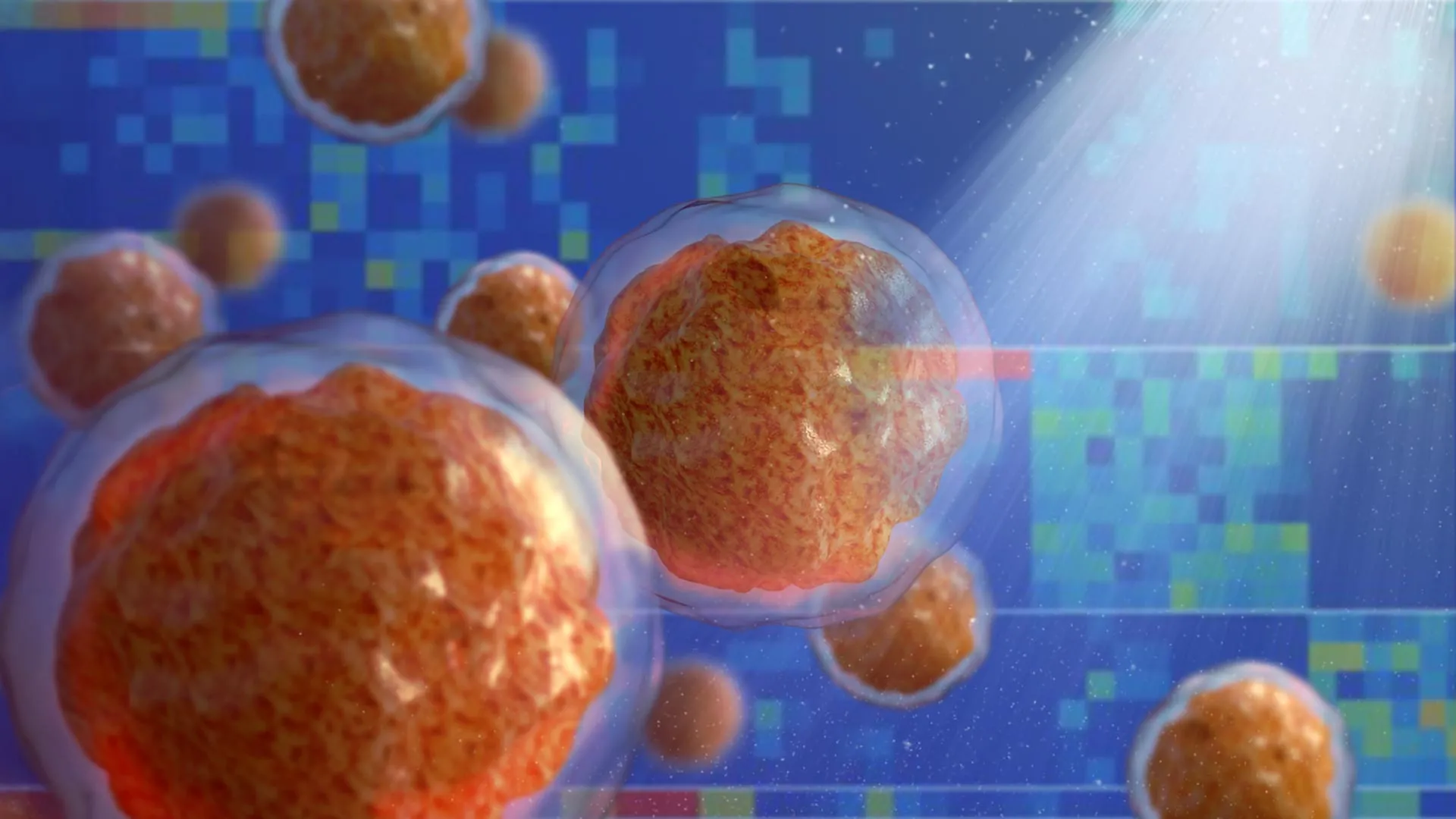
The UCSF study, supported by the National Heart, Lung, and Blood Institute (NHLBI) of the National Institutes of Health (NIH), challenges this marrow-centric view. The researchers found that the lungs contain a robust population of HSCs that are functionally similar to those found in the bone marrow but possess distinct productive biases that could be leveraged for specific medical treatments.
Chronology of Discovery: From Mice to Humans
The journey toward this discovery began in 2017, when a team led by Mark Looney, MD, a professor of medicine and laboratory medicine at UCSF, made a startling observation in murine models. Utilizing a sophisticated imaging technique called two-photon intravital imaging, the team observed the lungs of living mice and found that they were producing roughly half of the mouse’s total platelet count.
This 2017 study also identified a population of hematopoietic stem cells residing within the lung tissue of the mice. These cells were not merely transient travelers; they were active participants in blood production, capable of generating a full spectrum of blood constituents. Following these results, the scientific community questioned whether this phenomenon was unique to rodents or if it represented a fundamental aspect of mammalian physiology that had been overlooked in humans.
To answer this, Looney’s team embarked on a multi-year study to validate these findings in human tissue. The researchers obtained donated samples of human lung, bone marrow, and peripheral blood. By screening a volume of lung tissue roughly the size of a golf ball, they utilized advanced flow cytometry and genetic sequencing to identify cells that matched the signature of bone marrow HSCs.
The results were definitive: the human lungs contained HSCs at concentrations remarkably similar to those found in the bone marrow. "The lung HSCs weren’t one-offs—they were a reliable presence in the lungs," noted Catharina Conrad, MD, PhD, a postdoctoral scholar in Looney’s lab and the first author of the paper.
Comparative Data: Lung HSCs vs. Bone Marrow HSCs
The research team conducted "gold-standard" stem cell experiments to determine if the lung-resident cells were as functional as their bone marrow counterparts. They placed both types of HSCs in petri dishes under controlled conditions to observe their maturation and output.
The comparative analysis yielded several key data points:
- Productivity Parity: Both lung and bone marrow HSCs thrived and successfully differentiated into mature blood cells.
- Lineage Bias: While both produced all types of blood cells, the lung HSCs showed a higher propensity for producing red blood cells and megakaryocytes (platelets). Conversely, the bone marrow HSCs tended to produce a higher volume of immune cells (leukocytes).
- Restorative Capability: In experiments involving HSC-deficient mice, the human lung HSCs were able to migrate to the bone marrow and restore blood production, effectively "rebooting" the animal’s hematopoietic system.
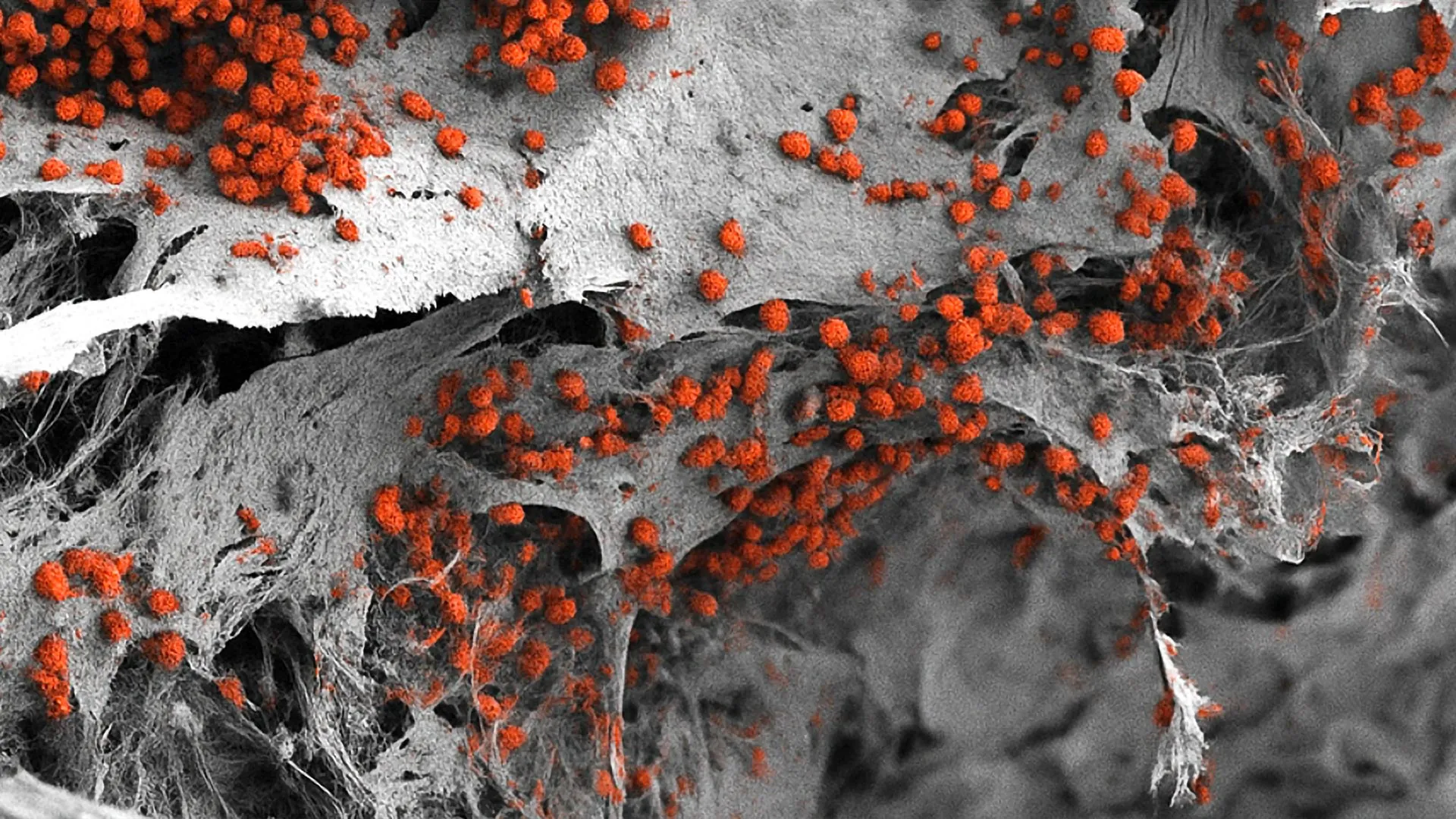
- Anatomical Niche: Using high-resolution imaging, the team located the HSCs within the human lung tissue. They were found situated specifically between blood vessels in a structural arrangement that mirrored the protective "niche" found in the bone marrow, suggesting they are permanent residents rather than cells merely passing through the pulmonary circulation.
This data suggests a symbiotic relationship between the two organs. The researchers theorize that the lung acts as an "emergency reservoir" or a specialized production site that the body can activate when there is a surge in demand for oxygen transport or clotting factors.
Implications for Stem Cell Transplants and Leukemia Treatment
For over 60 years, hematopoietic stem cell transplantation (HSCT)—commonly referred to as bone marrow transplantation—has been the cornerstone of treatment for aggressive blood cancers like leukemia, lymphoma, and multiple myeloma. The procedure involves replacing a patient’s diseased or damaged bone marrow with healthy stem cells.
However, finding a matching donor and harvesting a sufficient quantity of high-quality stem cells remains a significant challenge in clinical practice. The discovery of a second, significant reservoir of HSCs in the lungs could revolutionize how these cells are sourced.
"For decades, bone marrow transplants have been a lynchpin in the treatment of cancers," said Dr. Mark Looney. "The lung HSCs could prove to be a second and significant reservoir of these precious stem cells."
Perhaps most surprisingly, the team analyzed the output of routine bone marrow transplants currently performed in hospitals. These transplants often begin by drawing blood from a donor after administering medication to "mobilize" stem cells from the marrow into the bloodstream. The UCSF team found that nearly 20% of the stem cells currently isolated for these transplants carry the specific biological signature of lung-resident HSCs. This indicates that medical professionals have unknowingly been using lung-derived stem cells in transplants for years, further validating their safety and efficacy in human patients.
Broader Impact and Future Scientific Inquiry
The revelation that the lungs are a hematopoietic organ opens a new frontier in pulmonary and hematologic research. It raises several provocative questions that the scientific community is now eager to investigate.
First, the discovery prompts a re-evaluation of lung diseases. If the lungs are responsible for a portion of blood production, then chronic lung conditions like COPD, pulmonary fibrosis, or even severe viral infections (such as COVID-19) may have a direct, undiagnosed impact on a patient’s ability to produce blood. This could explain why many patients with chronic lung disease also suffer from anemia or clotting irregularities.
Second, the discovery suggests that the "microenvironment" of the lung is far more complex than previously thought. Scientists now want to understand what specific signals in the lung tissue tell a stem cell to become a red blood cell rather than an immune cell. If these signals can be replicated in a laboratory, it could lead to more efficient ways of manufacturing blood products for transfusions, reducing the reliance on blood donations.
Finally, there is the potential for targeted therapies. Because lung HSCs are predisposed toward producing platelets and red blood cells, they might be the superior choice for treating patients with thrombocytopenia (low platelet count) or severe blood loss, while bone marrow HSCs might remain the preference for treating immune deficiencies.
Conclusion
The findings by the UCSF team represent a landmark shift in human anatomy and physiology. By proving that the human lung is a vital site for blood production, the research underscores the interconnectedness of the body’s organ systems. The lungs are no longer seen as just the site of gas exchange, but as a dynamic participant in the circulatory and regenerative systems.
As researchers continue to explore this "second reservoir" of stem cells, the medical community moves closer to more effective, diversified treatments for blood-related illnesses. The study not only corrects a long-held scientific assumption but also provides a new biological roadmap for the future of hematology and transplant medicine. With the support of the NIH and continued clinical research, the "lung-blood connection" is poised to become a vital area of 21st-century medicine.