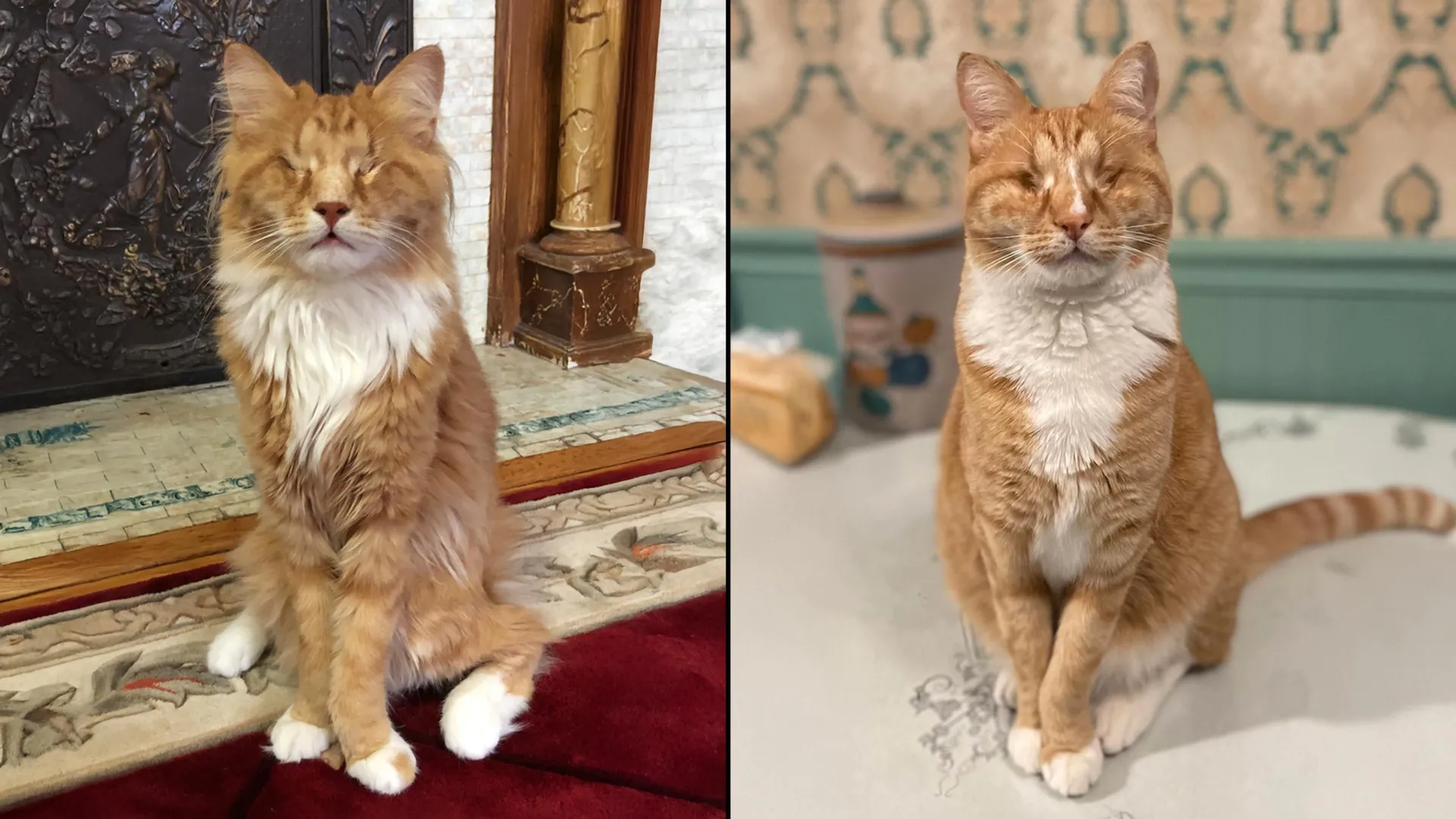
In a landmark genetic study published in the journal Scientific Reports, a multidisciplinary team at Cornell University has documented the first-ever molecular characterization of Marfan syndrome in domestic cats. The study focuses on two brothers, Gary and Shaggy, whose unique physiological presentations allowed researchers to confirm that the rare connective tissue disorder, long documented in human clinical literature, can also manifest in feline populations. This discovery marks a significant milestone in comparative medicine, offering new insights into genetic mutations and the complex mechanisms of structural protein synthesis.
The Clinical Presentation of Gary and Shaggy
The investigation began when the two siblings, Gary and Shaggy, exhibited distinct phenotypic abnormalities as kittens. Primary among these was a noticeable elongation of their limbs, a trait that immediately signaled potential skeletal development issues to their attending veterinarians. As the cats matured, the clinical picture became more complex. Further diagnostic imaging and physical examinations revealed ocular structural abnormalities and an enlarged aorta—the body’s primary artery responsible for transporting oxygenated blood from the heart to the rest of the body.
In human medicine, the constellation of skeletal, ocular, and cardiovascular symptoms is the classic diagnostic triad for Marfan syndrome. The condition is a systemic disorder of connective tissue caused by mutations that affect the body’s ability to maintain structural integrity in organs and blood vessels. While the syndrome affects approximately 1 in every 4,000 humans globally, it had never been definitively identified at the molecular level in the feline species until this study. The identification of these two brothers provided a unique opportunity for researchers at the Cornell College of Veterinary Medicine and the Baker Institute for Animal Health to conduct a deep dive into the underlying genetic architecture of the disorder in non-human mammals.
Chronology of the Investigation
The process of characterizing the cats’ condition involved a rigorous multi-year investigation. The timeline of discovery began with the initial veterinary observations in early kittenhood. Upon the identification of the cardiovascular and skeletal anomalies, the research team initiated a comprehensive medical workup.
By the middle phase of the study, the researchers transitioned from clinical observation to genomic sequencing. DNA samples from the brothers were subjected to high-throughput sequencing to identify potential causative variants. This stage was critical, as it required the researchers to cross-reference the feline genome with known human pathogenic variants associated with connective tissue disorders.
In the final phase, the researchers focused on the FBN1 gene. By comparing the genetic data of the siblings, the team determined that both cats carried two altered copies of the gene, indicating an autosomal recessive inheritance pattern. This was a critical juncture in the study, as it highlighted a distinct biological difference between the feline cases and the typical human manifestation of the syndrome, which is usually dominant. The findings were peer-reviewed and subsequently prepared for publication, culminating in the recent announcement that has garnered international attention within the veterinary community.
Genetic Analysis and the Role of Fibrillin-1
The core of the discovery lies in the FBN1 gene, which serves as the genetic blueprint for producing the protein fibrillin-1. Fibrillin-1 is a fundamental building block of the extracellular matrix. It aggregates to form microfibrils, which provide structural support to tissues that require both strength and elasticity, such as the walls of the aorta, the ligaments in the joints, and the suspensory fibers of the lens in the eye.
When FBN1 is mutated, the resulting fibrillin-1 protein is often malformed or produced in insufficient quantities. This leads to a weakening of connective tissues, which manifests as the systemic issues observed in Gary and Shaggy. The Cornell team’s analysis revealed that the specific variant present in these two cats resulted in a unique genetic twist. While they possessed two mutated copies of the gene—a condition that in many species would be lethal or cause catastrophic developmental failure—the gene continued to function at a diminished, yet sufficient, capacity.
The researchers determined that the mutation did not completely "silence" the gene. Instead, it altered the processing of the genetic instructions, allowing for a residual amount of functional protein to be synthesized. This partial function is the primary reason the brothers were able to survive into adulthood, a finding that provides new insight into the resilience of genetic expression and the potential for compensatory biological mechanisms in mammals.
Perspectives from the Veterinary Research Community
Dr. Jacquelyn Evans, an assistant professor at the Cornell College of Veterinary Medicine and the Baker Institute for Animal Health, served as the senior author on the study. Her commentary emphasizes the importance of this discovery for the future of veterinary diagnostics.
"The findings provide a foundation for improved veterinary diagnostics," Dr. Evans stated. "It can help veterinarians recognize similar cases in the future and may help develop genetic tests."
The implications of this statement are significant. By identifying the specific molecular markers associated with this feline version of Marfan syndrome, laboratories can now develop targeted screening tests. This will allow breeders and veterinary clinics to identify the condition earlier, potentially leading to better management strategies for affected animals. Furthermore, the case of Gary and Shaggy highlights the necessity of maintaining robust genomic databases for domestic animals, as these databases are essential for identifying rare conditions that might otherwise be misdiagnosed or attributed to unrelated developmental issues.
Broader Impact and Comparative Medicine
The discovery of Marfan syndrome in cats is not merely a veterinary curiosity; it serves as a powerful model for human medical research. Comparative medicine, the study of diseases across different species, often reveals fundamental truths about human physiology. Because the FBN1 gene and the protein it encodes are highly conserved across many mammalian species, the feline manifestation of the disorder provides a new, accessible model for studying the progression of connective tissue diseases.
Medical experts suggest that the "unexpected effect" of the cats’ genetic variant—where the gene remains partially active—could open new avenues for research into therapeutic interventions. If scientists can understand how the feline body manages to maintain some level of fibrillin-1 production despite the mutation, they may be able to replicate or stimulate similar mechanisms in humans.
Furthermore, this study underscores the importance of interdisciplinary collaboration. The work performed by the Cornell team integrated clinical veterinary medicine, molecular genetics, and structural biology. As the field of veterinary genomics continues to expand, the ability to rapidly identify and characterize such rare genetic conditions will likely improve the standard of care for companion animals.
Looking Ahead: Diagnostic and Therapeutic Potential
The identification of this syndrome in the feline population naturally raises questions about the prevalence of such genetic disorders in the broader domestic cat population. Currently, there is no data to suggest that Marfan syndrome is common in cats, but the discovery suggests that it may be under-reported. Clinicians are now encouraged to look for the combination of limb elongation, aortic enlargement, and ocular issues when assessing cats that present with unexplained systemic health problems.
As the research moves forward, the focus will likely shift toward mapping the frequency of the FBN1 mutation within specific feline populations. Understanding whether this is an isolated case or a broader genetic trend will be the next objective for researchers in the field. For now, Gary and Shaggy stand as the first ambassadors for a new understanding of feline genetics, proving that even in the most well-documented human conditions, nature can still offer surprising lessons when viewed through the lens of veterinary science.
The Cornell University team’s successful documentation of this condition serves as a reminder of the critical role that university-led research plays in advancing our understanding of both human and animal health. By bridging the gap between clinical observation and high-level genetic analysis, the study has set a new benchmark for how rare diseases are characterized and understood in veterinary medicine.