The evolutionary trajectory of coleoid cephalopods—octopuses, squid, and cuttlefish—has long presented a paradox to biologists. Unlike the linear, incremental evolution typically observed in vertebrates, these mollusks emerged with a suite of cognitive and physiological adaptations that appear almost alien in their sophistication. Recent research from the University of Vienna, published in the journal Nature Communications, suggests that the secret to this rapid biological advancement may lie not in the modification of protein-coding genes themselves, but in the radical spatial reorganization of the genome. By shifting how DNA is folded within the cell nucleus, these ancient organisms effectively rewired their genetic circuitry, fostering the development of complex nervous systems that underpin their remarkable intelligence, camouflage capabilities, and problem-solving prowess.
A Paradigm Shift in Evolutionary Genomics
For decades, the standard model of evolution focused heavily on mutations within the DNA sequence—the "letters" of the genetic code. However, the study led by Dr. Thea Rogers posits that the three-dimensional architecture of the genome is an equally potent, yet frequently overlooked, driver of phenotypic diversity. Inside the microscopic confines of a cell nucleus, DNA is not merely a long, linear string; it is a highly compressed, dynamic structure known as chromatin. This structure facilitates long-range interactions, allowing segments of DNA that are millions of base pairs apart to occupy the same physical space.
By mapping the 3D organization of the cephalopod genome, researchers have demonstrated that these spatial configurations are not static. Through a massive, ancient reshuffling event, cephalopod ancestors altered the proximity of regulatory elements to their target genes. This process, termed "regulatory entanglement," allowed for the creation of intricate gene-expression networks that could evolve without necessitating the destruction of existing, essential biological functions. This structural flexibility provides a compelling explanation for how organisms can achieve rapid evolutionary leaps, such as the development of a centralized brain, while maintaining the stability required for survival.
Chronology of an Evolutionary Transformation
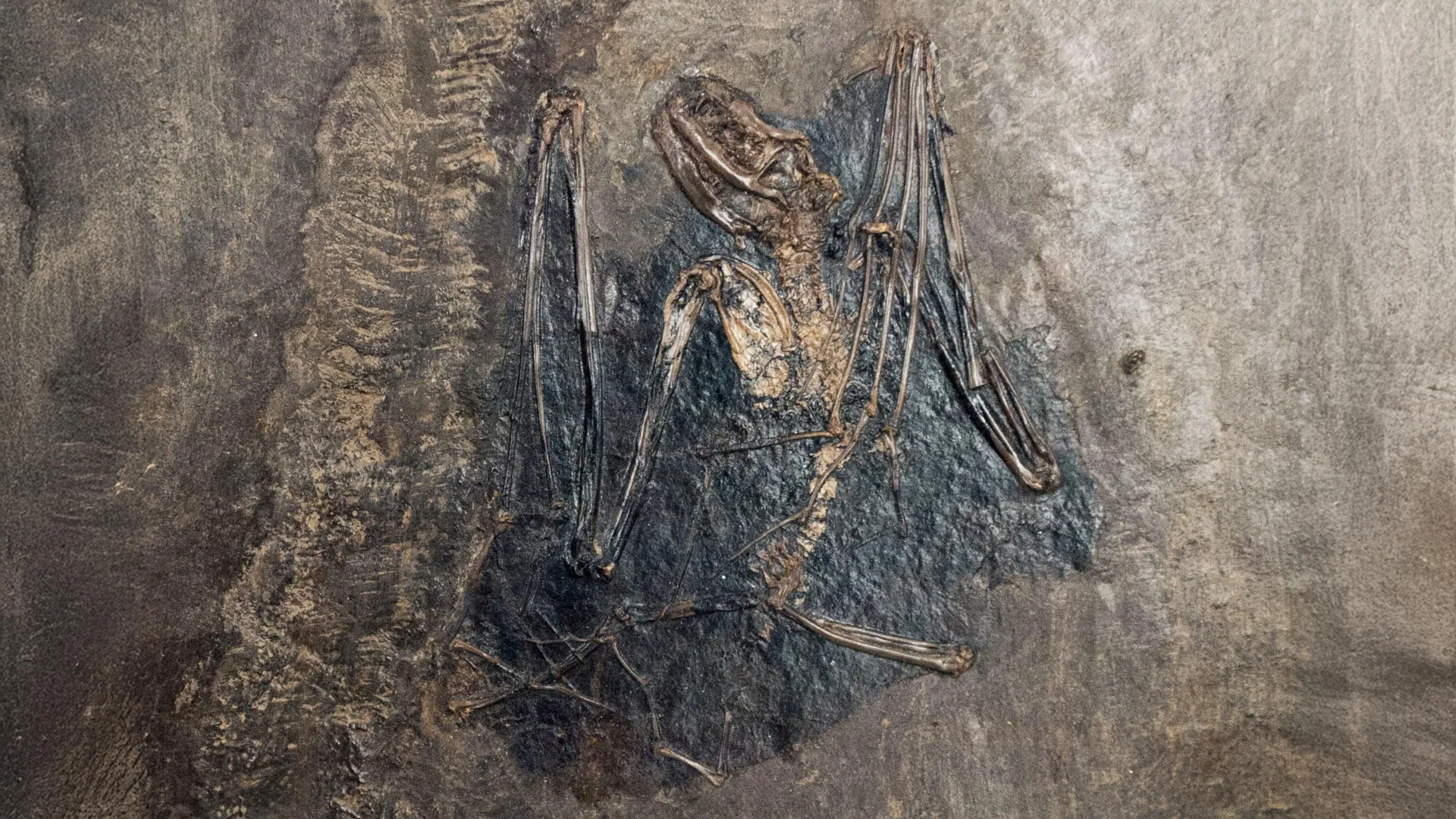
To understand the scope of this transformation, researchers examined the evolutionary timeline of the Coleoidea subclass. Cephalopods diverged from their shelled ancestors—the nautiloids—roughly 400 to 500 million years ago. While the fossil record shows a gradual increase in anatomical complexity, the genetic machinery required to support these changes likely underwent a more rapid phase of reorganization.
- Pre-Cambrian to Early Paleozoic (500–450 Million Years Ago): The initial divergence of the Coleoidea lineage. During this phase, the common ancestor of modern cephalopods began to exhibit increased neurological complexity, moving away from the simpler, sedentary lifestyle of their predecessors.
- The Genomic Reorganization Phase (Approx. 300–250 Million Years Ago): Based on the comparative genomic analysis conducted by the Vienna team, this period marks the "upheaval." Large-scale chromosomal rearrangements occurred, permanently shifting the spatial landscape of the cephalopod nucleus.
- Regulatory Entanglement (Post-Reorganization): Once the genome was re-folded, the new physical proximity of disparate genetic regions allowed for novel signaling pathways. This "entanglement" stabilized the high-order gene regulation necessary for advanced neural development.
- Present Day: The architecture observed in modern species like Octopus vulgaris and Sepia officinalis reflects the culmination of these ancient shifts, maintaining a balance between conserved, stable chromatin domains and highly flexible, adaptive chromatin loops.
Supporting Data: The Architecture of Complexity
The research team employed high-throughput sequencing techniques to reconstruct the 3D genome architecture, a process that revealed a stark contrast between stable "chromatin domains" and transient "chromatin loops." Data from the study indicates that while large-scale structural domains—the fundamental "neighborhoods" of the genome—remained largely consistent across different cephalopod species, the smaller, more dynamic loops showed significant variation.
Statistical analysis of these loops revealed that they were disproportionately located near genes involved in neurogenesis and synaptic function. In octopuses, for example, the frequency of these looping interactions correlates strongly with the complexity of their nervous systems. Unlike vertebrate genomes, which are often characterized by dense gene clusters, the cephalopod genome exhibits a unique distribution of regulatory elements that appears to have been optimized by this ancient reorganization. By bringing enhancers into contact with genes they previously could not influence, the cephalopod genome effectively "unlocked" new pathways for neural expansion, contributing to the development of the largest invertebrate brains on the planet.
Perspectives from the Scientific Community
The findings have been met with significant interest from the broader evolutionary biology community. Dr. Elena Rossi, an evolutionary geneticist not involved in the study, noted that the research provides a vital bridge between structural biology and phenotypic expression. "We have spent a long time looking at the ‘text’ of the genome," Rossi stated. "This study reminds us that the ‘formatting’—the way the text is laid out on the page—is just as critical to the final narrative of the organism. This helps explain the ‘evolutionary speed’ seen in cephalopods, which has long been a subject of debate."
Other experts have highlighted the implications for understanding the conservation of traits. The fact that large-scale chromatin domains remained stable while smaller loops adapted suggests a "layered" evolutionary strategy. The stable domains act as a scaffold for the organism’s core identity, while the flexible loops allow for rapid, adaptive fine-tuning. This dual-layer system may be the key to why cephalopods could adapt to complex marine environments so successfully without losing the basic structural integrity of their bodies.
Broad Implications: Rewriting the Rules of Evolution
The implications of the University of Vienna study extend far beyond the study of mollusks. If the physical structure of DNA is indeed a primary engine of evolutionary innovation, the scientific community may need to re-evaluate the way it models the evolution of complex life forms across the animal kingdom.
1. Re-evaluating Mutation-Centric Models:
The traditional focus on single-nucleotide polymorphisms (SNPs) and protein-coding mutations may provide only a partial picture of evolutionary history. By incorporating 3D genomic data, researchers may better explain "evolutionary explosions," where new species or complex traits appear in the fossil record with surprising speed.
2. Understanding Convergent Evolution:
Cephalopod intelligence is often cited as a prime example of convergent evolution—the independent development of similar traits in unrelated lineages. This study suggests that if similar regulatory entanglement processes occur in other complex species, such as primates or corvids, the "mechanics" of intelligence might be more predictable than previously assumed.
3. Future Research Directions:
The discovery opens the door to a new sub-discipline of "structural paleogenomics." By comparing the 3D architecture of extant species to fossilized genetic remains, scientists may eventually be able to reconstruct the "spatial evolution" of extinct animals. This could provide unprecedented insight into the transition of species from simple to complex, and from terrestrial to aquatic environments.
4. Medical and Applied Potential:
While the study focuses on evolutionary biology, the mechanics of chromatin folding are highly relevant to human medicine. Many genetic disorders, including certain neurodevelopmental conditions, are caused by misfolding or improper looping of DNA. Understanding how cephalopods successfully "wired" their complex nervous systems through structural reorganization could offer new perspectives on how gene regulation is maintained or disrupted in humans.
Conclusion
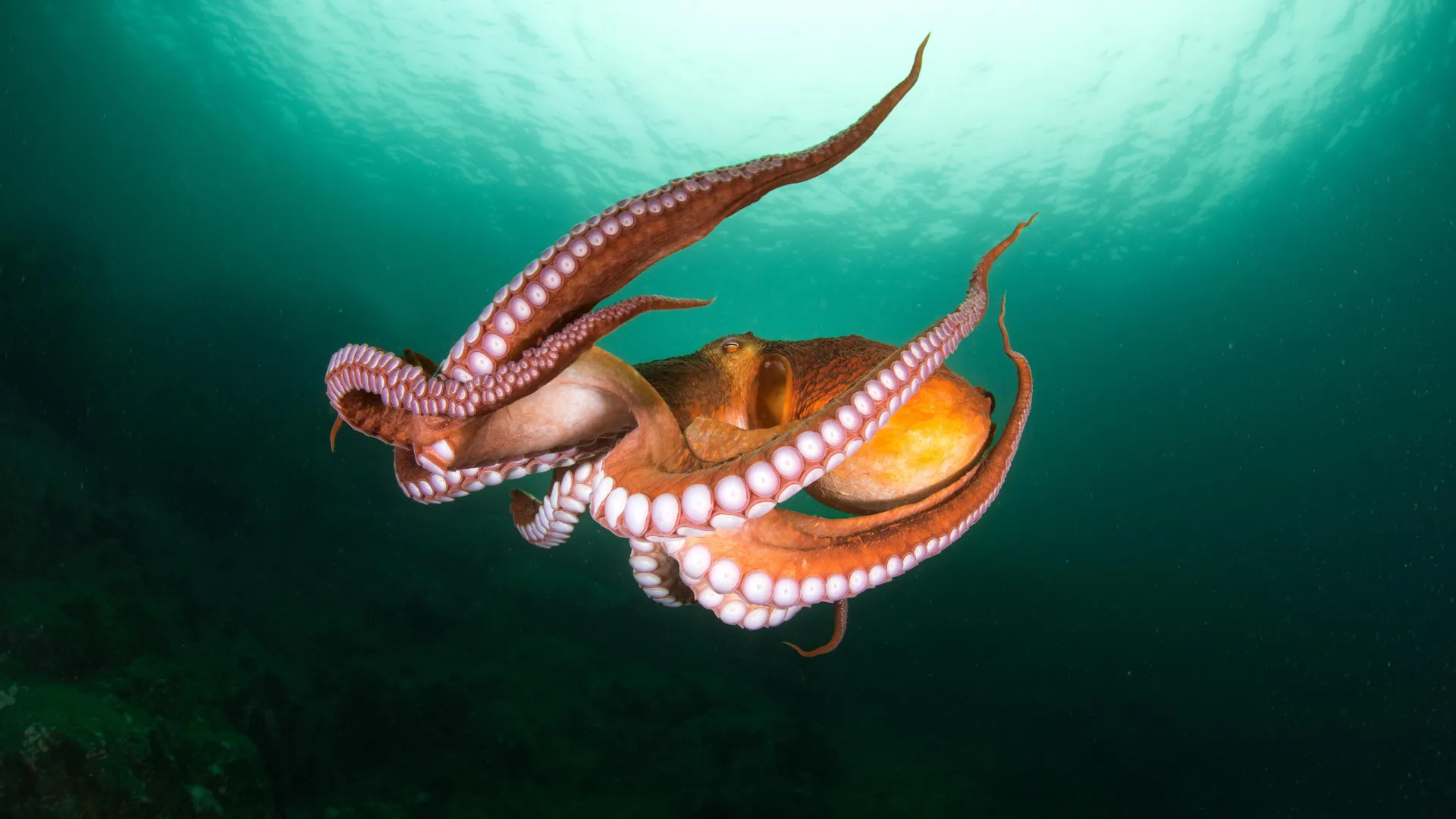
The research conducted at the University of Vienna serves as a poignant reminder that biology is rarely as simple as a linear sequence. The octopus, with its nine brains, three hearts, and uncanny ability to solve complex puzzles, is a testament to the power of genomic architecture. By rearranging the physical geography of their DNA, these animals did not just change their genetic code; they unlocked a new dimension of potential. As scientists continue to map the 3D folds of life’s blueprint, they are finding that the most profound evolutionary leaps are often found not in the genes we possess, but in how we connect them. The cephalopod, once an outlier in the story of intelligence, is now teaching us that the structure of our genome is as vital to our identity as the sequence of our DNA.