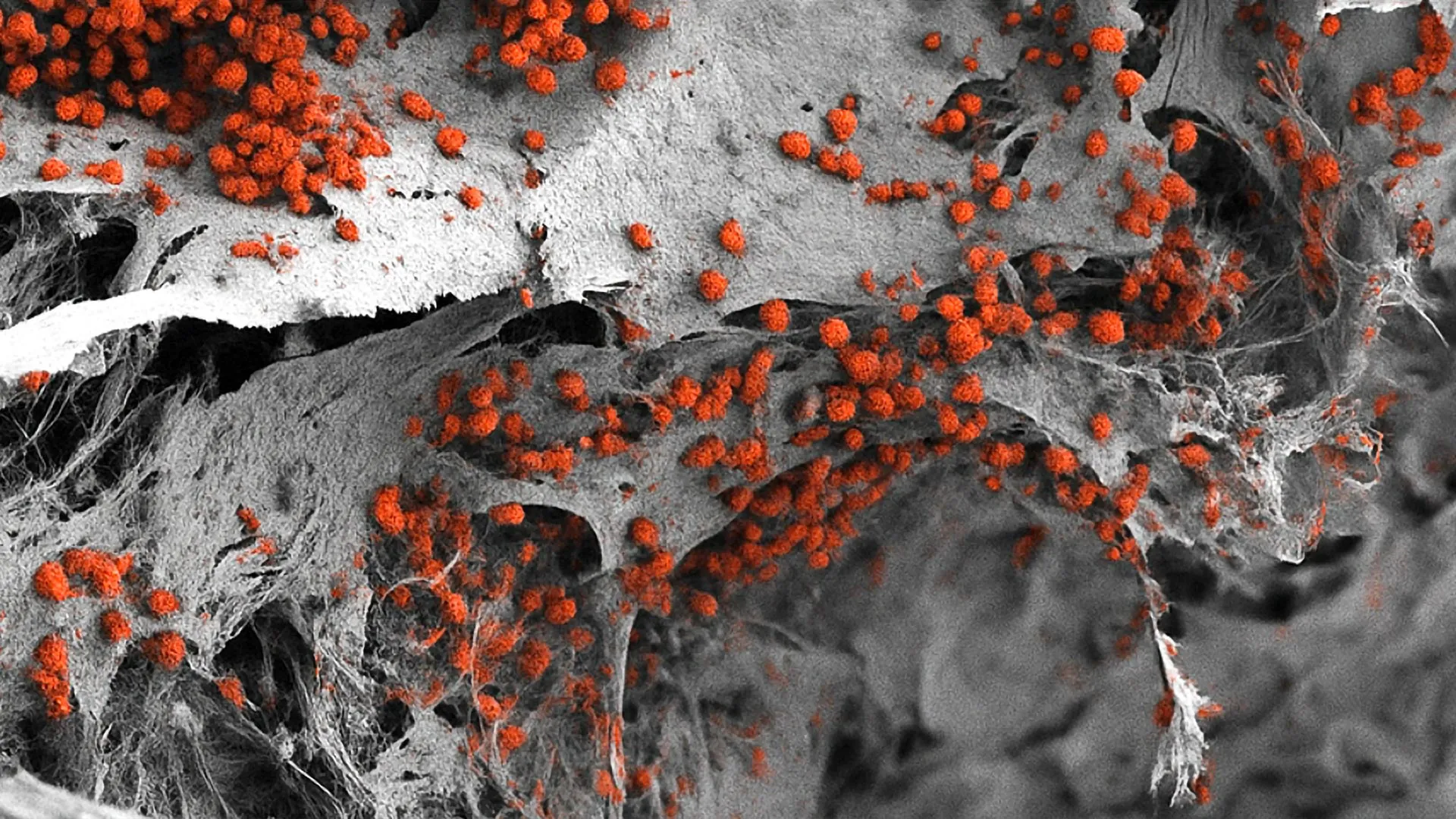
In a landmark advancement for hematologic oncology, researchers from Ludwig Cancer Research have unveiled a novel therapeutic strategy aimed at treating acute myelogenous leukemia (AML), a notoriously aggressive and often fatal blood cancer. The study, published in the prestigious journal Nature, identifies a potent drug combination that effectively dismantles the biological barriers preventing cancer cells from maturing into healthy blood cells. For a disease where the median survival time following diagnosis remains a sobering 8.5 months, this discovery offers a significant ray of hope for patients who have historically faced a poor prognosis.
The Biological Landscape of Acute Myelogenous Leukemia
Acute myelogenous leukemia is characterized by its genetic heterogeneity, meaning the disease can manifest through a vast array of different mutations across various patients. Despite this complexity, nearly all subtypes of AML share a singular, devastating commonality: the impaired differentiation of myeloid progenitor cells. Under normal physiological conditions, these progenitor cells in the bone marrow undergo a series of developmental stages to become mature, functional white blood cells, red blood cells, or platelets. In AML, this process is abruptly halted.
This "differentiation block" leads to a rapid accumulation of immature, non-functional cells known as "blasts" within the bone marrow and the bloodstream. As these leukemic blasts proliferate, they crowd out healthy cells, severely compromising the process of hematopoiesis—the body’s essential mechanism for replenishing blood cells. The result is a cascade of systemic failures, including anemia, heightened vulnerability to infections, and life-threatening bleeding.
The Success of Differentiation Therapy: A Historical Context
The concept of "differentiation therapy"—using pharmacological agents to force cancer cells to mature rather than simply killing them with cytotoxic chemotherapy—is not entirely new. It has already revolutionized the treatment of one specific AML subtype: acute promyelocytic leukemia (APL).
In APL, the combination of all-trans retinoic acid (ATRA) and arsenic trioxide is used to bypass the developmental blockade, effectively pushing APL cells toward maturation. This approach has transformed APL from a once-lethal condition into one with a cure rate of approximately 95%. However, APL accounts for only a small fraction of AML cases. For the remaining subtypes, which comprise the vast majority of diagnoses, similar "differentiation shoves" have remained elusive until now.
The Role of Epigenetics and the Discovery of LSD1
The search for a broader differentiation therapy led researchers to the field of epigenetics—the study of how chemical modifications to DNA and histone proteins regulate gene expression without changing the underlying genetic code. A central figure in this research is Yang Shi, a professor at the University of Oxford’s Nuffield Department of Medicine and a key leader at Ludwig Oxford.
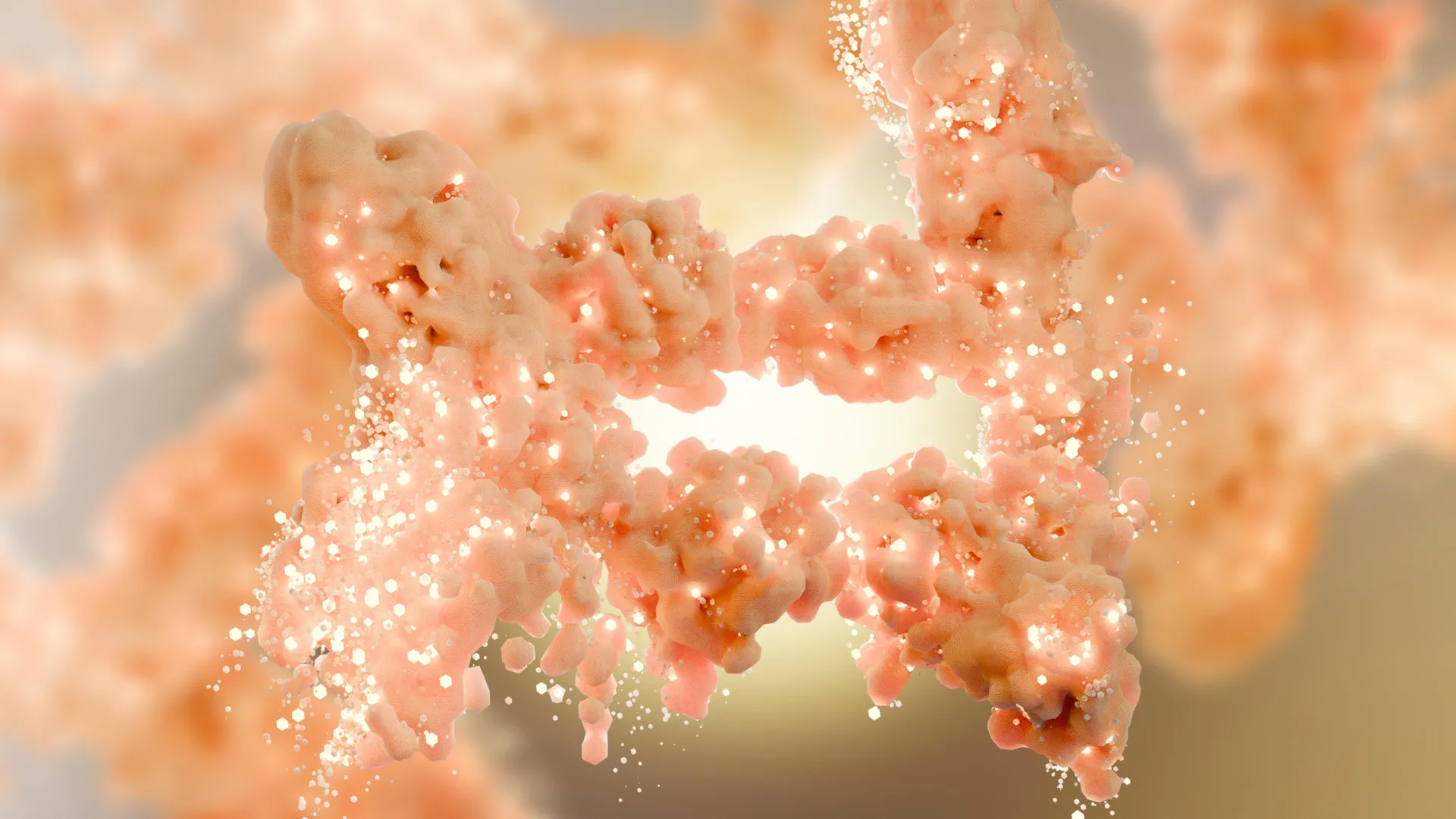
In 2004, Shi and his colleagues discovered an enzyme known as Lysine-specific demethylase 1 (LSD1). This "epigenetic eraser" functions by removing methyl groups from histones, thereby altering the packaging of DNA and turning specific genes on or off. In the context of AML, LSD1 is expressed at abnormally high levels. It plays a critical role in maintaining the "stemness" of leukemic cells, keeping them in an immature, rapidly dividing state and preventing them from differentiating.
While the pharmaceutical industry has developed LSD1 inhibitors, their journey through clinical trials has been fraught with challenges. When used as a monotherapy, these inhibitors often require high doses to be effective, which frequently leads to significant toxicity and adverse side effects for patients.
Identifying the Synergistic Partner: The Role of GSK3
To address the limitations of LSD1 inhibitors, a collaborative team led by Yang Shi and Amir Hosseini at Ludwig Oxford, along with Abhinav Dhall at Harvard Medical School and partners at the University of Pennsylvania and the University of Helsinki, sought a synergistic partner. The goal was to find a second drug that could amplify the effects of LSD1 inhibition at lower, safer doses.
Using mouse leukemic cells as a testing ground, the researchers conducted a high-throughput screen of multiple molecules. Their search eventually focused on an inhibitor of the GSK3α/β (Glycogen Synthase Kinase 3) enzyme. GSK3 is a well-known kinase involved in various cellular signaling pathways, including those governing cell division and development. Importantly, GSK3 inhibitors are already being evaluated in clinical trials for other types of cancer and have demonstrated a favorable safety profile in human subjects.
The researchers discovered that when a low dose of an LSD1 inhibitor was combined with a GSK3 inhibitor, the effect was transformative. In laboratory cultures of multiple AML subtypes, the combination successfully triggered the differentiation of leukemic cells and halted their uncontrolled proliferation.
Preclinical Success and Safety Profiles
The study’s findings were further validated through rigorous preclinical testing. The research team demonstrated that the LSD1 and GSK3 inhibitor combination not only induced differentiation in human AML cells in vitro but also extended the survival of mice engrafted with human AML cells.
One of the most promising aspects of the study is the selectivity of the treatment. In experimental models, the drug combination specifically targeted the malignant leukemic cells while sparing healthy hematopoietic stem cells. This selectivity is a crucial factor in drug development, as it suggests the therapy could be administered to patients with a significantly lower risk of the bone marrow suppression and other toxicities associated with traditional chemotherapy.
Furthermore, Amir Hosseini noted a compelling correlation in the data: the gene expression signature induced by the combination therapy in leukemic cells mirrors the expression patterns found in AML patients who naturally experience longer survival times. This suggests that the therapy is effectively "rewiring" the cancer cells to behave more like healthy or less aggressive cells.
Mechanistic Insights: Suppressing Stemness and the WNT Pathway
The researchers delved deep into the molecular mechanisms to understand why this specific combination is so effective. They found that the therapy works through a two-pronged approach: it activates the genes responsible for driving cell differentiation while simultaneously suppressing the genes that promote cell proliferation and cancer growth.
Specifically, the study highlights the role of the WNT signaling pathway. Overactivation of WNT signaling is a known driver of "stemness" in many cancers, allowing malignant cells to maintain their ability to self-renew indefinitely. The LSD1-GSK3 inhibitor combination appears to suppress these stem-cell-like traits. This finding has implications far beyond leukemia, as it suggests the combination might be effective against other solid tumors driven by aberrant WNT signaling, such as colorectal or breast cancers.
Chronology of Development and Collaborative Efforts
The path to this discovery spans two decades of scientific inquiry:
- 2004: Discovery of LSD1 by Yang Shi, establishing the enzyme as a key regulator of histone methylation.
- 2010s: Identification of LSD1’s role in maintaining leukemic stem cells and the development of first-generation LSD1 inhibitors.
- Late 2010s: Recognition of the toxicity limits of LSD1 monotherapy in clinical settings.
- 2020–2023: Collaborative screening for synergistic molecules, identifying GSK3 as a primary candidate.
- 2024: Publication of the findings in Nature, detailing the efficacy of the combination therapy in preclinical models.
The success of the project was bolstered by international cooperation and diverse funding sources, including the National Institutes of Health (NIH), the Research Council of Finland, and Cancer Research UK. The involvement of multiple institutions—Oxford, Harvard, Helsinki, and Pennsylvania—underscores the complex, multi-disciplinary nature of modern oncology research.
Future Implications and Clinical Outlook
The immediate next step for this research is the transition into clinical trials. Because both LSD1 and GSK3 inhibitors have already been developed for human use and are currently in various stages of clinical evaluation for other indications, the path to testing this combination in AML patients is significantly shortened.
"Our findings provide compelling evidence to support the testing of this combination therapy in AML patients," stated Yang Shi. The ability to utilize existing pharmacological assets means that a phase I clinical trial could potentially commence sooner than if an entirely new compound had to be synthesized and safety-tested from scratch.
For the medical community, this study represents a shift in how AML is approached. By moving away from purely cytotoxic "slash and burn" techniques and toward a more nuanced, epigenetic reprogramming of the cancer, doctors may soon have a tool that is not only more effective but also significantly more tolerable for elderly patients or those with comorbidities who cannot survive intensive chemotherapy.
In conclusion, the work of the Ludwig Cancer Research team marks a pivotal moment in the fight against acute myelogenous leukemia. By understanding the fundamental epigenetic brakes that prevent cell maturation, and by finding a safe way to release those brakes through drug synergy, science has moved one step closer to turning a devastating diagnosis into a manageable, or even curable, condition. The upcoming clinical trials will be watched closely by oncologists and patients alike, as the promise of a 95% cure rate—once reserved only for APL—becomes a target for the broader spectrum of AML.