The biological mechanisms governing the transition of blood stem cells from a dormant state to an active, regenerative phase have long remained one of the most complex puzzles in hematology. In a significant advancement for the field of regenerative medicine, a preclinical study led by investigators at Weill Cornell Medicine has identified a single molecular switch, a protein known as FLI-1, that is essential for blood stem cells to enter an activated state. This discovery, published in the journal Nature Immunology, offers a potential breakthrough for improving the efficacy of bone marrow transplants and the delivery of next-generation gene therapies. By understanding and manipulating this switch, scientists may soon be able to "wake up" stem cells more effectively, ensuring they multiply and engraft with greater success in patients suffering from blood cancers and genetic disorders.
The Dual Nature of Hematopoietic Stem Cells
Stem cells serve as the fundamental building blocks of the body’s repair system. Within the bone marrow, hematopoietic stem cells (HSCs) are responsible for the continuous production of the body’s blood and immune cells. Under normal physiological conditions, these cells exist in a state of "quiescence"—a deep, slowly dividing sleep that protects their long-term viability and prevents the exhaustion of the stem cell pool. However, when the body faces an injury, infection, or severe blood loss, these cells must rapidly transition into an activated state. During this phase, they multiply at high speeds and differentiate into mature, functional blood cells to restore the body’s equilibrium.
The challenge in modern medicine has been the artificial replication of this transition. While bone marrow transplants have been a cornerstone of cancer treatment for decades, the process of mobilizing these cells from the marrow into the bloodstream and ensuring they "take" in a new host is often inefficient. Many donor samples contain a limited supply of viable stem cells, and cells harvested from patients who have undergone intensive chemotherapy or radiation are often sluggish, failing to activate and expand effectively once re-infused.
The Discovery of the FLI-1 Transcription Factor
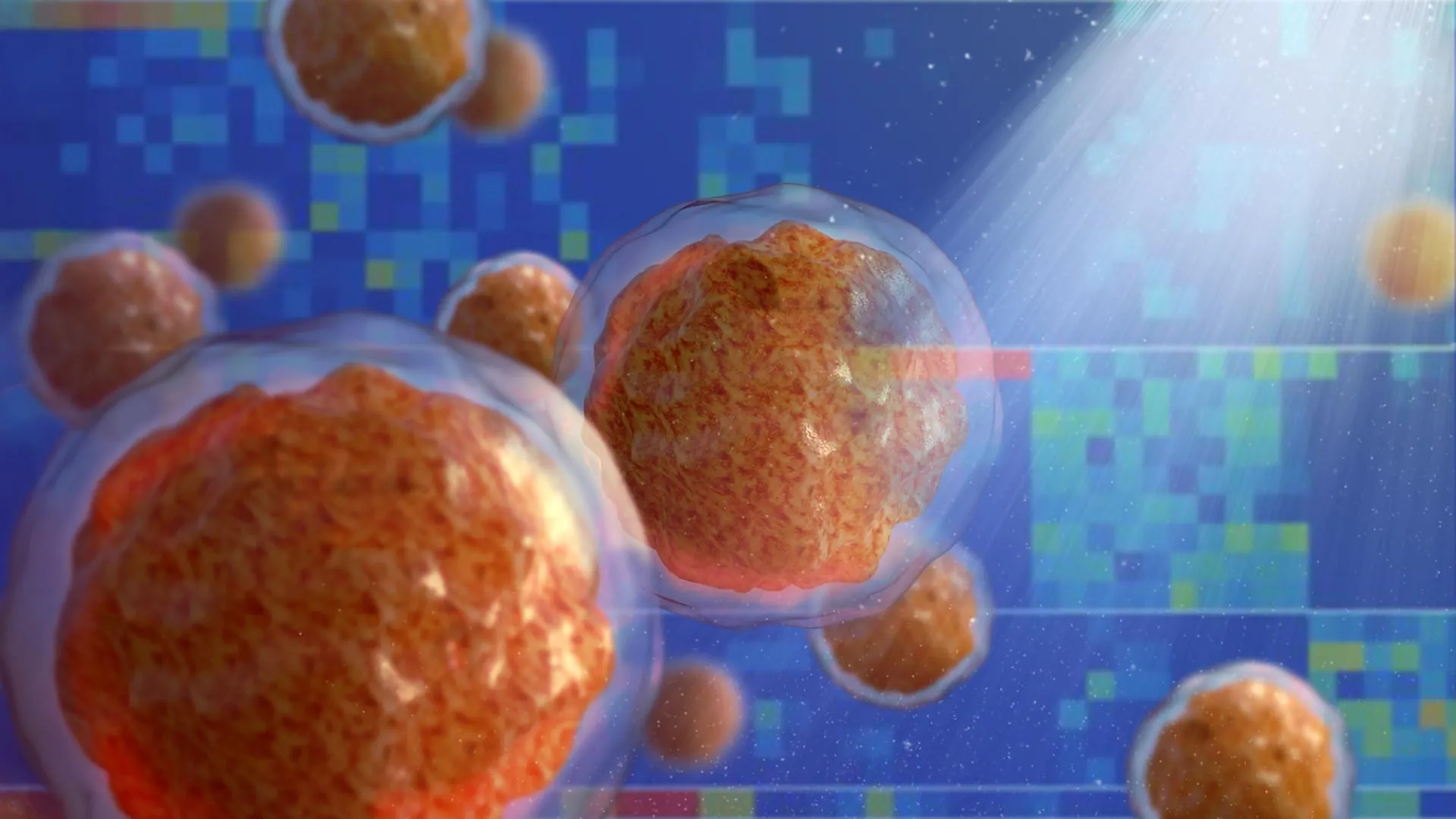
To uncover the regulatory mechanics of this transition, the Weill Cornell Medicine research team utilized advanced single-cell profiling and computational modeling to analyze the genetic differences between quiescent and activated blood stem cells. Their investigation eventually centered on FLI-1, a DNA transcription-regulating protein. Transcription factors like FLI-1 act as master controllers, capable of turning thousands of genes on or off simultaneously.
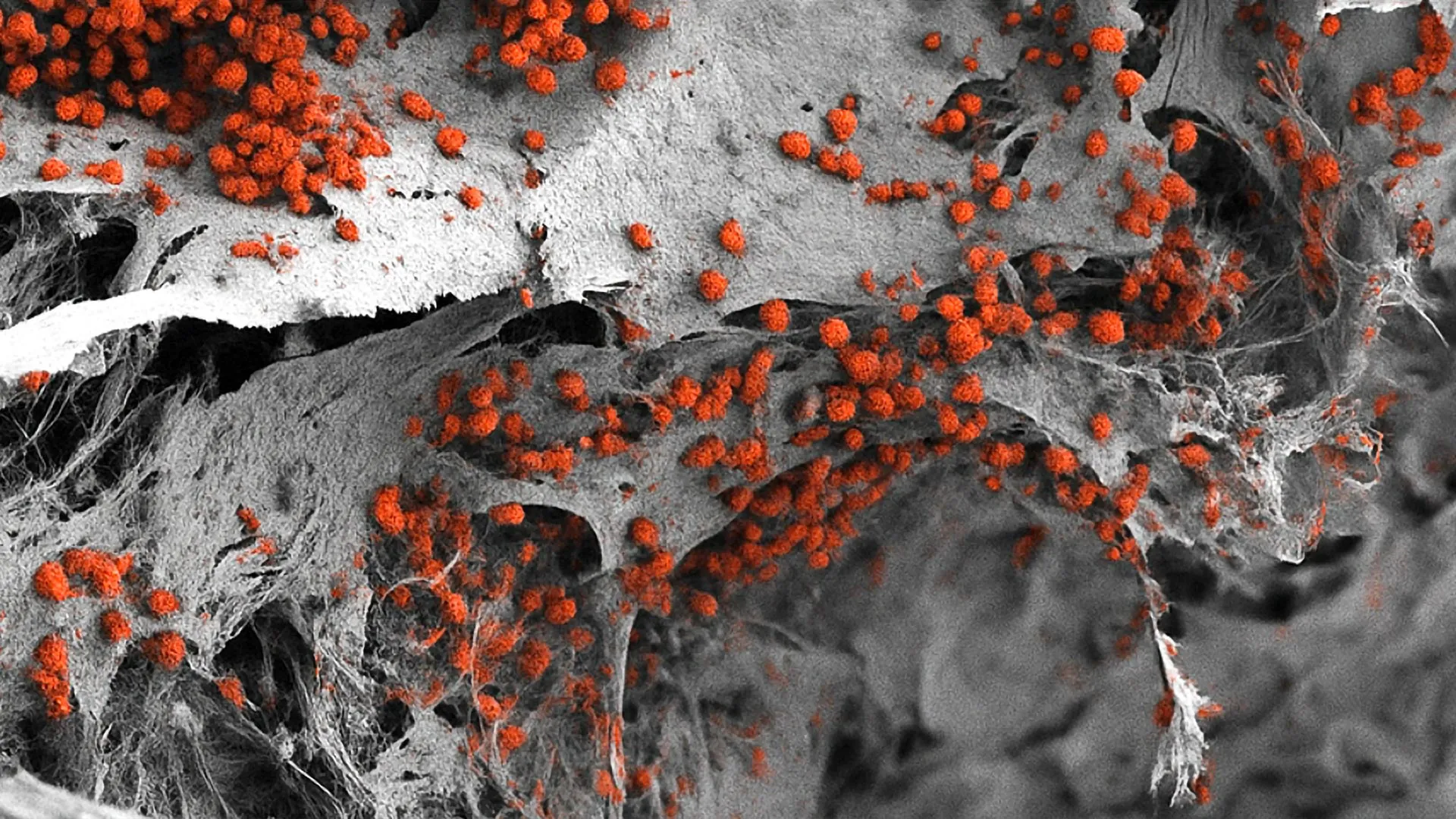
The researchers found that the presence of FLI-1 is the determining factor in whether a stem cell remains dormant or begins the regeneration process. In the absence of FLI-1, blood stem cells remain in a state of hibernation, largely disconnected from their surrounding environment. Conversely, when FLI-1 activity is triggered, it restores the stem cells’ ability to interact with their "microenvironmental niche"—specifically the specialized endothelial cells that line the blood vessels in the bone marrow. This interaction, known as the vascular niche, is critical for providing the signals and nutrients required for stem cell expansion.
Chronology of the Research and Methodology
The journey to identifying FLI-1 involved a multi-stage experimental process that combined traditional biology with cutting-edge bioinformatics.
- Phase One: Single-Cell Analysis: The team began by comparing the gene expression profiles of adult bone marrow stem cells in various states of activity. They observed that quiescent cells lacked the "machinery" to communicate with the vascular niche.
- Phase Two: Identification of FLI-1: Through computational analysis, FLI-1 emerged as the primary driver of the genes responsible for cell-to-cell adhesion and metabolic activation.
- Phase Three: Genetic Manipulation: To test their hypothesis, the researchers removed FLI-1 from mouse models. Without the protein, the stem cells failed to activate even when stimulated, leading to a failure in blood production.
- Phase Four: The mRNA Solution: Recognizing that permanent overactivation of FLI-1 is linked to certain leukemias, the team sought a way to trigger the protein only temporarily. They turned to modified mRNA technology—the same platform used in modern COVID-19 vaccines—to transiently introduce FLI-1 into stem cells for a period of only a few days.
- Phase Five: Transplantation Testing: The "primed" stem cells were then transplanted into hosts. The results showed that these cells expanded rapidly and successfully integrated into the host’s bone marrow without any signs of oncogenic (cancerous) transformation.
Supporting Data: Umbilical Cord vs. Adult Stem Cells
One of the most compelling aspects of the study was its explanation of a long-standing observation in clinical hematology: why umbilical cord blood stem cells often possess higher regenerative potential than adult stem cells. For years, clinicians have noted that cord-derived cells are more "potent," yet the molecular reason for this was unclear.
The Weill Cornell team demonstrated that human umbilical cord-derived blood stem cells naturally possess significantly higher levels of FLI-1 activity compared to adult stem cells. This elevated FLI-1 level allows cord cells to interact more robustly with the regenerative vascular niche, explaining their superior ability to expand and restore blood populations. By using mRNA to boost FLI-1 in adult cells, the researchers were essentially able to "reprogram" adult stem cells to mirror the high-potency characteristics of neonatal cells.
Perspectives from the Research Team
The implications of this study are far-reaching, particularly for patients with limited donor options. Dr. Shahin Rafii, the study’s senior author and director of the Hartman Institute for Therapeutic Organ Regeneration at Weill Cornell Medicine, emphasized the clinical potential of the findings.
"The approach we outlined in this study could substantially improve the efficiency of marrow transplants and marrow-cell-targeted gene therapies, especially in cases where the donor has a very limited supply of viable blood stem cells," said Dr. Rafii. He noted that the ability to safely switch quiescent cells into a regenerative state could revolutionize how we treat blood-borne diseases.
Dr. Tomer Itkin, the study’s co-first author and current director of Tel Aviv University’s Neufeld Cardiovascular Research Institute, highlighted the safety profile of the mRNA approach. "The stem cells we prime with FLI-1 modified mRNA in this way wake up from hibernation, expand and functionally and durably engraft in the recipient host, without any evidence of cancer," Dr. Itkin stated. This temporary "wake-up call" provides the benefits of activation without the risks associated with permanent genetic modification.
The computational complexity of the study was handled by Sean Houghton, a bioinformatics analyst. He pointed out that the research clarified the symbiotic relationship between stem cells and their environment. "We showed that stem cell activity is not autonomous but also is not fully determined by endothelial cell vascular niche signals—it depends instead on signaling and adaptability between the two," Houghton explained.
Broader Implications for Gene Therapy and Oncology
The discovery of the FLI-1 switch has immediate implications for the field of gene therapy. For conditions such as beta-thalassemia and sickle cell anemia, doctors must harvest a patient’s own stem cells, insert a corrective gene in a laboratory setting, and then expand those cells before re-infusing them. This process is delicate, and many cells do not survive or fail to engraft. By using FLI-1 to prime these cells, clinicians could significantly increase the "yield" of successful gene therapies, making these treatments more accessible and effective.
Furthermore, in the context of oncology, patients undergoing aggressive chemotherapy often suffer from prolonged periods of low blood counts (cytopenia), leaving them vulnerable to life-threatening infections. A method to rapidly "kickstart" the recovery of their own blood stem cells using FLI-1 could reduce hospital stays and improve survival rates.
Future Outlook and Clinical Development
The research team is now moving toward the next phase of preclinical development, focusing on scaling up the modified mRNA-based method. The goal is to create a standardized protocol that can be used in clinical settings to treat human patients. Because the mRNA delivery system is transient and does not alter the underlying DNA of the stem cells, it avoids many of the regulatory and safety hurdles associated with permanent gene editing.
As regenerative medicine continues to evolve, the identification of FLI-1 as a master regulator marks a shift from simply observing stem cell behavior to actively directing it. If human trials mirror the success of the preclinical studies, the "FLI-1 switch" could become a standard component of hematological care, offering a new lease on life for patients with once-intractable blood disorders.
The study received support from various branches of the National Institutes of Health (NIH), including the National Heart, Lung, and Blood Institute and the National Institute of Diabetes and Digestive and Kidney Diseases, underscoring the high level of institutional interest in this new pathway for therapeutic organ and tissue regeneration.