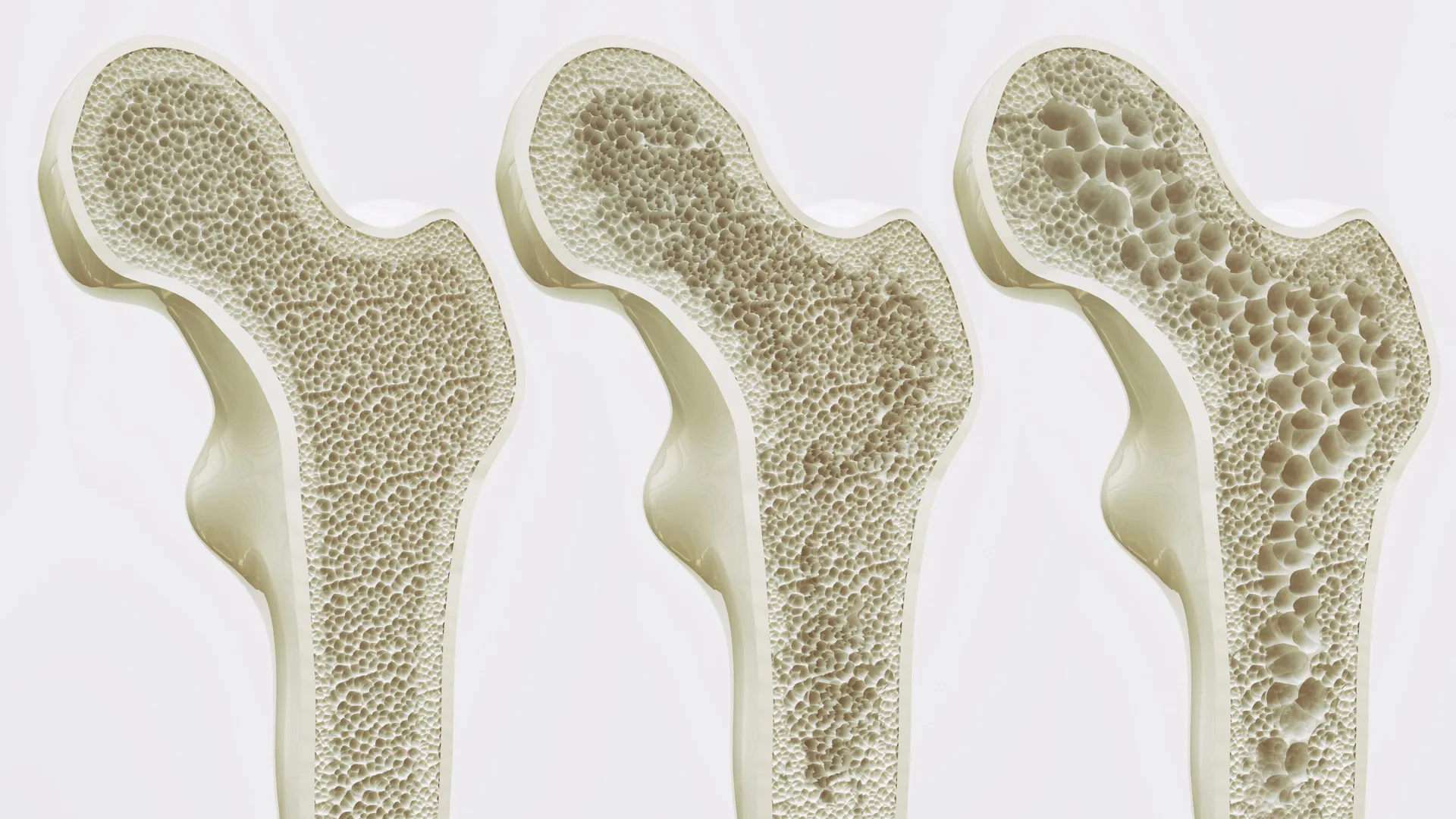
For more than a century, the medical community has operated under a fundamental biological dogma: the bone marrow is the primary, if not exclusive, factory for the production of the body’s blood supply. From the earliest days of hematology, students have been taught that the spongy tissue inside our bones serves as the singular cradle for hematopoietic stem cells (HSCs), the precursor cells that eventually mature into red blood cells, white blood cells, and platelets. However, a groundbreaking study from researchers at the University of California, San Francisco (UCSF) has fundamentally challenged this long-held belief, revealing that the human lungs play a sophisticated and critical role in blood production.
Published on February 27 in the journal Blood, the research demonstrates that the lungs are not merely organs of respiration, but are also active sites of hematopoiesis. The study found that the human lung contains a significant population of hematopoietic stem cells capable of producing red blood cells and megakaryocytes—the specialized cells responsible for creating the platelets that allow blood to clot. This discovery, supported by the National Heart, Lung, and Blood Institute (NHLBI) of the National Institutes of Health (NIH), suggests that the lungs may serve as a vital "emergency reservoir" for blood production, offering new possibilities for treating blood-related cancers and improving the efficacy of stem cell transplants.
A Paradigm Shift in Human Physiology
The human body’s demand for new blood is staggering. To maintain the continuous flow of oxygen to every organ and tissue, the body must produce approximately 200 billion new red blood cells every single day. This massive undertaking requires a robust and reliable source of stem cells. While the bone marrow has long been recognized as the engine of this process, the UCSF team’s findings indicate that the lungs are an integral part of this circulatory infrastructure.
"For decades, bone marrow transplants have been a lynchpin in the treatment of cancers like leukemia," said Mark Looney, MD, a professor of medicine and laboratory medicine at UCSF and the senior author of the paper. "The lung HSCs could prove to be a second and significant reservoir of these precious stem cells."
The discovery suggests that the human anatomy is more redundant and resilient than previously understood. By having blood-forming capabilities in both the skeletal system and the respiratory system, the body possesses a dual-source strategy for maintaining its most vital fluid. This redundancy is particularly important in times of physiological stress, such as severe blood loss or bone marrow failure.
The Chronology of Discovery: From Mice to Humans
The journey toward this discovery began several years ago in the laboratory. In 2017, Dr. Looney’s team published a landmark study involving mouse models. Using a specialized imaging technique called two-photon intravital imaging, they were able to observe individual cells moving through the microcirculation of a living mouse lung. To their surprise, they found that the mouse lung was producing more than half of the animal’s total platelet supply.
Further investigation into the mouse lungs revealed the presence of a wide variety of blood-forming stem cells and progenitor cells. These cells were not just passing through; they were residing in the lung tissue and producing all the constituents of blood, including red blood cells and various immune cells. This 2017 finding sent shockwaves through the field of pulmonary and hematological research, but it left a critical question unanswered: Does the same phenomenon occur in humans?
To answer this, the UCSF team embarked on a multi-year study to validate their findings in human tissue. They obtained donated samples of human lung tissue, bone marrow, and peripheral blood, allowing them to conduct a direct comparison of the stem cell populations across different anatomical sites.
Comparative Methodology and Findings
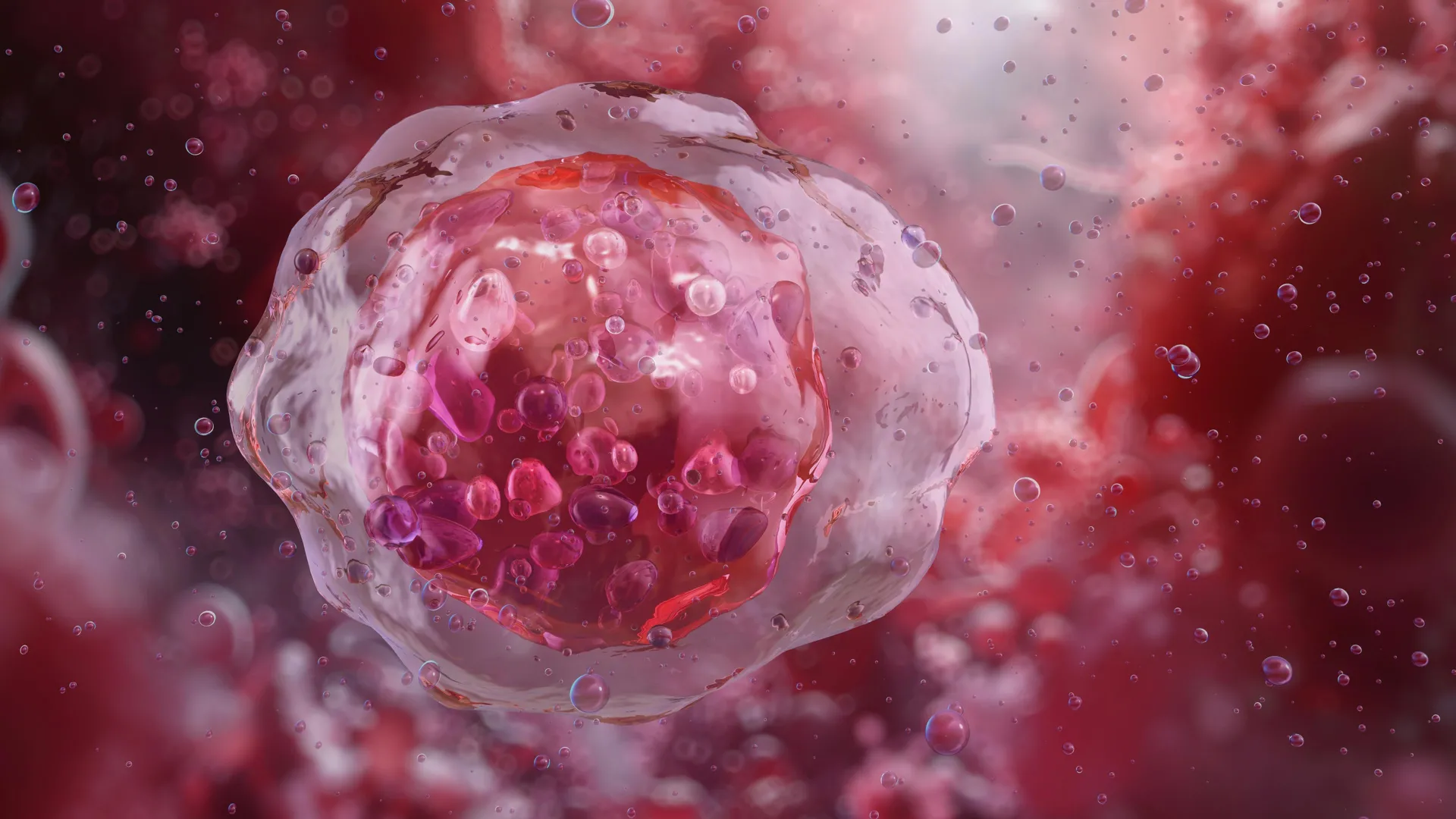
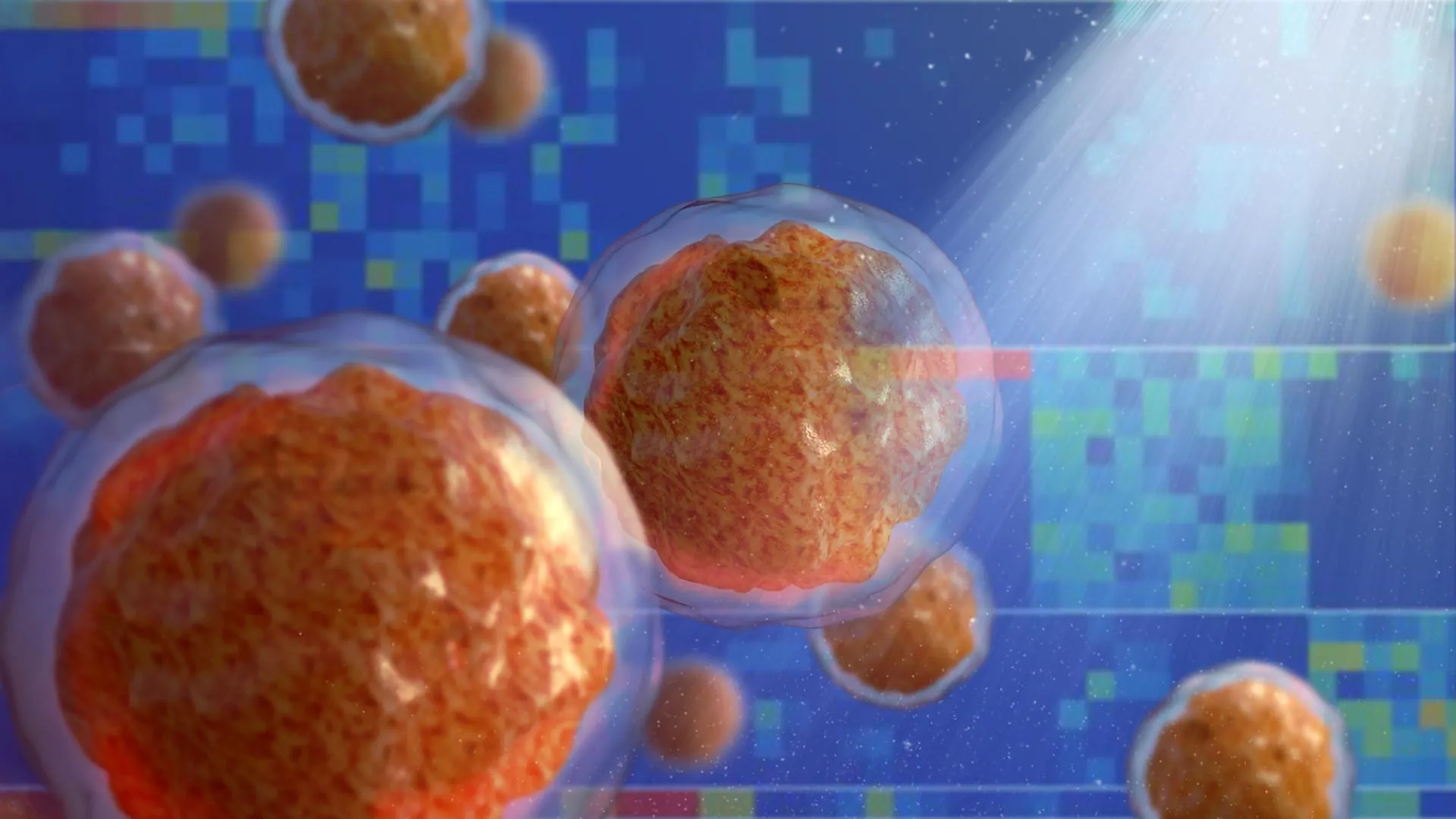
The researchers utilized a "golf-ball-sized" volume of lung tissue for their primary screening. Using high-resolution cellular analysis and flow cytometry, they looked for specific molecular markers that identify hematopoietic stem cells. The results were startling. They found that HSCs were present in human lung tissue at rates surprisingly similar to those found in the bone marrow.
"The lung HSCs weren’t one-offs—they were a reliable presence in the lungs," said Catharina Conrad, MD, PhD, a postdoctoral scholar in Looney’s lab and the first author of the paper. "But we still needed to know that they were actually capable of making blood."
To test the functional capacity of these cells, the scientists conducted "gold-standard" stem cell experiments. They placed the lung-derived HSCs and bone-marrow-derived HSCs into petri dishes and provided them with the necessary growth factors to mature. Both types of cells thrived, but the researchers noticed a distinct difference in their output.
While both sources produced a full range of blood cells, the lung HSC colonies demonstrated a higher propensity for producing red blood cells and megakaryocytes (platelet-forming cells). In contrast, the bone marrow colonies tended to lean toward the production of immune cells, such as leukocytes. This suggests a functional specialization between the two reservoirs, with the lungs perhaps being more attuned to the immediate needs of oxygen transport and clotting.
Validating the "Reservoir" Theory
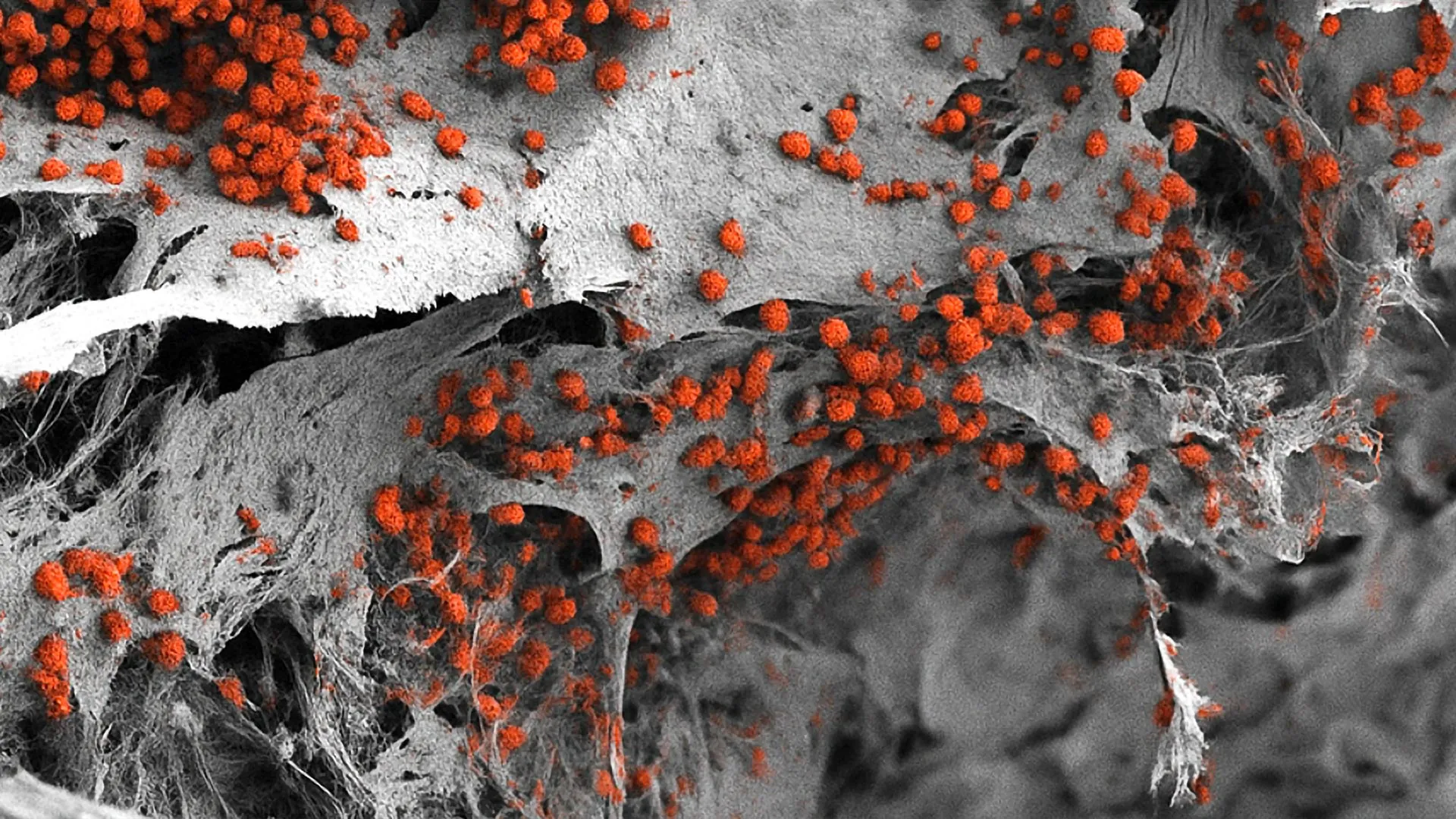
A critical step in the research was determining whether these lung HSCs were permanent residents of the lung or merely "escapees" from the bone marrow that were caught in transit. By analyzing the micro-anatomy of the lung tissue, Dr. Conrad and Dr. Looney identified the HSCs situated between blood vessels in the interstitial space. The arrangement was remarkably similar to the "niches" found in bone marrow where stem cells are nurtured and protected.
"They really seem to live there and aren’t just passing through," Conrad noted, emphasizing that the lung provides a specific environment conducive to stem cell survival and activity.
To further prove the viability of these cells, the team conducted an experiment using HSC-deficient mice. They transplanted human lung HSCs into the mice and found that these cells successfully migrated to the bone marrow and restored the animal’s ability to produce blood. This confirmed that the lung and bone marrow exist in a complementary relationship, where stem cells can move between the two organs to replenish supply as needed.
The 20 Percent Revelation: Implications for Transplants
Perhaps the most immediate clinical implication of the study involves current practices in bone marrow transplantation. Today, many "bone marrow" transplants do not actually involve the physical extraction of marrow from bone. Instead, donors are given medication to mobilize stem cells into the bloodstream, where they are then collected via a blood draw (peripheral blood stem cell donation).
When the UCSF team analyzed the output of these routine transplants, they found that nearly one-fifth (20%) of the stem cells isolated from the donor’s blood carried the specific genetic and molecular signature of lung-resident HSCs. This means that for years, doctors have unknowingly been using lung-derived stem cells to treat patients with leukemia, lymphoma, and other blood disorders.
This revelation could lead to more targeted and effective transplant strategies. If lung HSCs are indeed more productive in generating red blood cells and platelets, they might be the preferred source for patients suffering from severe anemia or thrombocytopenia (low platelet count).
Broader Impact on Medicine and Future Research
The discovery of a secondary blood-production site in the lungs opens a new frontier in regenerative medicine. The medical community must now consider the lungs not just as an organ for gas exchange, but as a dynamic participant in the hematopoietic system.
There are several key areas where this research could change the standard of care:
- Leukemia and Blood Cancers: Understanding that the lungs harbor a reservoir of stem cells may explain why some patients respond differently to chemotherapy and radiation, which can damage both the bone marrow and the lungs.
- Organ Transplantation: The presence of HSCs in the lungs may influence the outcomes of lung transplants. These resident stem cells could potentially contribute to the recipient’s immune system or help in the healing of the transplanted organ.
- Emergency Medicine: In cases of massive trauma or bone marrow failure, the ability to "activate" the lung’s reservoir of stem cells could provide a life-saving surge of red blood cells and platelets.
- Chronic Lung Disease: Researchers are now questioning whether chronic lung conditions, such as COPD or pulmonary fibrosis, might be linked to a dysfunction in the lung’s blood-producing capabilities.
"The lungs are critical to blood circulation, so it’s tantalizing to see the lung HSCs as an emergency reservoir for red blood cell and platelet production," Dr. Looney said. "Now that we know they exist, it opens up a lot of new opportunities for a therapy, hematopoietic stem cell transplantation, that is very commonly used for patients with the need."
Conclusion: A New Chapter in Hematology
The findings by the UCSF team represent a significant milestone in human biology. By proving that the lungs are a reliable and potent source of hematopoietic stem cells, the researchers have corrected a historical oversight and provided a more complete map of the human body’s regenerative potential.
As the scientific community continues to explore the relationship between the lungs and the bone marrow, the focus will shift toward understanding how to harness these lung-resident cells for therapeutic use. With the backing of the NIH and the clinical evidence provided by this study, the "emergency reservoir" in our chest may soon become a primary tool in the fight against some of the world’s most challenging blood and immune system diseases. The discovery serves as a reminder that even in an era of advanced medical technology, the human body still holds profound secrets waiting to be uncovered.