A routine scientific endeavor to test the boundaries of single-cell DNA sequencing at Oxford University Parks has yielded an astonishing discovery: a microscopic organism that manipulates the universal genetic code in a manner previously unseen by science. This unexpected finding, emerging from a seemingly ordinary pond sample, has profound implications for our understanding of evolutionary flexibility and the fundamental mechanisms of life.
Accidental Revelation in an Ambitious Sequencing Project
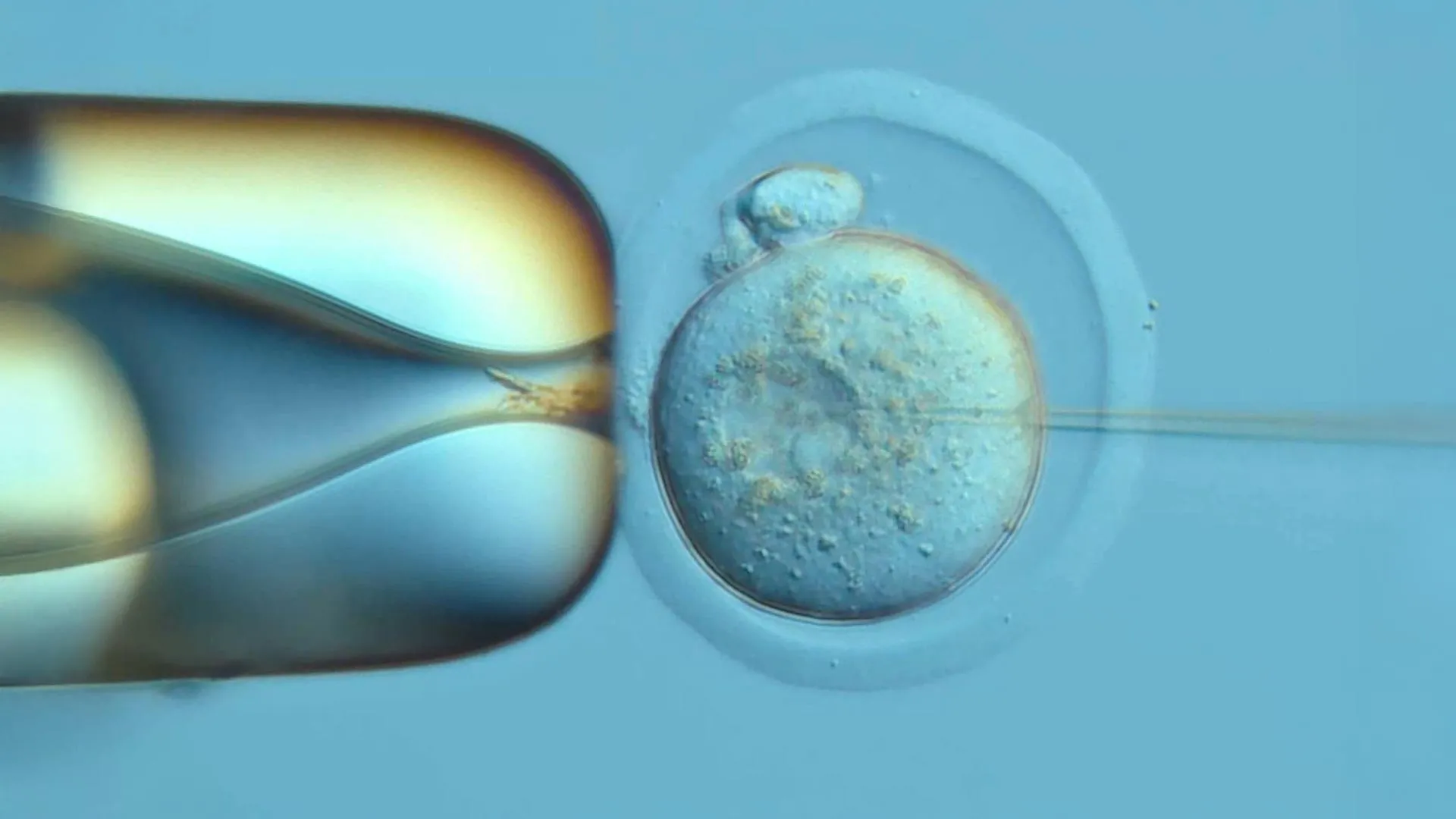
The breakthrough occurred during a project led by Dr. Jamie McGowan, a postdoctoral scientist at the Earlham Institute. The primary objective was to validate a cutting-edge DNA sequencing pipeline designed to operate with minuscule amounts of genetic material, specifically targeting single cells. This technology holds immense promise for fields ranging from personalized medicine to the study of rare and elusive organisms. The team selected a protist, a diverse group of single-celled eukaryotic organisms, collected from a freshwater source within the historic Oxford University Parks. The initial goal was purely technical: to determine the pipeline’s efficacy and precision when dealing with the extremely limited DNA present in a solitary cell.
However, as the sequencing data began to emerge, it became clear that this particular protist was no ordinary subject. Designated as Oligohymenophorea sp. PL0344, the organism not only represented a previously undocumented species but also exhibited a radical departure from the standard genetic code – a deviation that left researchers astounded. The findings, published in the esteemed journal PLOS Genetics, detailed a rare alteration in how this organism interprets DNA instructions for building proteins. Specifically, two codons, universally recognized in the vast majority of life forms as signals to terminate protein synthesis, had been repurposed to specify distinct amino acids. This specific combination of reassigned codons was, until this discovery, entirely unreported in the scientific literature.
Dr. McGowan aptly described the serendipitous nature of the find: "It’s sheer luck we chose this protist to test our sequencing pipeline, and it just shows what’s out there, highlighting just how little we know about the genetics of protists." This statement underscores the vast unknown landscape of microbial genetics and the potential for revolutionary discoveries hidden within seemingly simple biological samples.
The Enigmatic World of Protists
To fully appreciate the significance of this discovery, it’s crucial to understand the group to which Oligohymenophorea sp. PL0344 belongs: protists. This classification is characterized by its inherent looseness, a testament to the sheer diversity of organisms it encompasses. Protists are fundamentally defined by what they are not – they are not animals, plants, or fungi. This broad definition reflects their evolutionary history, with some protists being more closely related to animals, while others share closer kinship with plants. Their forms and functions are equally varied, ranging from microscopic, single-celled entities like amoebas and algae to larger, multicellular organisms such as kelp and slime molds.
"The definition of a protist is loose — essentially it is any eukaryotic organism which is not an animal, plant, or fungus," Dr. McGowan elaborated. "This is obviously very general, and that’s because protists are an extremely variable group. Some are more closely related to animals, some more closely related to plants. There are hunters and prey, parasites and hosts, swimmers and sitters, and there are those with varied diets while others photosynthesize. Basically, we can make very few generalizations."
The specific protist under scrutiny, Oligohymenophorea sp. PL0344, falls within the phylum Ciliophora, commonly known as ciliates. These microscopic organisms, readily observable under a microscope, are characterized by their characteristic cilia – short, hair-like appendages used for locomotion and feeding. They inhabit a wide array of aquatic environments, from freshwater ponds and lakes to marine ecosystems. Geneticists have long harbored a particular interest in ciliates due to their known propensity for genetic code variability, including significant alterations involving stop codons.
When Genetic Stop Signs Deviate from the Universal Norm
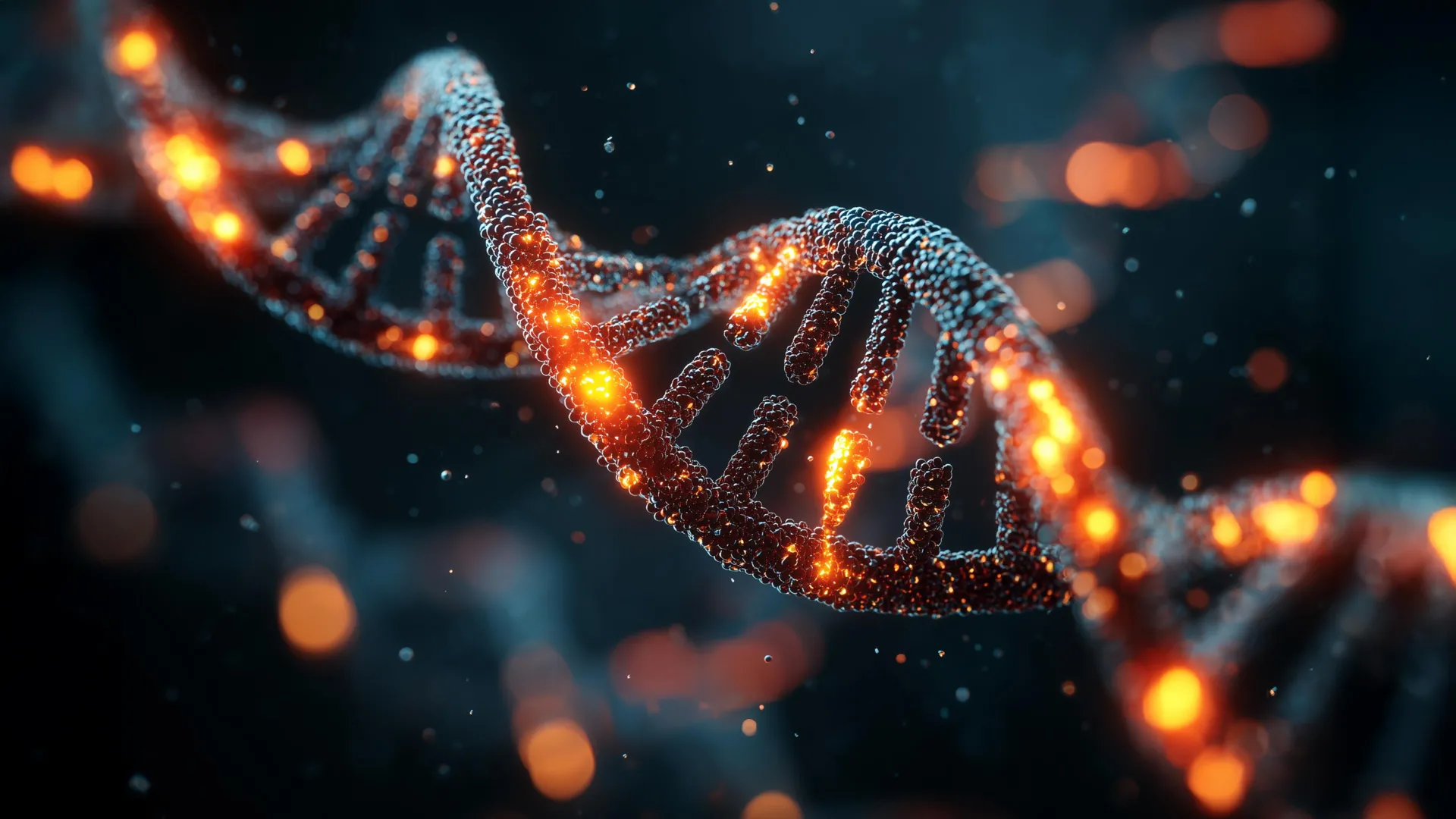
The genetic code, the set of rules by which information encoded in genetic material (DNA or RNA sequences) is translated into proteins by living cells, is often referred to as nearly universal. This universality is a cornerstone of molecular biology, facilitating our understanding of gene function across diverse species. At the heart of this code are codons – sequences of three nucleotide bases that dictate which amino acid should be incorporated into a growing protein chain, or when protein synthesis should cease.
In the standard genetic code, three specific codons – TAA, TAG, and TGA – function as "stop codons." These codons act as punctuation marks within the genetic narrative, signaling to the cellular machinery that the end of a gene has been reached and protein construction should be halted. The near-universality of this system has allowed scientists to readily decipher genetic sequences from different organisms. While minor variations in the genetic code do exist, they are exceptionally rare. In the few known cases of genetic code variants, the stop codons TAA and TAG typically undergo changes together, often reassigned to code for the same amino acid. This shared evolutionary fate has led scientists to believe these two codons are intrinsically linked.
"In almost every other case we know of, TAA and TAG change in tandem," explained Dr. McGowan. "When they aren’t stop codons, they each specify the same amino acid." This observation has been a foundational principle in genetics for decades, shaping our understanding of gene regulation and evolution.
However, Oligohymenophorea sp. PL0344 has shattered this long-held assumption. In this particular organism, only TGA appears to retain its role as a definitive stop codon. The other two signals, TAA and TAG, have been ingeniously repurposed. TAA now directs the incorporation of the amino acid lysine, while TAG specifies glutamic acid. This is a monumental departure from the standard, representing a decoupling of the previously linked TAA and TAG codons and their assignment to entirely different amino acids. The researchers also observed an elevated frequency of TGA codons within the organism’s genome, suggesting a potential compensatory mechanism to ensure accurate protein termination despite the loss of the other two stop signals. The PLOS Genetics paper further reported that the TGA stop codon is strategically positioned just after coding regions, likely to prevent "readthrough" – the erroneous continuation of translation beyond the intended gene sequence.
"This is extremely unusual," Dr. McGowan emphasized. "We’re not aware of any other case where these stop codons are linked to two different amino acids. It breaks some of the rules we thought we knew about gene translation — these two codons were thought to be coupled." This discovery challenges the notion of a rigidly fixed genetic code, demonstrating that nature itself is a master innovator. "Scientists attempt to engineer new genetic codes — but they are also out there in nature. There are fascinating things we can find, if we look for them. Or, in this case, when we are not looking for them."
The Mechanics of Cellular Interpretation: From DNA to Protein
The process by which cells translate genetic information into functional proteins is a complex but fundamental biological pathway. DNA serves as the master blueprint, but this blueprint must be transcribed into messenger RNA (mRNA) before its instructions can be utilized. This mRNA molecule then travels to ribosomes, the cellular factories responsible for protein synthesis. Here, the mRNA sequence is "translated" into a specific sequence of amino acids, which are then linked together to form functional proteins.
Translation typically initiates at a specific "start codon" (usually ATG) and concludes at one of the three "stop codons" (TAA, TAG, or TGA). This intricate system of codons ensures that proteins are synthesized with the correct length and structure, crucial for their biological functions. The discovery in Oligohymenophorea sp. PL0344 reveals that this seemingly immutable ending mechanism has been significantly reconfigured, underscoring the remarkable plasticity of even the most conserved biological systems.
To corroborate their findings, the research team conducted comprehensive genome and transcriptome analyses. These investigations identified specialized transfer RNA (tRNA) genes that precisely match the reassigned codons. The presence of these suppressor tRNA genes provides strong evidence that the organism genuinely interprets these former stop signals as instructions to incorporate specific amino acids. The study confirmed that in this ciliate, the RNA triplets UAA and UAG are indeed read as coding for lysine and glutamic acid, respectively.
Ciliates: A Hotbed for Genetic Code Innovation
Further research has solidified the emerging picture of ciliates as evolutionary pioneers in genetic code variation. A subsequent study published in PLOS Genetics in 2024 delved deeper into the genetic landscape of phyllopharyngean ciliates, reporting multiple independent instances of the UAG stop codon being reassigned. This research uncovered that some uncultivated ciliates from the TARA Oceans dataset utilize UAG to encode leucine, while other species, Hartmannula sinica and Trochilia petrani, employ UAG to specify glutamine.
Intriguingly, this later study also noted that UAA generally remains the preferred stop codon in these phyllopharyngean ciliates, while UAG has repeatedly transitioned into a protein-coding role. These findings collectively suggest a recurring pattern of genetic code modification across poorly understood microbial eukaryotes, reinforcing the notion that ciliates represent some of the most significant exceptions to the standard genetic code.
The cumulative evidence from these discoveries paints a compelling picture: the genetic code, long considered a bedrock of biological stability, exhibits a surprising degree of flexibility. While the rules remain remarkably consistent for the vast majority of life, evolution has demonstrably found innovative ways to "edit" these fundamental instructions within overlooked microbial lineages, particularly within the diverse phylum of ciliates.
Funding and Publication Details
The groundbreaking research that unveiled this unique genetic code variant was initially published in PLOS Genetics in 2023. The project received significant financial backing from the Wellcome Trust as part of the ambitious Darwin Tree of Life Project. Additional support was provided through the Earlham Institute’s core funding from the Biotechnology and Biological Sciences Research Council (BBSRC), a key component of UK Research and Innovation (UKRI). The study made its sequencing data and genome assembly resources publicly accessible through established repositories, enabling broader scientific scrutiny and further research.
This discovery, born from an unexpected detour in a technical sequencing experiment, serves as a potent reminder of the boundless complexity and ingenuity of the natural world. It underscores the critical importance of exploring the genetic diversity of microbial life, as hidden within these microscopic organisms lie profound insights into the very fabric of life itself. The implications for evolutionary biology, synthetic biology, and our fundamental understanding of genetic mechanisms are vast and will undoubtedly fuel scientific inquiry for years to come.