The emergence of novel infectious diseases, from influenza to HIV and most recently COVID-19, has historically been linked to the phenomenon known as zoonotic spillover – the transmission of pathogens from animals to humans. Scientists widely believe that SARS-CoV-2, the virus responsible for the devastating COVID-19 pandemic, originated through such a jump. This highly contagious virus is genetically closely related to coronaviruses found in bats, suggesting a likely animal reservoir. Now, a groundbreaking study by an international consortium of researchers has pinpointed a remarkably subtle genetic alteration that may hold the key to understanding how certain animal viruses adapt to infect humans and subsequently cause severe illness.
The collaborative effort, involving researchers from the UCSF Quantitative Biosciences Institute (QBI), the Icahn School of Medicine at Mount Sinai, the Institut Pasteur, and the Fred Hutchinson Cancer Center, has identified a single amino acid difference in a coronavirus protein that dramatically influences its interaction with the immune systems of both bats and humans. This minuscule genetic variation, as detailed in their recent publication in the prestigious journal Cell Host & Microbe, can dictate whether a virus is effectively controlled by its natural animal host or if it gains the capacity to trigger a severe pathological response in humans.
Unveiling the Molecular Mechanism of Spillover
The research team embarked on a detailed comparative analysis of SARS-CoV-2 and RaTG13, a coronavirus that naturally infects bats and shares significant genetic similarity with SARS-CoV-2, but has not been known to infect humans. Their objective was to understand the molecular underpinnings of cross-species transmission and the subsequent immune responses elicited by these viruses.
Crucially, this investigation was facilitated by the development of the first laboratory-grown lung cell line derived from the greater horseshoe bat. This breakthrough allowed scientists to directly study the interactions of viral proteins with host cells from the natural reservoir species, providing an unprecedented window into viral adaptation. By examining how each virus interacted with key immune proteins within both human and bat lung cells, the researchers sought to identify critical differences in viral behavior.
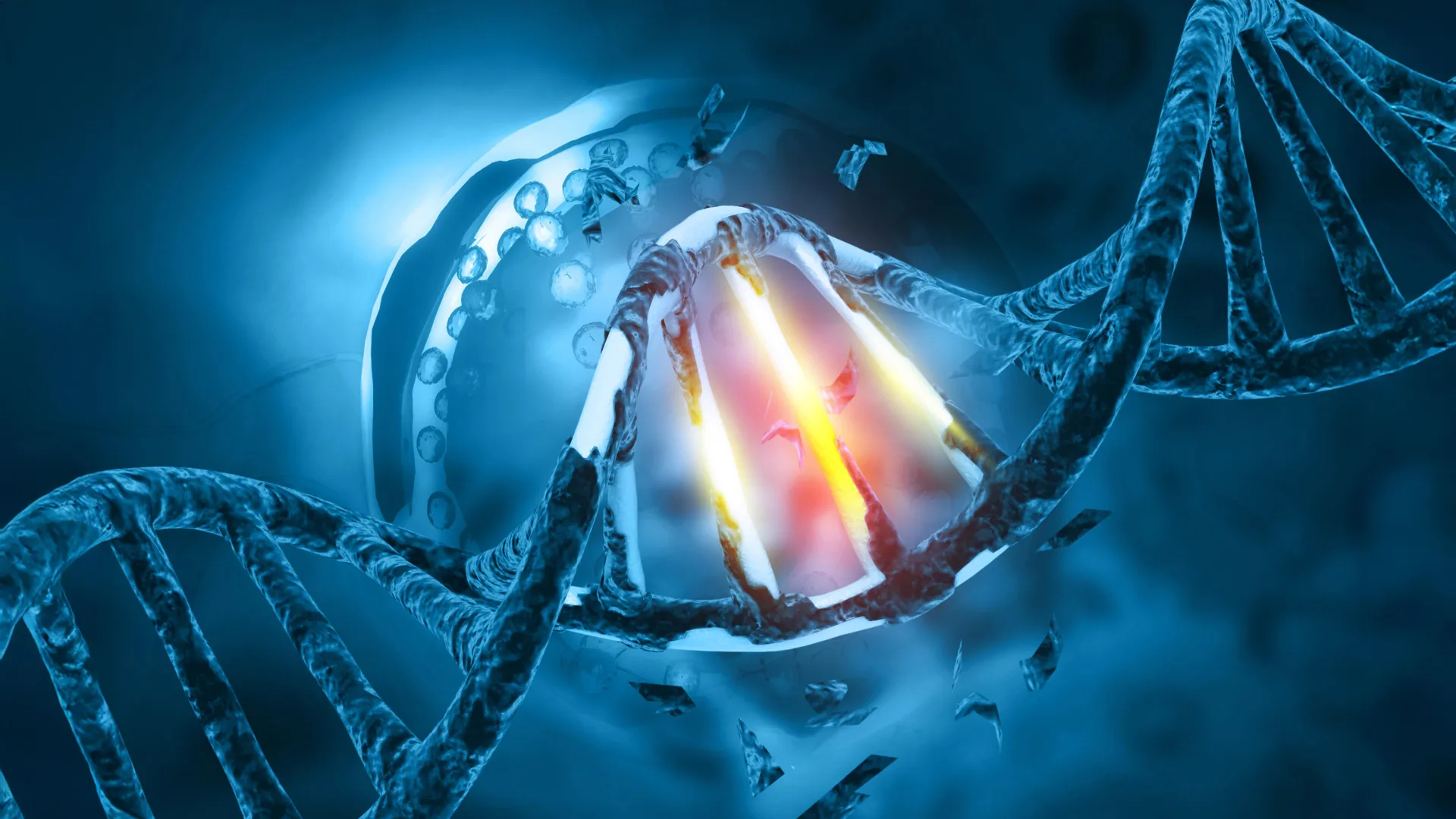
Their meticulous examination highlighted a specific viral protein, designated OrfB9, as playing a pivotal role. While the OrfB9 proteins of SARS-CoV-2 and RaTG13 are almost identical, differing in the sequence of approximately 100 amino acids, a single amino acid substitution was found to be exceptionally significant. This seemingly minor variation proved to be a critical determinant in the viruses’ ability to evade or engage with host immune defenses.
A Single Amino Acid: A Tale of Two Immune Responses
The implications of this single amino acid difference were profound and strikingly divergent across the two species. In human lung cells, the SARS-CoV-2 variant of OrfB9 demonstrated a remarkable capacity to suppress an essential immune signaling pathway. This suppression effectively disarms the human immune system’s initial alarm bells, allowing the virus to replicate unchecked and establish a robust infection.
Conversely, within bat lung cells, the RaTG13 version of OrfB9 exhibited a different behavior. Instead of shutting down immune responses, it appeared to activate a specific immune protein that played a crucial role in containing the virus. This suggests that the natural host’s immune system is better equipped to handle the virus when it possesses the ancestral form of the protein, preventing severe disease.
"The difference between a virus that stays in bats and one that spills over into humans and causes catastrophic disease can come down to remarkably small genetic changes," stated Nevan J. Krogan, PhD, director of QBI and senior author of the study. Dr. Krogan emphasized the potential of this research to revolutionize our approach to pandemic preparedness. "By mapping these interactions at the protein level — across two viruses and two species — we can read the molecular signatures that predict spillover risk. It’s the kind of early warning system the world needs."
Historical Context of Zoonotic Pandemics
The history of human civilization is punctuated by pandemics that have reshaped societies and claimed millions of lives. Understanding the origins of these outbreaks is paramount to preventing future catastrophes.
- The Black Death (14th Century): Caused by the bacterium Yersinia pestis, this pandemic is believed to have originated in rodents and spread to humans through fleas.
- Influenza Pandemics (e.g., 1918 Spanish Flu, 2009 H1N1): Influenza viruses frequently circulate in avian and swine populations, with occasional mutations allowing them to jump to humans and spread globally. The 1918 pandemic alone is estimated to have killed 50 million people worldwide.
- Human Immunodeficiency Virus (HIV) (Late 20th Century): HIV is thought to have originated from simian immunodeficiency virus (SIV) in chimpanzees, likely transmitted to humans through the consumption of bushmeat.
- Severe Acute Respiratory Syndrome (SARS) (2002-2003): Caused by SARS-CoV, a coronavirus that emerged from bats and was transmitted to humans via civet cats.
- Middle East Respiratory Syndrome (MERS) (2012-present): MERS-CoV, another bat-derived coronavirus, is believed to be transmitted to humans through dromedary camels.
The recurring pattern across these diverse pathogens underscores the fundamental role of animal-to-human transmission in the genesis of global health crises. The current study on SARS-CoV-2 and RaTG13 adds a critical molecular layer to this understanding, moving beyond the general concept of spillover to the specific genetic mechanisms that facilitate it.
The Role of Bat Coronaviruses and SARS-CoV-2
Bats have long been recognized as natural reservoirs for a vast array of viruses, including coronaviruses. Their unique physiological adaptations for flight, such as high metabolic rates and controlled inflammation, may contribute to their ability to host viruses without succumbing to severe illness, making them ideal incubators for viral evolution.
SARS-CoV-2, the virus that led to the COVID-19 pandemic, emerged in late 2019. Initial investigations pointed to a zoonotic origin, with strong evidence suggesting bats as the primary reservoir. While the exact intermediate host that facilitated the jump to humans remains a subject of ongoing research, the genetic proximity of SARS-CoV-2 to bat coronaviruses like RaTG13 has been a consistent finding.
The RaTG13 virus, identified in horseshoe bats in China, shares approximately 96% genetic identity with SARS-CoV-2. This high degree of similarity has made it a crucial subject for comparative studies aimed at understanding the evolutionary steps that enabled SARS-CoV-2 to infect humans. The UCSF-led study leverages this genetic closeness to dissect the molecular differences that confer infectivity and virulence in a new host species.
Implications for Future Pandemic Preparedness
The findings from this research carry significant implications for the future of pandemic preparedness and prevention. By identifying a specific, small genetic change that can drastically alter a virus’s interaction with host immune systems, scientists are moving closer to developing predictive models for spillover risk.
Early Warning Systems: The ability to identify molecular signatures associated with spillover potential could lead to the development of sophisticated early warning systems. This would involve monitoring animal populations for viruses exhibiting specific genetic or protein characteristics that indicate a heightened risk of transmission to humans. Such systems could allow for proactive interventions, such as enhanced surveillance in high-risk areas or the development of targeted countermeasures before an outbreak escalates.
Targeted Antivirals and Vaccines: A deeper understanding of how viral proteins interact with host immune pathways can inform the design of more effective antiviral therapies and vaccines. If specific viral components are identified as crucial for immune evasion in humans, these could become prime targets for drug development. Similarly, understanding the immune response in both the animal reservoir and human hosts can guide the development of vaccines that elicit robust and protective immunity.
Global Surveillance Strategies: The study highlights the importance of international collaboration and resource allocation towards understanding the viromes of animal populations. Investing in the study of viruses in their natural hosts, particularly in biodiversity hotspots known for high zoonotic potential, can provide crucial data for risk assessment. This includes developing and deploying advanced technologies for viral discovery and characterization in animal populations worldwide.
One Health Approach: The research reinforces the necessity of a "One Health" approach, which recognizes the interconnectedness of human, animal, and environmental health. By studying viruses in their animal hosts, researchers gain insights that can benefit human and animal health simultaneously. This integrated approach is essential for tackling complex challenges like zoonotic disease emergence.
The research team, comprising numerous scientists from leading institutions, has published a comprehensive list of authors and acknowledged the significant funding that supported this pivotal work. Funding bodies, including the National Institutes of Health, the Howard Hughes Medical Institute, and the Chan Zuckerberg Biohub, underscore the global commitment to understanding and mitigating pandemic threats.
As the world continues to grapple with the aftermath of COVID-19 and the persistent threat of emerging infectious diseases, this study offers a beacon of hope. By deciphering the subtle molecular language of viral adaptation, scientists are forging a path towards a future where humanity is better equipped to anticipate, prevent, and respond to the next inevitable spillover event. The journey from animal to human is often fraught with molecular intricacies, and this research has illuminated one such critical juncture, bringing us closer to a world with enhanced resilience against pandemics.