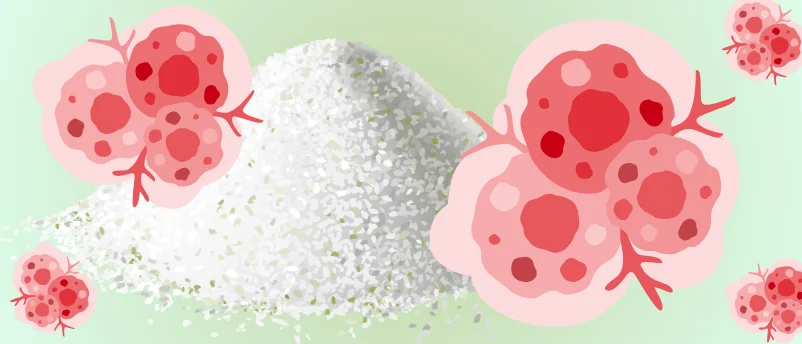
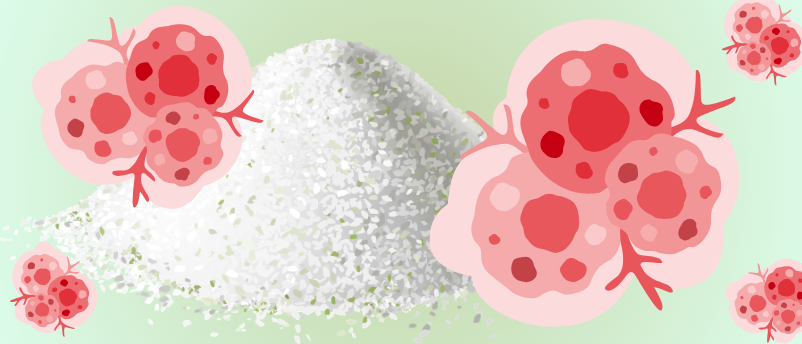
In a significant breakthrough that could reshape the therapeutic landscape for one of the most aggressive and intractable brain cancers, scientists at Northwestern Medicine (IL, USA) have uncovered a critical metabolic vulnerability within the glioblastoma tumor microenvironment. Published on March 17 in the Proceedings of the National Academy of Sciences, their study reveals that specialized immune cells residing within glioblastoma tumors exploit fructose metabolism to actively suppress the body’s natural immune response, thereby fostering tumor growth and progression. This groundbreaking discovery marks the first time this particular sugar pathway has been identified as a driver of immune suppression in brain tumors, offering a compelling new target for treatment strategies aimed at improving immunotherapy efficacy and, ultimately, patient outcomes.
The findings have generated considerable excitement within the neuro-oncology community, particularly given the dire prognosis associated with glioblastoma. Jason Miska, assistant professor of neurological surgery at Northwestern University Feinberg School of Medicine and senior author of the study, emphasized the dramatic impact of their intervention. “Across several mouse models, when we removed the fructose transporter, the tumors simply didn’t grow,” Miska stated, underscoring the profound and unexpected nature of the results. “It was far more dramatic than we anticipated.” This powerful observation served as a primary impetus for the research team to delve deeper into the underlying mechanisms.
The Formidable Challenge of Glioblastoma
Glioblastoma (GBM) stands as the most common and aggressive primary malignant brain tumor in adults. Its diagnosis carries a grim prognosis, with a median survival of approximately 15 to 18 months and a disheartening 5-year survival rate of less than 7%, according to data from the National Brain Tumor Society (MA, USA). Despite decades of intensive research and clinical trials, the standard of care—comprising surgical resection followed by radiation and chemotherapy with temozolomide—has seen only marginal improvements in patient survival. This therapeutic stagnation highlights the urgent need for novel approaches that can circumvent the tumor’s formidable resistance mechanisms.
A key factor contributing to glioblastoma’s notorious treatment resistance is its complex and highly immunosuppressive tumor microenvironment (TME). Far from being a mere collection of malignant cells, the TME is a dynamic ecosystem comprising tumor cells, endothelial cells, astrocytes, and a diverse array of immune cells. Among these, immunosuppressive myeloid cells, which originate from the bone marrow, and brain-resident microglia, the central nervous system’s intrinsic immune cells, play particularly critical roles. While microglia normally function as guardians of brain health, in the context of glioblastoma, they are often co-opted by the tumor to facilitate its growth and shield it from immune attack. This intricate interplay between tumor cells and their surrounding immune milieu creates a formidable barrier to effective anti-cancer immunity, often rendering conventional immunotherapies, which have shown promise in other cancer types, largely ineffective against GBM.
Unraveling the Microglial Fructose Connection
The Northwestern team’s investigation specifically honed in on the unique metabolic and immunologic processes exhibited by microglia within the glioblastoma TME. Prior research had already established microglia’s crucial role in the early stages of tumor growth. What remained largely unknown, however, was the precise metabolic pathways they utilized to exert their immunosuppressive effects. The researchers observed that microglia in glioblastoma uniquely express a specific fructose transporter, known as GLUT5, which enables them to import and metabolize fructose. While GLUT5’s presence in microglia was known, its functional significance in brain tumor progression had, until this study, remained poorly understood.
“We knew microglia use this fructose transporter as part of their normal biology, but we did not expect it to be this important for brain tumor growth,” Miska explained, reflecting on the initial surprising findings. The unexpected strength of the correlation between fructose metabolism and tumor growth compelled the team to embark on a rigorous, multi-year investigation. “When we first saw these results nearly 4 years ago, it’s what kept us going,” he added. “The findings were so unexpected that we knew we had to keep digging deeper.” This persistence ultimately led to the comprehensive understanding presented in their recent publication.
A Deep Dive into the Discovery Pathway
To elucidate the role of microglial fructose metabolism, the scientists employed a sophisticated array of laboratory techniques in mouse models of glioblastoma. Flow cytometry, a method used to measure and analyze various cell types, allowed them to differentiate between microglia, macrophages (immune cells that can infiltrate tumors from the bloodstream), and the glioma tumor cells themselves, both within the tumors and in the surrounding healthy brain tissue. Concurrently, advanced genetic sequencing methods provided detailed insights into the gene expression profiles of these distinct cell populations.
This meticulous analysis yielded several critical insights. Firstly, it definitively confirmed that microglia were the predominant immune cells within the glioblastoma microenvironment that uniquely expressed the GLUT5 transporter. More importantly, the study established that microglia were, in fact, the only immune cells in this specific context capable of metabolizing fructose. This exclusivity highlighted GLUT5 and fructose metabolism as a highly specific and potentially targetable pathway within the glioblastoma TME.
The next crucial step involved directly testing the functional consequence of disrupting this pathway. The Northwestern scientists studied tumors in mice that were genetically engineered to lack the GLUT5 transporter specifically in their microglia. The results were striking: these tumors exhibited a significantly more robust anti-tumor immune response compared to their counterparts with intact GLUT5. This enhanced immune activity manifested in several key ways: improved recognition of tumor cells by the immune system, a marked increase in the production of pro-inflammatory cytokines (signaling molecules crucial for driving immune responses), and, perhaps most critically, a rapid multiplication and activation of CD8+ T-cells. These CD8+ T-cells, often referred to as "killer T-cells," are the primary effector cells of the immune system responsible for directly identifying and destroying cancer cells.
Leah Billingham, a Northwestern postdoctoral fellow in Miska’s laboratory and co-first author of the study, elaborated on the intricate interplay observed. “This not only makes the microglia themselves more inflammatory, but it also causes those T-cells and B-cells that are in the tumor to be more activated and create more inflammatory molecules that we have shown are required for rejection of brain tumors,” Billingham commented. Her statement underscores that the impact of blocking fructose metabolism extends beyond merely altering microglial behavior; it initiates a cascading effect that re-engages and empowers other crucial components of the immune system. “This isn’t just solely the microglia doing something, this is an intricate interaction between the different parts of the immune system and how they are then impacting tumor rejection,” Billingham noted, emphasizing the holistic nature of the immune system’s response to the intervention.
Implications for Revolutionizing Cancer Treatments
The profound findings from this research carry substantial implications for the development of new therapeutic strategies against glioblastoma. By pinpointing microglial fructose metabolism as a key regulator of immune suppression within the TME, the study introduces a promising new therapeutic target that could fundamentally alter the effectiveness of existing or future immunotherapies.
Miska highlighted the urgent need for such novel approaches. “The challenge with glioblastoma is that the standard of care has barely changed in 20 years,” he remarked. “That’s why identifying an entirely new therapeutic approach like this is so exciting.” The scarcity of significant advancements in glioblastoma treatment underscores the potential transformative impact of targeting this newly identified metabolic pathway.
An intriguing aspect of the discovery is the unique role of fructose in the brain compared to other organ systems. Systemically, increased fructose consumption is often associated with a range of inflammatory diseases, including colon cancer and diabetic neuropathy. However, the study suggests that in the brain, fructose appears to play an inverse role, actively suppressing inflammation, which paradoxically benefits the tumor. “Fructose consumption is associated with so many bad inflammatory outcomes in patients. What’s interesting here is that in the brain, it seems to be working differently,” Miska added. “It still helps the brain tumor grow, but now we’re seeing something very different in the brain than we see in the rest of the body.” This nuanced understanding of fructose’s metabolic context is critical for developing highly specific and effective therapeutic interventions.
The Road Ahead: From Bench to Bedside
Looking forward, the research team is focused on translating these exciting preclinical findings into tangible benefits for patients. Miska outlined the immediate next steps: identifying and developing pharmaceutical agents specifically designed to block cells from absorbing fructose. Once promising fructose transport inhibitors are identified, they will undergo rigorous preclinical testing.
“Once we can get our hands on something that is promising as a fructose transport inhibitor, we will then take it into preclinical stages where we add standard-of-care therapies for brain tumors or immunotherapies and see if we can sensitize them,” Miska concluded. This strategy of combining a GLUT5 inhibitor with established treatments or emerging immunotherapies holds immense promise. By disabling the tumor’s immune-evasion mechanism, such combination therapies could potentially lower the threshold for anti-tumor immune responses, making previously ineffective treatments viable and significantly improving patient outcomes.
The journey from a laboratory discovery to a clinically approved drug is long and arduous, fraught with challenges including drug specificity, delivery across the blood-brain barrier, and potential off-target effects. However, the clear and dramatic results observed in the mouse models provide a strong scientific rationale and renewed hope for patients facing a diagnosis of glioblastoma. This research not only offers a novel therapeutic target but also deepens our understanding of the complex metabolic reprogramming that occurs within the tumor microenvironment, paving the way for a new generation of targeted therapies against this devastating disease.