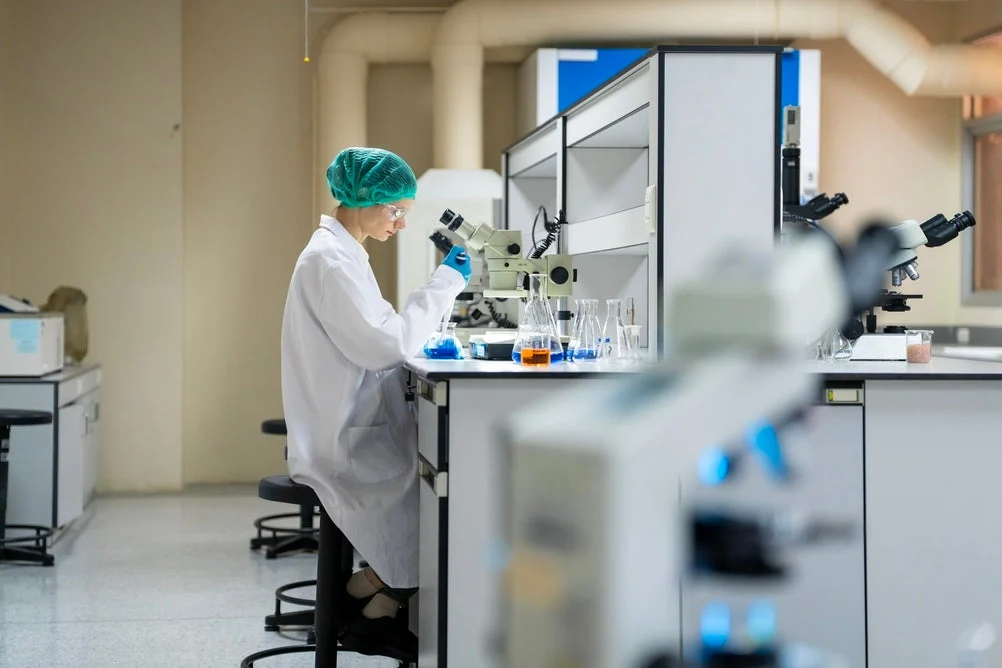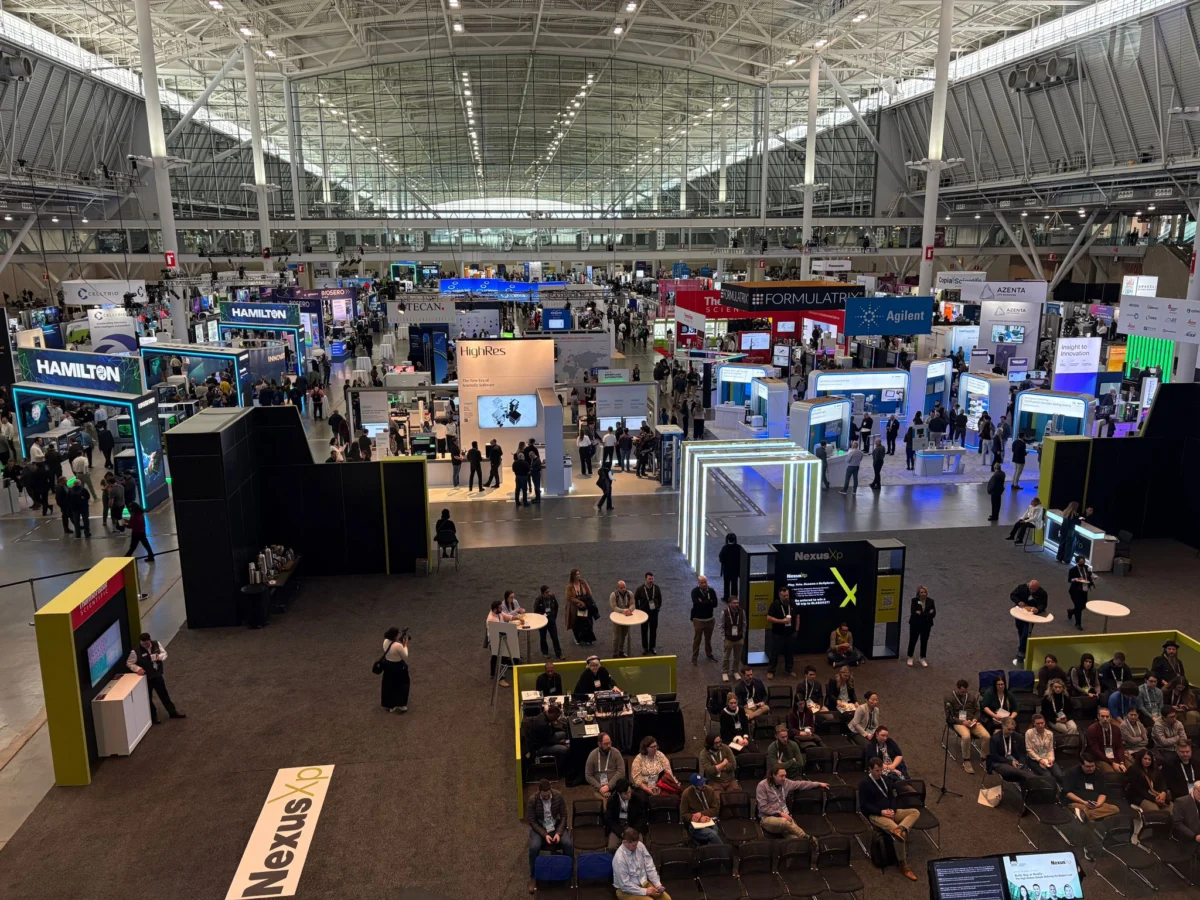
The annual SLAS International Conference and Exhibition, held in Boston from February 7-11, 2026, served as a pivotal moment for the life sciences and drug discovery sectors, signaling a definitive shift from traditional lab automation to an era dominated by intelligent, integrated, and increasingly autonomous systems. While the exhibition floor still featured the familiar array of liquid handler demonstrations and scientific poster sessions, a palpable change in energy permeated this year’s event. Three major orchestration platforms launched within the same week, multiple new instruments debuted with API-first architectures, and just two days prior, on February 5, a landmark collaboration between OpenAI and Ginkgo Bioworks unveiled results from an autonomous lab run that executed over 36,000 experiments. These developments collectively underscore a transformative period for drug discovery teams contemplating their next automation investments and the future design of their research environments.
The Orchestration Revolution: A Battle for the Lab OS
The most defining narrative emanating from SLAS 2026 was undoubtedly the burgeoning "lab OS wars," a fierce competition among over 15 companies vying to establish the foundational operating system layer for AI-enabled laboratories. This contest highlights the critical need for seamless integration and centralized control in complex automated research environments. Companies like Biosero, Automata, Synthace, and UniteLabs are at the forefront of this battle, each presenting sophisticated solutions designed to bridge the gap between disparate instruments and advanced artificial intelligence.
An orchestration platform, in this context, functions as the central nervous system of the modern laboratory. It is middleware that manages the flow of data, coordinates instrument actions, schedules experiments, and ensures that different pieces of hardware and software can communicate effectively. The emergence of robust, commercial-grade orchestration platforms signifies that the concept of a "closed-loop lab"—where AI can autonomously design, execute, and analyze experiments, then iterate on findings—is no longer a theoretical aspiration but a vendor selection decision. This shift promises to dramatically accelerate research cycles and improve the reproducibility of scientific results.

Industry analysts at the conference noted that the global lab automation market, already valued at an estimated $5.5 billion in 2025, is projected to surge to over $10 billion by 2030, with much of this growth attributed to the adoption of advanced orchestration and AI-driven systems. "The demand for truly integrated, intelligent labs is no longer aspirational; it’s imperative," stated Dr. Eleanor Vance, a lead analyst covering life sciences technology. "Researchers are drowning in data and grappling with fragmented workflows. These orchestration platforms are the key to unlocking the full potential of automation and AI, making complex experimental designs feasible and efficient." The competition, while intense, is expected to drive rapid innovation, offering increasingly powerful and user-friendly solutions to the scientific community.
The Dawn of Semi-Autonomous Science
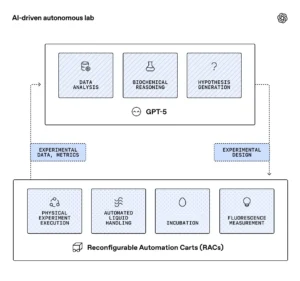
Perhaps the most concrete proof point for AI-driven discovery arrived just days before SLAS 2026 officially opened. On February 5, OpenAI and Ginkgo Bioworks made headlines with the announcement that OpenAI’s GPT-5, in conjunction with Ginkgo’s cloud lab infrastructure, had autonomously conducted an astounding 36,000 protein synthesis experiments. This landmark achievement demonstrated GPT-5’s capability to design, execute, analyze, and iterate on a cell-free protein synthesis campaign over six rounds with minimal human intervention. The tangible outcome was a reduction in sfGFP (superfolder green fluorescent protein) production costs by approximately 40% compared to previous state-of-the-art methods. The research, published on bioRxiv to coincide with the SLAS event, provided a powerful real-world example of AI’s transformative potential in biological engineering.
Speaking about the development, Reshma Shetty, Ph.D., co-founder of Ginkgo Bioworks, emphasized the paradigm shift this represents. "This isn’t just about faster experiments; it’s about reimagining the scientific process itself," Dr. Shetty remarked during an interview. "GPT-5 acted as an intelligent agent, making data-driven decisions at every stage, learning and optimizing. This level of autonomy allows our human scientists to focus on higher-level strategic thinking and breakthrough concepts, rather than the tedious aspects of experimental design and execution. We are truly entering an era where AI becomes a collaborative partner in discovery."
Adding to the momentum, Atinary, an American-Swiss AI company, chose SLAS week and its host city to launch its first physical "self-driving lab" in Boston. Moving beyond its software roots, Atinary’s new facility is purpose-built for autonomous optimization across various R&D domains, including chemistry, materials science, and pharmaceutical research. The strategic timing and location of this launch underscored the growing trend towards providing physical infrastructure for autonomous experimentation, making these advanced capabilities more accessible to a broader range of research institutions and biotech firms. These developments collectively painted a vivid picture of a future where AI and automation are not merely tools but integral components of the scientific discovery engine.

Key Platform and Hardware Innovations Unveiled
The SLAS 2026 show floor was abuzz with a flurry of product launches and strategic partnerships, each contributing to the overarching theme of enhanced automation and intelligent integration.
Biosero, a BICO Group subsidiary specializing in lab automation, introduced its GoSimple pre-validated workcells. These standardized, pre-configured benchtop workcells are designed to dramatically reduce the deployment timelines for common screening workflows, addressing a long-standing pain point for labs transitioning to automation. Simultaneously, Biosero integrated an AI assistant into its flagship Green Button Go scheduling software. This assistive AI aims to bridge the critical gap between the purchase of a robot and its effective, consistent operation, helping users optimize schedules, troubleshoot issues, and maximize throughput. "Our goal is to democratize lab automation," stated a Biosero executive. "GoSimple and our new AI assistant are designed to lower the barrier to entry, making sophisticated automation accessible and usable for more researchers, faster."
QIAGEN, a global provider of sample and assay technologies, marked its significant entry into high-throughput benchtop sample preparation automation with the showcase of its QIAsprint Connect system. This new instrument processes up to 192 samples per run, supports both QIAGEN-tested and fully customizable chemistries, and features a compact footprint. The QIAsprint Connect is strategically positioned to compete with established players in the nucleic acid extraction space, offering a robust solution for labs requiring high-volume, efficient sample preparation. Its introduction signals a growing market demand for integrated and automated solutions even at the benchtop scale.
Cenevo, the company formed from the mid-2025 rebranding of Titian Software and Labguru, and backed by Battery Ventures, debuted two innovative AI agents at SLAS. These agents are designed to convert traditional paper-based lab protocols into structured digital formats and to automate event-driven lab workflows. With a specific focus on the compliance-heavy pharmaceutical segment, Cenevo’s new offerings provide 21 CFR Part 11 support, ensuring data integrity and regulatory adherence. These tools are crucial for streamlining operations, reducing manual errors, and enhancing data provenance in regulated environments.

In the realm of hardware and integration, ABB Robotics showcased its GoFa cobots, demonstrating their practical application on the lab bench. Three live GoFa cobot workcells performed real analytical tasks, including pipetting, weighing, titration, and UV-Vis spectrometry, alongside instruments from industry leaders like Agilent and Mettler Toledo. ABB’s pitch emphasized industrial-grade robotics, multi-vendor interoperability, and the avoidance of vendor lock-in. These collaborative robots (cobots) offer the flexibility and precision of industrial robotics with the safety features necessary for human-robot interaction in laboratory settings, promising increased efficiency and reduced repetitive strain for scientists.
Further solidifying the trend towards end-to-end connectivity, Danaher-owned Molecular Devices announced a strategic partnership with Automata. This collaboration will pair Molecular Devices’ extensive imaging and detection portfolio with Automata’s LINQ orchestration platform, creating seamlessly connected workflows. This announcement coincided with Automata’s successful Series C funding round, which secured $45 million. The round was led by Dimension, with Danaher Ventures notably participating as a strategic investor. Given Danaher’s ownership of major life science brands like Beckman Coulter and Molecular Devices, this investment is a clear vote of confidence in Automata’s LINQ platform as a potential cross-portfolio orchestration layer, promising deeper integration and synergistic solutions across Danaher’s vast instrument ecosystem.
The Shadow AI Phenomenon: Scientists’ Unofficial Solutions
A revealing survey conducted by Sapio Sciences and released at SLAS 2026 highlighted a significant disconnect between the technological advancements showcased and the daily realities faced by many scientists. The survey, which polled 150 scientists attending the event, found that nearly 45% admitted to using "shadow AI"—public AI models accessed via personal accounts—because their official institutional platforms were perceived as inadequate or too slow to adapt.
The findings painted a picture of frustration with existing digital tools. More than half of the surveyed scientists stated that their Electronic Lab Notebooks (ELNs) were overly complex and impeded their workflow, viewing them as little more than "glorified filing cabinets." Furthermore, a striking 65% reported having to repeat experiments because earlier results were too difficult to locate or access efficiently. This "demand-side signal" is clear: scientists are actively circumventing their official IT stacks to perform their work effectively, indicating an urgent need for more intuitive, integrated, and AI-powered solutions within established laboratory information management systems.
"The prevalence of shadow AI is a double-edged sword," commented a Sapio Sciences spokesperson. "While it demonstrates scientists’ ingenuity and hunger for powerful tools, it also exposes significant security risks and data integrity challenges for organizations. The message to vendors and IT departments is unambiguous: the tools provided must evolve rapidly to meet the real-time needs of researchers, or they will find alternative, potentially unsecure, solutions." This revelation underscores the critical importance of developing user-centric AI solutions that can be seamlessly and securely integrated into official lab environments.
Sustainability Takes Center Stage
Beyond the technological marvels, SLAS 2026 also marked a significant milestone for laboratory sustainability. PulpFixin, a company recognized for its compostable AutoRacks—automation-compatible alternatives to traditional plasticware—was named the official sustainability sponsor for both SLAS 2026 and the upcoming SLAS Europe event in Vienna. This sponsorship elevates lab sustainability from a niche discussion point to a central theme of the conference.
Further reinforcing this commitment, Chad Jenkins, CEO of PulpFixin, will chair the newly formed SLAS Sustainability in Science Topical Interest Group, co-sponsored with My Green Lab. This initiative aims to foster dialogue, share best practices, and drive the adoption of eco-friendly solutions across the global scientific community. The move signals a growing industry-wide recognition of the environmental footprint of laboratory operations and a concerted effort to promote more sustainable research practices, from waste reduction to energy efficiency.
Broader Implications and the Road Ahead
SLAS 2026 will undoubtedly be remembered as a turning point, solidifying the transition of lab automation from discrete instruments to integrated, intelligent ecosystems. The convergence of advanced orchestration platforms, API-first instrument design, and the tangible emergence of semi-autonomous labs heralds a new era for drug discovery and scientific R&D.
For drug discovery teams, the implications are profound. The ability to design and execute tens of thousands of experiments with minimal human input, coupled with systems that can intelligently manage and optimize workflows across diverse instruments, promises to accelerate lead identification, optimize therapeutic candidates, and significantly reduce the time and cost associated with bringing new drugs to market. The competition among lab OS providers will drive innovation, offering increasingly sophisticated tools for data management, experiment scheduling, and real-time analysis.
However, challenges remain. The widespread adoption of these advanced systems will require significant investment in infrastructure, workforce training, and data standardization. Addressing the "shadow AI" phenomenon will necessitate the development of secure, user-friendly, and highly integrated AI tools that can be seamlessly incorporated into existing IT frameworks. The call for multi-vendor interoperability, championed by initiatives like ABB’s cobot demonstrations, will be crucial in preventing vendor lock-in and fostering truly flexible lab environments.
Ultimately, SLAS 2026 underscored that the future of drug discovery lies in the hands of intelligently automated and increasingly autonomous laboratories. The event not only showcased the cutting edge of what is possible today but also laid out a clear roadmap for the continued evolution of scientific research, promising unprecedented efficiency, reproducibility, and ultimately, groundbreaking discoveries for human health.