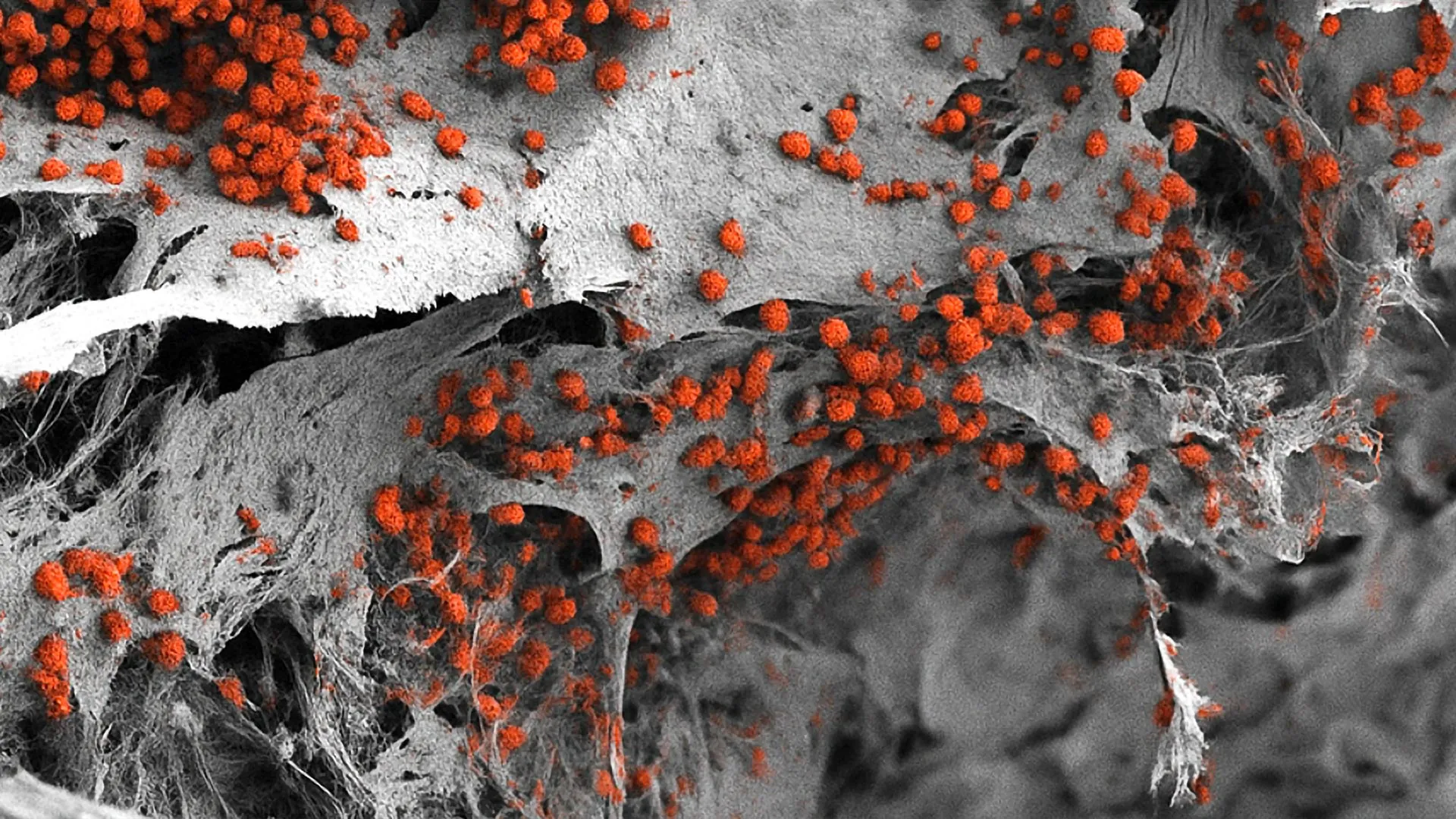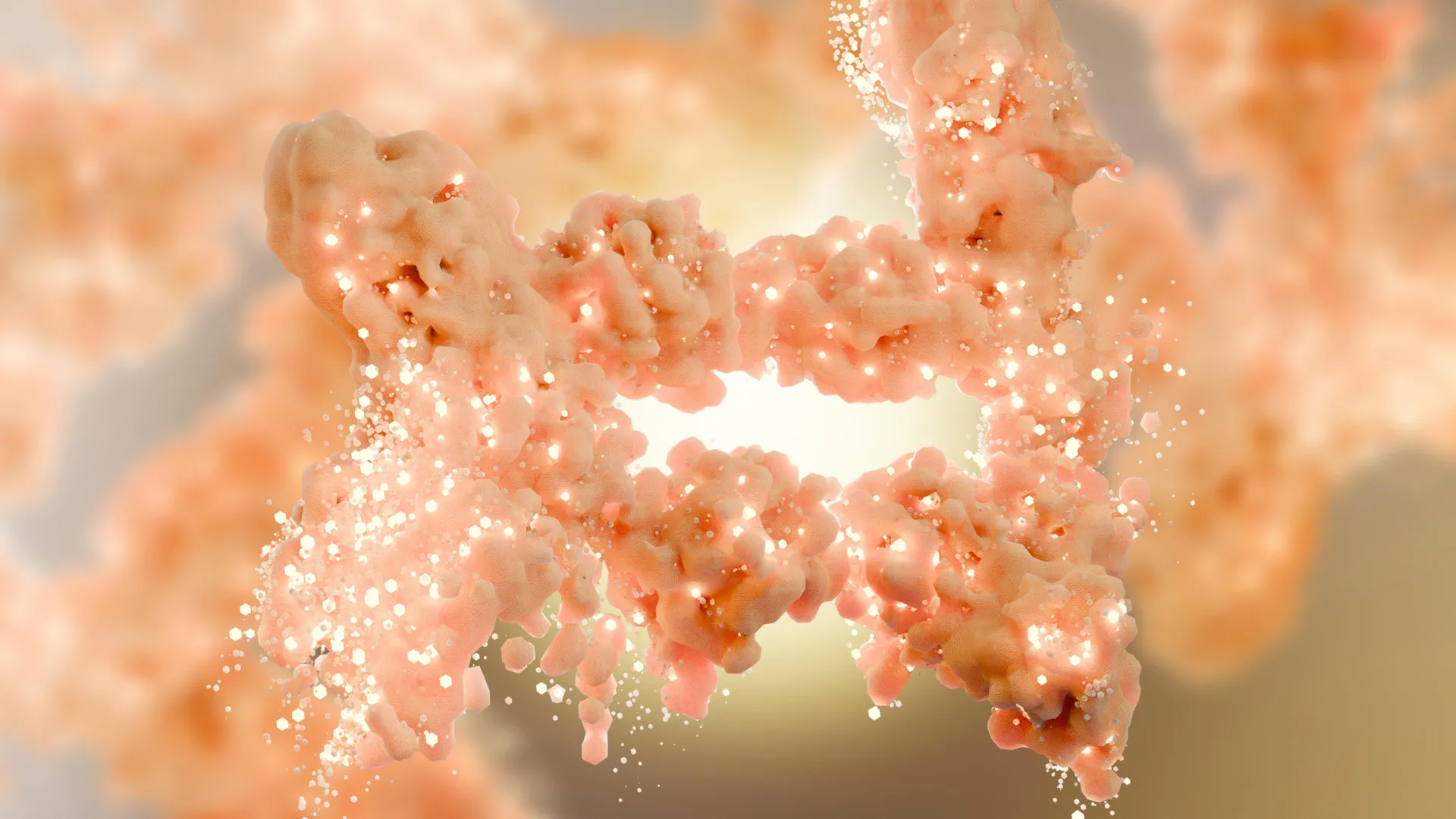
In a groundbreaking study that could redefine the landscape of regenerative medicine, researchers at the University of Houston (UH) College of Pharmacy have uncovered the intricate molecular mechanisms that govern skeletal muscle regeneration and growth following resistance exercise and injury. The research, spearheaded by the laboratory of Ashok Kumar, the Else and Philip Hargrove Endowed Professor of pharmacy, identifies a specific signaling axis—the Inositol-requiring enzyme 1 (IRE1) and X-box binding protein 1 (XBP1)—as the primary driver behind the fusion of myoblasts, the essential process required for building and repairing muscle tissue. This discovery is far more than a fundamental biological insight; it represents a potential turning point for the development of targeted therapies for debilitating muscle disorders such as Muscular Dystrophy, which currently affect millions of individuals across the globe.
The Vital Role of Skeletal Muscle in Human Health
Skeletal muscle is the most abundant tissue in the human body, accounting for approximately 40% of total body mass. While often associated primarily with locomotion and physical strength, its biological importance extends to the very core of human survival. Skeletal muscles control the diaphragm for breathing, facilitate the swallowing of food, and serve as the primary site for whole-body metabolism, including glucose disposal and lipid oxidation. When these muscles fail due to age, injury, or genetic disorders, the systemic consequences are profound, leading to metabolic dysfunction, loss of independence, and, in severe cases, respiratory failure.
The regenerative capacity of skeletal muscle is one of nature’s most robust biological systems, yet it is also one of the most complex. Unlike many other tissues, adult skeletal muscles possess a dedicated reservoir of stem cells known as satellite cells. These cells remain quiescent under normal conditions but are "awakened" by mechanical strain—such as resistance exercise—or physical trauma. Once activated, satellite cells proliferate, producing myoblasts that eventually fuse with one another or with existing damaged muscle fibers (myofibers) to restore structural integrity and enhance muscle size. The UH study focuses on the specific signaling "switch" that allows this fusion to occur successfully.
Decoding the Mechanism: The IRE1-XBP1 Signaling Axis
The University of Houston team, publishing their findings in the journal EMBO Reports, focused on the role of IRE1, a key signaling protein typically associated with the cellular response to endoplasmic reticulum (ER) stress. The ER is the cellular factory responsible for protein folding and quality control. During the intense metabolic demand of muscle repair, the ER must work overtime to produce the proteins necessary for cell fusion.
The researchers found that IRE1 acts as a critical mediator during the regeneration phase. When muscle tissue is damaged or stimulated by exercise, IRE1 augments the activity of XBP1. This protein, in turn, acts as a transcription factor that stimulates the gene expression of multiple transmembrane proteins. These specific proteins are the "glue" required for myoblast fusion. Without sufficient levels of IRE1 or XBP1, the myoblasts fail to merge, leaving the muscle unable to repair itself or grow in response to stimulus.
According to the study’s first author, Aniket Joshi, a graduate student in Kumar’s lab, the implications for muscle size are paramount. "Size is very important for muscle. Muscle grows only in size, not in number," Joshi explained. "Muscular people have larger muscle cells. Larger muscles generally work better—can lift more weight, run and walk faster, and improve overall metabolism of the body and prevent various diseases, such as type II diabetes."
A Chronology of Discovery: Building on Previous Success
The current findings in EMBO Reports are the culmination of years of dedicated research at the University of Houston. This work builds upon a foundational study published by Kumar’s team in 2021 in the journal eLife. In that earlier research, the team first described the role of the IRE1α/XBP1 signaling axis in the regeneration of healthy skeletal muscle following acute injury.
The 2021 study was particularly significant because it utilized models of Duchenne Muscular Dystrophy (DMD), the most common and severe form of the disease. DMD is characterized by a lack of dystrophin, a protein that protects muscle fibers from damage. In DMD patients, the cycle of damage and repair is so constant that the satellite cell population eventually becomes exhausted, and the regenerative machinery fails. The 2021 research demonstrated that the IRE1α/XBP1 axis plays an autonomous role within satellite cells, suggesting that boosting this pathway could extend the functional life of muscle tissue even in the presence of genetic defects.
The latest 2024 research expands this understanding by detailing exactly how this signaling pathway influences the physical diameter of muscle fibers. By augmenting the levels of IRE1α or XBP1 in myoblasts, the researchers observed the formation of myotubes (immature muscle cells) with significantly increased diameters. This suggests that the pathway is not just a "repair" mechanism but a "growth" mechanism that can be manipulated for therapeutic gain.
Supporting Data: Enhancing Muscle Repair via Cell Therapy
The data presented by the UH researchers suggests a dual-pronged approach to treating muscle-wasting diseases. First, there is the potential for pharmacological intervention to activate the IRE1-XBP1 pathway in vivo. Second, and perhaps more immediately promising, is the prospect of ex vivo cell therapy.
The researchers propose that muscle stem cells could be harvested from a patient, treated outside the body to increase their levels of IRE1 or XBP1, and then re-injected into the patient’s muscle tissues. This "supercharged" population of stem cells would theoretically have a much higher success rate of fusion and regeneration, effectively bypassing the diminished intrinsic capacity for repair found in patients with Muscular Dystrophy or age-related sarcopenia.
This methodology addresses a major hurdle in current regenerative medicine: the poor survival and integration rates of transplanted stem cells. By targeting the specific molecular "fusion" switch, the UH team has provided a roadmap for ensuring that transplanted cells actually contribute to functional muscle mass.
Scientific Collaboration and Global Contribution
The research was a highly collaborative effort, reflecting the global nature of modern biomedical science. Along with Kumar and Joshi, the UH team included post-doctoral fellow Meiricris Tomaz da Silva and research assistant professor Anirban Roy. Contributions were also made by Micah Castillo, Preethi Gunaratne, Mingfu Wu, Yu Liu, and former post-doctoral fellow Tatiana E. Koike.
Extending the reach of the study, the team collaborated with Takao Iwawaki of Kanazawa Medical University in Japan. This international partnership allowed the researchers to utilize advanced genetic models and imaging techniques to confirm that the IRE1-XBP1 pathway is a conserved and essential mechanism in mammalian muscle development.
Broader Implications: Beyond Muscular Dystrophy
While the primary focus of the research is on neuromuscular disorders, the implications of the IRE1-XBP1 discovery extend into several other areas of public health:
- Sarcopenia and Aging: As the global population ages, sarcopenia—the involuntary loss of skeletal muscle mass and strength—is becoming a public health crisis. Sarcopenia increases the risk of falls, fractures, and loss of independence in the elderly. The UH findings suggest that age-related declines in muscle mass might be linked to a dampening of the IRE1-XBP1 signaling axis, offering a new target for anti-aging therapies.
- Metabolic Health and Diabetes: Skeletal muscle is a major metabolic organ. By understanding how to increase muscle fiber diameter and quality, researchers may develop new ways to combat Type II diabetes and obesity. Larger, more active muscle fibers are more efficient at clearing glucose from the blood, improving insulin sensitivity.
- Critical Care and Recovery: Patients who spend extended periods in intensive care units (ICUs) often suffer from rapid muscle wasting (ICU-acquired weakness). Understanding the mechanisms of myoblast fusion could lead to treatments that help these patients recover their strength more quickly during rehabilitation.
- Sports Medicine: For athletes recovering from severe muscle tears or volumetric muscle loss, therapies targeting the IRE1-XBP1 pathway could significantly shorten recovery times and ensure that the regenerated muscle is as strong as the original tissue.
Conclusion and Future Outlook
The University of Houston’s identification of the IRE1-XBP1 signaling axis represents a major leap forward in our understanding of how the body builds and maintains its most essential tissue. By pinpointing the exact molecular "machinery" required for myoblast fusion, Professor Ashok Kumar and his team have provided the medical community with a new set of tools to fight muscle-wasting diseases that were previously thought to be largely untreatable.
The transition from laboratory findings to clinical application will require further investigation, including human clinical trials to ensure the safety and efficacy of modulating these pathways. However, the clarity of the UH research offers a high degree of optimism. As we move into an era of personalized medicine, the ability to "tune" a patient’s own stem cells to be more effective at muscle repair could soon become a reality, offering millions of people the chance to breathe easier, move faster, and live longer, healthier lives.