The U.S. Food and Drug Administration (FDA) has granted accelerated approval to Rocket Pharmaceuticals’ Kresladi (marnetegragene autotemcel), a groundbreaking gene therapy for the treatment of severe Leukocyte Adhesion Deficiency Type I (LAD-I) in pediatric patients. This landmark decision marks the first pharmaceutical option available for children suffering from this ultra-rare and life-threatening immune disorder, offering a beacon of hope to affected families. The approval also comes with the significant award of a priority review voucher, a valuable asset on the secondary market.
A New Frontier in Treating Severe LAD-I
Kresladi is a pioneering gene therapy indicated for the treatment of pediatric patients diagnosed with severe LAD-I, specifically those with biallelic variants in the ITGB2 gene. This designation is critical, as it targets patients who do not have a matched sibling donor available for a stem cell transplant, the current gold standard of care for the condition. This new therapeutic avenue addresses a significant unmet medical need, providing an alternative for a vulnerable patient population historically facing limited treatment options.
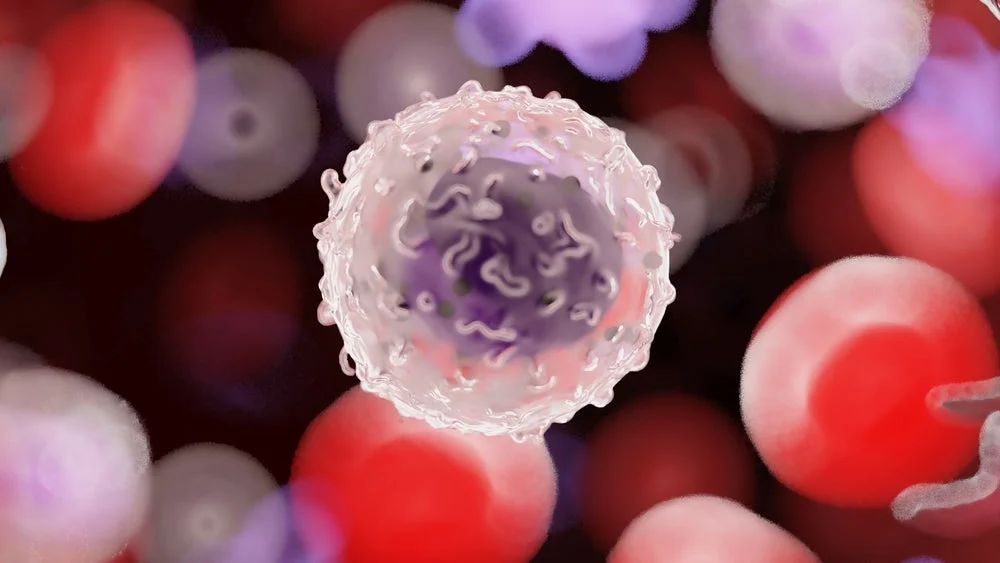
Leukocyte Adhesion Deficiency Type I is a severe inherited immune deficiency stemming from mutations in the ITGB2 gene. These genetic defects impair the function of white blood cells, specifically their ability to adhere to blood vessel walls and migrate to sites of infection. Consequently, individuals with severe LAD-I are highly susceptible to recurrent, life-threatening bacterial and fungal infections. The condition is exceptionally rare, affecting approximately one in a million individuals globally, underscoring the profound impact of this approval on a very small but critically ill patient cohort.
The innovative Kresladi therapy involves a patient’s own hematopoietic stem cells, which are genetically engineered to reintroduce functional copies of the ITGB2 gene. Administered as a single intravenous infusion, the therapy aims to restore the production of essential proteins encoded by the ITGB2 gene. These proteins are crucial for white blood cells to perform their vital immune surveillance and response functions, ultimately enhancing the body’s ability to combat infections.
Clinical Trial Data and Regulatory Scrutiny
The FDA’s decision to approve Kresladi was primarily based on compelling data from a Phase I/II clinical trial (NCT03812263). This trial demonstrated a significant increase in neutrophil CD18 and CD11a cell surface expression – key biomarkers directly associated with the ITGB2 gene’s function and indicative of improved immune activity. These levels showed a marked increase at 12 months post-infusion and remained sustained through 24 months, suggesting a durable therapeutic effect. The FDA has stipulated post-marketing requirements to further confirm the long-term clinical benefit of Kresladi in patients with severe LAD-I, ensuring ongoing monitoring and data collection.
Vinay Prasad, the Director of the FDA’s Center for Biologics Evaluation and Research (CBER), highlighted the agency’s commitment to expediting life-changing treatments for rare diseases. "The FDA continues to exercise significant regulatory flexibilities as applicable, during both chemistry, manufacturing and control and clinical review of licensing applications," Prasad stated. "For rare diseases, the FDA considers small patient populations in clinical trials and all available sources of evidence to advance life-changing treatments while still meeting its rigorous scientific standards." This approach underscores the FDA’s adaptive regulatory framework for addressing the unique challenges of developing therapies for ultra-rare conditions.
Kresladi’s approval coincides with a significant transition for Dr. Prasad, who is slated to depart the agency in April to resume his academic position as a professor of epidemiology, biostatistics, and medicine at the University of California, San Francisco. During his tenure as CBER head, Dr. Prasad has been a prominent figure in the cell and gene therapy landscape, often navigating complex regulatory pathways and sometimes drawing scrutiny for his approach to approvals. His departure marks the end of an era for CBER’s leadership in this rapidly evolving field.
A Valuable Priority Review Voucher
A significant financial and strategic implication of Kresladi’s approval is the award of a Priority Review Voucher (PRV). Because Kresladi received Rare Pediatric Disease Designation, Rocket Pharmaceuticals is entitled to this voucher, which can be sold to other pharmaceutical companies. PRVs are designed to incentivize the development of new therapies for rare pediatric diseases. Currently, these vouchers command substantial value on the secondary market, with recent transactions indicating a price point of approximately $200 million. For instance, Jazz Pharmaceuticals announced the sale of a PRV for this amount at the J.P. Morgan Healthcare Conference in January 2026, underscoring their significant financial worth. The sale of this PRV could provide Rocket Pharmaceuticals with substantial capital to reinvest in its pipeline or pursue other strategic initiatives.
Broader Impact on the Patient Community and Industry
While Kresladi is not anticipated to be a major revenue driver for Rocket Pharmaceuticals due to the extreme rarity of LAD-I, its impact on the patient community is expected to be profound. Global sales forecasts from GlobalData, the parent company of Pharmaceutical Technology, predict approximately $120 million in global sales for the therapy by 2031, based on analyst consensus. This figure, while modest in the broader pharmaceutical market, represents a critical therapeutic advancement for the few patients who will benefit.
Vanessa Tenembaum, CEO of the Jeffrey Modell Foundation, a non-profit organization dedicated to the early diagnosis and treatment of primary immunodeficiency disorders, emphasized the significance of this approval. "The approval of KRESLADI represents a significant development for individuals affected by severe LAD-I and the broader primary immunodeficiency community," Tenembaum stated. "For families impacted by this rare and serious disease, this approval underscores the importance of continued efforts to improve outcomes for patients with primary immunodeficiencies." Her statement reflects the immense relief and optimism this new treatment offers to families who have long faced a challenging prognosis.
The approval of Kresladi also highlights the growing momentum in the cell and gene therapy sector. As the scientific understanding of genetic diseases deepens and manufacturing processes mature, more innovative therapies are emerging from the pipeline. This development is a testament to the collaborative efforts between researchers, pharmaceutical companies, regulatory bodies, and patient advocacy groups.
Background and Chronology of LAD-I Treatment
Leukocyte Adhesion Deficiency Type I has historically presented a significant challenge to medical professionals. The understanding of LAD-I’s genetic basis began to emerge in the late 1980s and early 1990s with the identification of mutations in the ITGB2 gene, which encodes the CD18 subunit of integrins. These integrins are crucial for cell-cell adhesion, particularly for leukocytes.
For decades, the primary treatment strategy for severe LAD-I has been hematopoietic stem cell transplantation (HSCT) from a matched sibling donor. This procedure, when successful, can restore normal immune function. However, the scarcity of matched donors, coupled with the inherent risks and complexities of HSCT, has meant that many patients have remained without a viable curative option. The development of gene therapy represents a paradigm shift, offering a potentially curative treatment that leverages the patient’s own cells, thus mitigating the risks associated with allogeneic transplantation and donor matching challenges.
The journey for Kresladi, like many gene therapies, has been a long one, involving rigorous preclinical research, careful clinical trial design, and extensive regulatory review. The accelerated approval pathway, utilized by the FDA for Kresladi, is a testament to the agency’s commitment to making promising therapies available to patients with serious or life-threatening conditions more quickly, particularly when there is an unmet medical need.
Analysis of Implications
The approval of Kresladi has several far-reaching implications for the pharmaceutical industry, regulatory science, and patient care:
- Validation of Gene Therapy for Ultra-Rare Diseases: Kresladi’s success reinforces the potential of gene therapy as a viable and effective treatment modality for ultra-rare genetic disorders, even those with extremely small patient populations. This could encourage further investment and research into similar therapeutic approaches for other debilitating rare diseases.
- Economic Significance of PRVs: The substantial value of the Priority Review Voucher highlights the economic incentives that can be leveraged to drive the development of drugs for neglected diseases. The efficient utilization or strategic sale of these vouchers can significantly impact a company’s financial health and its ability to fund future research and development.
- Evolving Regulatory Landscape: The FDA’s willingness to apply regulatory flexibilities, as articulated by Dr. Prasad, demonstrates an ongoing adaptation of regulatory processes to accommodate the unique challenges of cell and gene therapies. This flexibility is crucial for balancing rigorous scientific standards with the urgent need for innovative treatments.
- Impact on Patient Advocacy and Access: The close collaboration between pharmaceutical developers and patient advocacy groups, exemplified by Vanessa Tenembaum’s statement, is vital for driving progress. Continued advocacy will be essential to ensure equitable access to these complex and potentially expensive therapies for all eligible patients.
- Future of Immune Deficiency Treatment: Kresladi’s approval sets a precedent for future treatments targeting other primary immunodeficiencies. The underlying principles of gene editing and cellular modification can be applied to a range of genetic defects affecting the immune system, promising a future with more targeted and effective interventions.
The approval of Kresladi by the FDA is a monumental achievement, not only for Rocket Pharmaceuticals but, more importantly, for the children and families affected by severe LAD-I. It signifies a critical advancement in the fight against rare diseases and underscores the transformative power of gene therapy in addressing previously intractable medical challenges. The associated Priority Review Voucher also represents a significant financial opportunity for Rocket, potentially fueling further innovation in the biopharmaceutical sector. As the medical community continues to explore the full potential of genetic medicine, Kresladi stands as a powerful example of what can be achieved through scientific ingenuity, regulatory collaboration, and a steadfast commitment to patient well-being.