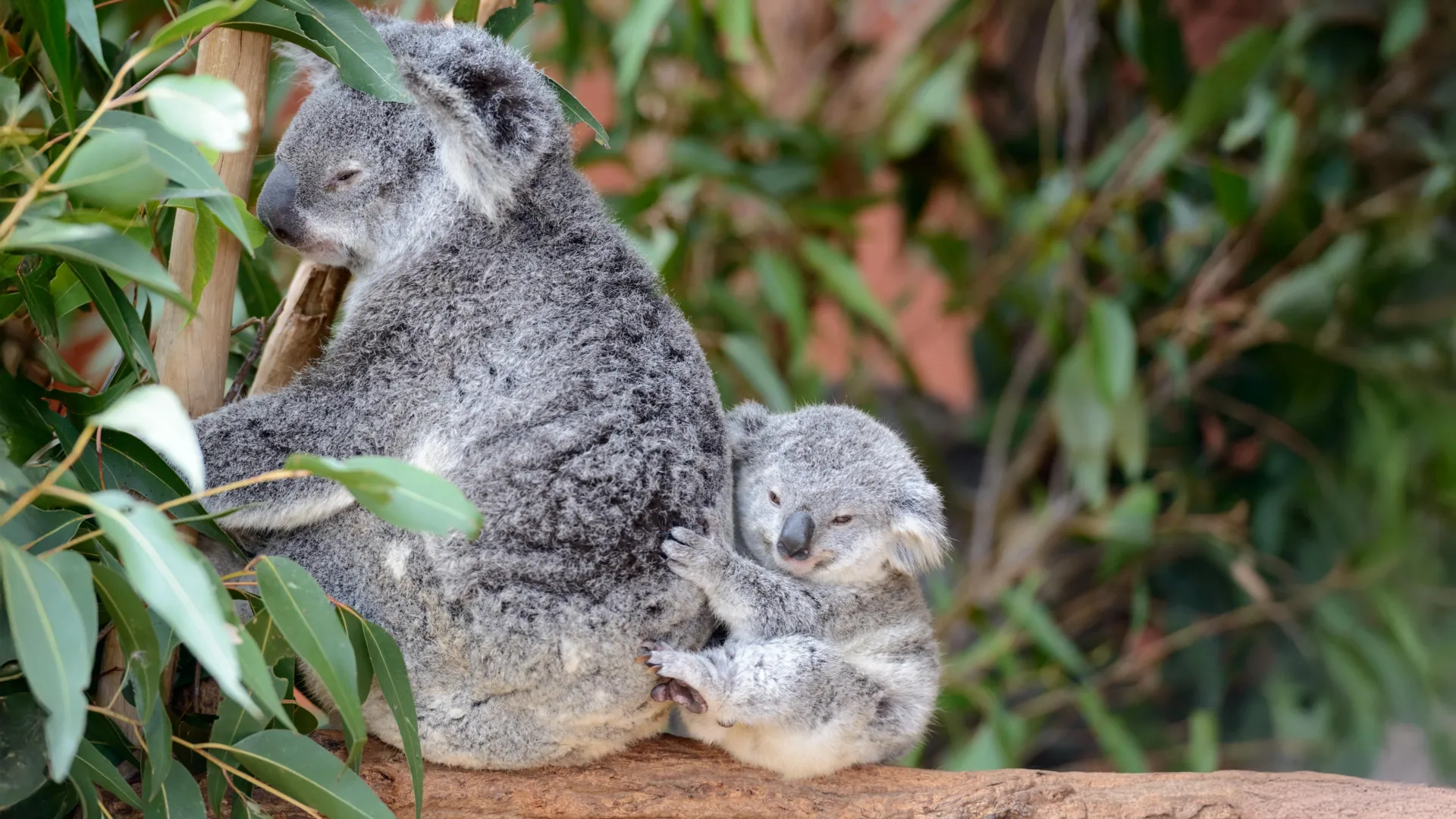
A groundbreaking genomic study of Australia’s iconic koala populations has unveiled a potentially crucial mechanism for wildlife conservation: rapid population growth may act as a powerful engine for restoring genetic variation previously decimated by severe declines. Researchers have discovered that swift population rebounds following dramatic historical slumps can significantly boost recombination, a fundamental biological process that shuffles DNA into novel combinations. This genetic intermingling, the study suggests, could be instrumental in helping bottlenecked populations, like those of the koala, to reacquire the genetic diversity vital for their long-term evolutionary resilience and adaptation to a changing world.
The Peril of Population Bottlenecks
The concept of a "population bottleneck" is central to understanding the koala’s genetic predicament and the study’s findings. A bottleneck occurs when a species faces a catastrophic reduction in its numbers, often due to habitat loss, disease outbreaks, or hunting. This dramatic thinning of the population has profound consequences for its genetic makeup. The limited pool of surviving individuals carries a reduced array of genes, leading to a significant loss of genetic diversity. Furthermore, in small, isolated populations, the probability of related individuals mating increases, exacerbating inbreeding.
The detrimental effects of reduced genetic diversity and increased inbreeding are well-documented in wildlife biology. They can manifest as lower fertility rates, diminished survival rates of offspring, and a weakened capacity to cope with environmental pressures such as emerging diseases or shifts in climate. This downward spiral, often termed an "extinction vortex," is a stark reminder of the delicate balance required for species survival. As a population shrinks and its genetic health deteriorates, the two factors mutually reinforce each other, pushing the species ever closer to the brink of extinction.
Historically, koala populations across Australia have been subjected to numerous such bottlenecks. In the early 20th century, widespread hunting for their fur led to an estimated population decline of over 80% in some regions. Subsequent outbreaks of disease, like chlamydia, and ongoing habitat fragmentation due to land clearing for agriculture and urban development have continued to exert pressure, creating isolated pockets of koalas vulnerable to genetic impoverishment.
Recombination: The Genetic Shuffler
Despite the dire implications of genetic bottlenecks, the study by Collin Ahrens and his colleagues offers a beacon of hope. Their research posits that genetic decline, while damaging, is not necessarily an irreversible fate. The key lies in the dynamic interplay between population size and genetic processes. When a population manages to expand rapidly after a period of severe decline, this demographic surge can, under certain conditions, facilitate the rebuilding of lost genetic diversity.
The theoretical underpinnings of this phenomenon suggest that larger populations provide a greater canvas for genetic processes to operate. With more individuals, there are exponentially more opportunities for the shuffling and recombination of existing genetic material. Moreover, a larger population can also increase the chances of new, beneficial mutations arising and persisting. Even if a recovery begins with a small founding group, continued and robust population growth can act as a powerful counteragent to the harmful effects of inbreeding. It allows for a greater chance of pairing unrelated individuals and diluting the impact of deleterious recessive genes that may have become common during the bottleneck. Essentially, rapid expansion can help to partially restore the genetic variation that was eroded during the period of scarcity.
This implies that a rapid demographic resurgence is not merely an indicator of a species’ recovery but can actively contribute to its long-term genetic health. It can serve as a vital buffer, mitigating the cumulative genetic damage that often follows severe population crashes and improving a species’ ability to adapt to future challenges.
The Koala as a Natural Laboratory
To rigorously test this hypothesis, Ahrens and his research team leveraged the extensive history of koala population fluctuations in Australia as a unique, natural experiment. The koala’s ecological story is one of dramatic boom and bust cycles, punctuated by periods of severe population decline that undeniably created profound genetic bottlenecks. Crucially, many of these populations have subsequently experienced significant periods of recovery and expansion. This historical trajectory provided the ideal backdrop for investigating the link between rapid growth and genetic restoration.
The study meticulously analyzed whole genome data from a substantial sample of 418 koalas. These individuals were drawn from 27 distinct populations spread across the vast geographical range of the koala in Australia, from Queensland to South Australia. This comprehensive sampling strategy was essential to capture the genetic diversity – or lack thereof – across different regions and to track the patterns of recovery.
The genomic analysis confirmed that, as anticipated, koalas as a species continue to exhibit relatively low overall genetic diversity when compared to populations that have not experienced such severe historical pressures. This is a direct legacy of the prolonged periods of bottlenecking. However, the findings also revealed encouraging signs of genetic recovery emerging within several of these populations. This was the critical piece of evidence suggesting that the recovery process is not simply a return to previous numbers but involves an active re-establishment of genetic health.
Recombination’s Role in Koala Genetic Rejuvenation
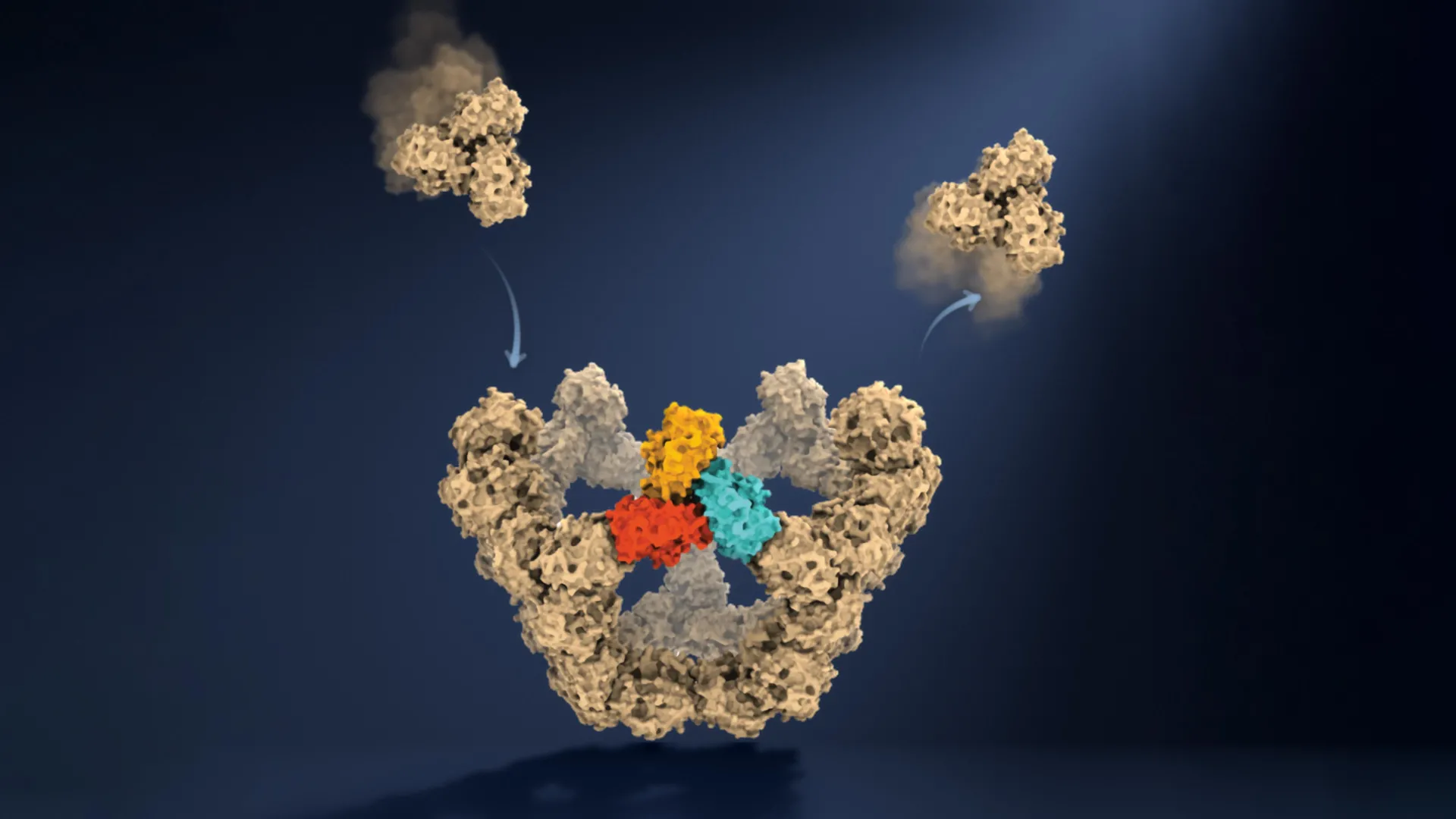
The study’s core finding is the proposed central role of recombination in this observed genetic recovery. Recombination, a process that occurs during sexual reproduction, involves the exchange of genetic material between homologous chromosomes. This shuffling of genes and alleles creates new combinations, effectively "rearranging" the existing genetic landscape. While recombination doesn’t create entirely new genetic information (that’s the domain of mutation), it can bring together beneficial alleles that were previously separated or break apart detrimental ones.
In the context of a recovering koala population, increased recombination rates, driven by a larger and more diverse mating pool, can lead to the emergence of novel genetic combinations. This process can help to restore functional diversity, meaning a broader range of genetic variants that can confer different traits or advantages. Even if the initial pool of genes was limited, recombination can generate new functional potential by mixing and matching these limited building blocks in different ways.
For instance, if a bottleneck resulted in a population having only one or two alleles for a particular immune gene, recombination can, over time, reintroduce combinations of these alleles that provide a more robust defense against diseases like chlamydia, which remains a significant threat to koala survival. Similarly, it could help in restoring variation in genes related to fertility or the ability to digest different types of eucalyptus leaves, a crucial factor in their survival given the varied nutritional content of different eucalyptus species.
The implications of this finding are profound. It suggests that the rapid numerical increase observed in certain koala populations is not just a superficial recovery but is actively facilitating a deeper, genetic rejuvenation. This is a critical insight for conservationists who have long grappled with the challenge of restoring genetic vitality to endangered species.
Broader Implications for Wildlife Conservation
The study’s findings extend far beyond the fate of the koala, offering vital insights that can inform broader wildlife conservation strategies globally. The principle that rapid population growth can actively restore genetic diversity has significant implications for how we approach species recovery programs.
1. Targeted Interventions: Understanding the role of recombination suggests that conservation efforts might benefit from strategies that actively promote gene flow and outbreeding within recovering populations. This could involve carefully managed translocations of individuals from genetically distinct populations to boost heterozygosity and increase the opportunities for recombination.
2. Population Viability Assessments: Current models for assessing the long-term viability of endangered species often focus on population size and habitat availability. This study underscores the importance of incorporating genetic factors more explicitly into these assessments, particularly the potential for genetic recovery through demographic expansion.
3. Habitat Restoration for Connectivity: The study implicitly highlights the importance of maintaining and restoring habitat connectivity. Isolated populations, even if they grow in number, may not benefit as much from recombination if mating opportunities are limited. Therefore, creating wildlife corridors and mitigating fragmentation becomes even more critical.
4. Long-Term Evolutionary Potential: The ultimate goal of conservation is not just to prevent extinction but to ensure that species have the capacity to adapt and thrive in the face of ongoing environmental change. By restoring genetic diversity, recombination contributes directly to this long-term evolutionary potential, providing the raw material for natural selection to act upon.
Expert Reactions and Future Directions
While the study’s lead author, Collin Ahrens, could not be reached for direct comment, the research team’s published findings have been met with considerable interest within the conservation biology community. Dr. Sarah Peterson, a conservation geneticist not involved in the study, commented, "This is a significant piece of work. For years, we’ve understood the damage caused by bottlenecks, but the idea that rapid growth can actively reverse some of that damage through increased recombination is incredibly exciting. It offers a more dynamic view of genetic recovery than we previously had."
The implications for policy are also being considered. Conservation agencies in Australia, which have been increasingly concerned about the genetic health of koala populations, may now look to prioritize regions with successful population recovery programs and explore methods to accelerate genetic restoration.
Future research will likely build upon these findings. Scientists may seek to quantify the precise rates of recombination in different koala populations and correlate them with observed levels of genetic diversity and population growth. Further studies could also investigate whether other species that have experienced severe bottlenecks exhibit similar patterns of genetic recovery driven by recombination. Understanding the specific genetic architecture of recombination in koalas and how it interacts with their unique biology and environment will also be crucial for refining conservation strategies.
A Glimmer of Hope for a Vulnerable Icon
The koala, a beloved symbol of Australia, has faced an uncertain future for decades. This new genomic study, however, offers a compelling scientific basis for optimism. It reveals that the resilience of a species is not solely determined by its numbers but also by the dynamic processes that shape its genetic fabric. The rapid growth of koala populations, far from being a simple numerical rebound, appears to be a powerful force actively rebuilding the genetic diversity that is so essential for their long-term survival and adaptation.
As Australia continues its efforts to protect its unique wildlife, this research provides a vital reminder that the intricate dance of genetics and population dynamics holds the key to ensuring that iconic species like the koala can continue to thrive for generations to come. The study’s message is clear: rapid recovery can indeed lead to genetic renewal, offering a crucial pathway towards a more secure future for vulnerable wildlife populations worldwide.