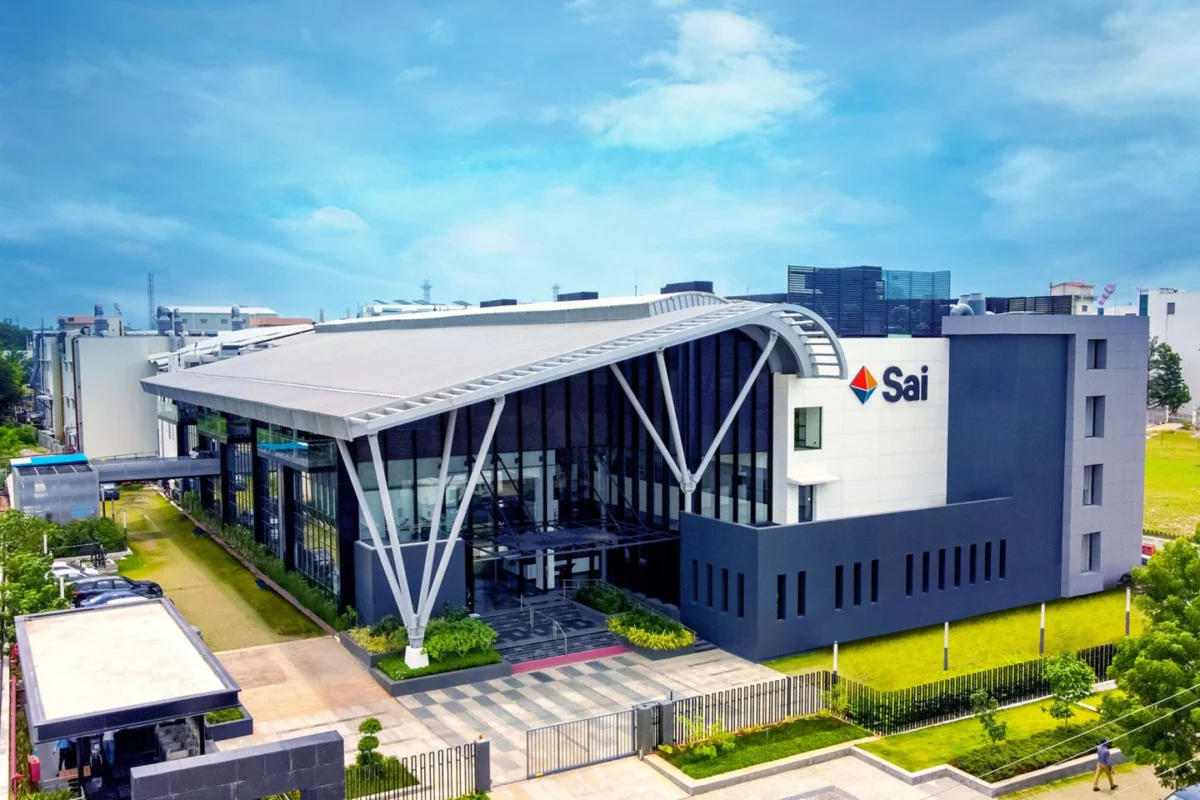
Hyderabad, India – Sai Life Sciences, a leading global Contract Research, Development, and Manufacturing Organization (CRDMO), has announced an ambitious plan to significantly expand its workforce, targeting the recruitment of over 700 scientific, technical, and management professionals during the fiscal year 2026-27 (FY27). This substantial hiring initiative comes in direct response to the accelerating global demand for integrated drug discovery, development, and manufacturing services, underscoring India’s growing strategic importance in the global pharmaceutical supply chain. The announcement signals a robust growth trajectory for Sai Life Sciences and reflects a broader industry trend of Indian CRDMOs solidifying their position as critical partners for innovator pharmaceutical and biotechnology companies worldwide.
A Strategic Expansion Across Critical Domains
The comprehensive recruitment drive by Sai Life Sciences is designed to bolster its capabilities across a wide spectrum of essential pharmaceutical development functions. The Hyderabad-based CRDMO specified that new positions would span critical scientific and technical disciplines, including medicinal chemistry, biology, Drug Metabolism and Pharmacokinetics (DMPK), process and analytical development, formulation development, and process engineering. Beyond core scientific roles, the company also seeks expertise in technology transfer, quality assurance, peptides, business development, program management, and manufacturing operations. This multidisciplinary approach highlights the company’s commitment to providing an integrated, end-to-end service offering, from early-stage discovery to commercial-scale manufacturing.
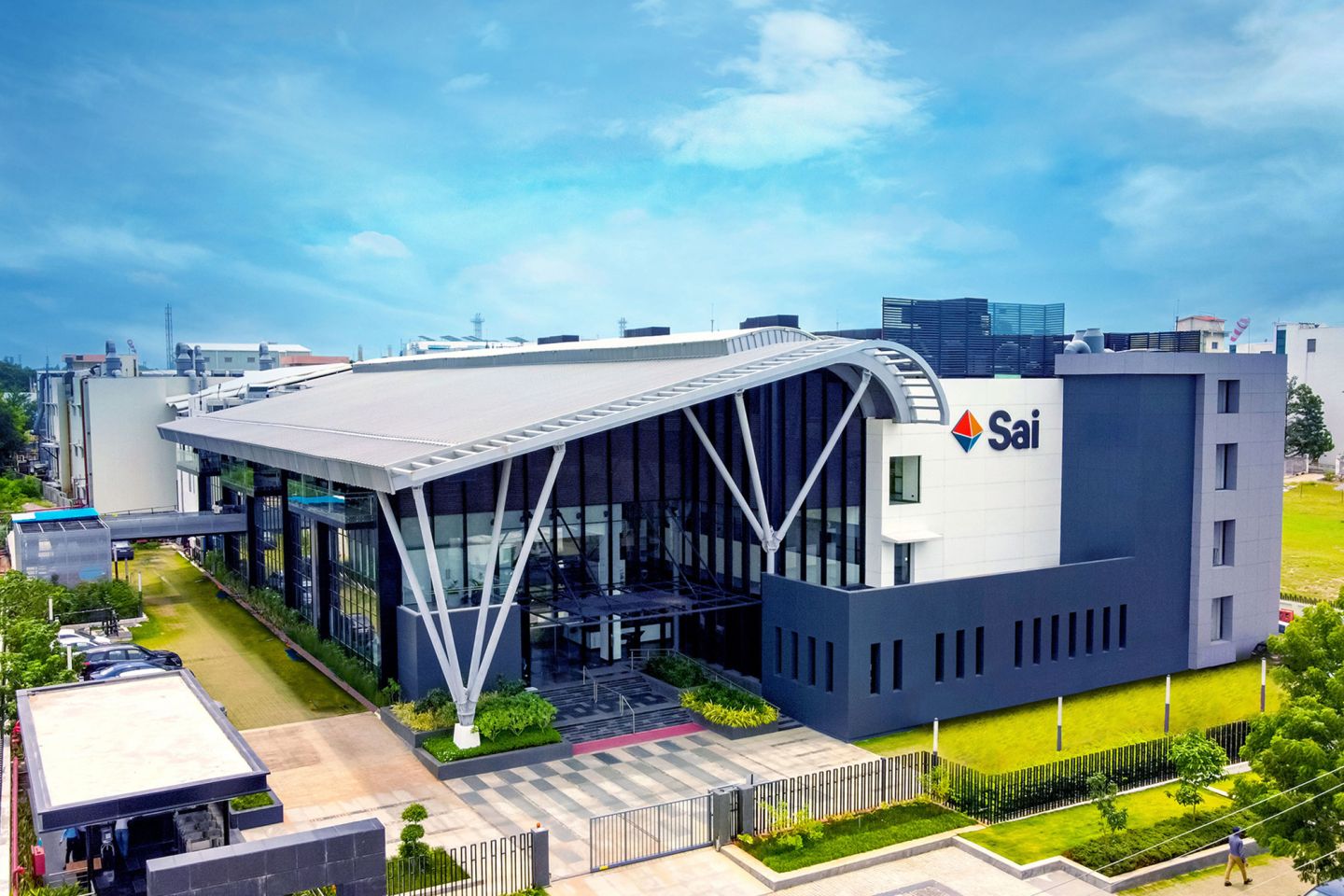
A significant majority of these new roles will be based at Sai Life Sciences’ largest integrated R&D campus in Hyderabad, a city that has emerged as a powerhouse for pharmaceutical and life sciences innovation in India. The company also maintains strategic operational sites in Manchester, UK, which focuses on process R&D, and Boston, USA, serving as a hub for early discovery and client engagement. This global footprint allows Sai Life Sciences to leverage diverse talent pools and maintain close proximity to key innovation ecosystems and client bases. The emphasis on Hyderabad reinforces its status as a pivotal center for the company’s integrated operations and a burgeoning global hub for contract research and manufacturing.
Attracting High-Caliber Talent for Complex Science
A cornerstone of this recruitment strategy is the focused effort to attract high-caliber scientists from leading academic institutions and industry players, both within India and internationally. This strategic emphasis on top-tier talent reflects a significant evolution in the CRDMO sector. As noted by company executives, the increasing complexity of drug discovery programs and the heightened scientific expectations from global innovator companies necessitate a workforce equipped with advanced skills, innovative thinking, and a deep understanding of cutting-edge methodologies.
The global pharmaceutical industry is witnessing a paradigm shift where outsourcing partners are no longer just providers of commoditized services but are integral collaborators in addressing some of the most challenging scientific problems. This requires CRDMOs like Sai Life Sciences to invest heavily in intellectual capital and foster an environment conducive to high-level scientific inquiry and problem-solving. By seeking out scientists capable of tackling intricate challenges in areas such as novel synthetic pathways, advanced analytical techniques, and complex biological systems, Sai Life Sciences aims to reinforce its reputation as a preferred partner for demanding R&D projects.
The Inflection Point for Indian CRDMOs: A Confluence of Factors
Krishna Kanumuri, CEO and Managing Director of Sai Life Sciences, articulated a compelling vision for the Indian CRDMO industry, stating, “We are at an inflection point for the Indian CRDMO industry.” This declaration encapsulates a confluence of powerful global and regional trends that are reshaping the pharmaceutical outsourcing landscape. Kanumuri specifically cited three primary drivers: global supply-chain rebalancing, the pressing need for resilient development and manufacturing partners, and the rising sophistication of outsourced science, all converging to India’s advantage.
The COVID-19 pandemic starkly exposed vulnerabilities in global supply chains, prompting a widespread strategic realignment among pharmaceutical companies to diversify their manufacturing and development footprints. This has led to a conscious effort to move away from over-reliance on single regions, with India emerging as a highly attractive alternative due due to its established pharmaceutical industry, cost-effectiveness, and growing scientific capabilities. The emphasis on "resilient development and manufacturing partners" speaks to the industry’s demand for partners who can reliably deliver, even amidst unforeseen global disruptions, offering stability and consistency in an increasingly volatile world.
Furthermore, the "rising sophistication of outsourced science" signifies a fundamental shift from traditional contract manufacturing towards complex, high-value R&D services. Indian CRDMOs are increasingly undertaking more scientifically challenging work, including early-stage drug discovery, complex chemistry, and advanced biologics development, which were historically kept in-house by pharmaceutical majors or outsourced primarily to Western partners. This evolution is driven by significant investments in state-of-the-art infrastructure, advanced technologies, and talent development within the Indian CRDMO sector.
Supporting the Next Generation of Drug Discovery and Manufacturing
The 700 new roles are strategically designed to support critical activities that are at the forefront of pharmaceutical innovation. These include complex small-molecule synthesis, which is vital for creating new chemical entities with therapeutic potential; high-throughput experimentation (HTE), enabling rapid screening and optimization of drug candidates; and data-enabled drug discovery, leveraging advanced analytics and artificial intelligence to accelerate identification and validation of targets and compounds. Additionally, the new hires will bolster capabilities in late-stage Chemistry, Manufacturing, and Controls (CMC) and commercial manufacturing scale-up, ensuring that promising drug candidates can be efficiently and reliably produced for clinical trials and market supply.
Sai Life Sciences currently employs a robust workforce of over 3,400 scientists and professionals. This upcoming expansion represents a significant approximately 20% increase in its human capital, underscoring the company’s aggressive growth strategy and its commitment to scaling its operational and scientific bandwidth. This growth is not merely about increasing headcount but about strategically enhancing the depth and breadth of expertise required to meet the evolving demands of global pharmaceutical clients.
The Broader Landscape: India’s Ascendancy in Global Pharma Outsourcing
Sai Life Sciences’ announcement is not an isolated event but rather fits into a broader, discernible pattern of Indian CRDMOs aggressively positioning themselves for a larger share of the global pharmaceutical outsourcing market. The global CRDMO market, valued at approximately $220-250 billion in 2023, is projected to grow at a Compound Annual Growth Rate (CAGR) of 8-10% over the next five to seven years, driven by increasing R&D spending, rising complexity of drug development, and the continued trend of pharmaceutical companies focusing on core competencies while outsourcing non-core activities. India, with its competitive advantages, is poised to capture a significant portion of this growth.
A 2025 report by the Boston Consulting Group (BCG) on the Indian CRDMO sector, referenced in industry discussions, pointed to global supply chain realignments and India’s burgeoning capability base as key drivers for this growth. The report likely highlighted India’s large pool of English-speaking scientific talent, cost efficiencies, established regulatory framework, and government initiatives promoting domestic manufacturing and research as critical factors attracting global investment.
Competitors within the Indian CRDMO space, such as Aragen Life Sciences and Syngene International, have also announced major capacity expansions, particularly in key hubs like Hyderabad and Bengaluru. For instance, Aragen has been consistently expanding its research and manufacturing footprint, signaling a collective industry push towards greater capacity and more sophisticated service offerings. This competitive yet collaborative environment is fostering a vibrant ecosystem that is increasingly capable of taking on more scientifically complex, later-stage work that was previously either handled in-house by innovator companies or entrusted to Western partners. This shift reflects a maturing industry in India that is moving up the value chain.
Recent Milestones and Strategic Trajectory
This significant hiring plan by Sai Life Sciences follows a pivotal moment in the company’s recent history: its public listing in December 2024. The company’s shares are now traded on India’s premier stock exchanges (BSE: 544306 | NSE: SAILIFE). A successful initial public offering (IPO) typically provides companies with substantial capital for expansion, investment in technology, and talent acquisition. For Sai Life Sciences, the public listing underscores its strong financial position, commitment to sustained growth, and confidence from the investor community in its long-term strategy.
The decision to embark on such a large-scale recruitment drive immediately post-listing clearly demonstrates the company’s intent to leverage its newfound capital and market visibility to aggressively scale its talent and capabilities. This proactive approach aims to ensure Sai Life Sciences is well-equipped to meet the projected demand for its services in FY27 and beyond, positioning it for continued leadership in the global CRDMO market. The IPO also enhances the company’s transparency and governance, which are crucial factors for attracting global clients and top-tier talent.
Implications for the Indian Economy and Global Pharmaceutical Innovation
The expansion by Sai Life Sciences carries significant implications, both for the Indian economy and the global pharmaceutical industry. Domestically, this recruitment drive will lead to substantial job creation, particularly for highly skilled scientific and technical professionals. This not only provides employment opportunities but also contributes to the development of a robust knowledge economy, fostering innovation and advanced skill sets within the country. It aligns perfectly with national initiatives like "Make in India" and "Skill India," promoting self-reliance and global competitiveness in critical sectors.
Globally, a stronger, more capable Indian CRDMO sector translates into faster, more efficient, and potentially more cost-effective drug discovery and development for innovator companies worldwide. By providing integrated services, Indian CRDMOs can streamline the drug development process, reduce time-to-market for new therapies, and ultimately contribute to addressing unmet medical needs globally. The increased capacity and scientific sophistication offered by companies like Sai Life Sciences will enable pharmaceutical companies to accelerate their pipelines and bring life-saving medications to patients more rapidly.
Challenges and Future Outlook
While the outlook is overwhelmingly positive, the rapid expansion also brings inherent challenges. Attracting and retaining top-tier scientific talent in a competitive market will require robust talent management strategies, including competitive compensation, professional development opportunities, and a stimulating work environment. Ensuring consistent quality and maintaining global regulatory compliance across an expanding operational footprint will also be paramount, particularly as the company takes on more complex late-stage and commercial manufacturing projects. Furthermore, continuous investment in cutting-edge technology and research infrastructure will be essential to sustain innovation and maintain a competitive edge.
Despite these challenges, the trajectory for Sai Life Sciences and the broader Indian CRDMO industry appears set for significant growth. With strategic investments in talent, technology, and infrastructure, coupled with favorable global market dynamics, India is firmly establishing itself as an indispensable partner in the global quest for new medicines, with companies like Sai Life Sciences leading the charge. This recruitment drive is not just about expanding a company; it is about reinforcing a nation’s position at the forefront of global pharmaceutical innovation.