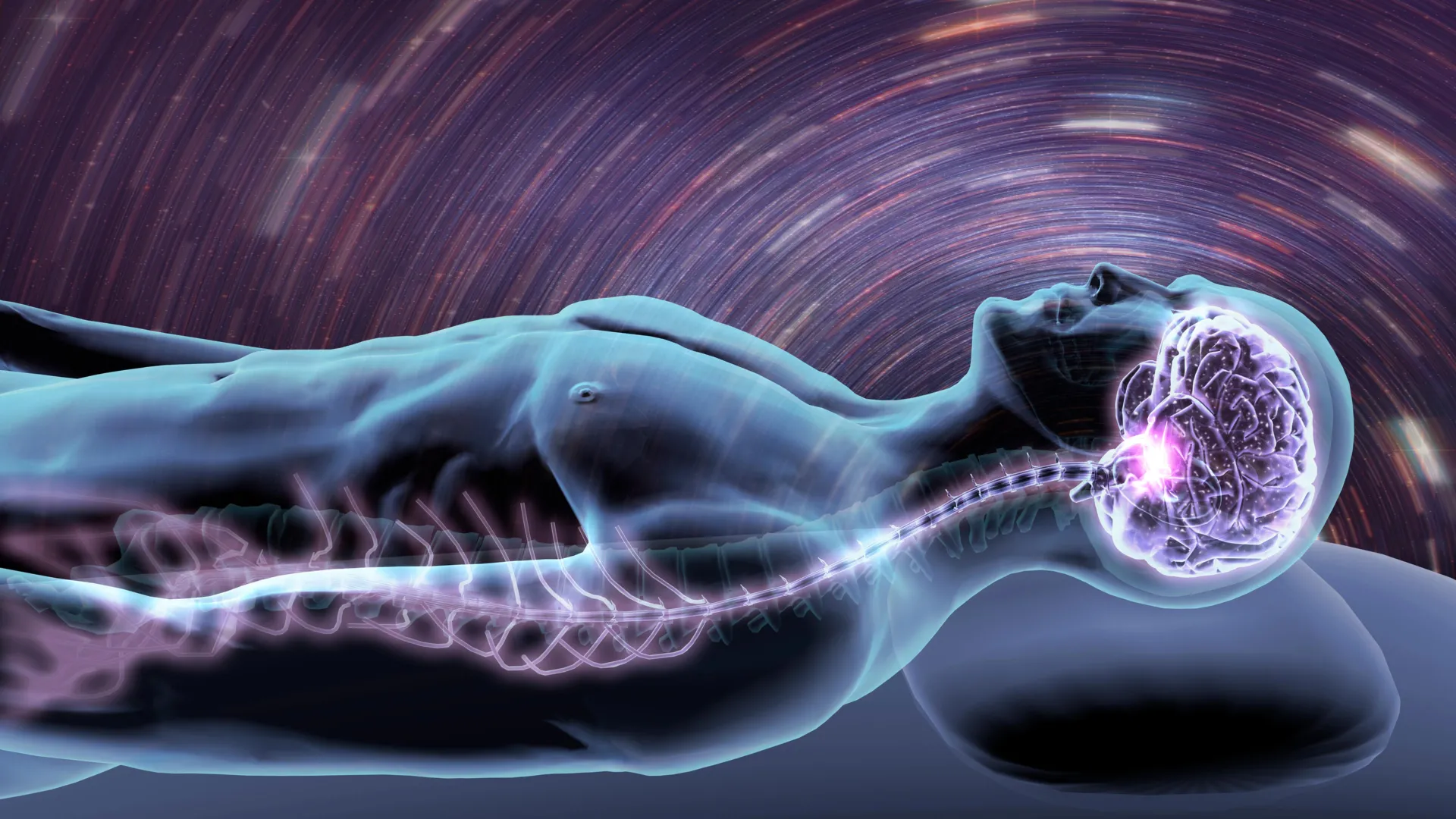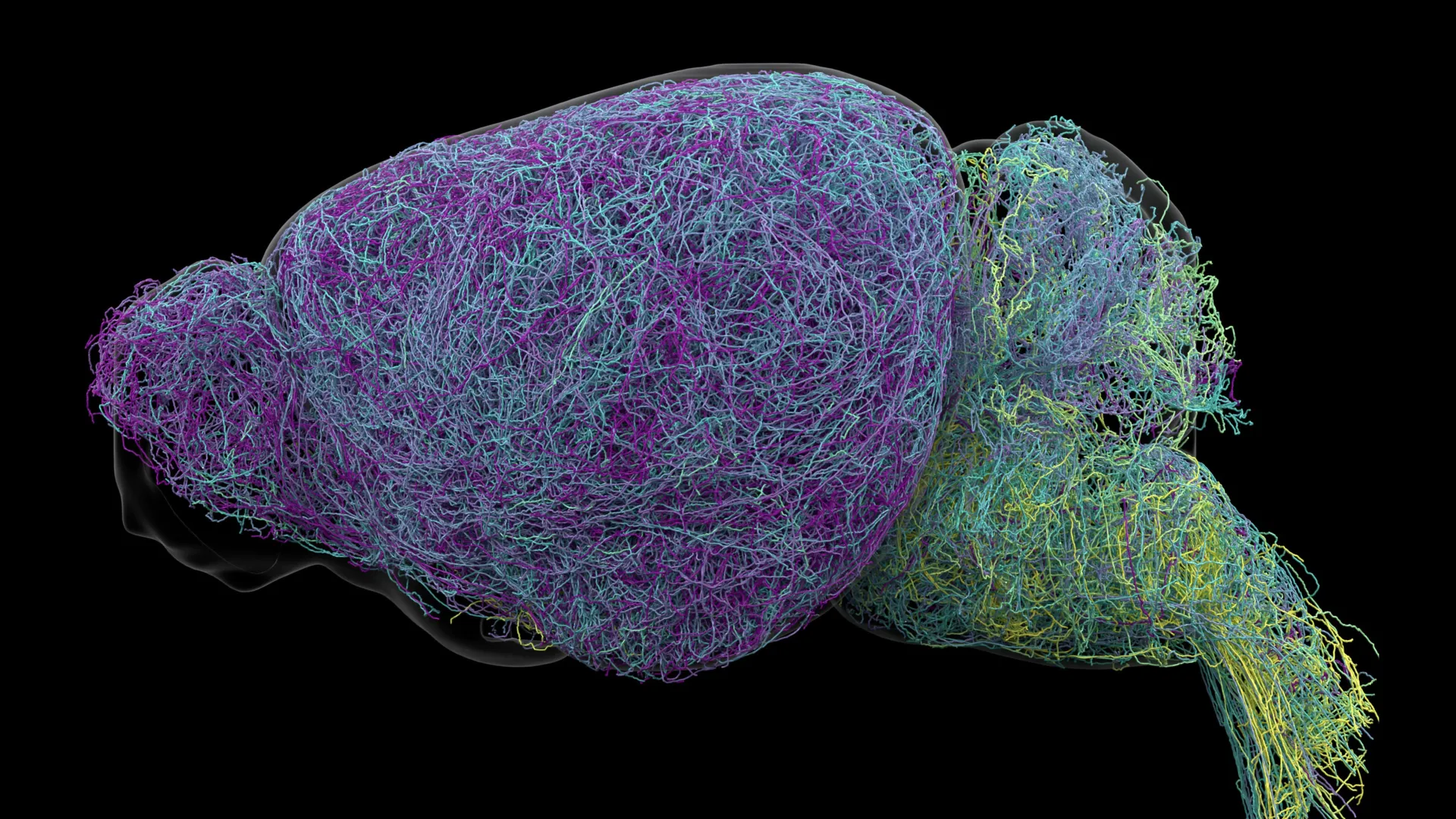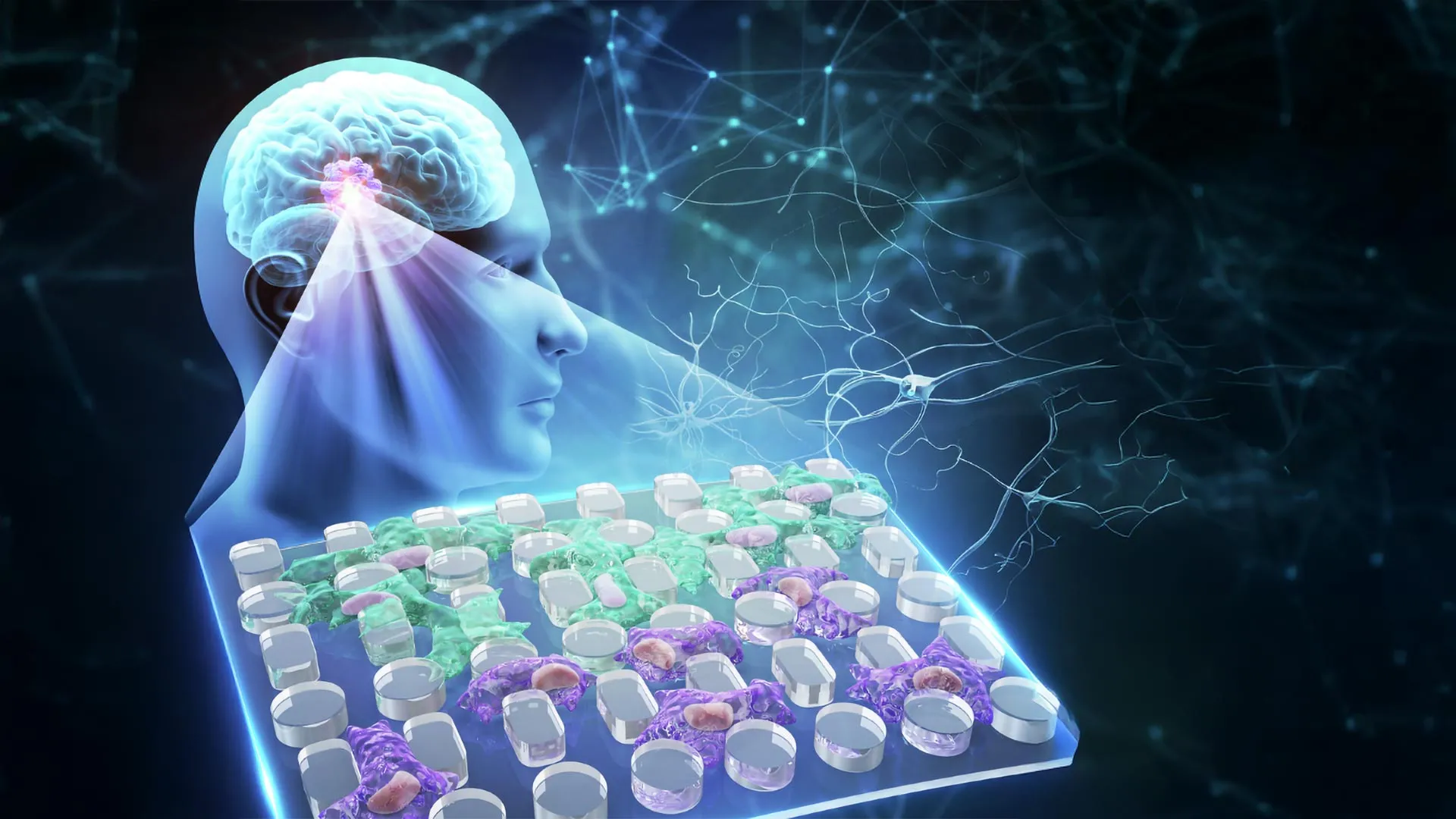
The human brain, an organ of immense complexity and metabolic activity, produces a significant amount of waste that must be efficiently cleared to maintain cognitive health and prevent the onset of neurodegenerative diseases. For decades, the exact mechanisms by which the brain performs this "cleanup" remained one of the most elusive mysteries in neuroscience. However, a groundbreaking study published in the journal iScience by researchers at the Medical University of South Carolina (MUSC) has provided the first direct evidence in humans of a previously unknown control point in the brain’s lymphatic system. By utilizing advanced real-time imaging technology originally developed for space exploration, the research team identified the middle meningeal artery (MMA) as a critical conduit for the drainage of cerebrospinal and interstitial fluids, marking a paradigm shift in our understanding of cerebral anatomy and waste management.
The Evolution of the Brain’s Drainage Model
The discovery of the brain’s lymphatic system is a relatively recent development in the long history of medical science. For over a century, the prevailing medical consensus was that the brain was "immune-privileged" and lacked a traditional lymphatic system. It was believed that the blood-brain barrier acted as an impenetrable wall, isolating the central nervous system from the body’s broader immune and waste-clearance networks. This view began to crumble in 2012 and 2015, when researchers identified the "glymphatic system"—a macroscopic waste clearance system that utilizes perivascular channels to eliminate soluble proteins and metabolites from the central nervous system.
Building upon these foundational discoveries, Onder Albayram, Ph.D., an associate professor in the Department of Pathology and Laboratory Medicine at MUSC, has spent the last several years mapping the intricate vessels within the meninges—the three layers of membranes that envelop the brain and spinal cord. While previous research had suggested the existence of these vessels, the MUSC study provides the most definitive evidence to date of how fluid actually moves through these structures in living humans. The identification of the MMA as a key regulatory point suggests that the brain’s waste clearance is far more integrated with the vascular system than previously hypothesized.
Advanced MRI Technology and the NASA Collaboration
The breakthrough was made possible through a strategic collaboration with NASA. Scientists at the space agency have a vested interest in fluid dynamics within the brain due to a phenomenon known as Spaceflight-Associated Neuro-ocular Syndrome (SANS). When astronauts spend extended periods in microgravity, the fluids in their bodies shift toward the head, causing changes in vision and brain structure. To study these effects, NASA developed ultra-sensitive, real-time MRI tools capable of tracking subtle fluid movements that traditional imaging techniques would overlook.
The MUSC team adapted these NASA-developed tools to monitor five healthy volunteers over a continuous six-hour period. Unlike standard MRIs, which provide static snapshots or low-resolution video of blood flow, this advanced technology allowed the researchers to observe the movement of cerebrospinal fluid (CSF) and interstitial fluid (ISF) with unprecedented precision. The focus of the observation was the middle meningeal artery, a major vessel located in the dura mater, the outermost layer of the meninges.
Unexpected Flow Dynamics: Distinguishing Blood from Lymph
One of the most striking findings of the study was the velocity and pattern of the fluid movement along the MMA. In a typical arterial system, blood moves rapidly and pulsates in synchronization with the heartbeat. However, the fluid observed by Albayram’s team behaved entirely differently. The movement was slow, steady, and lacked the dynamic pressure signatures of the circulatory system.
"We saw a flow pattern that didn’t behave like blood moving through an artery; it was slower, more like drainage, showing that this vessel is part of the brain’s cleanup system," Albayram explained. This slow-moving "drainage" profile is a hallmark of the lymphatic system, which relies on lower pressure and slower transit times to filter toxins and waste products before returning fluid to the bloodstream. By capturing this movement in real-time, the researchers confirmed that the MMA is not just an artery delivering blood, but also a structural scaffold for lymphatic channels that serve as the brain’s primary exit ramp for waste.
Supporting Biological Evidence: A Multi-Institutional Approach
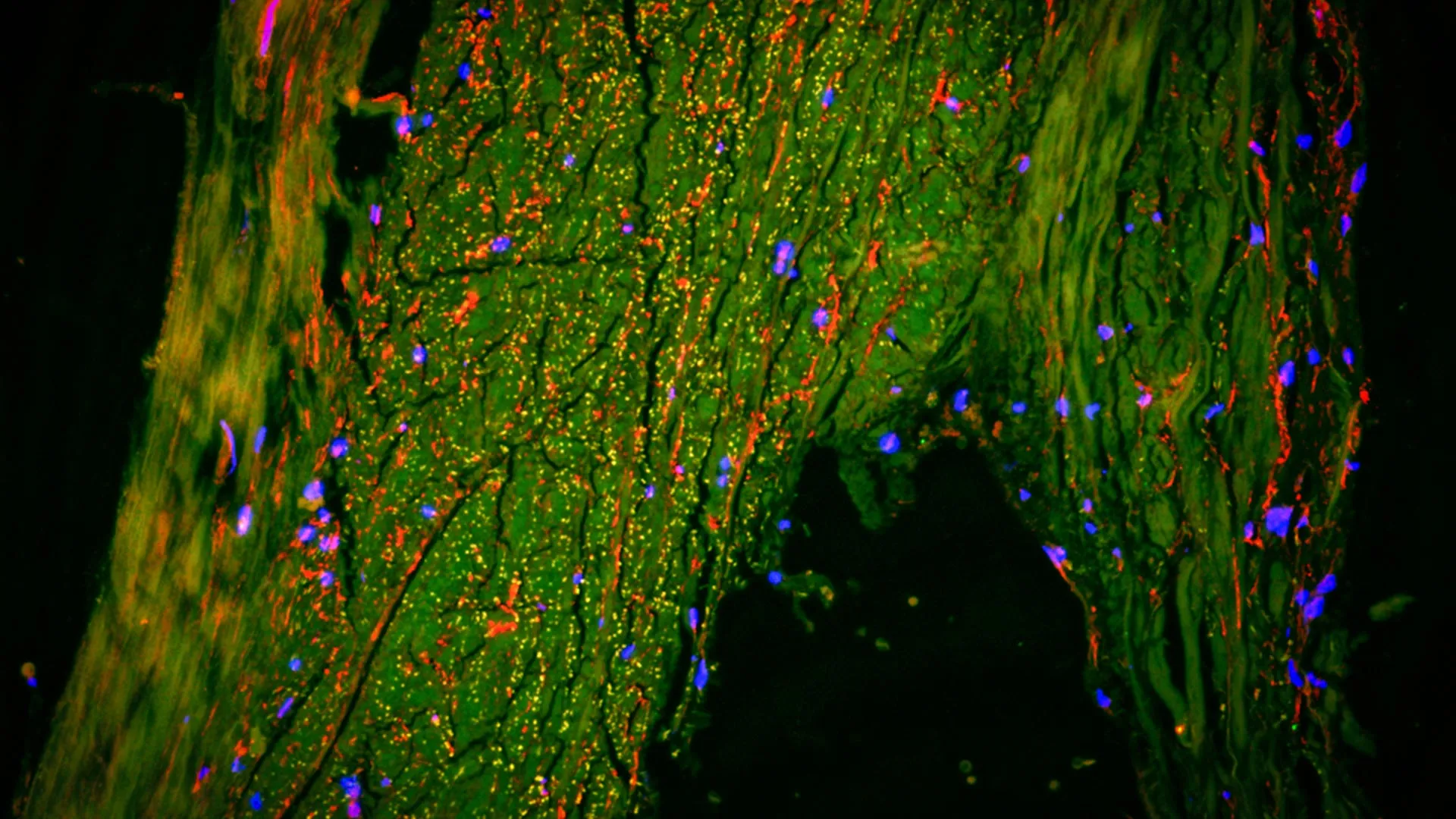
To ensure that the MRI observations were grounded in biological reality, the MUSC team collaborated with researchers at Cornell University to conduct ultra-high-resolution imaging of human brain tissue. This phase of the study utilized a sophisticated method known as multiplexed immunofluorescence, which allows scientists to visualize multiple different cell types and proteins within a single tissue sample simultaneously.
The analysis of the tissue surrounding the middle meningeal artery revealed the presence of specialized lymphatic endothelial cells, including markers such as LYVE1 and PROX1. These cells are the building blocks of lymphatic vessels throughout the rest of the human body but had not been definitively mapped in this specific region of the human cranium in such detail. The histological data perfectly complemented the MRI findings: the "slow-moving fluid" seen on the scans was indeed traveling through lymphatic structures physically embedded within the architecture of the MMA.
Chronology of Discovery: From Theory to Direct Observation
The timeline of this discovery reflects a decade of rapid acceleration in the field of neuro-lymphatics:
- 2012: Discovery of the glymphatic system in rodents, suggesting a waste-clearance pathway.
- 2015: Identification of lymphatic vessels in the dural sinuses of mice, challenging the "immune-privileged" status of the brain.
- 2021-2022: Albayram and colleagues publish research in Nature Communications providing initial visualizations of these vessels in humans using high-field MRI.
- 2024: The current iScience study utilizes real-time NASA technology to prove functional fluid movement and identifies the MMA as a primary control point.
This chronology demonstrates a shift from theoretical models to functional, real-time evidence, providing a clearer map for future clinical applications.
Implications for Neurodegenerative and Psychiatric Health
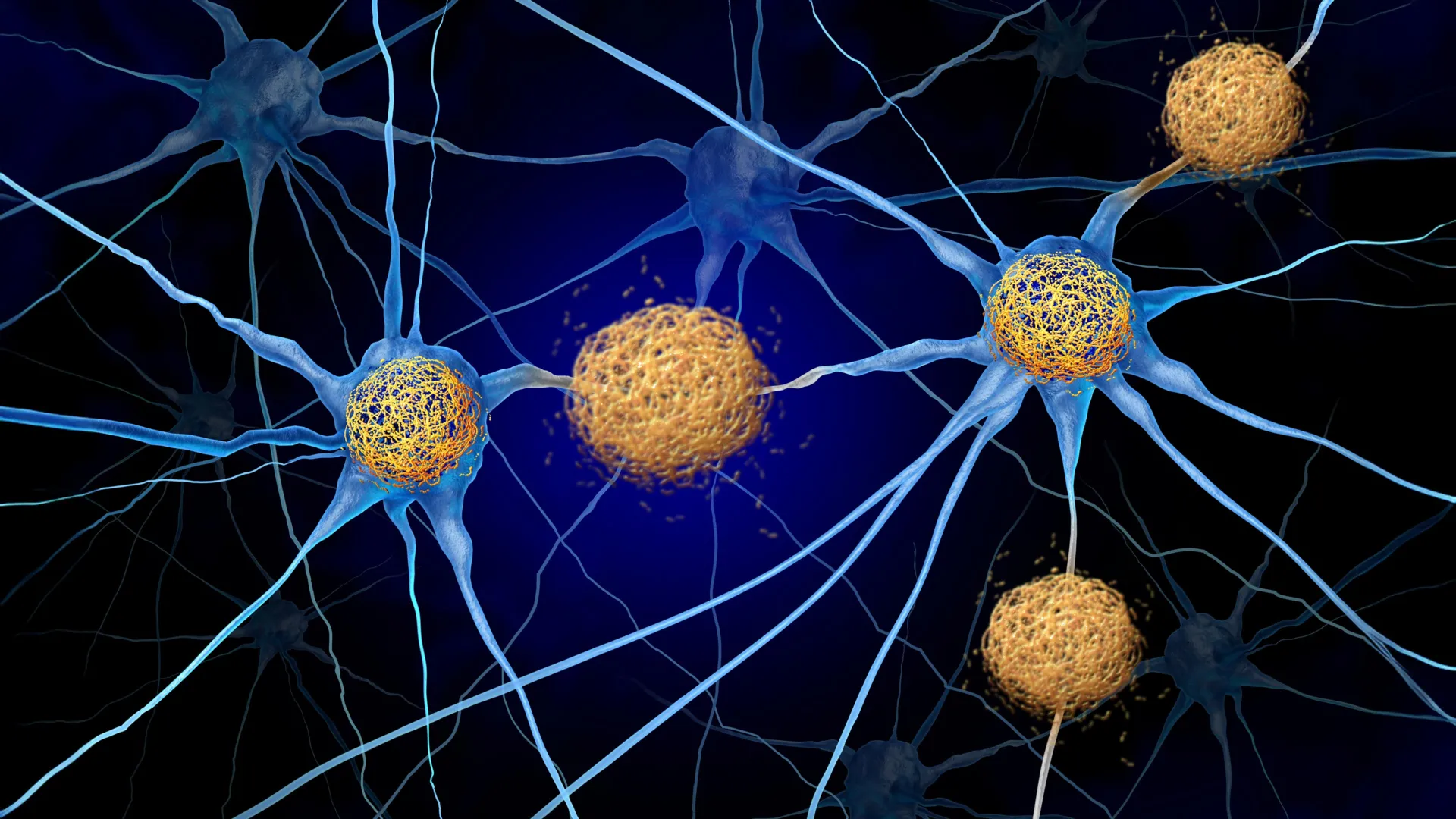
The identification of a specific "control point" for brain waste clearance has profound implications for a wide array of medical conditions. In a healthy brain, this drainage system efficiently removes metabolic byproducts like amyloid-beta and tau proteins. In diseases such as Alzheimer’s and other forms of dementia, these proteins accumulate and form toxic plaques and tangles, leading to neuronal death.
If the MMA acts as a bottleneck or a regulator for this drainage, any dysfunction in this vessel—whether due to aging, vascular disease, or injury—could lead to a "clogged" system. This buildup of waste triggers neuroinflammation, a key driver in the progression of cognitive decline.
Furthermore, the study suggests potential links to traumatic brain injury (TBI) and psychiatric disorders. When the brain sustains an impact, the sudden shift in fluid and the potential damage to the meningeal lymphatic vessels may impede the brain’s ability to clear the biochemical markers of trauma, leading to long-term complications. Similarly, chronic inflammation resulting from poor lymphatic drainage has been increasingly linked to treatment-resistant depression and anxiety disorders.
Expert Analysis: Establishing the ‘Normal’ Baseline
A critical aspect of the MUSC study is its focus on healthy individuals. In medical research, there is often a rush to study diseased states, but Albayram emphasizes that understanding the "normal" baseline is essential for any future breakthrough. By establishing how the lymphatic system functions in five healthy volunteers, the team has created a gold standard against which diseased brains can be measured.
"A major challenge in brain research is that we still don’t fully understand how a healthy brain functions and ages," said Albayram. "Once we understand what ‘normal’ looks like, we can recognize early signs of disease and design better treatments." This approach allows for the eventual development of diagnostic tools that could identify "sluggish" brain drainage years before the clinical symptoms of Alzheimer’s appear, potentially opening the door for preventive therapies.
Future Directions and Research Frontiers
Following the success of this study, Albayram and his team are already expanding their scope. The next phase of research involves applying these NASA-derived imaging techniques to patients already diagnosed with neurodegenerative conditions. By comparing the fluid dynamics of an Alzheimer’s patient with the healthy baseline established in this study, the team hopes to pinpoint exactly where the drainage system fails.
Additionally, the discovery opens up new avenues for drug delivery. One of the greatest hurdles in treating brain diseases is the blood-brain barrier, which prevents most medications from reaching their target. If the meningeal lymphatic system and the MMA can be utilized as a "back door," researchers might develop ways to deliver therapies directly into the brain’s waste-clearance channels, bypassing traditional barriers.
Conclusion: A New Map for the Human Brain
The MUSC study represents a significant milestone in human anatomy. By bridging the gap between high-tech aerospace imaging and molecular pathology, researchers have finally shed light on the brain’s "plumbing." The realization that the middle meningeal artery serves a dual role—both as a supplier of blood and a facilitator of waste removal—redefines our understanding of the brain’s relationship with the rest of the body. As this research progresses, it promises to transform the landscape of neurology, offering new hope for the millions of people affected by brain-related disorders and providing a clearer path toward maintaining cognitive health throughout the human lifespan.