Sai Life Sciences, a leading Contract Research, Development, and Manufacturing Organization (CRDMO) based in Hyderabad, India, has announced an ambitious plan to hire over 700 scientific, technical, and management professionals during the fiscal year 2026-2027 (FY27). This significant recruitment drive is a direct response to the escalating global demand for integrated drug discovery, development, and manufacturing services, further cementing India’s pivotal role in the global pharmaceutical value chain. The company, which currently employs more than 3,400 scientists and professionals, views this expansion as crucial for scaling its talent and capabilities to meet anticipated client needs and capitalize on a burgeoning market.
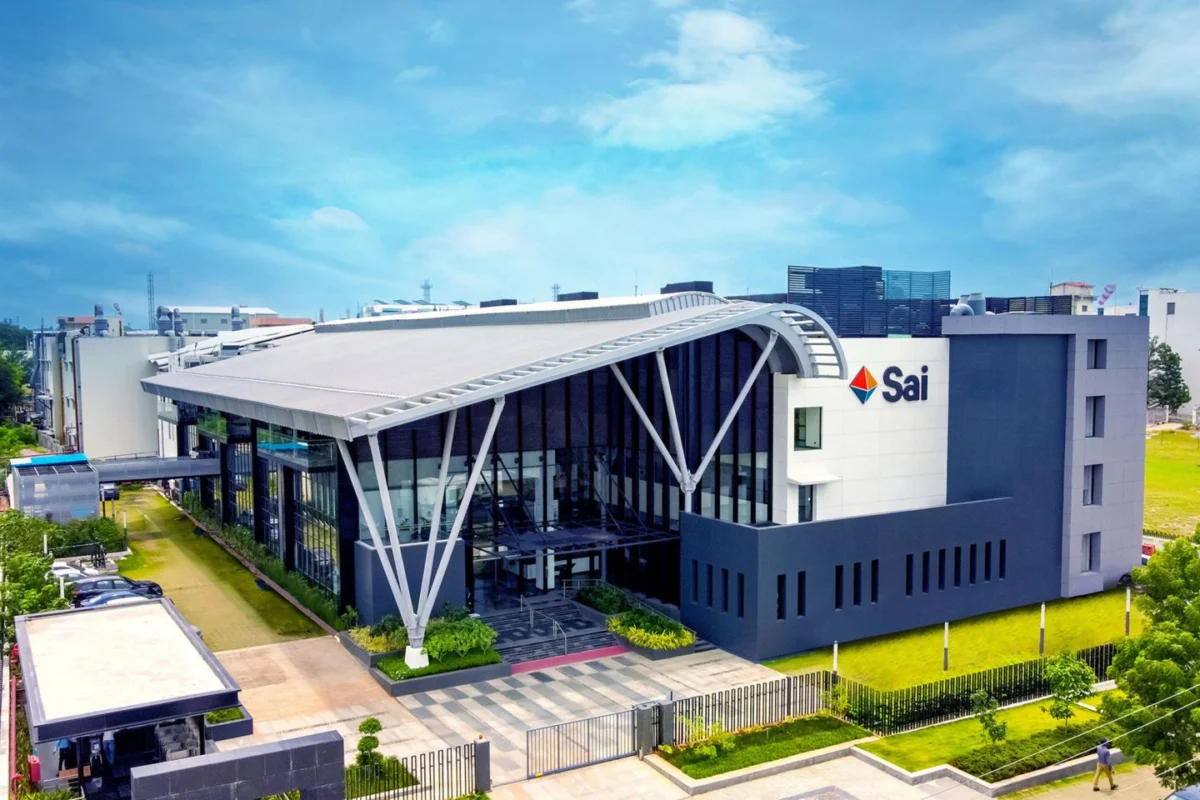
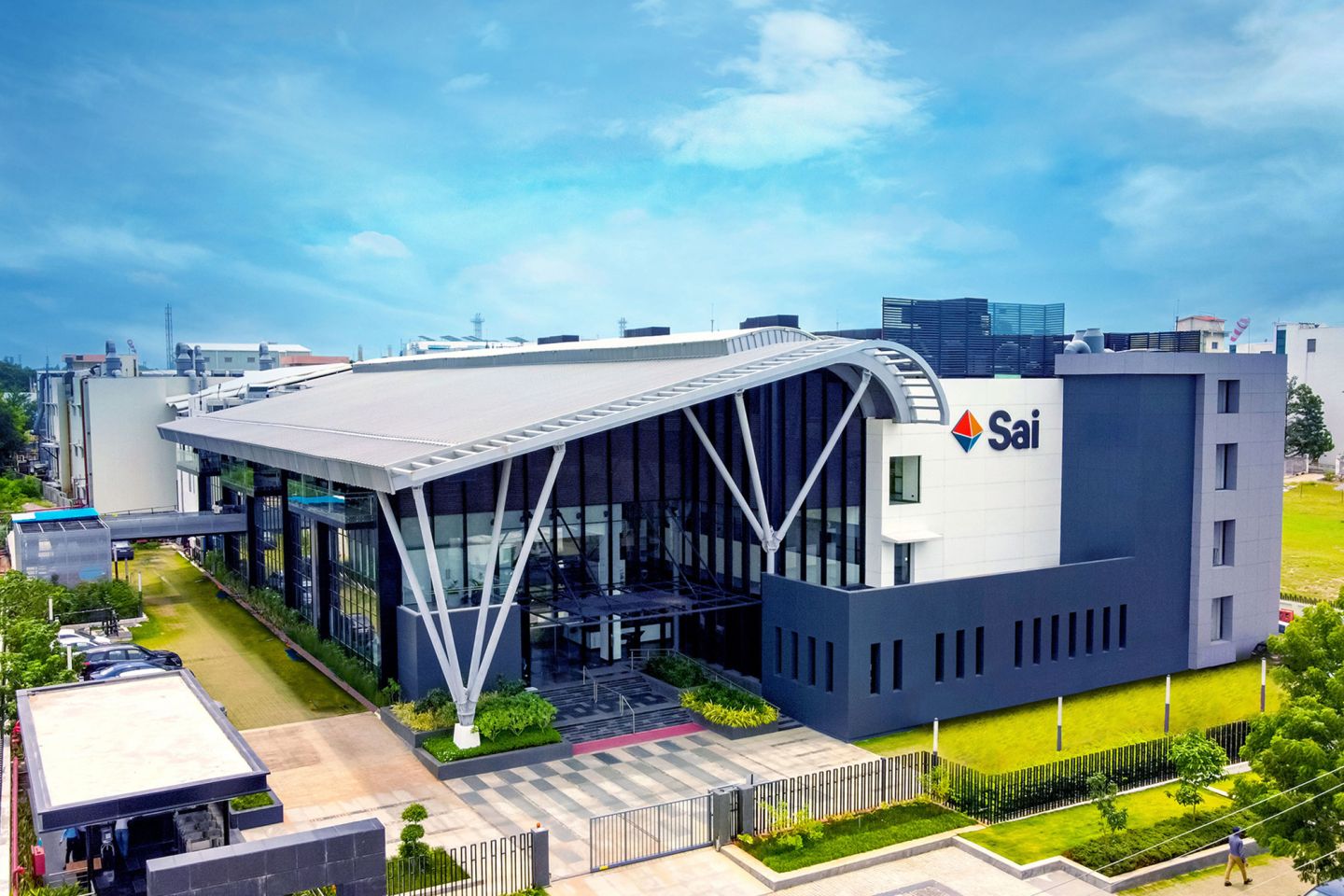
The planned recruitment will encompass a broad spectrum of specialized roles, reflecting the multidisciplinary nature of modern drug development. Positions will span critical areas such as medicinal chemistry, biology, DMPK (Drug Metabolism and Pharmacokinetics), process and analytical development, formulation development, process engineering, technology transfer, quality assurance and control, peptides research, business development, program management, and manufacturing operations. The majority of these new roles will be based at Sai Life Sciences’ largest integrated R&D campus in Hyderabad, a strategic hub for the company’s comprehensive operations. Additionally, the company maintains key operational sites in Manchester, UK, dedicated to process R&D, and Boston, USA, focusing on early discovery and client engagement, underscoring its global operational footprint.
Contextualizing the Demand: Global & Indian Market Dynamics
The announcement by Sai Life Sciences arrives at a period of profound transformation within the global pharmaceutical industry, particularly concerning outsourcing strategies. A CRDMO, unlike traditional Contract Research Organizations (CROs) or Contract Development and Manufacturing Organizations (CDMOs), offers an end-to-end suite of services, from initial drug discovery to clinical development and commercial manufacturing. This integrated model provides pharmaceutical and biotechnology companies with a streamlined, single-partner approach, reducing complexities, accelerating timelines, and often lowering costs.
The demand for CRDMO services is being propelled by several macro-level trends. Globally, pharmaceutical companies are increasingly looking to external partners to enhance efficiency, access specialized expertise, and manage capacity fluctuations. This outsourcing trend allows innovators to focus their internal resources on core competencies, while leveraging the specialized capabilities and infrastructure of partners like Sai Life Sciences. The global pharmaceutical R&D spending continues to rise, with significant portions allocated to external collaborations, highlighting the integral role of CRDMOs. Market research reports consistently project robust growth for the global CRDMO sector, with some estimates suggesting a compound annual growth rate (CAGR) exceeding 8-10% over the next five to seven years, driven by factors such as the increasing complexity of drug molecules, the rise of biologics and advanced therapies, and the need for faster drug development timelines.
Krishna Kanumuri, CEO and Managing Director of Sai Life Sciences, articulated this shift, stating, "We are at an inflection point for the Indian CRDMO industry. Global supply-chain rebalancing, the need for resilient development and manufacturing partners, and the rising sophistication of outsourced science are converging in India’s favour." This statement encapsulates several critical drivers. The COVID-19 pandemic exposed vulnerabilities in global supply chains, prompting pharmaceutical companies to diversify their manufacturing and research footprints beyond single geographical regions. This "supply chain rebalancing" often involves a "China Plus One" strategy, where companies seek to complement their existing operations in China with additional reliable partners in other regions, with India emerging as a prime candidate. Geopolitical considerations and the imperative for supply chain resilience are further accelerating this diversification.
India’s ascent as a preferred CRDMO hub is multifaceted. The nation boasts a vast and growing pool of highly skilled scientific and technical talent, bolstered by a robust education system that produces a large number of STEM graduates. The cost-effectiveness of operations in India, combined with its established reputation as the "pharmacy of the world" due to its robust generics and vaccine manufacturing capabilities, makes it an attractive destination for global pharmaceutical outsourcing. Furthermore, government initiatives like "Make in India" and various Production-Linked Incentive (PLI) schemes for the pharmaceutical sector provide a supportive policy environment, encouraging investment and growth in advanced manufacturing and R&D. A 2025 BCG report specifically highlighted global supply chain realignments and India’s rapidly expanding capability base as key drivers for the Indian CRDMO sector’s projected growth, anticipating a significant increase in its share of the global outsourcing market.
Sai Life Sciences’ Strategic Vision and Expansion
Sai Life Sciences’ integrated CRDMO model is a cornerstone of its strategic vision. By offering a seamless continuum of services from early discovery to commercial production, the company aims to provide clients with a streamlined and efficient pathway for their drug candidates. This integrated approach minimizes the friction typically associated with transitioning projects between multiple vendors, leading to faster progress and reduced risks.
The new roles are strategically designed to bolster the company’s capabilities across several high-growth and technologically advanced areas. A significant focus is on enhancing expertise in complex small-molecule synthesis, which is crucial for developing novel chemical entities that often form the backbone of innovative therapies. The emphasis on high-throughput experimentation signifies an investment in accelerated screening and optimization processes, leveraging automation and advanced analytics to expedite discovery phases.
Furthermore, Sai Life Sciences is prioritizing data-enabled drug discovery, reflecting the industry’s broader shift towards leveraging artificial intelligence (AI), machine learning (ML), and computational chemistry to enhance predictability, reduce experimental burden, and accelerate lead optimization. This involves sophisticated bioinformatics, cheminformatics, and predictive modeling capabilities to unearth promising drug candidates more efficiently. The recruitment also targets late-stage Chemistry, Manufacturing, and Controls (CMC) and commercial manufacturing scale-up, which are critical for translating successful clinical candidates into market-ready drugs. These areas demand deep expertise in process optimization, regulatory compliance, and large-scale production, ensuring that drugs can be manufactured consistently, cost-effectively, and in sufficient quantities to meet global demand.
The company’s operational sites play a strategic role in its global client engagement model. While Hyderabad serves as the primary R&D and manufacturing hub, the Manchester site provides a European footprint, particularly for process R&D, allowing closer collaboration with European clients and access to specialized talent. The Boston office, situated in a major biotech cluster, facilitates early discovery collaborations and client relationship management with US-based pharmaceutical and biotech firms, offering proximity to a significant segment of the global innovator community.
The Talent Imperative: Recruitment Focus and Skill Sets
A key aspect of Sai Life Sciences’ hiring push is the deliberate focus on attracting "high-caliber scientists from leading institutions in India and globally." This reflects the increasing complexity of drug development programs and the higher scientific expectations from global innovator companies. Modern drug discovery and development demand not just technical proficiency but also innovative thinking, problem-solving acumen, and the ability to navigate complex interdisciplinary challenges.
The diverse roles being recruited highlight the specialized expertise required across the drug lifecycle:
- Medicinal Chemistry: The bedrock of drug discovery, involving the design, synthesis, and optimization of novel chemical compounds with therapeutic potential.
- Biology: Critical for in vitro and in vivo testing, target validation, and understanding drug mechanisms of action.
- DMPK: Essential for evaluating how a drug is absorbed, distributed, metabolized, and excreted by the body, crucial for efficacy and safety.
- Process and Analytical Development: Focused on optimizing synthesis routes for scalability, developing robust analytical methods for quality control, and ensuring the purity and stability of drug substances.
- Formulation Development: Designing the optimal dosage form (e.g., tablets, capsules, injectables) to ensure stability, bioavailability, and patient compliance.
- Process Engineering: Optimizing manufacturing processes for efficiency, cost-effectiveness, and environmental sustainability.
- Technology Transfer: Facilitating the smooth and accurate transfer of processes and analytical methods from R&D to manufacturing scale, ensuring reproducibility and quality.
- Quality (QA/QC): Ensuring strict adherence to regulatory standards (e.g., cGMP) throughout the entire development and manufacturing process.
- Peptides: A growing area of therapeutic development, requiring specialized expertise in synthesis and characterization.
- Business Development & Program Management: Crucial for client acquisition, relationship management, and the efficient oversight of complex projects from initiation to completion.
- Manufacturing: Hands-on roles in the large-scale production of drug substances and products, ensuring operational excellence and compliance.
The emphasis on attracting top-tier talent from academic and research institutions underscores the competitive nature of the CRDMO sector. Sai Life Sciences will need to offer competitive compensation, a stimulating work environment, opportunities for professional growth, and access to cutting-edge technologies to attract and retain these highly sought-after professionals. This also implies significant internal investment in training and continuous skill development programs to ensure its workforce remains at the forefront of scientific innovation.
Broader Industry Implications and Outlook
Sai Life Sciences’ ambitious hiring plan is not an isolated event but rather indicative of a broader trend within the Indian CRDMO sector. Competitors, including major players like Aragen Life Sciences and Syngene International, have also announced significant capacity expansions and recruitment drives in Hyderabad and other key locations. This collective growth signifies a maturation of the Indian outsourcing industry, moving beyond its historical focus on generics and lower-complexity projects to embrace higher-value, scientifically intricate work previously handled primarily by Western partners or kept in-house by innovator companies.
This shift has profound implications for India’s economic landscape, contributing to job creation, fostering a knowledge-based economy, attracting foreign investment, and enhancing the nation’s reputation as a global hub for pharmaceutical innovation and manufacturing. The increasing sophistication of work undertaken by Indian CRDMOs demonstrates their growing capability to handle complex challenges in areas such as novel modalities, advanced intermediates, and specialized formulations.
The confidence reflected in Sai Life Sciences’ recruitment drive is further supported by its recent financial milestones. The company’s public listing in December 2024 (BSE: 544306 | NSE: SAILIFE) provided it with fresh capital, enabling strategic investments in infrastructure, technology, and human resources. This proactive approach to scaling talent and capabilities ahead of anticipated demand in FY27 is a clear indication of the company’s aggressive growth strategy and its commitment to solidifying its position as a preferred global CRDMO partner.
Challenges and Opportunities for India’s CRDMO Sector
While the outlook for the Indian CRDMO sector is overwhelmingly positive, several challenges must be navigated to sustain this growth trajectory. The intense competition for high-caliber talent, both domestically and internationally, poses a significant challenge. Companies must not only attract but also retain top scientific minds, which requires continuous investment in employee development, competitive remuneration, and a culture of innovation.
Furthermore, maintaining robust intellectual property (IP) protection remains paramount for global clients. Indian CRDMOs must continuously demonstrate unwavering commitment to IP security and confidentiality to build and maintain trust with innovator companies. Harmonization with stringent global regulatory standards (such as those from the FDA, EMA, and other international bodies) is also crucial to ensure that products developed and manufactured in India meet worldwide quality and safety benchmarks. Continued investment in state-of-the-art infrastructure, including advanced facilities, reliable logistics, and consistent power supply, will also be necessary to support the expanding operations.
Despite these challenges, the opportunities for India’s CRDMO sector are vast. The growth in biologics, cell and gene therapies, and other advanced therapeutic modalities presents new avenues for expansion. Leveraging digital transformation, including AI, big data analytics, and automation, can further enhance efficiency, accelerate discovery, and optimize manufacturing processes. The adoption of sustainable practices and green chemistry is also becoming increasingly important, offering a competitive edge in a world increasingly focused on environmental responsibility. Strategic partnerships with academic institutions, biotechnology startups, and global pharmaceutical giants will further fuel innovation and market penetration.
In conclusion, Sai Life Sciences’ plan to recruit over 700 professionals for FY27 is a powerful testament to the accelerating demand for integrated drug discovery, development, and manufacturing services. It underscores the company’s strategic positioning within a dynamic global pharmaceutical landscape and reflects the growing confidence in India’s capabilities as a world-class CRDMO hub. This significant investment in talent and expertise is poised to strengthen Sai Life Sciences’ competitive advantage, contribute substantially to India’s knowledge economy, and reinforce the nation’s indispensable role in bringing life-saving medicines to patients worldwide.