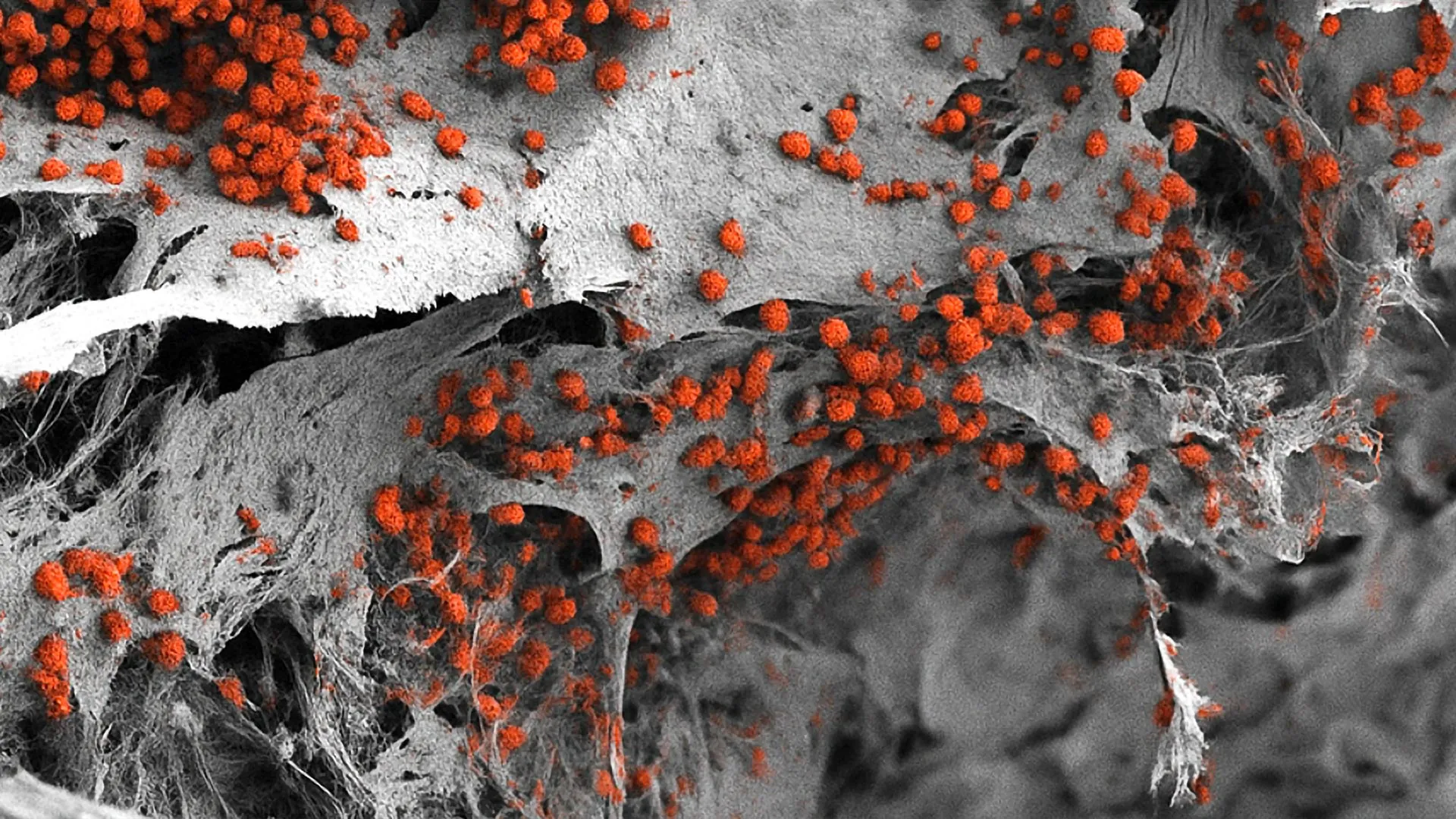
The landscape of hematological research and regenerative medicine has undergone a significant transformation following a major technological breakthrough by researchers at the Indiana University School of Medicine. By successfully adapting high-parameter multiplex imaging to the unique constraints of bone marrow, the research team has unlocked a new dimension of spatial biology that promises to accelerate the development of therapies for leukemia, autoimmune disorders, and musculoskeletal conditions. This advancement, detailed in a recent publication in the journal Leukemia, marks a transition from traditional, destructive analysis methods to a sophisticated, non-disruptive visualization of the bone marrow microenvironment in its native state.
The Challenge of the Bone Marrow Microenvironment
For decades, the bone marrow has remained one of the most challenging tissues in the human body to study with precision. Described by scientists as a "biological black box," the bone marrow is a complex, gelatinous tissue responsible for hematopoiesis—the continuous production of blood cells and immune components. However, its location, encased within the rigid, calcified structure of the skeleton, has historically hindered high-resolution imaging.
Traditional methods for studying bone marrow have largely relied on two primary techniques: flow cytometry and standard fluorescence microscopy. While effective for certain metrics, both methods carry inherent limitations that have slowed the progress of precision medicine. Flow cytometry, the industry standard for identifying cell populations, requires the bone marrow to be extracted and processed into a single-cell suspension. This process effectively "blends" the tissue, destroying the spatial relationships between cells. In the context of cancer research, knowing where a leukemic cell is located—and which neighboring cells are signaling to it—is often as important as knowing the cell exists at all.
Standard fluorescence imaging, while preserving some spatial context, is limited by the physics of light. Most conventional microscopes can only distinguish between three or four different cellular markers at a time before the color signals begin to overlap and blur. Given that the bone marrow contains dozens of distinct cell types, including hematopoietic stem cells, mesenchymal stem cells, various stages of maturing white and red blood cells, and a complex network of blood vessels and nerves, a four-color limit offers only a keyhole view of a vast and crowded room.
The Technological Leap: Phenocycler 2.0 and Multiplexing
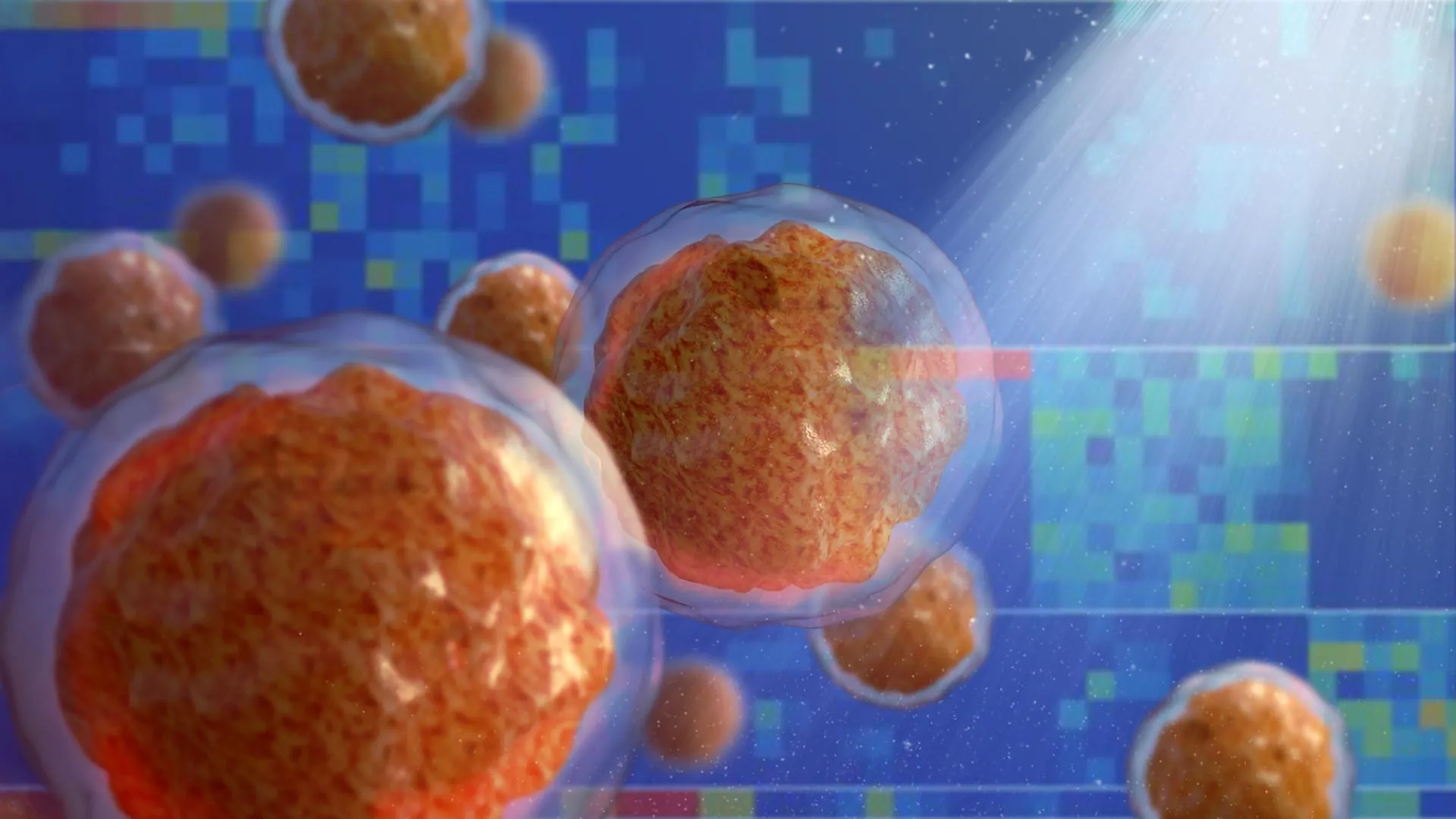
To overcome these barriers, the Indiana University team leveraged the Phenocycler 2.0 (formerly known as CODEX), a cutting-edge multiplex imaging platform. This technology utilizes a sophisticated system of DNA-barcoded antibodies to tag specific proteins within the tissue. Unlike traditional staining, which applies all colors at once, the Phenocycler system uses an iterative process of staining, imaging, and stripping. This allows researchers to visualize an unprecedented number of markers on a single tissue section without the signals interfering with one another.
The IU School of Medicine team is the first to successfully apply this high-parameter approach to mouse bone marrow. By optimizing the preparation process—a delicate balance of preserving the soft marrow while managing the surrounding hard bone—they were able to visualize 25 different cellular markers simultaneously in intact tissue.
"Bone marrow is difficult to study because it is gelatinous and encased in hard bone," explained Sonali Karnik, PhD, assistant research professor of orthopedic surgery at the IU School of Medicine and co-lead author of the study. "Since bone marrow plays an important role in blood and immune cell formation and houses valuable stem cells, our unique imaging approach offers a useful tool for a variety of research applications."
Chronology of Development and Experimental Milestones
The development of this methodology followed a rigorous timeline of technical refinement. The project was spearheaded by the IU Cooperative Center of Excellence in Hematology (IUCCEH), a hub for blood-related research funded by the National Institutes of Health (NIH).
- Phase I: Adaptation from Soft Tissue: The Phenocycler technology had previously seen success in mapping "soft" organs such as the spleen, kidneys, and lymph nodes. Beginning in 2022, the IU team began the process of adapting these protocols for the much denser and more fragile environment of the bone.
- Phase II: Protocol Optimization: A major hurdle involved the decalcification and fixation of the bone. If the bone was too hard, it could not be sectioned for imaging; if the decalcification was too aggressive, the delicate proteins (markers) within the marrow would be destroyed. The team spent months calibrating the chemical processing to ensure the tissue remained "intact" at a microscopic level.
- Phase III: Marker Panel Validation: The researchers curated a panel of 25 markers designed to identify the "niche"—the specific micro-neighborhoods where stem cells reside. This included markers for endothelial cells (blood vessels), osteoblasts (bone-building cells), and various lineages of immune cells.
- Phase IV: Data Integration: In late 2023, the team successfully integrated the high-resolution images with computational tools to map the spatial coordinates of every cell within the marrow. This led to the final findings published in Leukemia in 2024.
Supporting Data and Comparative Analysis
The data yielded by this new method provides a stark contrast to previous capabilities. In a standard flow cytometry experiment, a researcher might find that a mouse model of leukemia has a 20% increase in myeloid-derived suppressor cells. However, they would have no way of knowing if those cells are clustering near blood vessels or hiding in the "endosteal niche" near the bone surface.
With the new IU methodology, the 25-marker panel allows for:
- Spatial Mapping: Identification of the exact micron-level distance between a stem cell and its nearest regulatory cell.
- Neighborhood Analysis: The ability to see how the "neighborhood" of the bone marrow changes during the progression of disease. For example, in leukemia, the cancerous cells often "remodel" the marrow to make it more hospitable for themselves and more toxic for healthy cells.
- Cell-to-Cell Interaction: Detecting the presence of specific signaling proteins that indicate whether cells are communicating, which is vital for understanding how cancers evade the immune system.
By maintaining the tissue’s structural integrity, the IU researchers can now observe the "architecture of disease" in a way that was previously impossible.
Implications for Oncology and Leukemia Research
The most immediate application of this technology lies in the field of hemato-oncology. Leukemia, a cancer of the blood and bone marrow, is notoriously difficult to treat because even after successful chemotherapy, a small number of "leukemic stem cells" often survive by hiding in specialized protective pockets within the marrow.
"Because mouse models are widely used to study human diseases, this technique offers a promising new method for investigating a range of conditions like autoimmune diseases, leukemia and other disorders involving bone marrow," said Reuben Kapur, PhD, a co-senior author on the study and director of the IU School of Medicine’s Herman B Wells Center for Pediatric Research.
The ability to map these protective pockets—the "niche"—could lead to the development of "niche-disrupting" drugs. These therapies would not target the cancer cells directly but would instead strip away their hiding places, making them more vulnerable to standard treatments.
Broader Impact on Medical Science and Commercialization
Beyond cancer, the implications of this imaging technique extend to a variety of systemic health issues:
- Autoimmune Diseases: Understanding how the marrow produces autoreactive B and T cells could lead to better treatments for lupus and rheumatoid arthritis.
- Aging and Frailty: As humans age, bone marrow often turns to fat (adipose tissue), a process that weakens the immune system. This imaging can help scientists understand why this "fatty yellow marrow" transition occurs and how to reverse it.
- Musculoskeletal Disorders: By imaging the interface between the bone, muscle, and marrow, researchers can gain insights into fracture healing and osteoporosis.
Recognizing the significant commercial and clinical potential of this methodology, the IU Innovation and Commercialization Office has already filed a provisional patent. This move signals an intent to move the technology from a specialized research tool to a standardized platform that could be used by pharmaceutical companies to test the efficacy of new drugs in pre-clinical trials.
Future Directions: Expanding the Marker Panel
The current 25-marker panel is only the beginning. The Indiana University team is already working on expanding the capabilities of the system. Future iterations of the panel are expected to include markers for nerves, which play a surprising role in regulating blood cell release, as well as muscle fibers and more specific signaling molecules.
The ultimate goal is to reach a "100-marker" capability, which would provide a nearly exhaustive map of the bone marrow’s cellular and molecular landscape. This would allow for "whole-system" analysis, where researchers can observe the simultaneous reaction of the vascular, nervous, and immune systems to a single therapeutic intervention.
The study, which received critical funding from the National Institutes of Health, represents a collaborative effort involving a wide range of experts. In addition to Karnik and Kapur, the study authors include Connor Gulbronson, Paige C. Jordan, Rahul Kanumuri, Baskar Ramdas, Ramesh Kumar, Melissa L. Hartman, Izza Khurram, Drew M. Brown, Karen E. Pollok, Pratibha Singh, and Melissa A. Kacena.
As this technology matures, it is expected to become a cornerstone of hematological research, providing the clarity needed to turn complex biological data into life-saving clinical treatments. The ability to see the bone marrow in its full, undisturbed complexity ensures that the next generation of therapies will be built on a foundation of precise, spatial evidence.