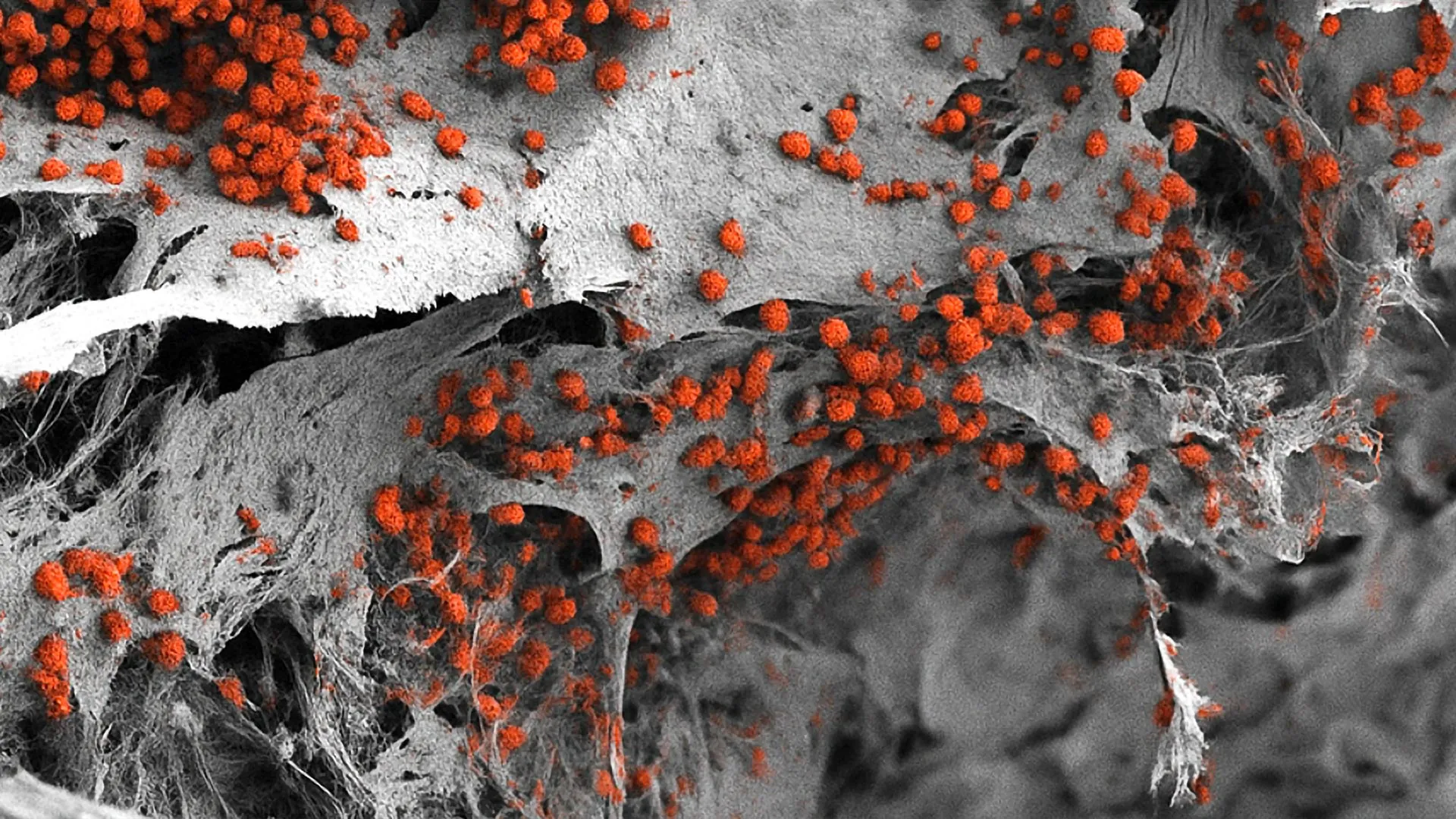
As the prevalence of glucagon-like peptide-1 (GLP-1) receptor agonists continues to reshape the landscape of metabolic health in the United States, a critical clinical challenge has emerged: the preservation of lean muscle mass. Recent data indicates that approximately one in eight adults in the U.S. has utilized or is currently using a GLP-1 medication, such as Ozempic, Wegovy, or Mounjaro. While these therapies are highly effective at reducing body weight and managing type 2 diabetes, clinical observations have revealed a significant side effect. Weight loss induced by these medications is not exclusive to adipose tissue; rather, patients often experience rapid and substantial muscle attrition, which can account for as much as 40% of their total weight loss.
To address this "muscle gap," researchers at the Salk Institute have identified a biological lynchpin that could revolutionize how clinicians manage weight loss and age-related muscle decline. In a study published in the Proceedings of the National Academy of Sciences (PNAS) on January 22, 2025, a team led by Professor Ronald Evans revealed that a protein known as BCL6 (B-cell lymphoma 6) is essential for maintaining healthy muscle mass and strength. The findings suggest that by modulating BCL6 levels, it may be possible to decouple fat loss from muscle loss, offering a potential therapeutic pathway for GLP-1 users, the elderly, and patients suffering from wasting diseases.
The Molecular Mechanism of Muscle Maintenance
Muscle is the most abundant tissue in the human body, serving not only as the engine for physical movement but also as a vital metabolic organ responsible for glucose disposal and thermogenesis. The maintenance of this tissue is a complex balancing act governed by hormonal signals and nutritional status. The Salk Institute’s research focused on the growth hormone (GH) and insulin-like growth factor 1 (IGF1) axis, the primary pathway through which the body signals muscle cells to grow and repair.
The biological process begins when the body enters a fasted state. As the stomach empties, it secretes the hormone ghrelin, which signals the brain to trigger hunger. In response, the brain releases growth hormone, which travels through the bloodstream to various tissues. Once it reaches muscle cells, growth hormone stimulates the production of IGF1. However, the transition from growth hormone arrival to IGF1 synthesis is not direct; it is moderated by a network of regulatory proteins.
One of these regulators is SOCS2 (Suppressor of Cytokine Signaling 2). In a healthy physiological state, SOCS2 acts as a biological "brake," preventing the overproduction of IGF1. If SOCS2 is absent, IGF1 production becomes unregulated, potentially leading to gigantism or abnormal tissue growth. Conversely, an excess of SOCS2 suppresses IGF1 to the point where muscle tissue begins to atrophy.
The Salk researchers discovered that BCL6 is the master regulator of this "brake." By scouring national databases of human tissue samples, the team noticed an unusually high concentration of BCL6 in muscle cells, suggesting it held a functional role beyond its well-known activities in the immune system. Their experiments revealed that BCL6 controls the expression of SOCS2. When BCL6 levels are high, SOCS2 is kept in check, allowing IGF1 to promote muscle maintenance. When BCL6 levels drop—as they do during periods of fasting or illness—SOCS2 increases, IGF1 production stalls, and muscle mass declines.
Experimental Evidence: Reversing Muscle Atrophy
To validate the role of BCL6, the Salk team conducted a series of experiments using murine models. They compared healthy mice with those engineered to lack functional BCL6 proteins in their muscle tissue. The results were stark: the mice lacking BCL6 exhibited a 40% reduction in total muscle mass compared to the control group. Furthermore, the remaining muscle tissue was structurally compromised and demonstrated significantly reduced functional strength.
The researchers then tested whether this process could be reversed. By artificially increasing the expression of BCL6 in the muscles of the deficient mice, they were able to restore muscle mass and strength to near-normal levels. This discovery provides a "proof of concept" for future pharmacological interventions.
"Muscle is critical to our health and quality of life," said Ronald Evans, professor and director of the Gene Expression Laboratory at Salk. "Our study reveals how our bodies coordinate the upkeep of all this muscle with our nutrition and energy levels. With this new insight, we can develop therapeutic interventions for patients losing muscle as a side effect of weight loss, age, or illness."
The GLP-1 Connection and the "Skinny-Fat" Risk
The timing of this discovery is particularly relevant given the global surge in GLP-1 usage. While medications like semaglutide (Wegovy) and tirzepatide (Zepbound) are hailed as breakthroughs for obesity, the quality of weight lost is a growing concern for endocrinologists. Rapid weight loss often triggers the body’s "starvation response," which can lower BCL6 levels and lead to the degradation of skeletal muscle.
This phenomenon, often referred to as "sarcopenic obesity" or becoming "skinny-fat," can have long-term health consequences. Muscle loss lowers the basal metabolic rate, making it easier for patients to regain fat once they stop medication. Moreover, reduced muscle strength increases the risk of falls and fractures, particularly in middle-aged and older adults who are already at risk for sarcopenia.
The Salk study suggests that a BCL6-boosting therapy could be administered alongside GLP-1 drugs to ensure that the weight lost comes predominantly from fat stores while preserving the structural integrity of the musculoskeletal system.
Broader Implications for Aging and Systemic Disease
The applications of BCL6 modulation extend far beyond the weight-loss market. Muscle wasting, or cachexia, is a devastating complication in several systemic conditions:
- Sarcopenia in the Elderly: As humans age, muscle mass naturally declines. This study’s finding that BCL6 expression has a circadian rhythm and fluctuates with nutrition suggests that age-related declines in BCL6 may be a driver of frailty in the elderly.
- Cancer Cachexia: Many cancer patients suffer from extreme weight loss and muscle wasting that cannot be reversed by nutrition alone. BCL6-targeted therapies could potentially block the signals that cause the body to consume its own muscle tissue during chronic illness.
- Sepsis and Intensive Care: Patients in intensive care units often experience rapid muscle breakdown due to systemic inflammation. Regulating the BCL6-SOCS2 pathway could provide a safeguard for these vulnerable populations.
Hunter Wang, a postdoctoral researcher in Evans’ lab and the study’s first author, emphasized the novelty of the findings. "We are excited to reveal BCL6’s important role in maintaining muscle mass," Wang stated. "These were very surprising and special findings that open the door for a lot of new discoveries and potential therapeutic innovations."
Chronology of the Research and Future Outlook
The Salk Institute’s investigation into BCL6 began with a comprehensive analysis of the GTEx (Genotype-Tissue Expression) database, which allowed the team to identify tissue-specific protein expressions. After identifying BCL6 as a candidate in muscle tissue, the laboratory spent several years mapping the precise biochemical pathway involving growth hormone and SOCS2.
The publication of these findings in January 2025 marks the beginning of a new phase of research. The team plans to investigate the long-term effects of intermittent fasting on BCL6 levels. Given that BCL6 fluctuates with the body’s internal clock (circadian rhythm), there is also interest in whether the timing of meals or medication could optimize muscle preservation.
While a BCL6-boosting injectable is not yet available for human use, the pharmaceutical industry is likely to take note. The "muscle-sparing" sector is becoming a multi-billion-dollar frontier in drug development. Companies are already exploring myostatin inhibitors and other pathways to protect muscle; BCL6 now offers a specific, upstream target that directly interacts with the body’s natural growth hormone cycle.
Conclusion: A New Paradigm for Metabolic Health
The Salk Institute’s discovery of the BCL6-SOCS2-IGF1 axis provides a molecular blueprint for understanding why we lose muscle and, more importantly, how we might stop it. As the medical community moves toward a more nuanced understanding of obesity—shifting the focus from the number on the scale to the composition of the body—proteins like BCL6 will play a central role in therapeutic strategies.
By ensuring that muscle maintenance is coordinated with weight loss, researchers hope to improve the quality of life for millions of patients. Whether it is a senior citizen looking to maintain independence or a patient using a GLP-1 to manage their weight, the ability to protect muscle mass is fundamental to long-term metabolic health and longevity. The Salk study serves as a critical step toward a future where weight loss is synonymous with health, rather than a trade-off with strength.