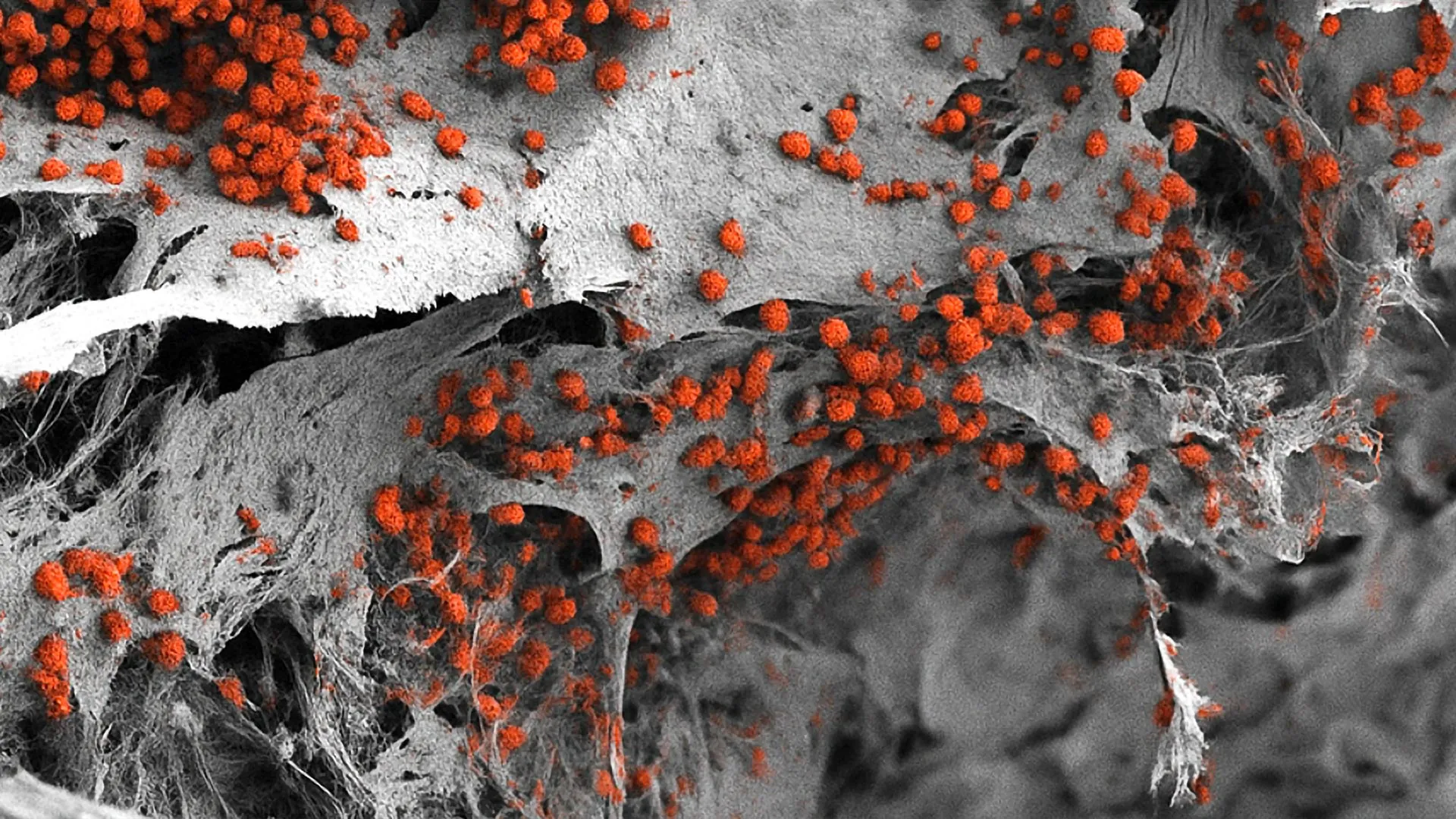
The intricate balance of the human skeletal system relies on a continuous cycle of renewal known as bone remodeling, a process that ensures structural integrity and metabolic health throughout a person’s life. In a landmark study published in the journal Nature Communications on January 2, 2025, a research team led by Professor Tomoki Nakashima at the Institute of Science Tokyo (Science Tokyo) identified a pivotal protein, family with sequence similarity 102 member A (Fam102a), which serves as a dual regulator for both bone-forming and bone-resorbing cells. This discovery represents a significant leap forward in osteology, as it pinpoints a common molecular bridge between two cellular processes that were previously understood through largely distinct pathways. By elucidating how Fam102a facilitates the nuclear trafficking of essential transcription factors, the research provides a new blueprint for developing targeted therapies to combat osteoporosis and other degenerative bone diseases.
The Biological Mechanics of Bone Homeostasis
To understand the magnitude of the Science Tokyo discovery, one must first consider the biological complexity of bone tissue. Far from being static structures, bones are dynamic, living tissues that undergo constant turnover. This process, termed bone remodeling, is governed by two primary cell types: osteoblasts and osteoclasts. Osteoblasts are responsible for the synthesis of new bone matrix, effectively building the skeleton’s density and strength. Conversely, osteoclasts are specialized cells that dissolve old or damaged bone tissue through a process called resorption.
In a healthy individual, the activities of these two cell types are perfectly synchronized. However, when this equilibrium is disrupted—either through excessive resorption by osteoclasts or insufficient formation by osteoblasts—the result is a net loss of bone mass. This imbalance is the hallmark of osteoporosis, a condition that renders bones porous, fragile, and highly susceptible to fractures. According to global health data, osteoporosis affects over 200 million people worldwide, contributing to nearly 9 million fractures annually. As global populations age, the prevalence of skeletal disorders is expected to rise, placing an unprecedented burden on healthcare systems and emphasizing the urgent need for innovative treatments that address the root causes of bone loss.
The Chronology of the Fam102a Discovery
The identification of Fam102a was the result of a systematic and multi-phased research initiative. Professor Nakashima and his colleagues began their investigation by addressing a fundamental gap in skeletal biology: while the specific signaling pathways for osteoclast and osteoblast differentiation had been mapped individually, the "master switches" that influence both lineages remained elusive.
The research timeline began with comprehensive gene expression profiling. The team analyzed cells derived from genetically modified mice, specifically looking for genes that showed significant activity changes when key bone-regulating transcription factors were absent. This initial screening identified the Fam102a gene as a central node in the regulatory network.
Following this identification, the researchers moved into the experimental validation phase. They utilized laboratory-grown cell cultures to observe the behavior of Fam102a in real-time. By artificially increasing and decreasing the levels of the protein, they confirmed that Fam102a presence was directly proportional to the successful differentiation of both osteoblasts and osteoclasts. The final phase of the discovery involved "knockout" mouse models—animals genetically engineered to lack the Fam102a gene. These mice exhibited a phenotype remarkably similar to human osteoporosis, characterized by significantly reduced bone volume and a weakened skeletal architecture, providing definitive proof of the protein’s essential role in vivo.
Molecular Insights: Nuclear Trafficking and the Kpna2 Interaction
The most technically profound aspect of the study lies in the discovery of how Fam102a operates at a molecular level. The research team found that Fam102a does not work in isolation but acts as a facilitator for nuclear trafficking—the transport of proteins into the cell nucleus where they can influence gene expression.
A critical discovery involved the interaction between Fam102a and karyopherin subunit alpha 2 (Kpna2). Kpna2 is a member of the importin family, a group of proteins that act as "shuttles," moving cargo across the nuclear envelope. The study revealed that Fam102a binds to Kpna2 to regulate the activity of runt-related transcription factor 2 (Runx2), which is often cited as the "master regulator" of osteoblast differentiation.
Without sufficient Fam102a, the transport of Runx2 into the nucleus is impaired. This leads to a cascading failure in the expression of Osterix, another vital protein required for the maturation of bone-forming cells. Furthermore, the team identified the Fam102a-Rbpjl axis. Recombination signal binding protein for immunoglobulin κ J region-like (Rbpjl) was found to be the most significantly downregulated factor in cells lacking Fam102a. This suggests that Fam102a maintains a complex signaling hierarchy that ensures the genetic "instructions" for bone building are delivered and executed correctly within the cell’s command center.
Supporting Data and Quantitative Findings
The data published in Nature Communications highlights the stark differences between normal physiological conditions and those where Fam102a is deficient. In the knockout mouse models, micro-computed tomography (micro-CT) scans revealed a drastic reduction in trabecular bone—the spongy, internal part of the bone that provides structural support.
Key metrics from the study included:
- Bone Volume Fraction (BV/TV): Mice lacking Fam102a showed a nearly 40% reduction in bone volume compared to the wild-type control group.
- Osteoblast Markers: The expression of alkaline phosphatase (ALP) and Osteocalcin, markers of active bone formation, were significantly diminished in Fam102a-deficient environments.
- Osteoclast Activity: While osteoclast differentiation was also impaired, the overall lack of coordination between the two cell types resulted in a failure to maintain skeletal density, proving that Fam102a is necessary for the functional "coupling" of bone remodeling.
These quantitative findings underscore the potential of Fam102a as a therapeutic target. If a pharmacological agent could mimic or enhance the function of Fam102a, it might be possible to simultaneously stimulate bone formation and stabilize the remodeling cycle in patients suffering from bone-wasting diseases.
Expert Reactions and the Evolving Therapeutic Landscape
While the research is currently in the pre-clinical stage, the scientific community has reacted with optimism. Experts in regenerative medicine note that most current osteoporosis treatments, such as bisphosphonates, primarily work by inhibiting osteoclasts to prevent further bone loss. However, these "anti-resorptive" drugs do not necessarily help build new bone. Anabolic therapies that stimulate osteoblasts exist, but they are often expensive and limited in their application.
"The discovery of a single factor that governs both sides of the remodeling equation is rare and highly valuable," says Dr. Hiroshi Yamamoto, a specialist in molecular biology (not directly involved in the study). "By targeting the Fam102a pathway, we might eventually develop ‘smart’ therapies that restore the natural rhythm of the bone rather than just blocking one part of the process."
Professor Nakashima, reflecting on the implications of his team’s work, emphasized the broader impact on medical science. "Our study sheds light on the critical molecular interactions involved in the bone remodeling process," he stated. "This understanding is not just academic; it is the foundation upon which the next generation of innovative osteoporosis therapies will be built."
Broader Implications and Future Research Directions
The implications of the Fam102a discovery extend beyond osteoporosis. The mechanisms of nuclear trafficking and protein localization identified in this study could have relevance for other conditions involving tissue regeneration and cellular differentiation. For instance, understanding how Fam102a and Kpna2 interact could provide insights into how other tissues, such as cartilage or muscle, repair themselves following injury.
Furthermore, the identification of the Fam102a-Rbpjl axis opens new doors for genomic medicine. As researchers continue to map the "interactome" of bone cells, they may find other secondary proteins that can be modulated to treat rare genetic bone disorders that currently have no known cure.
The next steps for the Science Tokyo team involve screening for chemical compounds that can stabilize or activate Fam102a. This transition from basic genetic research to drug discovery is a long and rigorous process, typically involving years of laboratory testing followed by clinical trials. However, with the fundamental mechanism now clearly defined, the path toward a new class of skeletal medications is more visible than ever before.
Conclusion: A New Era for Skeletal Health
The discovery of Fam102a marks a turning point in our understanding of the human skeleton. By moving beyond the view of osteoblasts and osteoclasts as independent actors and identifying the common regulatory proteins that bind them, the research at the Institute of Science Tokyo has provided a more holistic view of bone biology.
As the global medical community continues to seek solutions for the growing epidemic of bone fractures and skeletal frailty, the "nuclear trafficking" mechanism of Fam102a stands out as a promising frontier. Through continued investment in molecular research and the translation of these findings into clinical practice, the vision of a future where osteoporosis is a manageable or even preventable condition moves one step closer to reality. The structural integrity of the human frame, once thought to be a simple matter of calcium and mineral deposits, is now understood to be a sophisticated dance of genetic signaling—a dance in which Fam102a has taken center stage.