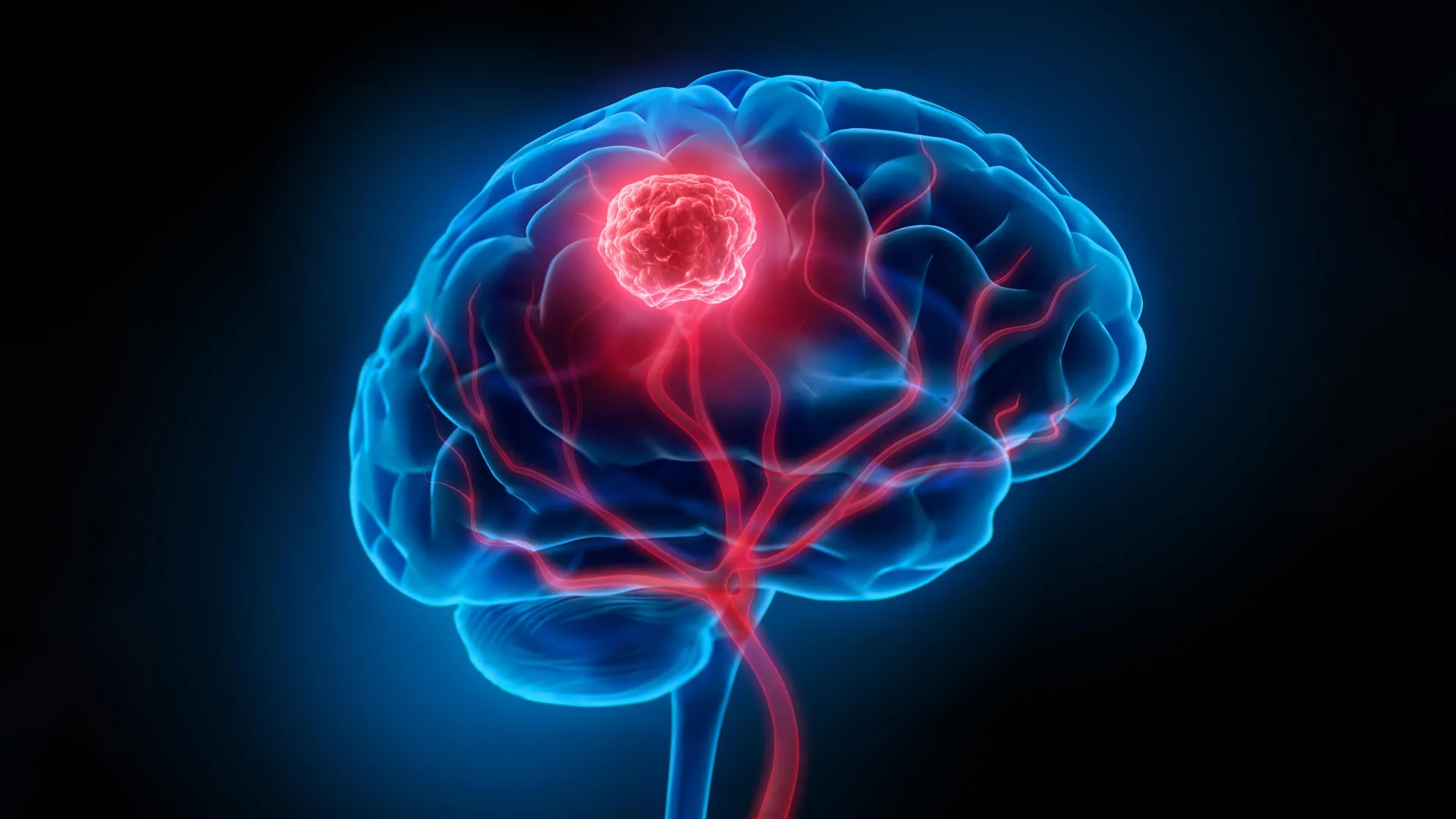
In a landmark study that could redefine the treatment landscape for terminal brain cancer, a collaborative team of Canadian scientists has uncovered a critical mechanism that drives the progression of glioblastoma. The research, spearheaded by experts at McMaster University and The Hospital for Sick Children (SickKids), identifies a specific communication pathway between healthy brain cells and cancerous ones, while simultaneously pointing to an existing HIV medication as a potential therapeutic intervention. This discovery marks a significant pivot in neuro-oncology, shifting the focus from targeting cancer cells in isolation to disrupting the complex "ecosystem" that allows these tumors to thrive.
Glioblastoma multiforme (GBM) remains the most aggressive and lethal form of primary brain cancer in adults. Despite decades of intensive research and various attempts at clinical innovation, the standard of care has remained largely unchanged for nearly twenty years. Patients diagnosed with GBM face a grim prognosis, with a median survival rate often hovering between 12 and 18 months. The inherent difficulty in treating GBM lies in its highly invasive nature; the tumor does not exist as a contained mass but rather as a diffuse network that infiltrates healthy brain tissue, making complete surgical removal virtually impossible.
The Paradigm Shift: The Tumor as an Ecosystem
The foundational premise of the study, published in the prestigious journal Neuron, is that glioblastoma is not merely a collection of malignant cells. Instead, it functions as a dynamic biological community. For years, the scientific community focused almost exclusively on the genetic mutations within the cancer cells themselves. However, the McMaster and SickKids team, led by co-senior authors Dr. Sheila Singh and Dr. Jason Moffat, investigated the surrounding microenvironment—the "soil" in which the cancer "seeds" grow.
The researchers discovered that oligodendrocytes, a type of glial cell responsible for producing myelin and supporting nerve fiber function, are co-opted by the tumor. Under normal physiological conditions, these cells are essential for the healthy transmission of electrical signals in the brain. However, in the presence of glioblastoma, these cells undergo a behavioral transformation. They begin to emit specific signals that do not support the brain, but rather fortify the tumor cells, enhancing their ability to survive, proliferate, and resist conventional treatments.
By decoding the "conversation" between these hijacked oligodendrocytes and the glioblastoma cells, the team identified a vulnerability. When they utilized laboratory models to block this inter-cellular communication, the results were striking: tumor growth slowed significantly, and the aggressive expansion typically seen in GBM was curtailed.
Repurposing Maraviroc: From HIV to Neuro-Oncology
One of the most promising aspects of the study is the identification of a specific receptor involved in this cross-talk: CCR5. This receptor acts as a gateway on the surface of cells, and the researchers found it plays a pivotal role in the signaling pathway between oligodendrocytes and cancer cells.
In a fortunate intersection of medical disciplines, the CCR5 receptor is already a well-known target in the field of virology. It is the same receptor that the Human Immunodeficiency Virus (HIV) uses to enter and infect immune cells. To combat this, a drug known as Maraviroc (marketed under the brand name Selzentry) was developed and approved by global health regulators, including the FDA and Health Canada, in 2007.
The fact that Maraviroc is already an approved drug with an established safety profile provides a massive advantage. Typically, the development of a new oncology drug takes over a decade and costs billions of dollars. Drug repurposing—finding new uses for existing medications—can bypass many of the early-stage hurdles of drug development, potentially bringing new hope to patients in a fraction of the time.
"By decoding how these cells talk to each other, we’ve found a vulnerability that could be targeted with a drug that’s already on the market," explained Dr. Sheila Singh, professor of surgery at McMaster University and director of the Centre for Discovery in Cancer Research. This sentiment was echoed by Dr. Jason Moffat, who noted that uncovering this piece of the cancer’s biology offers a "promising path to explore whether blocking this pathway can speed progress toward new treatment options."
Supporting Data and Research Methodology
The study’s findings are backed by rigorous experimental data and advanced biotechnological tools. The research team utilized single-cell RNA sequencing to map the interactions within the tumor microenvironment at an unprecedented level of detail. This allowed them to see exactly which cells were "talking" and what chemical messages they were sending.
In the laboratory, the team employed patient-derived xenograft models—essentially growing human glioblastoma tissue in specialized environments to observe real-world behaviors. When Maraviroc or similar CCR5 inhibitors were introduced to these models, the researchers observed a marked decrease in the "stemness" of the cancer cells. Glioblastoma stem cells are particularly dangerous because they are the "engines" of the tumor, responsible for regrowth after surgery and radiation. By neutralizing the support they receive from oligodendrocytes, the researchers effectively starved the tumor of its developmental cues.
According to clinical data, glioblastoma accounts for nearly 15% of all primary brain tumors and 50% of all malignant ones. In Canada alone, approximately 1,000 to 1,500 new cases are diagnosed annually. The current "Stupp Protocol"—a combination of maximal surgical resection, radiation, and the chemotherapy drug temozolomide—has been the gold standard since 2005, yet it rarely offers a permanent cure. The introduction of a CCR5 inhibitor like Maraviroc could potentially be added to this regimen to improve outcomes.
A Chronology of Discovery
The current breakthrough is the result of a multi-year effort and builds upon a strong foundation of previous research. The timeline of this discovery highlights the iterative nature of modern cancer science:
- 2005: The Stupp Protocol is established, providing the first standardized treatment for GBM, though survival rates remain low.
- 2007: Maraviroc receives regulatory approval for the treatment of HIV, demonstrating that the CCR5 receptor can be safely targeted in humans.
- Early 2020s: The Singh and Moffat labs begin focusing on the "cellular ecosystem" of the brain, moving beyond the tumor cells themselves.
- Early 2024: Singh and Moffat publish a study in Nature Medicine demonstrating how cancer cells hijack developmental pathways normally used during brain growth to facilitate the spread of the tumor.
- Late 2024: The current study is published in Neuron, identifying oligodendrocytes as key accomplices in tumor growth and pointing to CCR5 as the actionable target.
This chronology illustrates a shift in scientific philosophy: from "killing the cancer" to "dismantling the support network."
Official Responses and Collaborative Effort
The success of this research is a testament to the collaborative nature of the Canadian medical research community. The study involved co-first authors Kui Zhai, a research associate at McMaster, and Nick Mikolajewicz, a former postdoctoral fellow at SickKids.
Funding for the project came from several prestigious organizations, including the 2020 William Donald Nash Brain Tumour Research Fellowship and the Canadian Institutes for Health Research (CIHR). The involvement of the Nash Fellowship highlights the critical role of philanthropic support in high-risk, high-reward medical research.
While the medical community has reacted with cautious optimism, there is a general consensus that this represents a major step forward. Dr. Singh, who holds a Tier 1 Canada Research Chair in Human Cancer Stem Cell Biology, has long been a proponent of precision medicine. This latest work aligns with her goal of tailoring treatments to the specific biological vulnerabilities of a patient’s tumor.
Broader Impact and Future Implications
The implications of this study extend beyond glioblastoma. The discovery that "support cells" like oligodendrocytes can be manipulated by tumors suggests that similar mechanisms may be at play in other forms of cancer, such as breast or lung cancer that has metastasized to the brain.
Furthermore, the focus on the CCR5 receptor opens up new avenues for "immuno-oncology" in the brain. While the brain has historically been considered "immuno-privileged" (isolated from the body’s immune system), this research proves that there is a highly active and targetable signaling environment within the cranial cavity.
The next logical step for the team is the transition to clinical trials. Because Maraviroc is already approved for human use, the safety data is already available. However, researchers must still determine the optimal dosage for brain cancer patients and ensure that the drug can cross the blood-brain barrier in sufficient concentrations to be effective. Fortunately, previous studies on HIV have shown that Maraviroc does possess a degree of central nervous system penetration, which bodes well for its future as a GBM therapy.
In conclusion, the work of the McMaster and SickKids teams provides a dual victory: a deeper understanding of the fundamental biology of the brain’s most lethal enemy and a tangible, existing weapon to fight it. While glioblastoma remains a formidable challenge, the strategy of disrupting the tumor’s ecosystem offers a new and potentially transformative chapter in the history of cancer treatment. For patients and families who have long lived in the shadow of a "months-to-live" prognosis, the possibility of repurposing a proven drug like Maraviroc represents a significant beacon of hope.