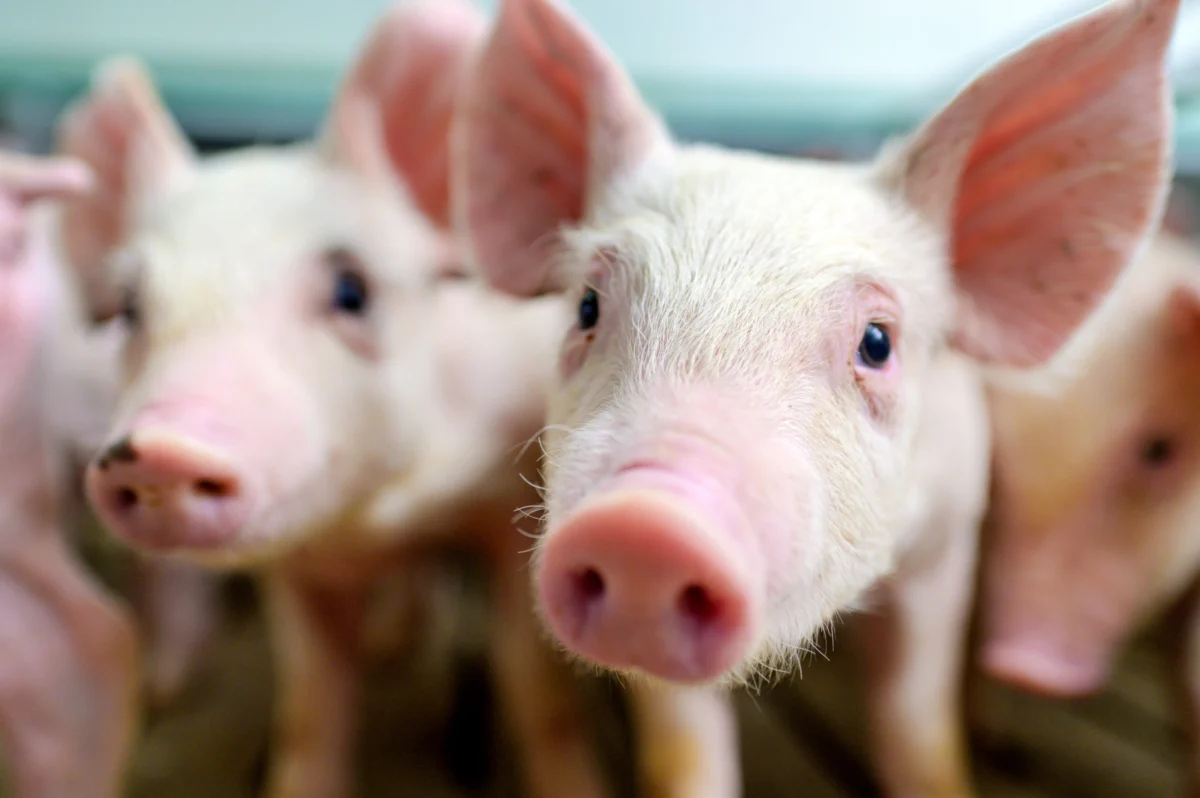
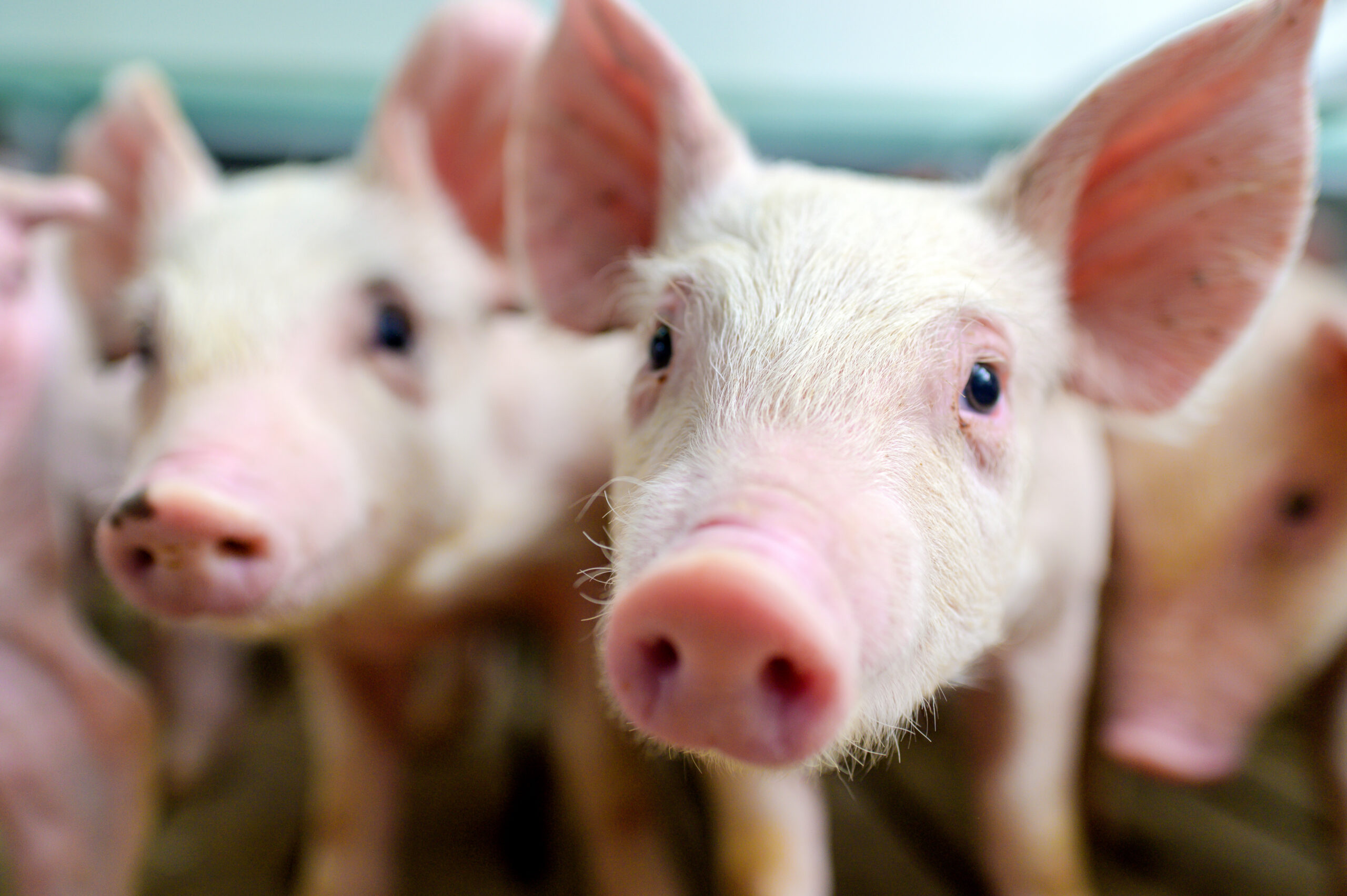
Chinese researchers have unveiled a groundbreaking approach to treating ocular cancers, specifically retinoblastoma, through the development of specialized eye drops derived from an unlikely source: pig semen. This innovative platform, detailed in a recent publication in Science Advances, demonstrated remarkable efficacy in a mouse model, successfully delivering anticancer drugs to the posterior segment of the eye, killing cancer cells, and significantly impeding tumor growth. This development marks a pivotal step toward overcoming long-standing challenges in ophthalmic pharmacology, particularly the non-invasive delivery of therapeutic agents to the retina.
The Critical Challenge of Ocular Drug Delivery
Treating conditions affecting the back of the eye, such as retinoblastoma, age-related macular degeneration, and diabetic retinopathy, has historically presented significant therapeutic hurdles. The eye’s intricate anatomy and formidable physiological barriers, primarily the blood-retinal barrier, are designed to protect delicate retinal tissues from external threats and systemic agents. While essential for ocular health, these barriers simultaneously impede the effective delivery of therapeutic compounds.
Current treatment modalities for posterior eye diseases often involve invasive procedures. Intravitreal injections, where drugs are directly injected into the vitreous humor of the eye, are a common route. Although effective for some conditions, these injections carry risks including discomfort, pain, infection, hemorrhage, retinal detachment, and increased intraocular pressure. For aggressive cancers like retinoblastoma, particularly when there is a risk of extraocular spread, the standard of care can tragically involve enucleation—the surgical removal of the eye. This drastic measure, while life-saving, profoundly impacts a patient’s quality of life, especially in children, where retinoblastoma is the most common intraocular malignancy. Globally, retinoblastoma affects approximately 8,000 children annually, with a higher incidence in developing countries, underscoring the urgent need for less invasive and more effective treatments that can preserve vision and the eye itself.
Topical eye drops, while non-invasive and patient-friendly, have largely been ineffective for delivering drugs to the retina due to poor penetration through the cornea and conjunctiva, and insufficient bioavailability at the target site. The vast majority of a conventional eye drop dose is typically washed away by tears or absorbed systemically, failing to reach therapeutic concentrations in the posterior segment. This necessitates a novel delivery system capable of bypassing these natural defenses efficiently and safely.
Exosomes: Nature’s Nanocarriers Reimagined
The research team, primarily from Shenyang Pharmaceutical University in China, focused on exosomes, which are nanoscale lipid-based particles naturally secreted by almost all cell types. These extracellular vesicles play crucial roles in intercellular communication, transporting proteins, lipids, and nucleic acids between cells. Their natural ability to traverse biological membranes without eliciting significant immune responses has made them a subject of intense interest in drug delivery research. Exosomes possess inherent biocompatibility, low immunogenicity, and stability, making them ideal candidates for carrying therapeutic payloads.
Previous studies have explored exosomes from various sources, including stem cells and immune cells, as drug carriers. However, challenges in large-scale production and purification have limited their widespread application. This is where the innovation of the Chinese researchers truly shines: their decision to investigate exosomes derived from pig semen.
The Unconventional Source: Pig Semen as a High-Yield Platform
The inspiration behind using pig semen was rooted in a keen observation of natural biological processes. The researchers noted the remarkable ability of exosomes to facilitate sperm migration and penetration of physiological barriers within the female reproductive tract. This led them to hypothesize that similar mechanisms might allow these particular exosomes to navigate the ocular barriers.
Beyond this biological insight, pig semen offers a significant practical advantage: it is an abundant, readily available, and inexpensive source material. Pigs are widely farmed, and semen can be collected in large quantities, addressing the scalability issues often associated with exosome production from other cellular sources. This "high-yield platform" potentially overcomes a major bottleneck in translating exosome-based therapies from laboratory to clinic, making large-scale manufacturing feasible and cost-effective. The use of an animal-derived product, while requiring careful purification and safety assessments, leverages a natural biological system that is inherently designed for traversing biological barriers.
Navigating the Eye’s Defenses: The Mechanism of Delivery
The study meticulously detailed how these engineered exosomes managed to bypass the eye’s protective barriers. Unlike many conventional drug carriers that struggle to cross the tight junctions—specialized cell-to-cell connections that form a formidable seal in epithelia—the pig semen-derived exosomes demonstrated a unique entry mechanism. They exploited a pathway involving epidermal growth factor (EGF), which mediates a reversible disruption of these tight junctions. This temporary and controlled loosening of the cellular seals allowed the exosomes to slip through without causing permanent tissue damage, a crucial safety feature for ocular applications.
Furthermore, the researchers identified that the exosomes reached the posterior segment of the eye via two simultaneous routes: transcorneal and transconjunctival. The cornea, the transparent outer layer of the eye, and the conjunctiva, the mucous membrane lining the inner eyelid and sclera, both serve as entry points. This dual-route penetration mechanism suggests a highly efficient and comprehensive delivery strategy, ensuring that a significant portion of the therapeutic payload reaches the target tissues at the back of the eye. This multi-pathway approach differs from the mechanism by which exosomes facilitate sperm migration in the reproductive tract, highlighting the adaptable nature of these nanocarriers when engineered for specific delivery targets.
Precision Targeting: A Nanozyme System Against Retinoblastoma
The engineered exosomes were not merely empty vessels; they were sophisticated delivery vehicles loaded with a potent anticancer payload and modified for targeted action. The therapeutic agent was a novel nanozyme system, a class of nanomaterials with enzyme-like catalytic activity, composed of carbon dots, manganese dioxide, and glucose oxidase. This synergistic combination was designed to induce oxidative stress specifically within cancer cells.
Here’s how it works:
- Glucose Oxidase (GOx): This enzyme catalyzes the oxidation of glucose, producing hydrogen peroxide (H2O2), a reactive oxygen species (ROS).
- Manganese Dioxide (MnO2): In the presence of the acidic microenvironment characteristic of many tumors, MnO2 can react with H2O2 to generate more highly reactive oxygen species and deplete glutathione, a key antioxidant, further tipping the balance towards oxidative stress.
- Carbon Dots: These nanoparticles can enhance the catalytic activity and stability of the system, and potentially contribute to ROS generation.
The increased levels of reactive oxygen species within the cancer cells overwhelm their antioxidant defenses, leading to severe oxidative stress. This stress triggers cellular self-destruction mechanisms, primarily apoptosis (programmed cell death) and autophagy (a process where cells digest their own components), effectively killing the retinoblastoma cells.
To ensure this powerful nanozyme system selectively targeted cancer cells while sparing healthy ocular tissue, the exosomes were ingeniously modified with folic acid. Retinoblastoma cells, like many other cancer cells, exhibit significantly higher concentrations of folic acid receptors on their surface compared to healthy retinal cells. By adorning the exosomes with folic acid, the researchers created a "guided missile" system: the exosomes preferentially bound to and were internalized by the cancer cells, delivering their destructive payload with precision. This targeted approach minimizes off-target effects, a critical consideration for therapies applied to sensitive organs like the eye.
Promising Preclinical Results: A Glimpse into the Future
The efficacy of these engineered eye drops was rigorously tested in a mouse model of retinoblastoma. The results were compelling. After 30 days of treatment, the mice that received the exosome-based eye drops exhibited remarkably healthy eyesight, indicating the absence of significant damage to the surrounding ocular tissues. More strikingly, their tumors were reduced to approximately 2% to 3% of the size observed in untreated mice. This dramatic tumor suppression, coupled with the preservation of visual function, highlights the immense therapeutic potential of this non-invasive approach. The ability to achieve such profound tumor regression with topical administration represents a significant leap forward from current invasive methods.
Expert Perspectives and Broader Implications
The publication of these findings in Science Advances has generated considerable excitement within the scientific and medical communities. Dr. Yu Zhang, a lead researcher from Shenyang Pharmaceutical University, likely emphasized the transformative potential of this platform. "Our findings suggest a paradigm shift in how we approach ocular cancer treatment," a hypothetical statement from Dr. Zhang might read. "By leveraging the natural transport capabilities of exosomes and sourcing them from an abundant, cost-effective material like pig semen, we have developed a non-invasive, targeted therapy that could drastically improve outcomes for patients, especially children suffering from retinoblastoma."
Ophthalmologists and pediatric oncologists would undoubtedly view this development as a highly promising avenue. The prospect of treating retinoblastoma with simple eye drops, rather than invasive injections or surgical removal of the eye, offers profound benefits in terms of patient comfort, reduced risks, and improved quality of life. For children, preserving an eye and its vision is paramount, and this technology offers a hopeful path towards achieving that goal.
Beyond retinoblastoma, the implications of this high-yield, non-invasive exosome delivery platform extend to a multitude of other challenging ocular diseases. Conditions such as age-related macular degeneration (AMD), glaucoma, diabetic retinopathy, and various forms of uveitis could potentially benefit from targeted drug delivery to the posterior segment of the eye using similar exosome-based systems. The ability to cross the blood-retinal barrier topically opens doors for delivering a wide array of therapeutic agents, including gene therapies, proteins, and small molecules, which are currently limited by delivery constraints.
Furthermore, this research contributes to the broader field of targeted drug delivery, particularly for organs protected by strong biological barriers. The principles demonstrated here, regarding exosome engineering and barrier penetration, might inspire similar strategies for delivering therapeutics to the brain (crossing the blood-brain barrier) or other difficult-to-access tissues.
Future Directions and Regulatory Pathway
The research team is not resting on its laurels. Their ongoing investigations include exploring the use of bull semen as an alternative source for exosomes, which could potentially offer even greater scalability or different exosome characteristics. Moving forward, the path to clinical translation will involve several critical steps.
Firstly, comprehensive toxicology studies will be essential to confirm the long-term safety of pig semen-derived exosomes and the nanozyme payload in ocular tissues, especially given the chronic nature of some eye conditions. Immunogenicity studies will also be crucial to ensure no adverse immune reactions develop in human patients. Scaling up production under Good Manufacturing Practice (GMP) standards will be necessary to ensure consistent quality and supply for human trials.
Secondly, human clinical trials will be required, progressing through phases to assess safety, optimal dosing, and efficacy in retinoblastoma patients. These trials will need to carefully consider patient populations, particularly children, ensuring ethical considerations are met at every stage.
Regulatory bodies worldwide, such as the U.S. Food and Drug Administration (FDA) and the European Medicines Agency (EMA), will scrutinize the safety and efficacy data before granting approval. The novelty of using semen-derived exosomes for drug delivery means that a robust regulatory framework will need to be navigated, potentially involving new guidelines for such bio-derived therapeutics. Public perception and acceptance of a therapy derived from animal semen will also be a factor, necessitating clear communication about the scientific rationale, safety, and benefits.
Conclusion
The development of engineered exosomes from pig semen for ocular drug delivery represents a remarkable scientific achievement. By ingeniously harnessing natural biological mechanisms and leveraging an abundant source material, researchers have developed a non-invasive, highly targeted, and effective method to treat retinoblastoma in preclinical models. This breakthrough not only offers a beacon of hope for children suffering from this devastating cancer, potentially sparing them from invasive surgeries and preserving their vision, but also paves the way for a new generation of therapeutics for a broad spectrum of challenging ocular diseases. As research progresses and regulatory hurdles are addressed, these innovative eye drops could fundamentally transform ophthalmic care, making advanced treatments more accessible, safer, and more patient-friendly.