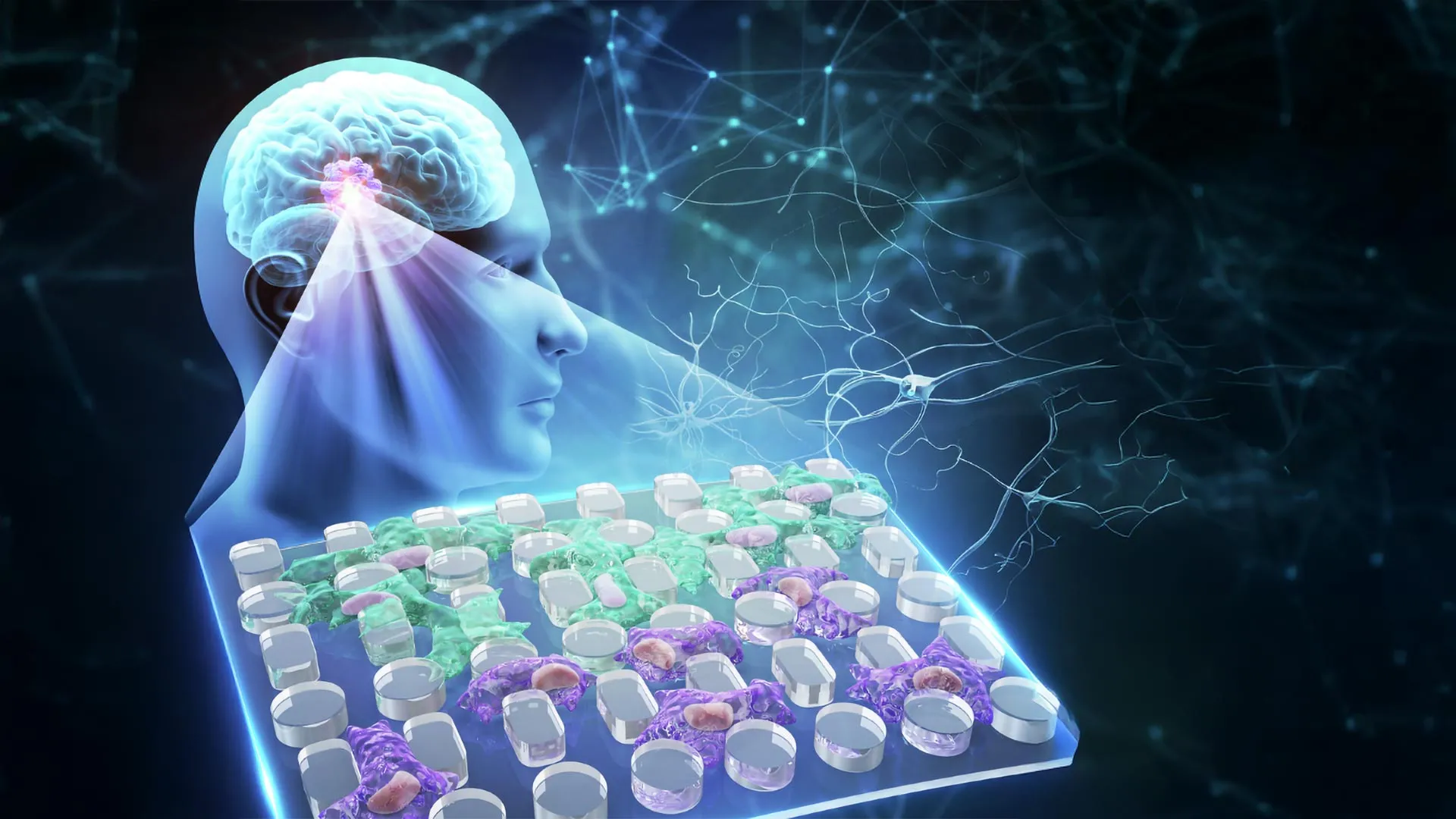
In a breakthrough study that bridges the gap between immunology and neuroscience, researchers at the University of California, San Francisco (UCSF) have mapped the precise biological circuitry that allows the gut to communicate with the brain during a parasitic infection. The study, published in the journal Nature on March 25, reveals how a specific immune signaling pathway triggers a loss of appetite, a phenomenon long observed by clinicians but poorly understood at the molecular level. This discovery not only provides a roadmap for understanding "sickness behavior" in the context of infection but also offers significant implications for the treatment of chronic gastrointestinal disorders, including irritable bowel syndrome (IBS) and food intolerances.
The research was led by a multidisciplinary team including co-senior authors David Julius, PhD, a professor and chair of Physiology at UCSF and recipient of the 2021 Nobel Prize in Physiology or Medicine, and Richard Locksley, MD, a renowned UCSF immunologist. Their collaborative effort has successfully identified how tuft cells—specialized sensory cells in the intestinal lining—act as the primary "scouts" of the immune system, recruiting the nervous system to alter host behavior in response to a perceived threat.
The Evolutionary Logic of Sickness Behavior
When a person or animal becomes ill, they often exhibit a suite of symptoms known collectively as sickness behavior. This includes lethargy, social withdrawal, and most notably, a marked decrease in appetite, or anorexia. From an evolutionary perspective, these behaviors are thought to be adaptive. By reducing food intake and physical activity, the body can redirect precious energy reserves toward the immune system’s fight against the invading pathogen.
However, in the case of parasitic worm infections, which affect more than 1.5 billion people globally according to World Health Organization (WHO) data, the loss of appetite can be particularly detrimental. Chronic infections often lead to malnutrition, stunted growth in children, and cognitive impairments. Despite the prevalence of these infections—caused by helminths such as hookworms, roundworms, and whipworms—the biological "switch" that tells the brain to stop eating remained elusive until now.
"The question we wanted to answer was not just how the immune system fights parasites, but how it recruits the nervous system to change behavior," explained David Julius. "It turns out there’s a very elegant molecular logic to how that happens."
The Sentinel and the Messenger: Tuft Cells and EC Cells
The UCSF study centered on the interaction between two rare but vital cell types located in the epithelial lining of the gut: tuft cells and enterochromaffin (EC) cells.
Tuft cells are named for the brush-like bundle of microvilli that extends into the intestinal lumen. They act as the gut’s chemical sensors, detecting the presence of parasites by "tasting" metabolic byproducts. Once they detect an invader, tuft cells initiate an immune response that typically involves the production of mucus and the contraction of intestinal muscles—a process colloquially known as "weep and sweep."
EC cells, on the other hand, are the primary producers of serotonin in the body. Roughly 90% to 95% of the body’s serotonin is found in the digestive tract, where it is used to regulate gut motility and communicate with the vagus nerve, the primary highway of the gut-brain axis. While EC cells were known to be involved in sensations of nausea and pain, their direct relationship with the immune-sensing tuft cells was previously a "missing link" in gastrointestinal science.
Experimental Methodology and the Discovery of Non-Neuronal Acetylcholine
To map the communication between these cells, first author Koki Tohara, PhD, a postdoctoral researcher in the Julius and Locksley labs, developed a sophisticated imaging model. Using genetically engineered sensor cells placed in proximity to tuft cells, the team observed the cells’ reactions in real-time under a microscope.
The researchers introduced succinate, a chemical compound known to be secreted by parasitic worms, to the environment. When the tuft cells detected the succinate, they did not just trigger a local immune response; they released acetylcholine.
This finding was particularly surprising to the research team. Acetylcholine is a classic neurotransmitter, usually associated with the rapid-fire signals sent between neurons. "What we found is that tuft cells are doing something neurons do, but by a completely different mechanism," Tohara noted. "They’re using acetylcholine to communicate, but without any of the usual cellular machinery that neurons rely on to release it."
The study demonstrated that this acetylcholine acts as a bridge. It binds to receptors on nearby EC cells, which in turn release a surge of serotonin. This serotonin then stimulates the sensory fibers of the vagal nerve, which carry the signal directly to the brain’s appetite centers, effectively "turning off" the desire to eat.
The Two-Phase Signaling Timeline
One of the most significant aspects of the study is its explanation of the chronology of symptoms. Most patients with parasitic infections do not lose their appetite the moment the parasite enters the body. There is often a delay between the initial infection and the onset of sickness behavior.
The UCSF team discovered that tuft cells operate on a two-phase signaling system. Upon the initial detection of a parasite, tuft cells release a short, relatively weak burst of acetylcholine. This initial signal is often insufficient to trigger a full behavioral change. However, as the immune system responds to the infection, it triggers a process called hyperplasia, where the number of tuft cells in the gut increases dramatically.
As the population of tuft cells grows, they begin a "second phase" of signaling—a sustained, high-volume release of acetylcholine. This prolonged signal is what finally activates the EC cells and the vagus nerve with enough intensity to reach the brain and suppress appetite.
"This explains why you feel fine at first but then start to feel sick as the infection becomes established," said Julius. "The gut is essentially waiting to confirm that the threat is real and persistent before it tells the brain to change your behavior."
Validating the Pathway: Data from In Vivo Models
To confirm that this pathway was responsible for behavioral changes in living organisms, the researchers conducted a series of experiments using mouse models.
The control group consisted of mice with normal tuft cell function. When infected with Nippostrongylus brasiliensis (a common parasitic roundworm used in laboratory settings), these mice showed a significant and progressive reduction in food intake as the parasite took hold.
In the experimental group, the researchers used "knockout" mice—animals genetically modified so that their tuft cells lacked the ability to produce or release acetylcholine. When these mice were infected with the same parasite, their behavior remained unchanged. They continued to eat at normal levels despite the presence of the infection.
This data provided definitive proof that the tuft-cell-to-EC-cell pathway is the specific biological circuit driving the loss of appetite. By interrupting this single molecular link, the researchers were able to decouple the immune response from the behavioral response.
Broad Implications for Irritable Bowel Syndrome and Food Intolerances
While the study focused on parasitic infections, the implications of this discovery extend far into the realm of chronic digestive disorders. Conditions such as Irritable Bowel Syndrome (IBS), Inflammatory Bowel Disease (IBD), and various food allergies often involve heightened sensitivity in the gut and unexplained changes in appetite or nausea.
The researchers believe that in some patients, this tuft-cell-driven pathway may be hyperactive or inappropriately triggered by non-parasitic stimuli, such as specific food proteins or changes in the gut microbiome. If the "weep and sweep" response is constantly being signaled by overactive tuft cells, it could lead to the chronic discomfort and appetite fluctuations seen in IBS.
"Controlling the outputs of tuft cells could be a way to control some of the physiologic responses associated with these infections," said Richard Locksley. He further noted that tuft cells are not exclusive to the gut; they are also found in the respiratory tract, the gallbladder, and the reproductive system. This suggests that similar immune-to-nerve signaling pathways might be influencing health in other parts of the body.
Scientific Context and Future Research
The study was conducted in collaboration with Stuart Brierly, PhD, and his team at the University of Adelaide in Australia, highlighting the global interest in gut-brain axis research. The involvement of David Julius, whose previous Nobel-winning work focused on how the body senses heat and pain through receptors like TRPV1 (the "chili pepper" receptor), underscores the significance of this research. It represents a new frontier in "sensory biology"—understanding how the body perceives internal threats just as it perceives external stimuli like temperature or touch.
Medical analysts suggest that this research could lead to the development of a new class of "neuro-immunomodulator" drugs. By targeting the specific receptors on EC cells that respond to tuft-cell acetylcholine, pharmaceutical companies might be able to treat the debilitating nausea and appetite loss associated not only with infections but also with chemotherapy and chronic inflammatory states.
As the scientific community continues to explore the gut-brain axis, the UCSF study serves as a foundational piece of evidence that the gut is not just an organ of digestion, but a complex sensory organ capable of dictating behavior to the brain. The discovery that the immune system can "speak" to the nervous system through a non-neuronal chemical messenger marks a major shift in our understanding of how the body maintains homeostasis in the face of disease.