In a significant leap for bioengineering and regenerative medicine, a multidisciplinary team of researchers from the University of Pennsylvania School of Engineering and Applied Science, the Perelman School of Medicine, and the Children’s Hospital of Philadelphia has successfully developed a sophisticated organ-on-a-chip platform that replicates the complex environment of human bone marrow. This new technology, detailed in the journal Cell Stem Cell, provides a living, functional model of the human marrow, capable of producing blood cells and simulating the intricate biological responses of the immune system to external stressors such as infection, radiation, and chemotherapy.
Bone marrow is a vital organ responsible for hematopoiesis—the continuous production of billions of blood cells every day. It houses hematopoietic stem cells (HSCs), which differentiate into oxygen-carrying erythrocytes (red blood cells), platelets for clotting, and various leukocytes (white blood cells) that form the backbone of the human immune response. However, marrow is also highly sensitive. Patients undergoing intensive cancer treatments often suffer from myelosuppression, where chemotherapy or radiation destroys marrow cells, leading to life-threatening drops in white blood cell counts and making patients extremely vulnerable to opportunistic infections. Historically, studying these effects has been hampered by the limitations of animal models, which frequently fail to mirror the unique physiological nuances of human marrow.
The Architecture of the Bone Marrow-on-a-Chip
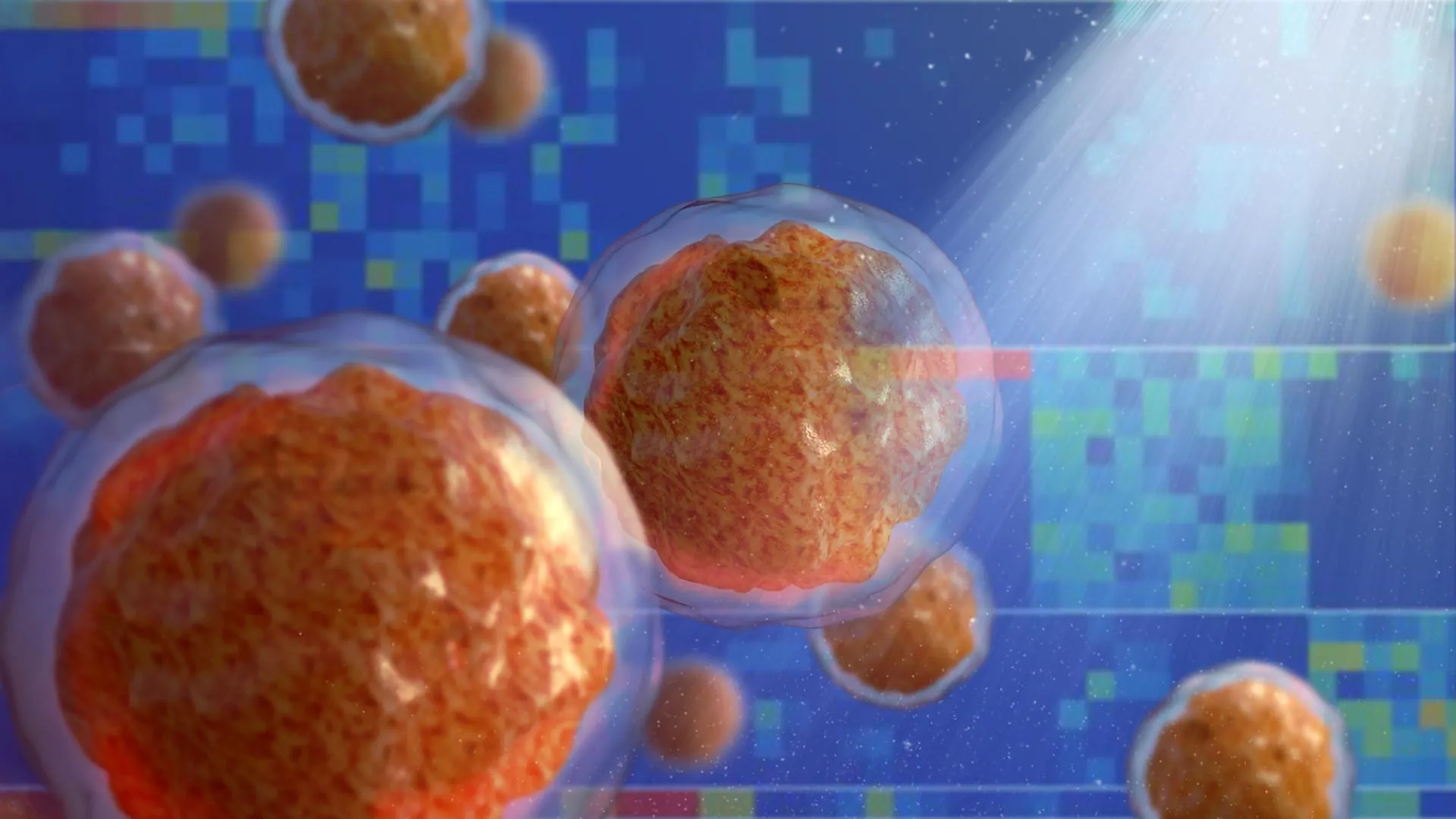
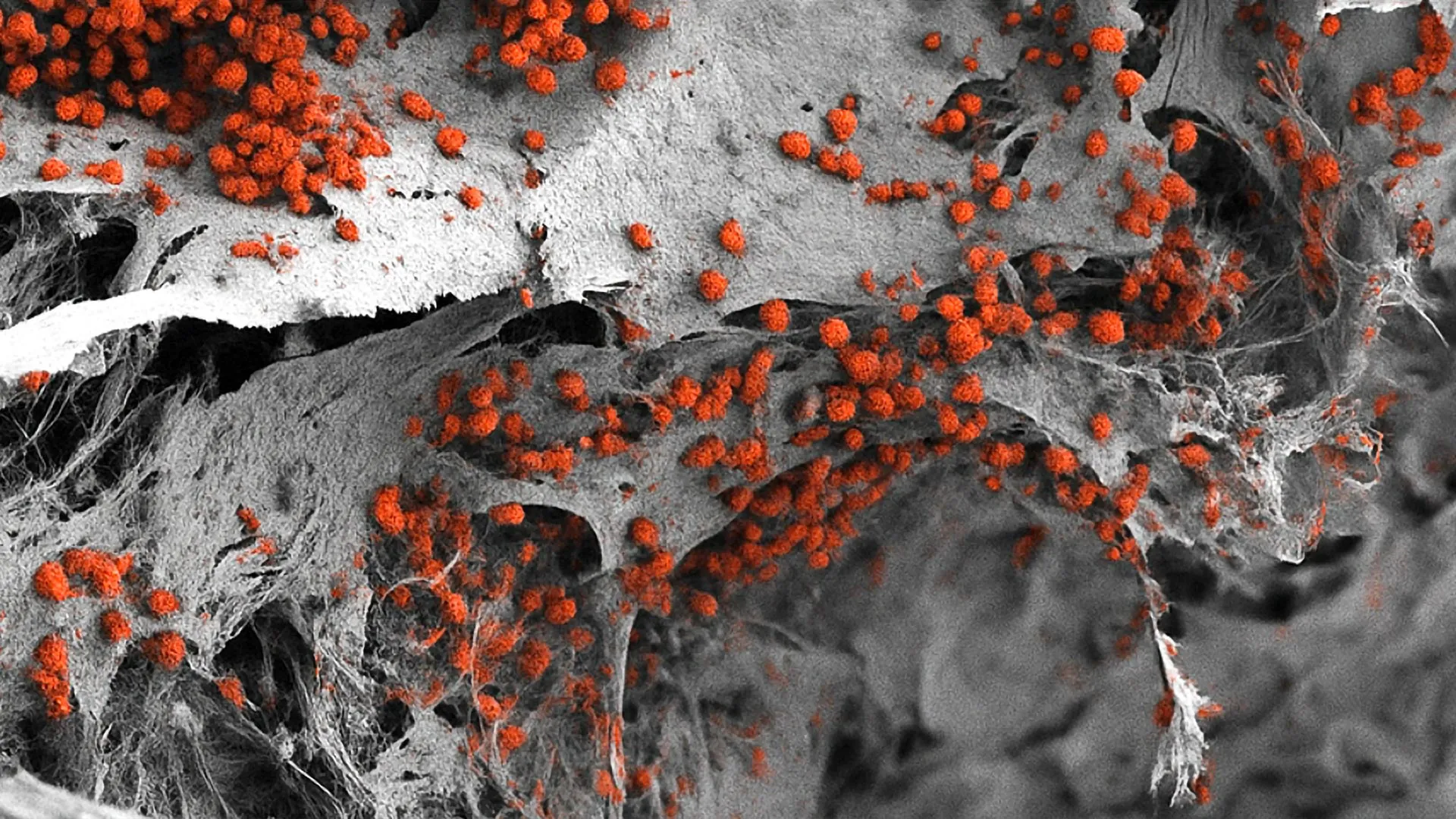
The newly developed device is a microfluidic platform—a small plastic chip roughly the size of a USB drive—containing engineered chambers designed to mimic the three-dimensional architecture of the marrow’s "niche." Unlike previous attempts to model marrow, which often involved simply layering cells on flat surfaces, this platform utilizes a specialized hydrogel that acts as a synthetic extracellular matrix. Within this matrix, the researchers seeded human blood stem cells along with mesenchymal cells (which create connective tissue) and endothelial cells (which form the lining of blood vessels).
The breakthrough lies in the platform’s ability to foster "self-organization." By providing the correct environmental cues, the researchers encouraged the cells to interact and assemble into realistic tissues autonomously. This process mimics the development of bone marrow in the human embryo, where various cell types converge to form a dense, vascularized network. The resulting "marrow-on-a-chip" not only produces functional human blood cells but also features engineered capillary vessels that allow these cells to be released into a circulating culture medium, effectively simulating the way new blood cells enter the human bloodstream.
A Decade-Long Journey from Earth to Orbit
The origins of this project date back nearly ten years, born from a collaboration between Dan Huh, a Professor in Bioengineering at Penn Engineering, and G. Scott Worthen, an attending physician at the Children’s Hospital of Philadelphia and Professor Emeritus in Pediatrics at the Perelman School of Medicine. Their initial goal was not terrestrial medicine, but rather the protection of astronauts.
"Based on accumulating evidence showing increased risk of infection in astronauts on prolonged missions, we wanted to study how weightlessness affects our immune system," explains Worthen. The research team hypothesized that microgravity and the high-radiation environment of space might impair the bone marrow’s ability to produce white blood cells, thereby compromising the innate immunity of explorers on long-duration missions to the Moon or Mars.
The project faced significant hurdles. A planned experiment involving a "cubelab" system—a miniaturized laboratory designed for the International Space Station (ISS)—was derailed when a flow controller short-circuited during the ascent of the launch vehicle. A second attempt to send the marrow chips to orbit was subsequently canceled due to the logistical disruptions caused by the COVID-19 pandemic. Despite these setbacks, the team redirected their efforts toward refining the technology for clinical and pharmaceutical use on Earth, leading to the current iteration of the platform.
Modeling Disease and Organ Crosstalk
One of the most sophisticated features of the new system is its ability to be interconnected with other organ-on-a-chip models. In a landmark demonstration, the researchers linked the marrow chip to a model of a bacteria-infected human lung. This setup allowed them to observe "biochemical crosstalk"—the complex signaling that occurs between different parts of the body during an emergency.
When the lung model detected a bacterial threat, it sent chemical signals that reached the bone marrow chip. In response, the marrow chip rapidly increased the production and release of neutrophils (a type of white blood cell) into the engineered bloodstream. These cells then migrated to the site of the "infection" in the lung model, where they began engulfing the bacteria. This represented the first time scientists have been able to replicate the entire process of the human innate immune response—from marrow mobilization to tissue infiltration—within an entirely bioengineered system.
"We’ve come a long way in terms of our ability to regenerate human tissues in vitro and mimic their complex functions, but I would say this system is probably one of the most sophisticated bioengineered tissue models developed to date," says Dan Huh, the senior author of the study.
Implications for Drug Development and Oncology
The pharmaceutical industry faces a high failure rate in clinical trials, often referred to as the "Valley of Death," where drugs that appear safe in animal testing prove toxic to human bone marrow. The marrow-on-a-chip offers a high-throughput solution for preclinical screening. By testing new anticancer compounds on these chips, researchers can identify potential marrow toxicity long before a drug reaches human subjects, potentially saving billions of dollars and preventing patient harm.
Furthermore, the chip serves as a critical tool for oncology. It allows doctors to simulate how a specific patient’s marrow might react to different dosages of radiation or chemotherapy. By modeling these side effects in a lab setting, clinicians can better tailor treatments to maximize efficacy while minimizing the risk of severe immune suppression.
The platform also shows promise for the field of cell therapy. Hematopoietic stem cell (HSC) transplants are the standard of care for many blood cancers and genetic disorders, but harvesting these cells is an invasive and expensive process. The researchers found that their marrow chip provides an environment conducive to maintaining and potentially expanding HSC populations for extended periods. If the technology can be scaled, it could lead to new methods for producing high-quality stem cells for transplantation without the need for frequent donor extractions.
Supporting Data and Technical Milestones
The study’s success is backed by several key technical achievements:
- Longevity: The marrow-on-a-chip was able to maintain viable, functioning hematopoietic stem and progenitor cells for several weeks, a significant improvement over standard 2D culture methods.
- Vascular Integration: The integration of endothelial cells created a functional "blood-marrow barrier," which regulates the exit of mature blood cells—a critical physiological gatekeeping function.
- Automation Potential: The researchers demonstrated that the production and maintenance of these chips could be automated. This is essential for large-scale industrial applications, such as the massive screening programs required by pharmaceutical companies.
Andrei Georgescu, a former doctoral student in Huh’s lab and now CEO of Vivodyne, the startup commercializing this technology, emphasizes the shift in design philosophy. "The design principle we demonstrate in this paper is unique… it relies on the ability of stem and progenitor cells to self-organize and self-assemble into complex tissues. When grown in the ‘right’ environment, those cells can build themselves into realistic tissues."
Future Directions and Broader Impact
While the immediate focus is on drug toxicity and immune response, the long-term applications of the bone marrow-on-a-chip are vast. The team still hopes to eventually send the platform to the ISS to fulfill the original mission of studying space-induced immune dysfunction. Closer to home, the platform could be used to study rare blood diseases, the aging of the immune system (immunosenescence), and the mechanisms of leukemia.
The study received broad support from major institutions, including the National Institutes of Health (NIH), the National Science Foundation (NSF), the Paul G. Allen Foundation, and the Ministry of Science and ICT in Korea. This diverse funding reflects the interdisciplinary importance of the work, spanning from basic biological discovery to advanced aerospace medicine.
As the field of organ-on-a-chip technology continues to evolve, the development of a functional marrow model stands as a cornerstone achievement. By unlocking the "black box" of the bone marrow, researchers have provided a new window into human health, offering a path toward safer drugs, more effective cancer treatments, and perhaps one day, the safe passage of humans across the stars.