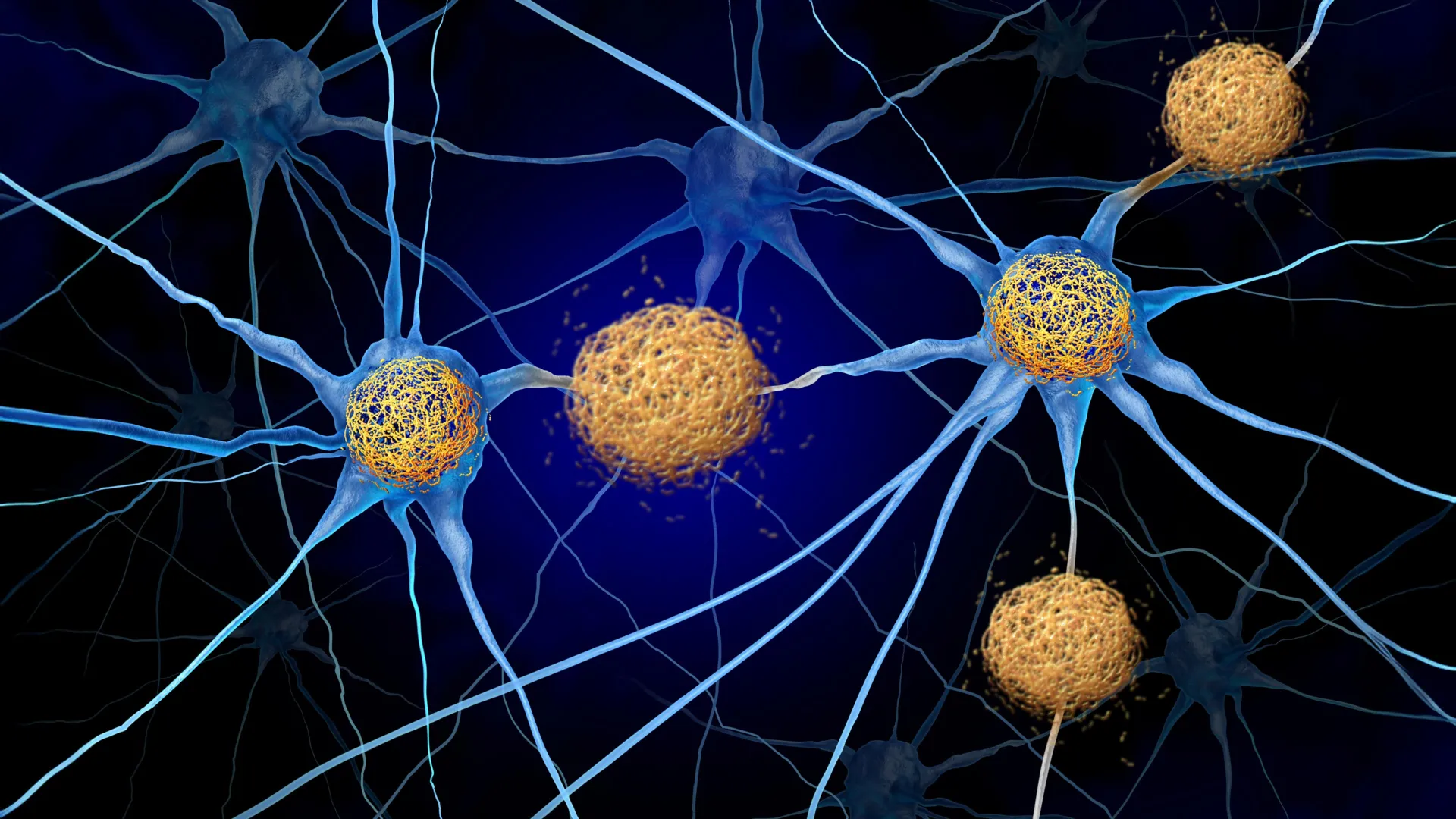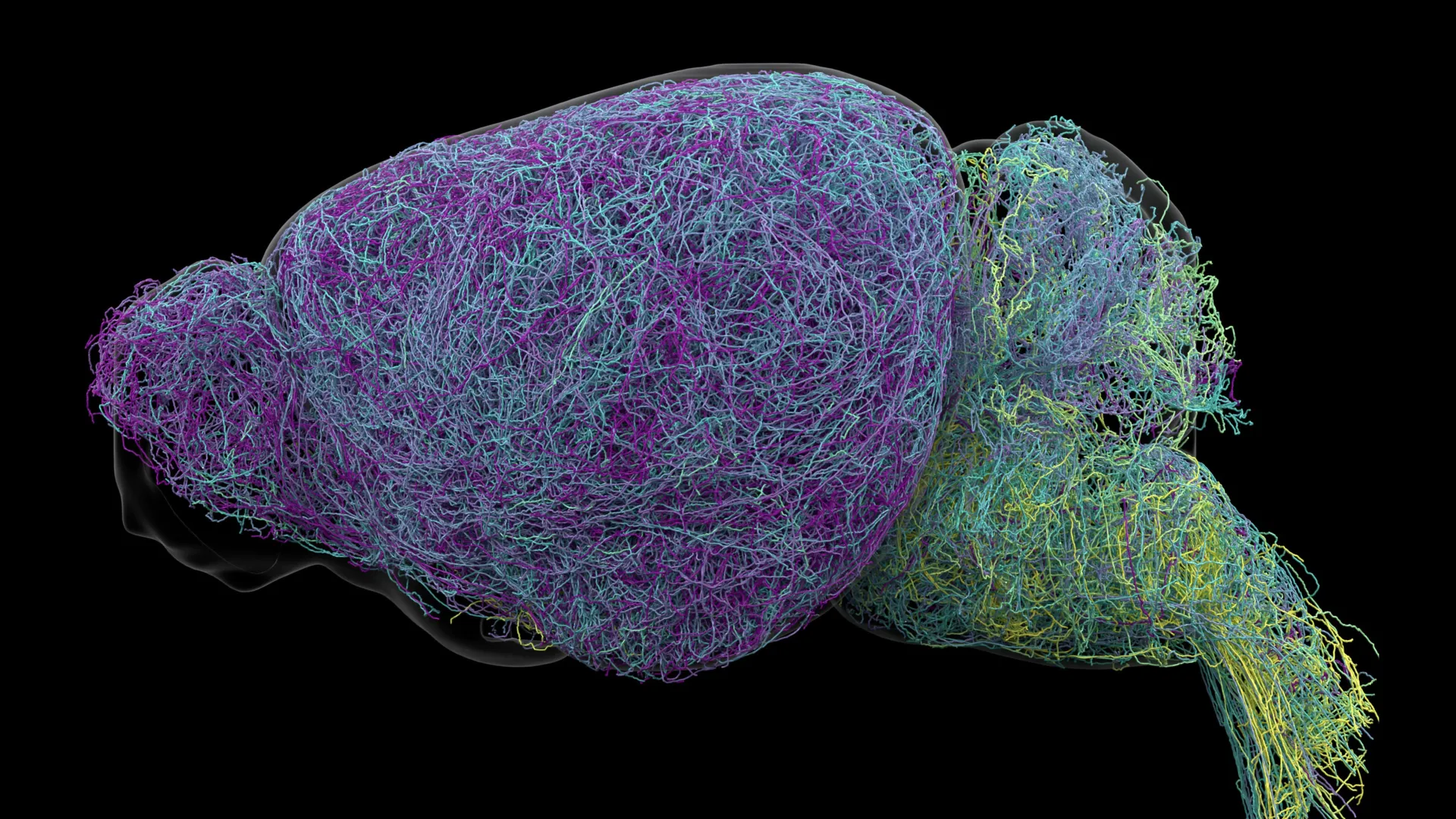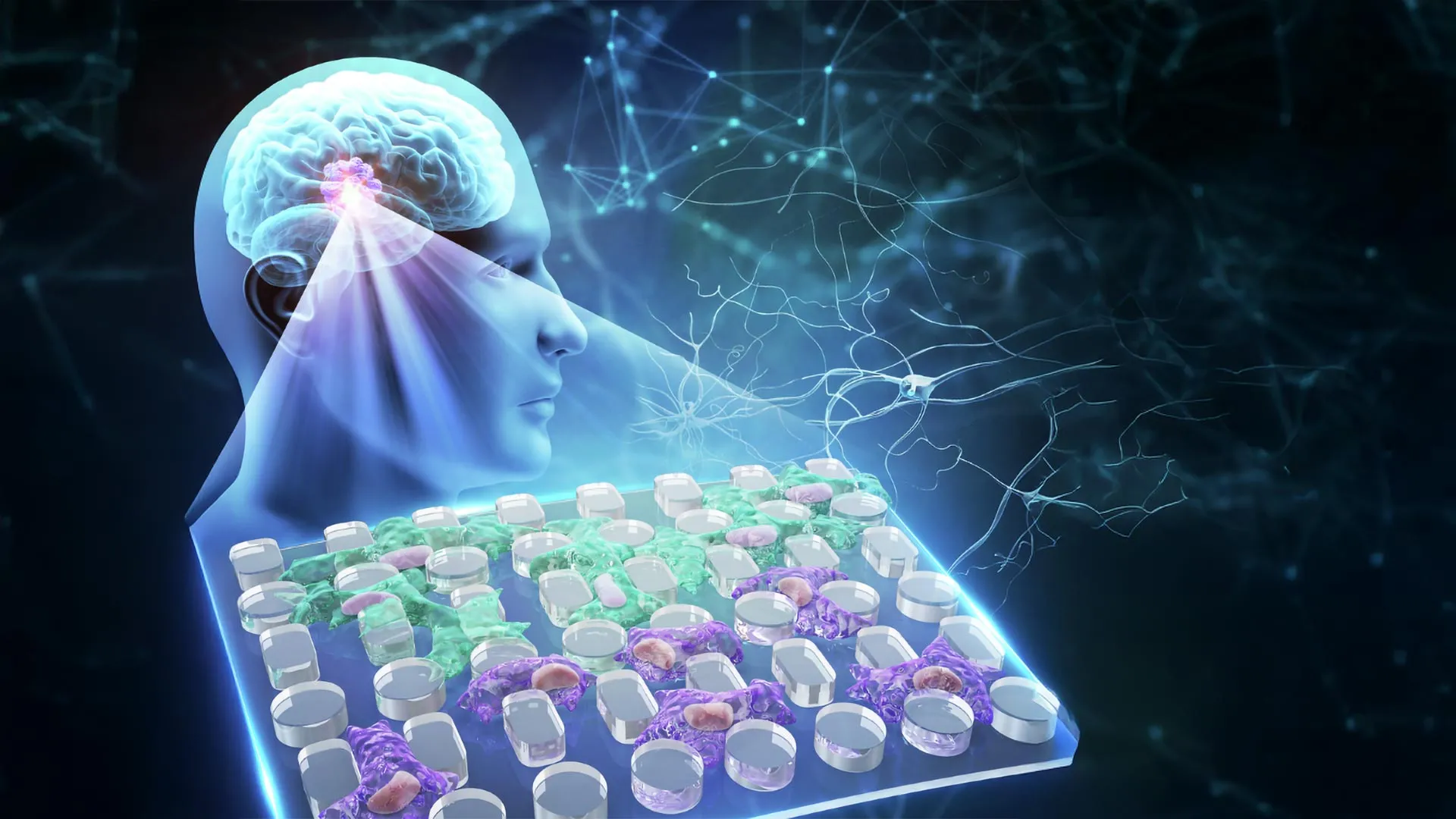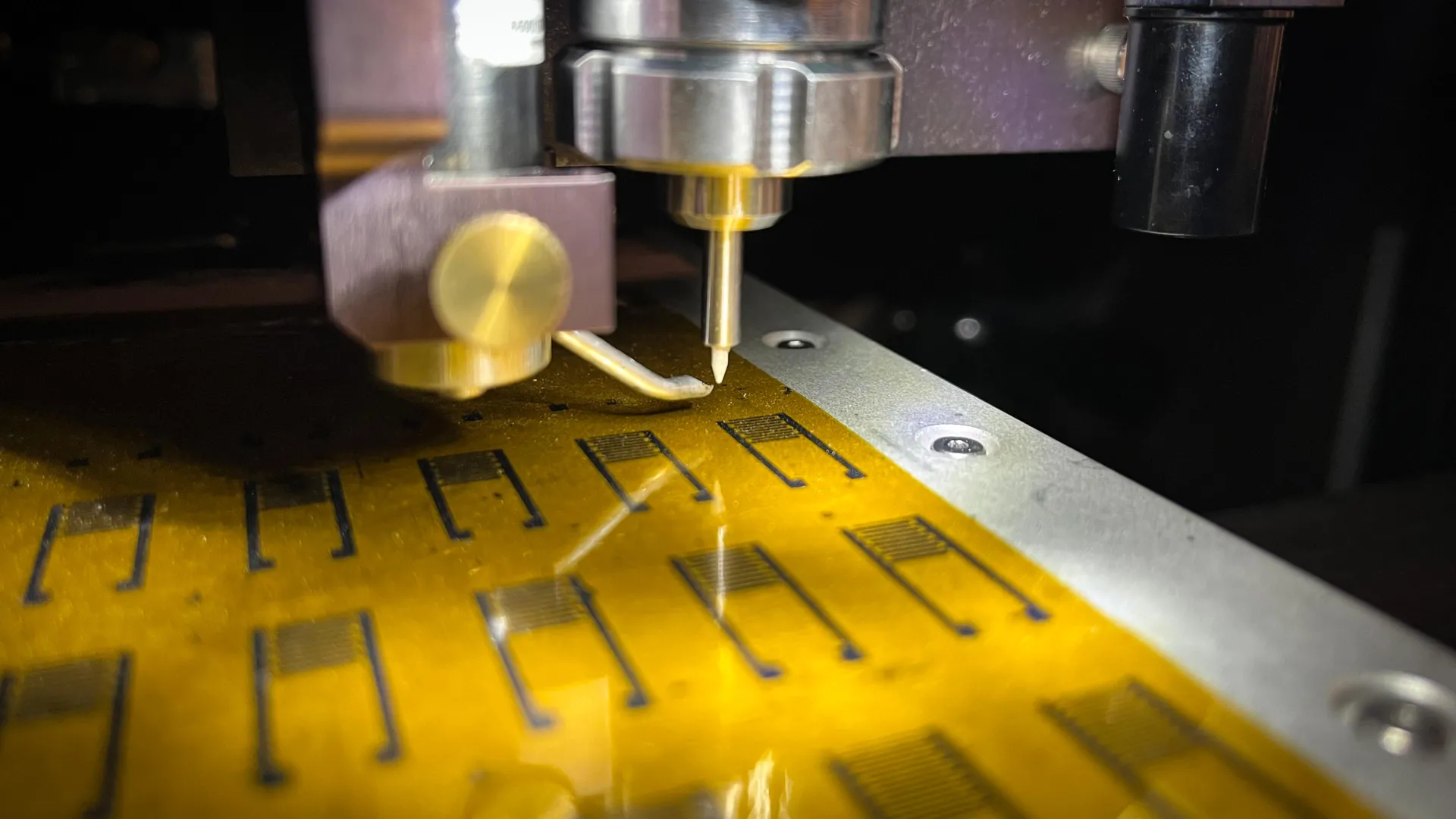
In a landmark development for the fields of bioelectronics and neuromorphic computing, a multidisciplinary team of engineers at Northwestern University has successfully designed and fabricated printed artificial neurons that demonstrate an unprecedented ability to communicate directly with living biological cells. These flexible, low-cost electronic devices do not merely simulate the electrical activity of the brain; they produce signals that are bio-compatible in both timing and waveform, enabling them to bridge the gap between synthetic hardware and organic neural networks. This breakthrough, detailed in the April 15 issue of the journal Nature Nanotechnology, represents a significant leap toward the realization of advanced neuroprosthetics and ultra-efficient artificial intelligence (AI) hardware.
The research was led by Mark C. Hersam, a distinguished professor of materials science and engineering at Northwestern’s McCormick School of Engineering, in collaboration with Vinod K. Sangwan and Indira M. Raman. By utilizing innovative printable materials and a novel manufacturing approach, the team has created a device that addresses one of the most persistent challenges in bio-integrated electronics: achieving a seamless interface between the rigid, high-speed world of digital silicon and the soft, dynamic, and relatively slow-paced environment of the human nervous system.
The Evolution of Neuromorphic Engineering and the Silicon Gap
For decades, the computer industry has relied on the scaling of silicon-based transistors to drive Moore’s Law, packing billions of identical components onto rigid chips. While this has led to the digital revolution, the architecture of modern computers—often referred to as the Von Neumann architecture—is fundamentally different from the human brain. In a standard computer, the processing unit and memory are separate, requiring data to be constantly moved back and forth, a process that consumes significant energy and creates a bottleneck.
In contrast, the human brain is a massive, three-dimensional network of heterogeneous neurons that process and store information simultaneously. The brain is estimated to be five orders of magnitude more energy-efficient than a modern digital computer. As AI models grow in complexity, requiring massive data centers that consume gigawatts of power, the need for brain-inspired, or "neuromorphic," hardware has become a matter of global energy security and environmental sustainability.
"The world we live in today is dominated by artificial intelligence," said Mark C. Hersam. "The way you make AI smarter is by training it on more and more data. This data-intensive training leads to a massive power-consumption problem. Therefore, we have to come up with more efficient hardware to handle big data and AI. Because the brain is so much more efficient, it makes sense to look to the brain for inspiration."
Materials Innovation: Turning Flaws into Functional Features
The Northwestern team’s artificial neurons are built using a sophisticated combination of two-dimensional (2D) materials: molybdenum disulfide (MoS2) and graphene. MoS2 serves as a semiconductor, while graphene acts as a highly efficient electrical conductor. These materials are processed into electronic inks and deposited onto flexible polymer substrates using aerosol jet printing, a method that allows for precise, additive manufacturing.
A critical discovery in this study involved the role of the polymer binders within the inks. In traditional semiconductor manufacturing, polymers are often viewed as contaminants that degrade electrical performance and are typically removed after the printing process. However, Hersam and his colleagues found that by partially decomposing these polymers rather than removing them entirely, they could induce a specific type of electrical behavior known as memristive switching.
When an electrical current is passed through the device, it drives further localized decomposition of the remaining polymer. This leads to the formation of a microscopic conductive filament. Because the current is constricted into this narrow spatial region, the device exhibits a sudden, nonlinear electrical response—effectively "firing" a spike of electricity that mirrors the action potential of a biological neuron. This allows a single printed device to generate complex signaling patterns, such as continuous firing or rhythmic bursting, which previously required large, energy-intensive circuits to replicate.
Bridging the Biological Divide: The Mouse Brain Experiments
To validate the biological utility of these artificial neurons, the engineering team partnered with Indira M. Raman, the Bill and Gayle Cook Professor of Neurobiology at Northwestern’s Weinberg College of Arts and Sciences. Raman’s lab specialized in electrophysiology, providing the expertise necessary to test the interface between the synthetic devices and living tissue.
The researchers applied the electrical signals generated by the printed neurons to slices of mouse cerebellum. The results were definitive: the artificial spikes were not only the correct shape and voltage, but they also occurred on a biological timescale. Other attempts at artificial neurons using traditional metal oxides have often been too fast for biological integration, while those using organic polymers have frequently been too slow.
"We are within a temporal range that was not previously demonstrated for artificial neurons," Hersam explained. "You can see the living neurons respond to our artificial neuron. We’ve demonstrated signals that are not only the right timescale but also the right spike shape to interact directly with living neurons."
The experiments showed that the artificial neurons could reliably trigger responses in real neural circuits, suggesting that they could eventually be used to bypass damaged nerve pathways or provide sensory input to the brain in a language it inherently understands.
Implications for Energy-Efficient AI and Data Centers
Beyond medical applications, the energy implications of this technology are profound. Current AI development is hitting a physical limit regarding power consumption. Leading tech companies are currently exploring the construction of dedicated nuclear power plants to fuel the massive data centers required for Large Language Models (LLMs).
"It is evident that this massive power consumption will limit further scaling of computing," Hersam noted. "The other issue is that when you’re dissipating gigawatts of power, there’s a lot of heat. Because data centers are cooled with water, AI is putting severe stress on the water supply. We need to come up with more energy-efficient hardware."
Because the printed artificial neurons operate on principles similar to the brain—where the "firing" of a neuron only occurs when necessary—the energy cost per operation is a fraction of that of a traditional transistor. Furthermore, the ability to print these devices on flexible surfaces means they can be integrated into a wider variety of form factors, potentially leading to "edge computing" devices that process complex AI tasks locally without needing to connect to a power-hungry cloud server.
Sustainable Manufacturing and Future Outlook
The manufacturing process developed by the Northwestern team also offers a more sustainable alternative to traditional silicon fabrication. Silicon chip production is a multi-billion dollar, high-waste process involving toxic chemicals, high temperatures, and immense water usage. In contrast, aerosol jet printing is an additive process that only places material where it is needed, significantly reducing material waste. The use of flexible polymers also opens the door to wearable and even biodegradable electronics.
The study, titled "Multi-order complexity spiking neurons enabled by printed MoS2 memristive nanosheet networks," was supported by the National Science Foundation (NSF). As the researchers move forward, the next steps involve scaling these individual artificial neurons into larger, more complex networks capable of performing specific computational tasks.
The potential for this technology extends into several high-impact fields:
- Neuroprosthetics: Developing implants that can restore vision or hearing by translating camera or microphone data directly into neural spikes.
- Brain-Machine Interfaces (BMI): Creating more seamless connections for controlling prosthetic limbs with thought, using devices that are soft and biocompatible.
- Neuromorphic Computing: Designing a new class of "brain-on-a-chip" hardware that can run AI algorithms with the power consumption of a lightbulb rather than a power plant.
The success of the Northwestern team marks a turning point where electronics are no longer just tools we use, but systems that can truly "speak" the language of life. By mimicking the heterogeneity and dynamism of the brain, these printed neurons provide a roadmap for a future where technology and biology are no longer distinct entities, but integrated partners in solving the most complex challenges of the 21st century.