The Medical University of South Carolina (MUSC) has released a groundbreaking study that challenges the long-standing perception of fish oil as a universally beneficial "brain food." Published in the prestigious journal Cell Reports, the research indicates that high-dose fish oil supplementation—specifically eicosapentaenoic acid (EPA)—may paradoxically hinder the brain’s ability to repair itself after repeated mild traumatic brain injuries (mTBIs). While the supplement industry has spent decades marketing omega-3 fatty acids as a protective measure for cognitive health and recovery, this new evidence suggests that for individuals prone to concussions, such as athletes and military personnel, the timing and composition of these supplements could be counterproductive.
The study, led by neuroscientist Onder Albayram, Ph.D., an associate professor at MUSC and a member of the National Trauma Society Committee, focused on the intricate biological processes of neurovascular repair. The research team’s findings suggest that under certain conditions, the presence of specific omega-3 fatty acids can create a "metabolic vulnerability" that slows down the restoration of blood vessels in the brain, potentially leading to long-term neurological decline and the accumulation of toxic proteins associated with neurodegeneration.
The Global Rise of the Omega-3 Supplement Industry
To understand the significance of the MUSC study, one must consider the massive scale of the omega-3 market. According to recent data from Fortune Business Insights, the global omega-3 market is projected to grow from billions of dollars to a dominant force in the "functional food" and "nutraceutical" sectors. Once confined to specialized health food stores, fish oil is now a staple of mainstream grocery aisles, appearing in everything from traditional gel capsules to fortified fruit juices, dairy alternatives, and toddler snacks.
This surge is driven by a general public consensus that more omega-3 is always better. Dr. Albayram noted that this ubiquity often outpaces scientific understanding. "Fish oil supplements are everywhere, and people take them for a range of reasons, often without a clear understanding of their long-term effects," he explained. While previous research has confirmed the benefits of omega-3s for cardiovascular health and general inflammation, the MUSC team points out that the brain’s specific response to these lipids—particularly during the recovery phase of an injury—remains a frontier of neuroscience that has been largely overlooked until now.
A Chronology of the Research and Methodology
The MUSC investigation was a multi-year effort that combined animal modeling, cellular biology, and postmortem human tissue analysis. Dr. Albayram collaborated with a multidisciplinary team, including Eda Karakaya, Ph.D., and Adviye Ergul, M.D., Ph.D., as well as Semir Beyaz, Ph.D., from the Cold Spring Harbor Laboratory Cancer Center.
The research followed a logical progression to test the impact of fish oil on the injured brain:
- Initial Hypothesis Development: The team sought to determine if long-term supplementation of fish oil provided "resilience" (the ability to withstand injury) or "resistance" (the ability to recover faster) in the context of repeated mild head impacts.
- Animal Modeling: Researchers utilized mouse models to simulate the types of repeated mild impacts common in contact sports. One group was given a diet high in fish oil over an extended period, while the control group received a standard diet.
- Cellular Analysis: The team isolated human brain microvascular endothelial cells. These cells are the building blocks of the blood-brain barrier and are responsible for angiogenesis—the process of growing new blood vessels to repair damaged tissue.
- Translational Validation: Finally, the researchers analyzed postmortem brain tissue from individuals diagnosed with chronic traumatic encephalopathy (CTE). By examining the lipid profiles and gene expressions in the cortex of patients with a history of repetitive brain injury, they sought to see if the patterns observed in the lab matched real-world human pathology.
Distinguishing Between EPA and DHA
One of the study’s most critical contributions is the distinction it draws between the two primary types of omega-3 fatty acids: docosahexaenoic acid (DHA) and eicosapentaenoic acid (EPA).
Historically, DHA has been the "star" of brain health research because it is a structural component of neuronal membranes. It is vital for synaptic plasticity and cognitive function. EPA, conversely, is typically found in much lower concentrations in the brain. It is primarily known for its systemic anti-inflammatory properties and its role in heart health.
The MUSC study found that EPA was the primary driver of the observed recovery deficits. In their models, higher levels of EPA in the brain were associated with a significant reduction in the brain’s repair capacity. Unlike DHA, which integrates smoothly into the brain’s architecture, EPA’s effects appeared to be "context-dependent." In the wake of a traumatic injury, the buildup of EPA seemed to interfere with the metabolic signals required for blood vessel stabilization.
Supporting Data: Impaired Recovery and Tau Accumulation
The data collected from the mouse models provided a stark look at the consequences of EPA-rich diets following injury. Animals that had undergone long-term fish oil supplementation showed significantly poorer performance in neurological assessments and spatial learning tasks compared to the control group.
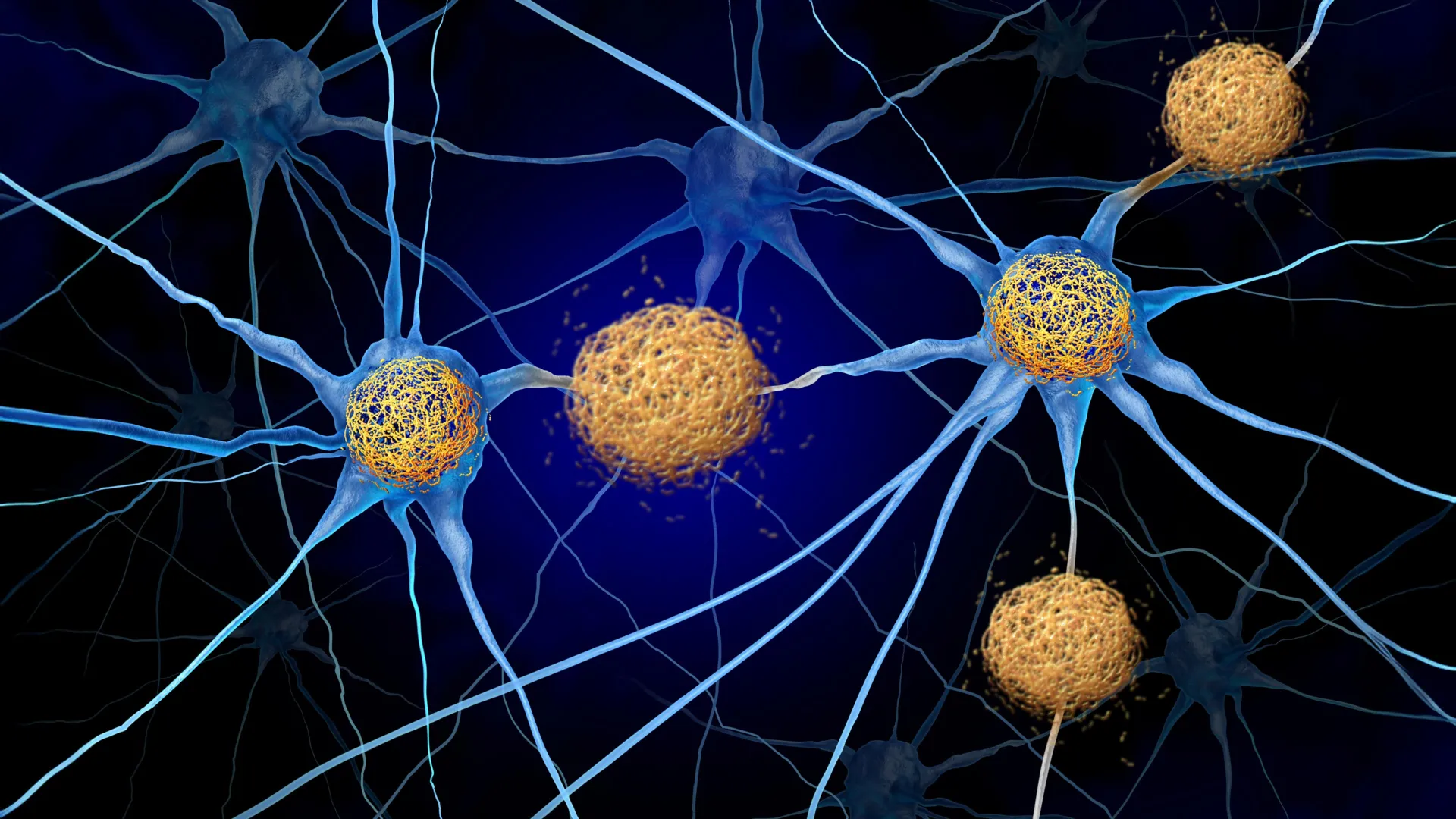
"The animals showed poorer neurological and spatial learning performance over time, together with clear evidence of vascular-associated tau accumulation in the cortex," Dr. Albayram stated. Tau is a protein that, when it malfunctions and clumps together, is a primary marker for Alzheimer’s disease and CTE. The study found that the fish oil group had a higher density of these protein tangles, specifically around the blood vessels.
Furthermore, gene sequencing revealed a "coordinated shift" in the genetic programs responsible for vascular stability. In the injured brains of the fish oil-supplemented group, there was a reduced expression of genes tied to the extracellular matrix and endothelial integrity. Essentially, the genetic instructions the brain normally uses to "rebuild the bridge" after an injury were being silenced or altered.
Implications for Athletes and High-Risk Populations
The implications of this study are particularly relevant for the sports world. For years, many athletic trainers and nutritionists have recommended high doses of fish oil to athletes in sports like football, hockey, and boxing, theorizing that it would provide a "cushion" against the inflammatory damage of concussions.
If the MUSC findings hold true in broader clinical trials, this practice may need to be entirely re-evaluated. Instead of protecting the brain, high-dose EPA might be locking the brain into a state of "metabolic vulnerability," where it cannot properly heal between hits. This could potentially accelerate the progression of neurodegenerative conditions like CTE, which is characterized by the very vascular dysfunction and tau pathology identified in Albayram’s study.
Expert Analysis and Official Responses
Dr. Albayram has been careful to frame these findings as a call for "precision nutrition" rather than a total condemnation of fish oil. "I am not saying fish oil is good or bad in some universal way," he emphasized. "What our data highlight is that biology is context-dependent. We need to understand how these supplements behave in the body over time, rather than assuming the same effect applies to everyone."
The scientific community has reacted with cautious interest. Independent neuroscientists have noted that the study’s use of human CTE tissue provides a powerful "translational" link that many animal-only studies lack. However, experts also point out the study’s limitations. Because the human tissue was postmortem, researchers can observe patterns of lipid handling and vascular damage, but they cannot definitively prove that fish oil intake was the sole cause of those patterns in the deceased patients.
Future Research and the Move Toward Precision Nutrition
The MUSC team is already planning follow-up studies to explore the mechanisms of EPA transport. They want to understand exactly how EPA crosses the blood-brain barrier and why it remains in the brain longer than expected during periods of trauma. They also intend to investigate whether the ratio of EPA to DHA in supplements can be optimized to retain the anti-inflammatory benefits while discarding the risks to vascular repair.
This research marks a pivotal shift in the field of nutritional neuroscience. It suggests that the "more is better" approach to supplementation is fundamentally flawed when applied to complex biological systems like the human brain. As the industry moves forward, the focus will likely shift toward personalized supplement regimens based on an individual’s risk factors, such as their likelihood of experiencing head impacts or their genetic predisposition to certain metabolic pathways.
For the general public, the study serves as a reminder that even "natural" supplements are potent biological agents. The researchers hope their work will lead to more rigorous clinical guidelines regarding the use of omega-3s in trauma recovery and encourage consumers to consult with medical professionals before beginning high-dose regimens, particularly if they are at risk for brain injury. In the world of brain health, it appears that the "context" of the injury is just as important as the nutrients used to treat it.