

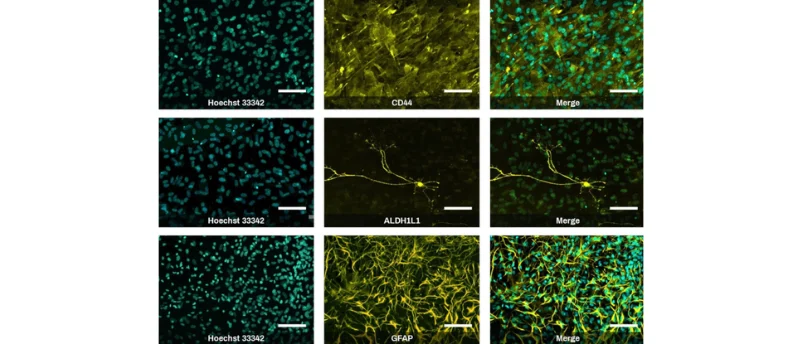
AMSBIO, a global leader in life sciences solutions, has significantly expanded its portfolio of induced pluripotent stem cell (iPSC) Differentiation Kits with the launch of the Quick-Glia™ product line. This strategic enhancement is set to provide researchers with unprecedented speed, purity, and reproducibility in generating human iPSC-derived glial cells, addressing critical needs in neurobiology, drug discovery, and the study of neurodegenerative diseases. The introduction of these advanced kits, specifically designed to facilitate the rapid conversion of iPSCs into functional astrocytes and microglia, marks a pivotal moment in the development of more physiologically relevant in vitro models for the human brain, promising to accelerate breakthroughs in understanding and treating complex neurological disorders.
The Transformative Potential of iPSCs in Neuroscience
The landscape of biomedical research underwent a profound transformation with the groundbreaking discovery of induced pluripotent stem cells (iPSCs) by Professor Shinya Yamanaka and his team in 2006, a feat for which he was awarded the Nobel Prize in Physiology or Medicine in 2012. iPSCs are somatic cells that have been reprogrammed back into an embryonic-like pluripotent state, giving them the ability to differentiate into virtually any cell type in the body. This innovation circumvented many of the ethical considerations associated with human embryonic stem cells, while simultaneously offering an unparalleled platform for disease modeling and drug discovery.
Prior to iPSCs, neuroscience research largely relied on animal models or post-mortem human brain tissue. While invaluable, animal models often fail to fully recapitulate the complexities of human neurological diseases due due to significant species-specific differences in brain architecture, cellular function, and disease pathology. Post-mortem tissue, while human-derived, provides only a static snapshot of end-stage disease and is limited in availability and scope for dynamic experimentation. The advent of iPSCs enabled the creation of patient-specific cellular models, allowing researchers to generate relevant neural cell types from individuals with specific genetic mutations or disease phenotypes. This capability has opened new avenues for studying disease mechanisms, identifying novel drug targets, and screening therapeutic compounds in a human-relevant context, thereby bridging a critical gap in preclinical research.
The Indispensable Role of Glial Cells in Brain Health and Disease
For decades, neurons were considered the primary actors in the brain, with glial cells often relegated to a supportive role, literally translated as "nerve glue." However, contemporary neuroscience has emphatically established glial cells as active, dynamic regulators of brain function, crucial for maintaining homeostasis, modulating synaptic activity, and responding to injury and disease. The two primary glial cell types targeted by AMSBIO’s new kits—astrocytes and microglia—play distinct yet interconnected roles that are central to both normal brain physiology and the pathogenesis of neurodegenerative conditions.
Astrocytes, the most numerous glial cells in the central nervous system, are star-shaped cells that extend processes to ensheath synapses, blood vessels, and neuronal cell bodies. They are fundamental to maintaining the blood-brain barrier, regulating cerebral blood flow, providing metabolic support to neurons (e.g., lactate supply), and modulating synaptic transmission by regulating neurotransmitter levels. Astrocytes are also key players in the brain’s response to injury and disease, undergoing reactive astrogliosis, a process characterized by morphological and molecular changes that can be either beneficial or detrimental depending on the context. Dysfunctional astrocytes are implicated in a wide range of neurological disorders, including Alzheimer’s disease (AD), Parkinson’s disease (PD), amyotrophic lateral sclerosis (ALS), stroke, and epilepsy, where they contribute to neuroinflammation, excitotoxicity, and neuronal dysfunction. Accurate in vitro models of human astrocytes are therefore critical for deciphering their complex roles in these conditions.
Microglia, often referred to as the brain’s resident immune cells, are highly dynamic and constantly survey the microenvironment. In healthy brains, they perform vital functions such as synaptic pruning (removing weak or unnecessary synapses), clearing cellular debris, and responding to pathogens or injury. Upon activation, microglia can adopt diverse phenotypes, ranging from pro-inflammatory (M1-like) to anti-inflammatory and reparative (M2-like). Chronic or dysregulated microglial activation and neuroinflammation are hallmarks of nearly all neurodegenerative diseases. In AD, microglia are involved in amyloid-beta plaque clearance but can also contribute to neurotoxicity. In PD, activated microglia contribute to dopaminergic neuron degeneration. Understanding the nuanced roles of human microglia in these diseases is paramount for developing effective immunomodulatory therapies. The need for human-specific microglial models is particularly acute, given the substantial differences observed between rodent and human microglial biology.
AMSBIO’s Quick-Glia™ Innovation: A Closer Look
AMSBIO’s new Quick-Glia™ product line directly addresses the significant challenges researchers face in obtaining high-purity, functional human glial cells for their studies. The kits are engineered for speed, offering the conversion of iPSCs into functional neurons within an impressive 1 to 2 weeks, a significant reduction compared to traditional, often months-long, differentiation protocols. This rapid turnaround, coupled with enhanced reproducibility and scalability, provides a streamlined workflow for disease modeling, drug screening, and fundamental neurobiology applications.
Quick-Glia™ Astrocyte – SeV Kits
The Quick-Glia™ Astrocyte – SeV kits leverage advanced Sendai virus (SeV) technology to facilitate the differentiation of human pluripotent stem cells into astrocytes. Sendai virus is a non-integrating RNA virus commonly used for gene delivery, particularly for iPSC reprogramming and differentiation. Its key advantage lies in its high efficiency of gene transduction without integrating into the host genome, thus avoiding potential insertional mutagenesis and maintaining genomic integrity—a crucial factor for developing reliable cellular models. The kits provide a streamlined and reproducible workflow, enabling researchers to rapidly produce highly pure populations of astrocytes. This purity is paramount, as mixed cell populations can confound experimental results and obscure the specific contributions of astrocytes to disease processes. Researchers can confirm the identity and purity of these iPSC-derived astrocytes by employing well-established astrocyte markers such as Glial Fibrillary Acidic Protein (GFAP), S100B, and Aldehyde Dehydrogenase 1 Family Member L1 (ALDH1L1). The ability to generate such pure and functional astrocytes opens new avenues for investigating astrogliosis, astrocyte-neuron interactions, and testing compounds that modulate astrocyte activity in conditions like neuroinflammation or metabolic dysfunction.
Quick-Glia™ Human iPSC-derived Microglia
Complementing the astrocyte kits, AMSBIO has also introduced Quick-Glia™ human iPSC-derived microglia. These are available as high-purity, off-the-shelf, cryopreserved cells, offering immediate utility to research laboratories. The "off-the-shelf" and "cryopreserved" nature of these microglia represents a substantial leap in convenience and standardization. Researchers no longer need to dedicate extensive time and resources to establishing and optimizing differentiation protocols for microglia, which are notoriously challenging to differentiate and maintain in vitro. Instead, they can simply thaw and culture these ready-to-use cells, significantly reducing experimental setup time and minimizing variability across experiments and laboratories. These iPSC-derived microglia mature rapidly in culture and deliver reproducible performance for critical applications such as drug discovery, toxicity screening, and neurodegenerative disease research. The associated microglia maintenance media is also available separately, ensuring a complete and optimized system for long-term culture and experimental consistency. These cells are ideal for studying microglial activation states, phagocytic capacity, cytokine release profiles, and their interactions with other neural cell types in complex disease models.
Impact on Neurodegenerative Disease Research and Drug Discovery
The global burden of neurodegenerative diseases is immense and growing. Conditions like Alzheimer’s disease, Parkinson’s disease, multiple sclerosis, and ALS affect millions worldwide, imposing devastating personal and societal costs. Despite significant research efforts, effective disease-modifying therapies remain elusive for most of these disorders. A major contributing factor to the high failure rate in clinical trials for neurological drugs (estimated to be over 90%) is the inadequacy of preclinical models that often fail to predict human responses accurately.
AMSBIO’s Quick-Glia™ kits offer a powerful solution to this challenge. By providing rapid access to highly pure, functional human iPSC-derived astrocytes and microglia, these kits enable the development of more predictive in vitro models. This enhanced biological relevance can lead to:
- Accelerated Drug Discovery: High-throughput screening of drug candidates can be performed on human glial cells, identifying compounds that modulate neuroinflammation, improve glial function, or protect neurons, with greater confidence in translational potential.
- Improved Disease Modeling: Researchers can create more accurate in vitro models of specific neurodegenerative diseases by introducing patient-specific iPSCs, allowing them to investigate disease mechanisms, identify biomarkers, and test personalized therapeutic strategies.
- Enhanced Toxicity Screening: The kits facilitate robust assessment of the neurotoxicity of new drugs or environmental compounds, providing crucial data earlier in the development pipeline and potentially reducing adverse effects.
- Reduced Reliance on Animal Models: By providing superior human-relevant in vitro systems, these kits contribute to the 3Rs principles (Replacement, Reduction, Refinement) of animal research.
A Timeline of Innovation in iPSC Technology and Glial Research
The journey from the initial discovery of iPSCs to the advanced tools available today has been marked by continuous innovation:
- 2006: Shinya Yamanaka and his team publish the seminal work on inducing pluripotency in mouse fibroblasts.
- 2007: Human iPSCs are successfully generated, opening the door for human disease modeling.
- Early 2010s: Initial protocols emerge for differentiating iPSCs into various neuronal lineages, laying the groundwork for neuroscience applications.
- Mid-2010s: The critical importance of glial cells gains wider recognition, leading to the development of early, albeit often complex and time-consuming, protocols for generating iPSC-derived astrocytes and microglia. These early methods often struggled with purity and consistency.
- Late 2010s – Early 2020s: Significant advancements in differentiation protocols, including the optimization of culture conditions and the use of specific growth factors and signaling pathway modulators, lead to improved efficiency and purity. Commercial availability of some iPSC differentiation tools begins to emerge.
- Present: AMSBIO’s Quick-Glia™ kits represent the latest generation of these tools, focusing on addressing the persistent bottlenecks of speed, purity, and reproducibility, making these crucial cell types more accessible and reliable for routine and high-throughput research.
Statements from Industry Leaders
"The Quick-Glia™ product line represents a culmination of extensive research and development, driven by the critical need for highly pure, functional human glial cells," stated Dr. Eleanor Vance, Head of Neuroscience Product Development at AMSBIO. "We understand the challenges researchers face with traditional models, and these kits are designed to significantly accelerate their work, providing reproducible and biologically relevant data. Our commitment is to empower scientists with tools that truly advance our understanding of the human brain and lead to breakthroughs in treating devastating neurological conditions."
The launch has also garnered enthusiastic reactions from the scientific community. Professor Marcus Thorne, Director of a prominent Neurodegeneration Research Institute, commented, "Access to high-quality, human iPSC-derived astrocytes and microglia has historically been a significant bottleneck for many labs. The Quick-Glia™ kits, with their promise of rapid differentiation and exceptional purity, could be a game-changer. This level of standardization and ease of use means we can dedicate more time to experimental design and data analysis, and less to cell culture optimization, ultimately speeding up our discoveries in Alzheimer’s and Parkinson’s disease mechanisms."
Dr. Sarah Chen, Senior Principal Scientist at a leading pharmaceutical R&D division, echoed these sentiments, emphasizing the impact on drug discovery. "In drug discovery, predictive in vitro models are paramount. The ability to rapidly generate pure populations of human microglia and astrocytes offers an invaluable platform for screening novel compounds for neuroinflammatory or neuroprotective effects. The off-the-shelf nature of the microglia, in particular, will significantly streamline our high-throughput screening efforts and reduce variability across experiments, ultimately leading to more robust data and potentially higher success rates in clinical development."
Broader Market Impact and AMSBIO’s Strategic Position
The global market for iPSC technologies and neurological research tools is experiencing robust growth, driven by an increasing understanding of neurological disorders and the urgent need for more effective therapies. AMSBIO’s strategic move to expand its iPSC Differentiation Kits with the Quick-Glia™ line solidifies its position as a key enabler in this dynamic field.
As part of the Europa Biosite group, AMSBIO operates as a leading life sciences company with deep expertise in advanced cell culture, 3D cell models, and cryopreservation technologies. This broad portfolio means that the Quick-Glia™ kits are not standalone products but are integrated within a comprehensive ecosystem of solutions. For instance, researchers can leverage AMSBIO’s integrated stem cell platform, which combines high-performance StemFit™ media, iMatrix™ recombinant laminins for optimal cell attachment and growth, and CELLBANKER™ cryopreservation technology for reliable cell storage. This holistic approach ensures that researchers have access to a complete workflow, from initial iPSC culture and differentiation to downstream applications and long-term preservation, all designed to enhance reproducibility and streamline experimental procedures.
Beyond stem cell solutions, AMSBIO’s offerings extend to extracellular matrix technologies, biospecimens, glycobiology tools, kits and assays, and a wide array of custom services, including viral delivery. Their extensive GMP (Good Manufacturing Practice) expertise and comprehensive human and animal biorepository further underscore their commitment to delivering high-quality, application-ready products and services. AMSBIO’s consistent record of close scientific collaboration with partners in academic, biotech, and pharmaceutical markets highlights its crucial role in translating cutting-edge innovation from the bench to the bedside. This collaborative ethos ensures that their product development remains aligned with the evolving needs of the scientific community.
Future Outlook
The introduction of AMSBIO’s Quick-Glia™ kits represents a significant step forward, but the field of iPSC-based neuroscience is poised for even greater advancements. Future directions include the continued development of differentiation protocols for other neural cell types, such as oligodendrocytes and endothelial cells, which are critical for modeling myelination and the blood-brain barrier, respectively. The integration of these diverse iPSC-derived cell types into more complex 3D organoid models, often referred to as "brains-on-a-chip," will allow for the study of intricate cell-cell interactions and tissue-level phenomena that are impossible to replicate in 2D cultures.
As the technology matures, iPSC-derived cells are expected to see increasing adoption not only in basic research and drug discovery but also in clinical settings for personalized medicine approaches. The ability to generate patient-specific neural cells could lead to more accurate prognoses, identification of individual drug sensitivities, and the development of tailored therapeutic strategies. Ultimately, the emphasis on purity, reproducibility, and biological relevance, as exemplified by AMSBIO’s Quick-Glia™ line, will drive higher quality research and more reliable preclinical data, significantly improving the success rates in the arduous journey of developing effective treatments for devastating neurological disorders.


















Leave a Reply