

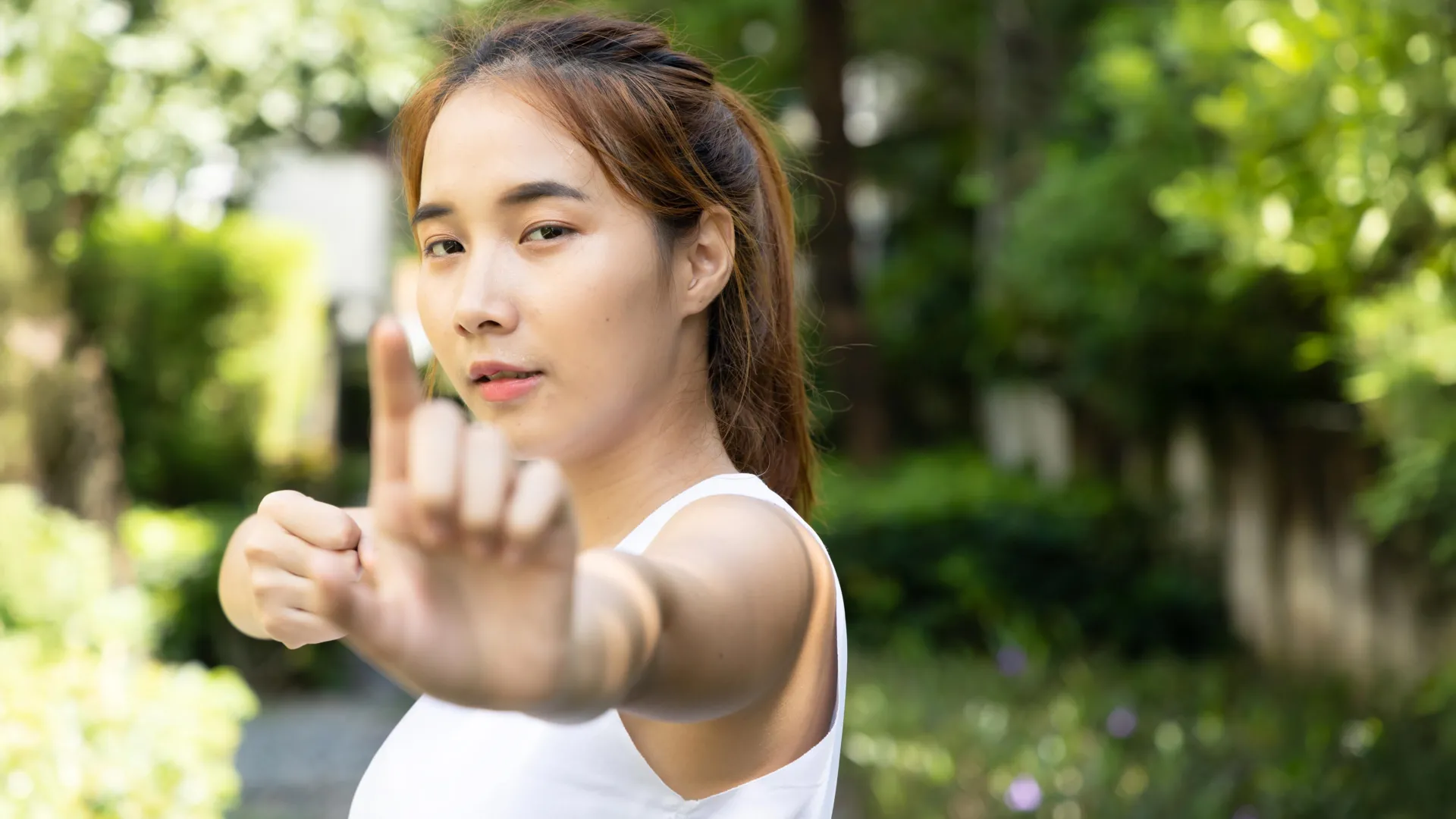
A groundbreaking study published in the Journal of the American College of Cardiology (JACC), the flagship publication of the American College of Cardiology, has revealed that Baduanjin, a traditional Chinese mind-body exercise, is as effective as brisk walking in lowering blood pressure among adults with hypertension. The large-scale, randomized clinical trial provides robust evidence that this ancient practice, which integrates slow movements, controlled breathing, and meditation, offers a sustainable and accessible alternative to conventional aerobic exercise for cardiovascular health. Researchers found that participants practicing Baduanjin experienced significant reductions in systolic blood pressure within just three months, with these benefits persisting for a full year.
High blood pressure, or hypertension, remains one of the most significant and preventable risk factors for heart disease, stroke, and kidney failure globally. While medical professionals have long advocated for regular physical activity as a cornerstone of hypertension management, long-term adherence remains a major hurdle. Conventional workouts often require gym memberships, specialized equipment, dedicated outdoor spaces, or high-intensity exertion that may not be suitable for all populations. The findings of this study suggest that Baduanjin could bridge the gap for individuals seeking a low-impact, cost-effective, and highly scalable lifestyle intervention.
The Science of Baduanjin: A Centuries-Old Tradition
Baduanjin, translated literally as the "Eight Pieces of Brocade," is a form of medical Qigong that dates back over 800 years to the Song Dynasty. Unlike high-intensity interval training or heavy resistance lifting, Baduanjin consists of eight structured, fluid movements designed to improve the flow of energy, or "Qi," while simultaneously strengthening the musculoskeletal system. The practice combines elements of aerobic activity, flexibility training, isometric exercise, and mindfulness meditation.
A typical session of Baduanjin lasts approximately 10 to 15 minutes. It does not require any special equipment or a large space, making it uniquely suited for home environments, offices, or community parks. Because the movements are low-to-moderate in intensity, the routine is considered safe for older adults and those with physical limitations that might preclude them from more vigorous forms of exercise like running or weightlifting.
The eight movements of Baduanjin are traditionally named to reflect their physical and symbolic purposes, such as "Supporting the Heavens with Both Hands to Regulate the Triple Burner" and "Drawing the Bow to Shoot the Eagle." Each movement involves specific postural alignments and synchronized breathing patterns that have been hypothesized to calm the nervous system and improve vascular function.
Clinical Trial Design and Methodology
To validate the efficacy of Baduanjin, researchers conducted the first large-scale, multicenter randomized clinical trial of its kind. The study was centered in Beijing, China, and involved 216 adults recruited from seven different communities. The primary objective was to track changes in 24-hour systolic blood pressure (SBP) over a 52-week period.
The participants were all at least 40 years of age and had baseline systolic blood pressure readings between 130 and 139 mm Hg. Under the current guidelines established by the American College of Cardiology and the American Heart Association (ACC/AHA), this range is classified as Stage 1 hypertension. None of the participants were taking antihypertensive medications at the start of the trial, allowing researchers to isolate the effects of the lifestyle interventions.
The participants were randomly assigned to one of three groups for the duration of the year-long study:
- The Baduanjin Group: Participants practiced the eight movements for 30 minutes, five days a week.
- The Brisk Walking Group: Participants engaged in moderate-intensity walking for the same frequency and duration.
- The Self-Directed Exercise Group: This served as the control group, where participants were given general health advice but were left to manage their own physical activity levels without a structured program.
Key Findings: Data and Statistical Analysis
The results of the trial were striking in their consistency and long-term impact. Researchers measured blood pressure at two key intervals: 12 weeks (short-term) and 52 weeks (long-term).
At the 12-week mark, the Baduanjin group showed a significant reduction in blood pressure compared to the self-directed exercise group. Specifically, those practicing Baduanjin lowered their 24-hour systolic blood pressure by an average of 3 mm Hg. Furthermore, office-based systolic blood pressure—readings taken by clinicians in a controlled setting—dropped by 5 mm Hg.
When compared to the brisk walking group, Baduanjin performed with equal efficacy. After one year of follow-up, the data indicated that Baduanjin was non-inferior to brisk walking in every primary metric. Both groups maintained their blood pressure reductions, suggesting that the physiological adaptations triggered by the mind-body practice are as durable as those triggered by traditional aerobic activity.
The significance of a 5 mm Hg reduction in systolic blood pressure cannot be overstated. Clinical data from various cardiovascular meta-analyses suggest that even a 5 mm Hg drop in SBP is associated with a 10% reduction in the risk of major cardiovascular events, such as heart attack or stroke. Remarkably, the researchers noted that the effect size observed in the Baduanjin group was comparable to the results seen in trials for some first-line antihypertensive medications, such as low-dose diuretics.
Addressing the Challenge of Long-Term Adherence
One of the most notable aspects of the study was the high rate of adherence among the Baduanjin participants. In many lifestyle intervention trials, the "washout" rate is high; participants often lose motivation after the initial three-month period, especially when supervision from clinical staff is reduced.
However, the Baduanjin group maintained their benefits through the 52-week mark even as the intensity of clinical monitoring decreased. Researchers believe this is due to the inherent nature of the exercise. Because Baduanjin is perceived as a relaxing, meditative practice rather than a grueling physical chore, participants were more likely to integrate it into their daily routines.
"Given its simplicity, safety, and the ease at which one can maintain long-term adherence, Baduanjin can be implemented as an effective, accessible, and scalable lifestyle intervention for individuals trying to reduce their blood pressure," said Dr. Jing Li, MD, PhD, the senior author of the study and Director of the Department of Preventive Medicine at the National Center for Cardiovascular Diseases in Beijing.
Expert Reactions and Global Implications
The study has garnered significant attention from the international medical community. Harlan M. Krumholz, MD, FACC, the Editor-in-Chief of JACC and the Harold H. Hines, Jr. Professor at the Yale School of Medicine, emphasized the importance of validating traditional practices through modern, high-quality research.
"Baduanjin has been practiced in China for over 800 years, and this study demonstrates how ancient, accessible, low-cost approaches can be validated through high-quality randomized research," Dr. Krumholz stated. "The blood pressure effect size is similar to that seen in landmark drug trials, but achieved without medication, cost, or side effects. This makes it highly scalable for community-based prevention, including in resource-limited settings."
The implications for public health policy are profound. As healthcare systems worldwide grapple with the rising costs of chronic disease management, there is an increasing shift toward "Social Prescribing"—a practice where doctors prescribe lifestyle activities such as gardening, art classes, or community exercise programs to improve patient outcomes. The JACC study provides the clinical "teeth" needed for Baduanjin to be included in such programs globally.
Comparative Analysis: Why Baduanjin Works
While brisk walking is a purely aerobic activity that increases heart rate and improves circulation, Baduanjin operates through multiple physiological pathways. Experts suggest several reasons why the practice is so effective:
- Parasympathetic Activation: The deep, rhythmic breathing required in Baduanjin stimulates the vagus nerve, shifting the body from a "fight or flight" sympathetic state to a "rest and digest" parasympathetic state. This reduction in stress hormones like cortisol and adrenaline directly leads to lower blood pressure.
- Vascular Health: The isometric nature of the movements—where muscles are held in tension—can improve endothelial function, the ability of blood vessels to dilate and contract efficiently.
- Mindfulness and Stress Reduction: Unlike walking, which can be done while distracted by technology or external stressors, Baduanjin requires focused attention. This meditative component addresses the psychological triggers of hypertension.
- Low Impact on Joints: For many adults over 40, brisk walking can lead to joint strain or exacerbation of osteoarthritis. Baduanjin provides a cardiovascular benefit without the repetitive impact on knees and hips.
Conclusion and Future Outlook
The findings of the Beijing-based clinical trial represent a significant milestone in the integration of traditional medicine with evidence-based Western cardiology. By demonstrating that an 800-year-old routine can match the efficacy of one of the world’s most recommended exercises, the study opens the door for new protocols in preventive medicine.
As the global population ages and the prevalence of hypertension continues to rise, the need for scalable, low-cost health interventions has never been greater. Baduanjin offers a solution that transcends cultural boundaries, requiring only a small amount of time and a willingness to move. For millions of people living with Stage 1 hypertension, the path to better heart health may not require a treadmill or a prescription bottle, but rather the ancient, silken movements of the "Eight Pieces of Brocade."
Future research is expected to investigate whether Baduanjin can provide similar benefits for patients with more advanced Stage 2 hypertension or if it can be used synergistically with medication to reduce the dosage required for blood pressure control. For now, the evidence is clear: this ancient practice is a modern powerhouse for heart health.













Leave a Reply