

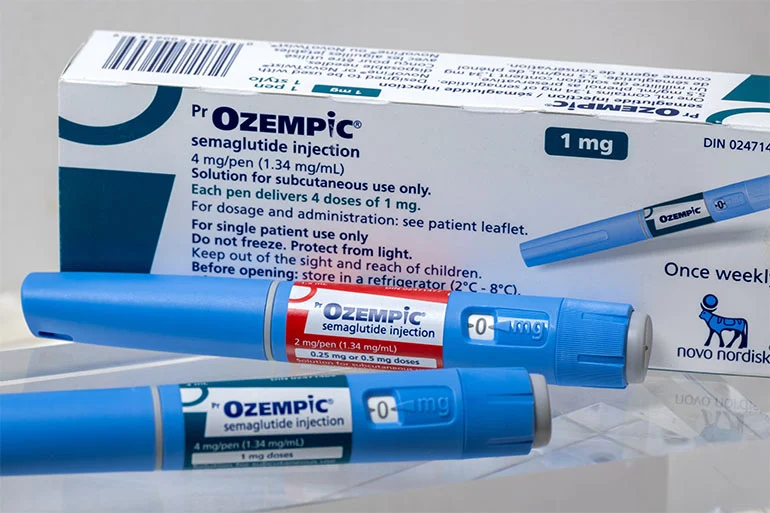
In a landmark decision poised to significantly reshape the pharmaceutical landscape for diabetes and obesity management, Health Canada has granted marketing authorization to Dr. Reddy’s Laboratories for its generic semaglutide injection. This approval marks Canada as the first G7 country to greenlight a generic version of the highly sought-after GLP-1 receptor agonist, a move largely facilitated by a crucial lapse in patent maintenance fees by the original innovator, Novo Nordisk. The authorization, covering 2 mg/pen and 4 mg/pen presentations at 1.34 mg/mL, signals a pivotal shift towards greater accessibility and potential affordability for millions of Canadians currently relying on the brand-name drug, Ozempic.
The advent of generic semaglutide in Canada arrives years ahead of expectations in other major markets, particularly the United States, where Novo Nordisk’s primary patents for Ozempic, Rybelsus, and Wegovy are projected to remain active until 2032. This accelerated entry into the generic market in Canada stems directly from Novo Nordisk’s failure to remit a C$250 maintenance fee for Canadian patent CA 2601784 in 2019. Despite the relatively modest sum, which with late fees amounted to C$450, the oversight led to the permanent lapse of the patent. While Novo Nordisk subsequently described this as a "strategic choice," the implications for market dynamics in Canada are undeniable and far-reaching. The initial public flagging of this lapse by Derek Lowe at Science highlighted the unusual circumstances surrounding the early expiry of protection for one of the pharmaceutical industry’s most valuable molecules.
The Rise of Semaglutide: A Pharmaceutical Phenomenon
Semaglutide, marketed by Novo Nordisk under brand names such as Ozempic (for type 2 diabetes), Wegovy (for chronic weight management), and Rybelsus (oral formulation for type 2 diabetes), has emerged as one of the most transformative pharmaceutical innovations of the past decade. Belonging to the class of glucagon-like peptide-1 (GLP-1) receptor agonists, semaglutide mimics the action of the natural GLP-1 hormone, which helps regulate blood sugar levels, slow gastric emptying, and promote satiety. These mechanisms have made it exceptionally effective not only in managing type 2 diabetes but also in achieving significant weight loss in individuals with obesity or overweight with comorbidities.
In Canada, Ozempic has rapidly ascended to become the country’s best-selling drug. Projections for 2025 indicated sales reaching an astounding C$2.9 billion, a figure more than three times that of the next highest-selling pharmaceutical. This underscores the immense demand and clinical utility of semaglutide, with over a million Canadians currently prescribed the medication. Globally, the semaglutide franchise has generated colossal revenues for Novo Nordisk. For the fiscal year 2025, the company reported total sales exceeding DKK 228 billion (approximately US$32.5 billion), with Ozempic alone contributing DKK 127.1 billion and Wegovy-driven obesity care sales reaching DKK 82.3 billion. This commercial success validated the GLP-1 drug class on an unprecedented scale, intensifying competition from other players like Eli Lilly with its dual GIP/GLP-1 receptor agonist, tirzepatide (Mounjaro, Zepbound).
A Detailed Chronology of the Patent Lapse and Generic Entry
The sequence of events leading to Canada’s early generic semaglutide approval is critical to understanding this market disruption:
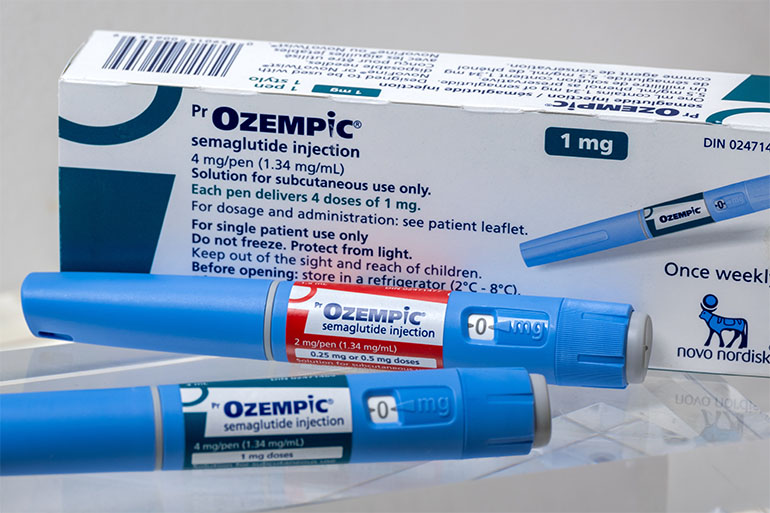
- October 23, 2018: Novo Nordisk’s last recorded maintenance fee payment for Canadian patent CA 2601784, titled "Acylated GLP-1 compounds," was received by the Canadian Intellectual Property Office (CIPO).
- 2019: Novo Nordisk failed to make the subsequent annual maintenance fee payment for the patent, which was due around this time. The initial fee was approximately US$188 (C$250).
- August 31, 2020: The statutory period for reversing the lapse of patent CA 2601784 expired. This date cemented the permanent loss of patent protection for semaglutide in Canada.
- 2022: Global shortages of semaglutide injection products began, driven by overwhelming demand, impacting patients and healthcare providers worldwide.
- February 2025: The U.S. Food and Drug Administration (FDA) announced that the shortage of semaglutide injection products had been resolved, having previously set deadlines for compounders producing copies of FDA-approved semaglutide during the shortage.
- March 20, 2026: This date marked the original patent expiry date for CA 2601784, as listed on Canada’s certificate of supplementary protection register. Had the patent been maintained, a Certificate of Supplementary Protection (CSP) would have extended market exclusivity until March 20, 2028. However, due to the earlier lapse, this extension became moot.
- April 28, 2026: Health Canada officially authorized Dr. Reddy’s Laboratories’ generic semaglutide injection. Dr. Reddy’s confirmed it was the first company to receive such marketing authorization in Canada.
- May 1, 2026: Health Canada further approved a generic semaglutide from Apotex, signaling a rapid follow-on by other generic manufacturers.
- Ongoing: Health Canada is currently reviewing seven additional submissions for generic semaglutide products, indicating a robust pipeline of generic competition.
Regulatory Scrutiny and Generic Validation
Health Canada’s approval of Dr. Reddy’s generic semaglutide followed a rigorous review process. The agency assessed the submission as a generic version of Ozempic, concluding that the product met its stringent criteria for safety, efficacy, and quality. Health Canada specifically noted that generic semaglutide injections are considered "complex synthetic products" and found Dr. Reddy’s offering to be pharmaceutically equivalent to the brand-name reference product. This ensures that Canadian patients receiving the generic version can expect the same therapeutic benefits and safety profile as with Ozempic. Dr. Reddy’s has confirmed that the active pharmaceutical ingredient (API) for its generic semaglutide is produced entirely in-house, demonstrating vertical integration and control over the supply chain, with finished product manufacturing handled by OneSource Specialty Pharma.
Broader Implications for Patients, Payers, and the Pharmaceutical Industry
The arrival of generic semaglutide in Canada carries significant implications across various stakeholders:
- For Patients: The most direct and immediate benefit for patients is the potential for increased access and reduced costs. Generic drugs are typically priced significantly lower than their brand-name counterparts, which could make semaglutide more affordable for individuals currently paying out-of-pocket or facing high co-pays. It could also alleviate pressure on provincial drug plans, potentially expanding coverage or reducing restrictions for eligible patients with type 2 diabetes and, potentially, in the future, for weight management, depending on provincial formulary decisions. This move shifts the access debate from "shortage-era workarounds," such as compounding, to formal and regulated generic competition.
- For Healthcare Systems: Provincial drug programs and private insurers in Canada are expected to see substantial cost savings. With Ozempic being the top-selling drug, even a modest reduction in price per prescription will translate into hundreds of millions, if not billions, of dollars in annual savings. These savings could be reinvested into other healthcare services, expand drug coverage, or help stabilize healthcare budgets. The enhanced availability could also help healthcare providers better manage the surging demand for GLP-1 agonists, reducing reliance on supply chain uncertainties that have plagued the market previously.
- For Novo Nordisk: While Canada represents a significant market, the early generic entry here poses a localized challenge rather than a global threat to Novo Nordisk’s dominant position. The company’s global patent strategy remains robust in other key markets like the U.S., Europe, and Japan, where active ingredient protection for semaglutide products extends to 2032 and 2031, respectively. However, the Canadian situation serves as a stark reminder of the critical importance of meticulous patent maintenance and the potential financial ramifications of even minor administrative oversights. It also highlights the company’s reliance on a multi-layered patent portfolio, where the loss of one patent might still leave other protections in place, though in Canada’s case, the specific patent was foundational.
- For Dr. Reddy’s Laboratories and Other Generic Manufacturers: For Dr. Reddy’s, this approval significantly boosts its standing in the complex generics and peptide therapeutics segments. Being the first to market in a G7 country for such a high-demand drug provides a competitive edge and strengthens its reputation. The subsequent approval of Apotex’s generic underscores the attractiveness of the Canadian market for other generic players, setting the stage for robust price competition and further driving down costs. This success in Canada may also provide valuable experience and a blueprint for challenging semaglutide patents in other markets as they approach expiry.
- For Global Pharmaceutical Policy: Canada’s experience highlights the divergence in patent laws and enforcement mechanisms across different jurisdictions. The U.S. patent landscape, for example, is notoriously complex, with innovator companies often engaging in extensive litigation to defend their intellectual property. Novo Nordisk has already settled U.S. Ozempic patent litigation with several manufacturers, including Alvogen, Rio Biopharmaceuticals, Sun Pharma, Dr. Reddy’s, Mylan, Zydus, and Apotex, with confidential settlement terms. This illustrates the different avenues generic entry can take – either through patent expiry/lapse or through negotiated settlements that typically involve later launch dates. The Canadian case, driven by an administrative lapse, offers a unique expedited pathway.
The Expanding Horizon of GLP-1 Therapeutics
The early generic entry of semaglutide in Canada occurs amidst a burgeoning global market for GLP-1 agonists. These drugs have not only transformed the treatment of type 2 diabetes but have also opened new frontiers in obesity management, cardiovascular risk reduction, and even potential applications in other metabolic and neurological conditions. The success of semaglutide has spurred intense research and development efforts, with a pipeline of novel GLP-1 agonists and multi-agonist compounds from various pharmaceutical companies. The competition from Eli Lilly’s tirzepatide, a dual GIP/GLP-1 agonist, exemplifies the next generation of these therapeutics, offering even greater efficacy in some clinical contexts. The availability of more affordable generic options for the foundational GLP-1 molecule, semaglutide, could democratize access to this transformative class of drugs, further accelerating their adoption and potentially expanding their use to a broader patient population in Canada.
Looking Ahead: The Canadian Market’s Evolution
With Dr. Reddy’s and Apotex already approved, and several more generic submissions under review by Health Canada, the Canadian market for semaglutide is poised for significant transformation. The influx of multiple generic manufacturers will inevitably lead to intensified price competition, further benefiting patients and provincial drug plans. The experience in Canada may also serve as a case study for other countries grappling with high drug costs and patent expiry timelines, demonstrating how a singular event in patent maintenance can lead to an unexpected and accelerated generic market entry. The story of semaglutide in Canada underscores the intricate interplay between patent law, pharmaceutical innovation, regulatory oversight, and public health needs in an era of unprecedented demand for life-changing medications.












Leave a Reply