

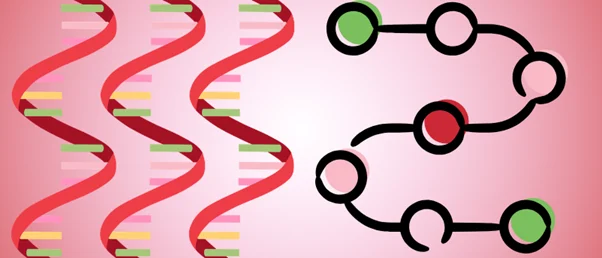
Miami, FL & San Francisco, CA – In a significant leap forward for biomedical research, a collaborative team of scientists from Sylvester Comprehensive Cancer Center (Miami, FL), the University of California, San Francisco (UCSF), and the Helen Diller Family Comprehensive Cancer Center (UCSF, CA) has unveiled CIPHER-seq (Cytokine Intracellular Protein High-throughput Expression with RNA-sequencing). This groundbreaking single-cell technology marks a pivotal advancement, offering the unprecedented ability to simultaneously quantify RNA and intracellular proteins within individual cells. This integrated view promises to revolutionize our understanding of real-time immune signaling, profoundly impacting disease mechanisms and the design of more effective immunotherapies.
The Genesis of a Breakthrough: Addressing a Critical Gap in Single-Cell Analysis
The advent of single-cell RNA sequencing (scRNA-seq) has transformed biological research, allowing scientists to map the entire transcriptome—the complete set of RNA transcripts—within individual cells. This capability has revealed cellular heterogeneity previously masked by bulk sequencing methods, providing invaluable insights into cellular states, developmental trajectories, and disease processes. However, a persistent limitation of scRNA-seq has been its inability to accurately predict protein abundance, especially for critical signaling molecules like cytokines. While RNA provides a blueprint of what a cell could be doing, proteins represent the actual functional machinery and the direct mediators of cellular action. This disconnect means that even with sophisticated transcriptomic data, a complete picture of cellular function, particularly immune responses, remained elusive.
The challenge is further compounded by the "central dogma" of molecular biology, which states that genetic information flows from DNA to RNA to protein. While RNA levels often correlate with protein levels, this relationship is not always direct or immediate. Post-transcriptional and post-translational modifications, protein stability, and active secretion can all influence the final protein abundance and activity, making direct protein measurement indispensable for a true understanding of cellular phenotype and function. For cytokines, which are rapidly produced and secreted to orchestrate immune responses, understanding this kinetic relationship between RNA transcription and protein expression is paramount.
Previous attempts to integrate protein measurement with single-cell RNA sequencing, such as CITE-seq, have focused primarily on surface proteins. While highly valuable for cell phenotyping, these technologies could not access the vast array of intracellular proteins—those residing within the cell—that play critical roles in metabolism, signaling pathways, and effector functions. Moreover, extending these methods to intracellular proteins in suspension-based cell populations presented significant technical hurdles. Standard protocols for intracellular staining, often optimized for flow cytometry, typically employ harsh fixation and permeabilization steps that can degrade RNA, compromise sequencing quality, or introduce cellular stress artifacts by elevating mitochondrial transcripts. These issues severely limit the utility of simultaneous RNA and intracellular protein analysis.
Recognizing these profound limitations, the collaborative research team embarked on developing a technology that could overcome these challenges, paving the way for a truly comprehensive single-cell view. Their objective was clear: create a method that preserves RNA integrity while enabling robust access and quantification of intracellular proteins, all within a single-cell framework.
CIPHER-seq: A Paradigm Shift in Multimodal Profiling
The culmination of their efforts is CIPHER-seq, an acronym that elegantly describes its core capabilities: Cytokine Intracellular Protein High-throughput Expression with RNA-sequencing. This innovative platform integrates several meticulously optimized technical advancements to achieve simultaneous quantification without the detrimental consequences observed with previous methods. The key innovations include:
- Optimized Fixation Chemistry: CIPHER-seq employs a carefully chosen fixation protocol designed to preserve cellular morphology and protein integrity while minimizing RNA degradation. This crucial step ensures that the cellular contents remain stable throughout the subsequent processing.
- Controlled Permeabilization: Traditional permeabilization methods can be overly aggressive, leading to RNA leakage or damage. CIPHER-seq utilizes a controlled permeabilization approach that allows antibodies to access intracellular targets efficiently without compromising the delicate RNA molecules within the cell.
- Abbreviated Antibody Incubation: To reduce potential stress on cells and minimize non-specific binding, the protocol incorporates abbreviated antibody incubation times, further contributing to the preservation of cellular integrity and RNA quality.
- RNase-Protective Conditions: Throughout the entire process, CIPHER-seq maintains an environment that actively protects RNA from enzymatic degradation by RNases, ubiquitous enzymes that can rapidly destroy RNA. This meticulous attention to RNA preservation is critical for generating high-quality transcriptomic data.
By integrating these refined techniques, CIPHER-seq provides a robust and reliable platform for multimodal profiling, effectively bypassing the key limitations that have hindered simultaneous intracellular protein and transcriptome analysis for suspension-based populations.
Rigorous Validation and Benchmarking
To validate the efficacy and superiority of CIPHER-seq, the research team undertook a comprehensive benchmarking process, comparing their novel platform against existing commercial protocols. They selected established protocols from industry leaders such as Proteintech (IL, USA), BioLegend (CA, USA), and BD (Wokingham, UK), known for their expertise in cellular staining and flow cytometry.
The initial phase of testing involved assessing the ability of these protocols to provide sufficient intracellular antigen access. Using fluorescently labeled antibodies targeting tubulin—a ubiquitous cytoplasmic protein essential for cell structure and function in eukaryotic cells—during flow cytometry, the researchers observed significant discrepancies. Both the BD and BioLegend protocols proved inadequate, failing to grant sufficient access to intracellular tubulin, indicating a fundamental flaw in their ability to robustly label internal cellular targets without compromising cell integrity or antibody penetration.

Consequently, the team advanced with the Proteintech protocol as the primary comparator. This head-to-head comparison between CIPHER-seq and Proteintech was conducted using peripheral blood mononuclear cells (PBMCs), both in a resting state and after stimulation with PMA/ionomycin, a common method to activate immune cells and induce cytokine production.
The results of this rigorous benchmarking were compelling. Using a sophisticated computational approach involving Uniform Manifold Approximation and Projection (UMAP) for dimensionality reduction, the scientists demonstrated that CIPHER-seq and the Proteintech protocol yielded comparable immune cell recovery. Crucially, neither method introduced major biases in cell-type recovery, ensuring that the cellular composition of the analyzed samples remained representative. However, CIPHER-seq distinguished itself by being associated with significantly reduced mitochondrial stress signatures. This finding is critical, as elevated mitochondrial transcripts are a common indicator of cellular stress during sample processing and can confound downstream transcriptomic analysis, leading to misleading interpretations of cellular state. CIPHER-seq’s ability to minimize this artifact underscores its gentle yet effective approach.
Unveiling Dynamic Immune Responses: Insights into Cytokine Induction
The true power of CIPHER-seq became evident when the team applied the technology to stimulated PBMCs, focusing on the dynamic interplay of RNA and protein expression during immune activation. The platform precisely resolved cytokine induction, particularly for key pathways such as interferon-gamma (IFNG) and tumor necrosis factor (TNF). Both IFNG and TNF play central roles in immune defense against pathogens and in the complex biology of cancer, influencing tumor growth, metastasis, and immune evasion.
Through pseudotime analysis, a computational technique that orders single cells along a developmental or functional trajectory based on their gene expression profiles, the researchers made a crucial observation: IFNG RNA was induced first, followed by the corresponding protein after a short delay. This kinetic relationship—the transcription of the gene preceding the accumulation of its protein product—is entirely consistent with the biological process of gene expression and intracellular protein accumulation.
First author Avni Bhalgat succinctly captured the significance of this finding, stating, "It’s like seeing the plan before the action. Cytokines help determine whether immune cells attack cancer, ignore it or even help tumors grow. Understanding how and when immune cells produce these signals is critical." This ability to precisely map the temporal relationship between gene activation and protein output in single cells offers an unparalleled window into the intricate choreography of immune responses.
Broader Implications for Cancer Research and Therapeutics
The successful development and validation of CIPHER-seq represent a monumental step forward, promising to reshape our approach to understanding and treating complex diseases, particularly cancer and inflammatory conditions. Co-senior author Justin Taylor articulated the profound impact of this technology: "RNA gives us clues about where a cell is headed. Proteins show us where it actually arrives. This clearer picture could help scientists design better immunotherapies and help clinicians predict which patients are most likely to benefit from them."
The implications span several critical areas:
- Cancer Research: CIPHER-seq will enable a deeper, more granular understanding of the tumor microenvironment (TME). By simultaneously profiling RNA and intracellular proteins in immune cells infiltrating tumors, researchers can decipher how these cells are truly functioning—whether they are effectively attacking cancer cells, becoming exhausted, or even promoting tumor growth. This could reveal novel immune evasion mechanisms employed by cancer cells and identify new therapeutic targets.
- Immunotherapy Design and Patient Stratification: Immunotherapies, such as checkpoint inhibitors and CAR T-cell therapies, have revolutionized cancer treatment, but their efficacy varies widely among patients. CIPHER-seq can help identify specific RNA-protein signatures in patients’ immune cells that correlate with response or resistance to these therapies. This predictive power could lead to more precise patient stratification, ensuring that the right patient receives the most appropriate treatment, thereby improving clinical outcomes and reducing unnecessary toxicities. Furthermore, by observing the dynamic changes in immune cell states at both RNA and protein levels during treatment, scientists can optimize immunotherapy regimens and develop next-generation therapies.
- Inflammatory and Autoimmune Diseases: Beyond cancer, CIPHER-seq holds immense promise for unraveling the complexities of chronic inflammatory and autoimmune diseases. Conditions like rheumatoid arthritis, lupus, and inflammatory bowel disease are characterized by dysregulated immune responses. By simultaneously profiling intracellular proteins and transcriptomes, researchers can identify specific aberrant signaling pathways within immune cells that drive pathology, paving the way for targeted therapeutic interventions.
- Drug Discovery and Development: The ability to precisely quantify intracellular protein expression alongside RNA offers a powerful tool for drug discovery. High-throughput screening platforms could leverage CIPHER-seq to identify compounds that modulate specific intracellular protein pathways, providing a more functional readout of drug efficacy at the single-cell level. This could accelerate the development of novel drugs that target specific cellular processes with greater precision.
- Fundamental Immunology: For basic scientists, CIPHER-seq provides an unprecedented tool to dissect fundamental immunological processes. Understanding how immune cells differentiate, activate, and respond to various stimuli at both the transcriptional and translational levels will provide foundational knowledge crucial for advancing the entire field of immunology.
A New Era of Cellular Understanding
The development of CIPHER-seq represents not just an incremental improvement but a fundamental shift in our capability to analyze cellular biology. By bridging the gap between gene expression and protein function, it offers a holistic view of cellular state and activity that was previously unattainable.
As Justin Taylor concluded, "The platform helps us move beyond inference and toward understanding how immune responses truly unfold – one cell at a time." This statement encapsulates the essence of CIPHER-seq’s transformative potential: moving from educated guesses about cellular function to direct, empirical observation at the most fundamental level.
The scientific community is poised to embrace this novel technology, which sets a new benchmark for multimodal single-cell analysis. Its rigorous validation, coupled with its ability to overcome long-standing technical challenges, positions CIPHER-seq as an indispensable tool for future research. While the initial focus is on cancer and inflammatory diseases, the broader applications of simultaneous RNA and intracellular protein quantification are vast, promising to illuminate the intricate mechanisms underlying health and disease across diverse biological systems. The journey from deciphering cellular plans to observing cellular actions has truly begun, promising a new era of precision medicine and biological discovery.















Leave a Reply